What should you look for in reach-in freezers?
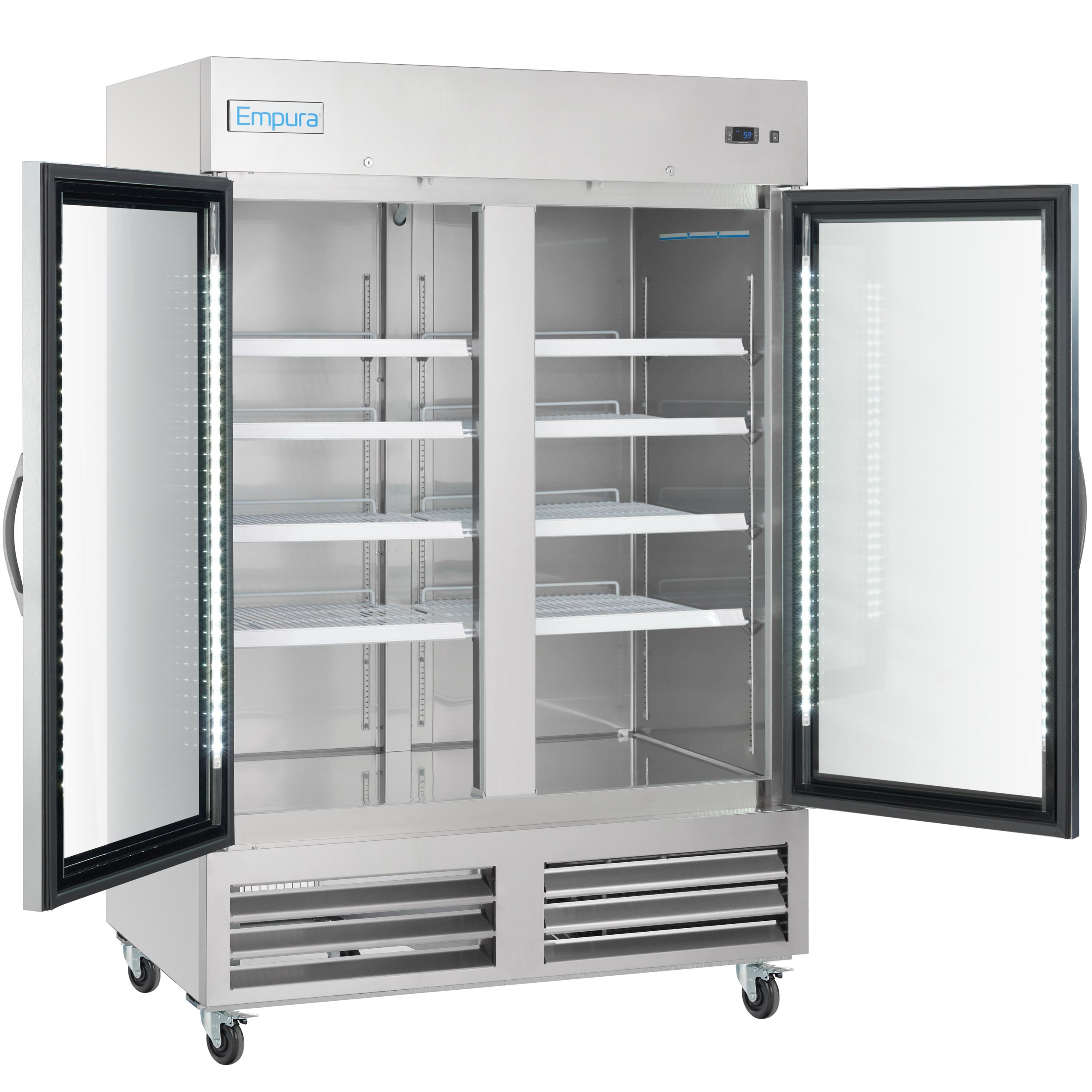
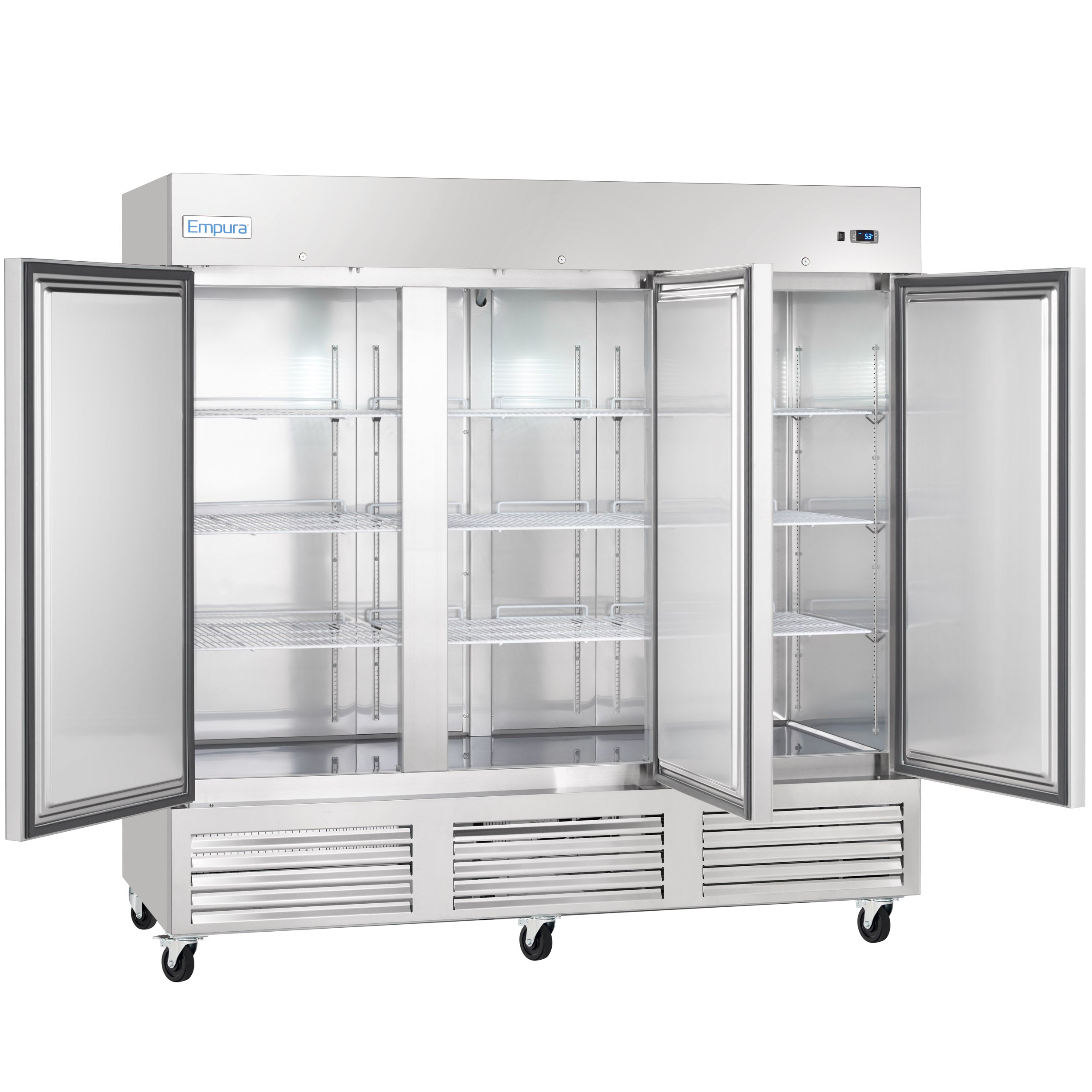
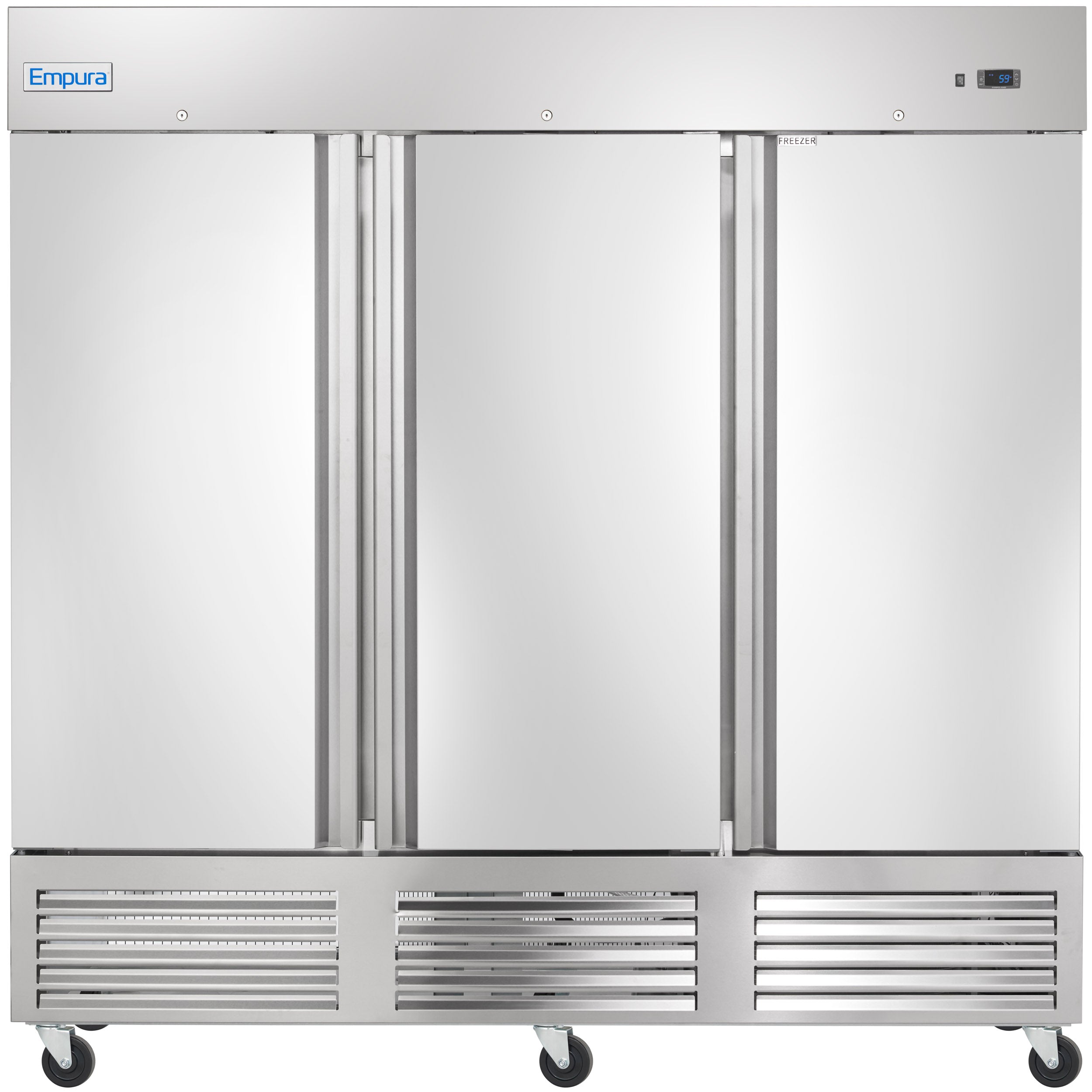
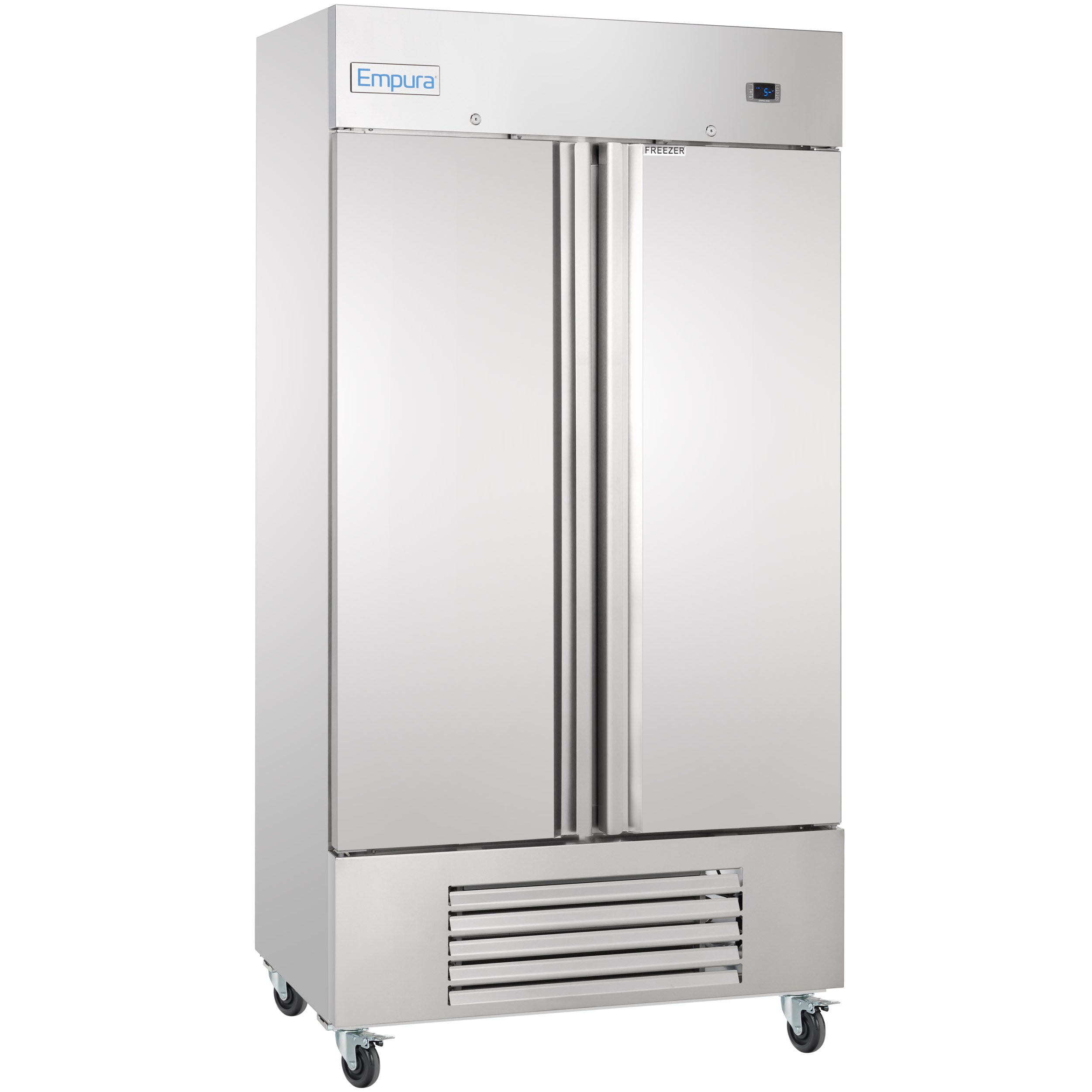
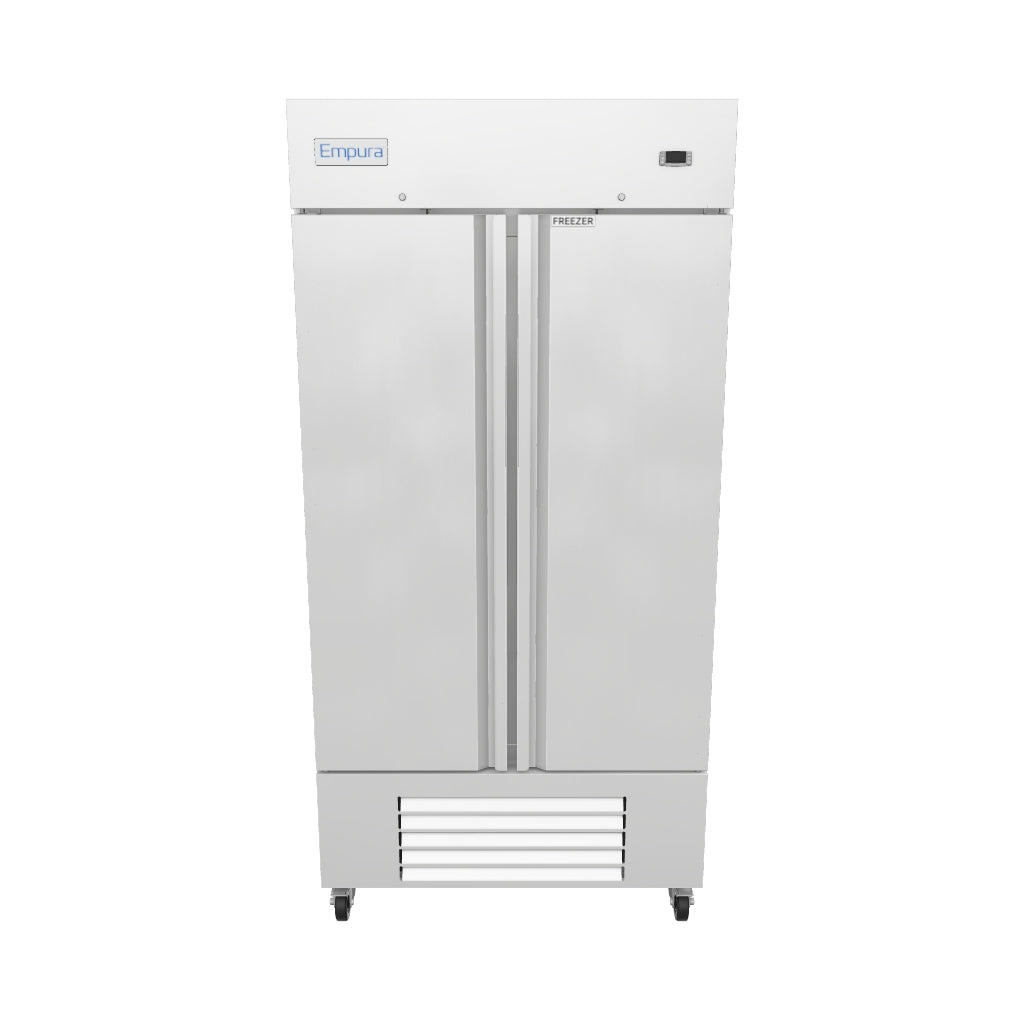
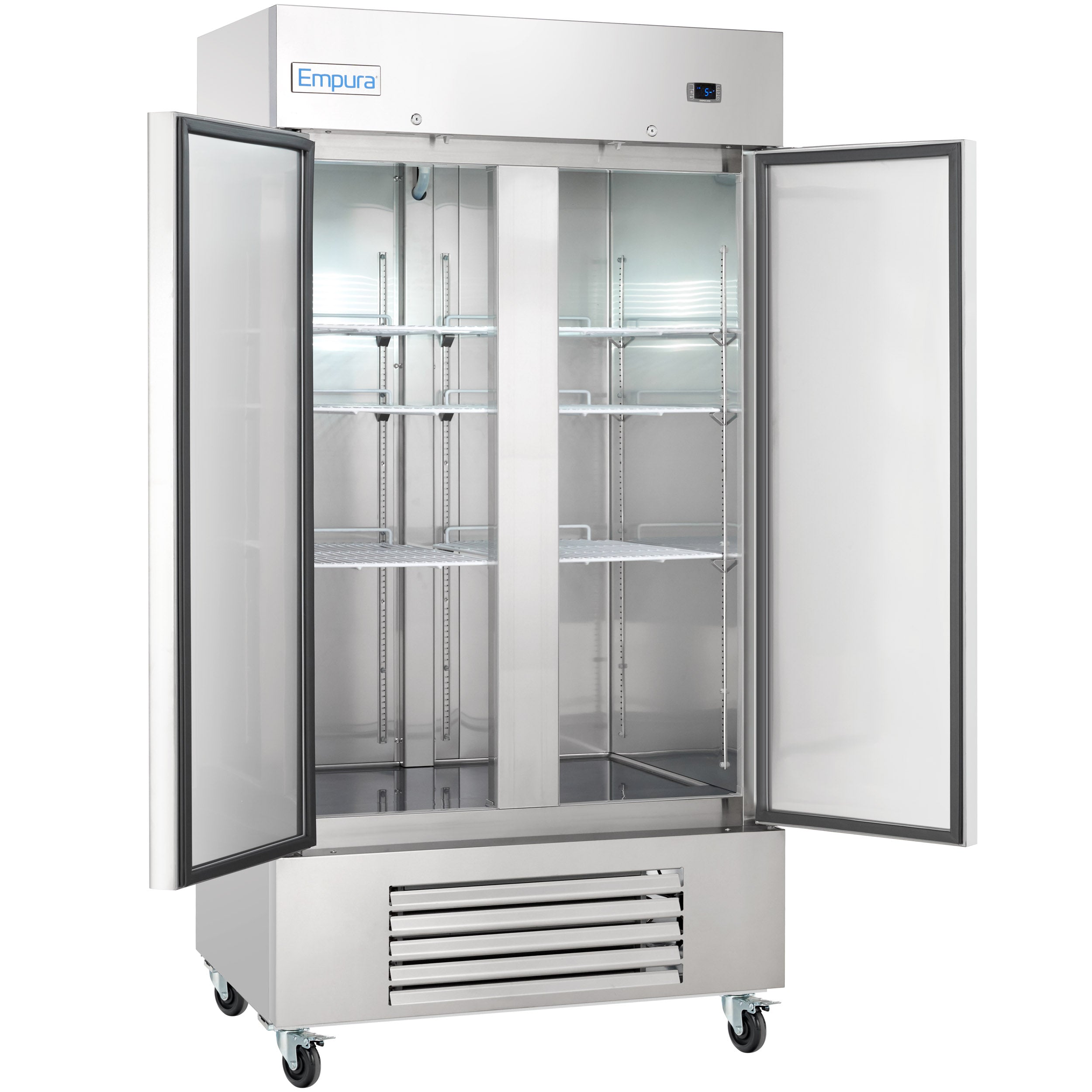
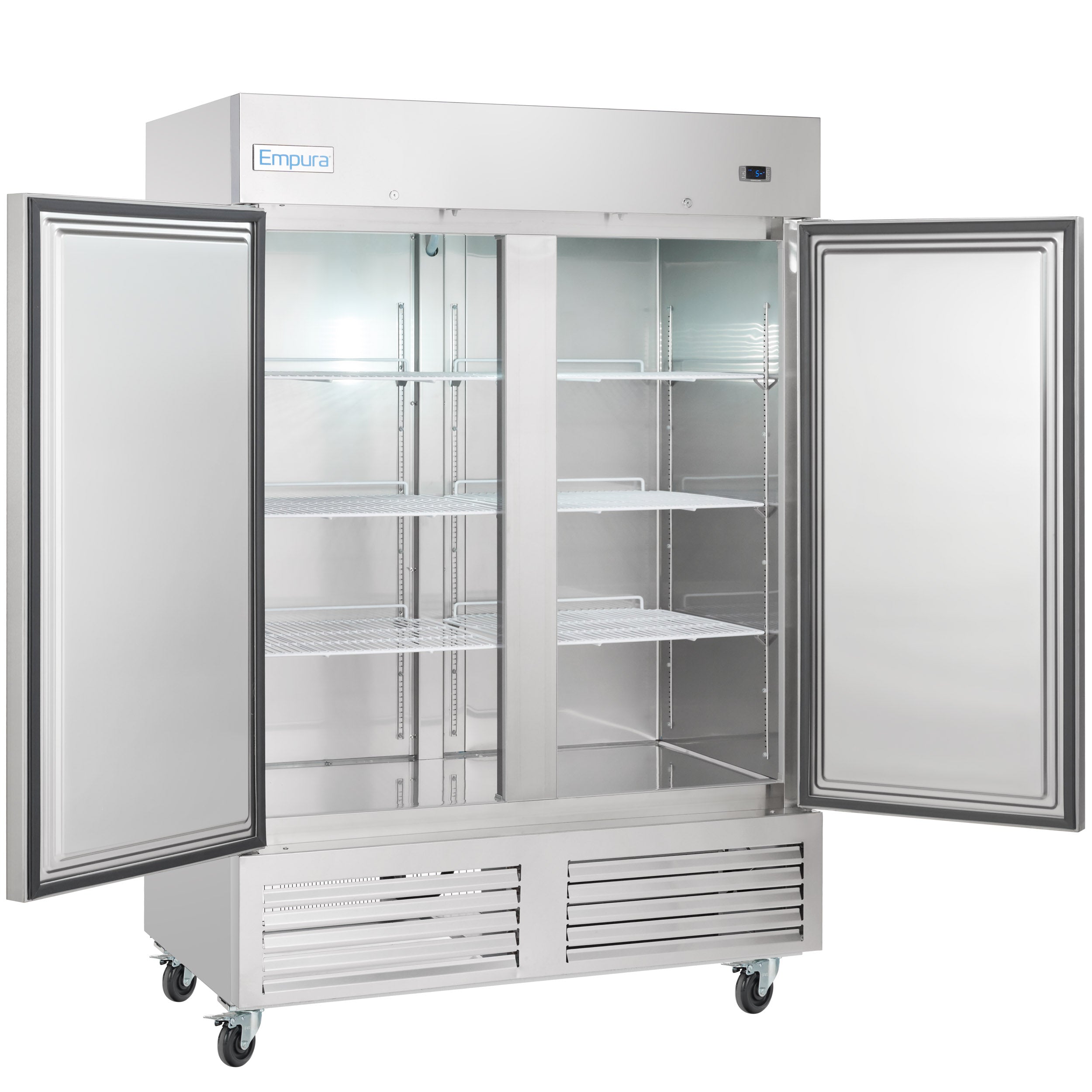
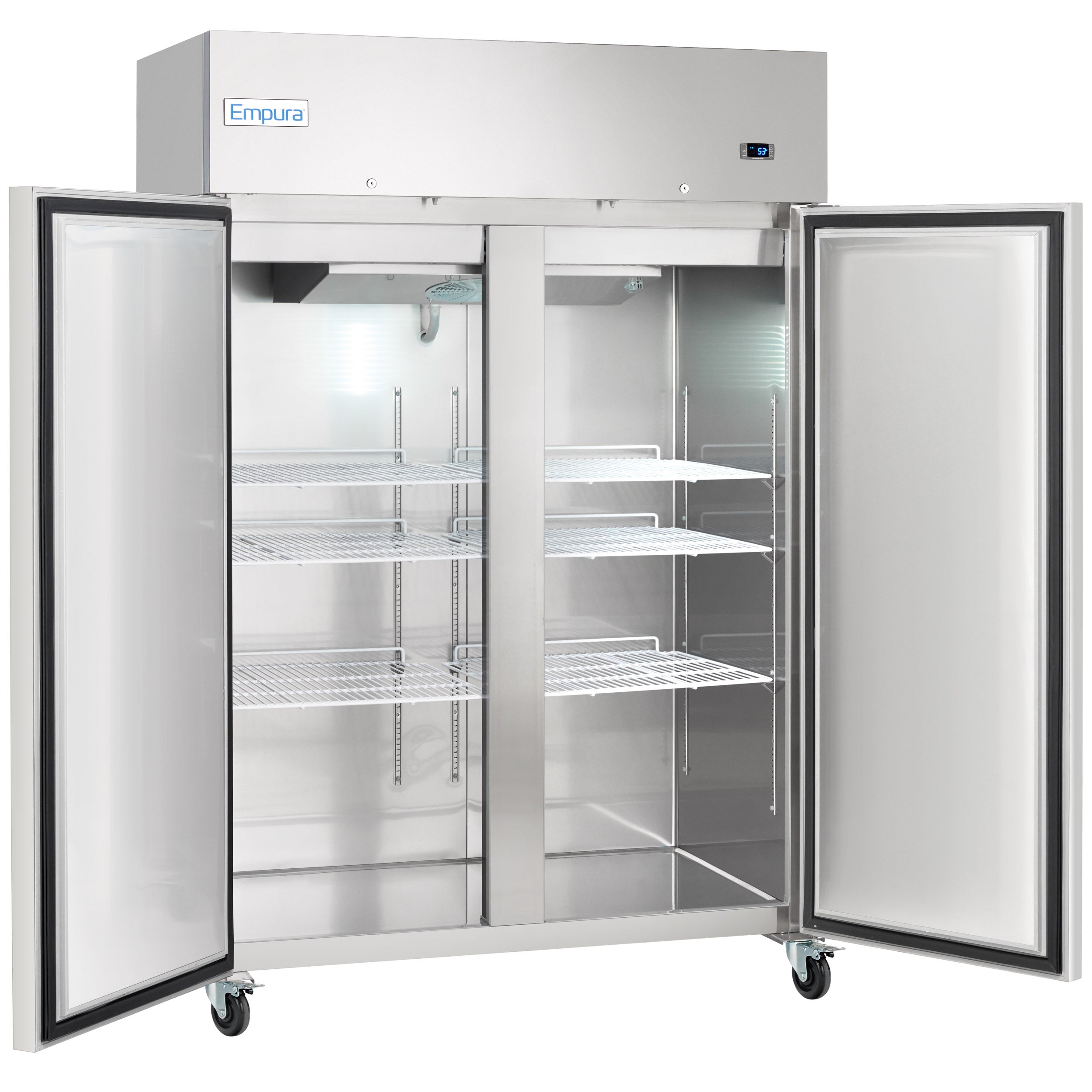
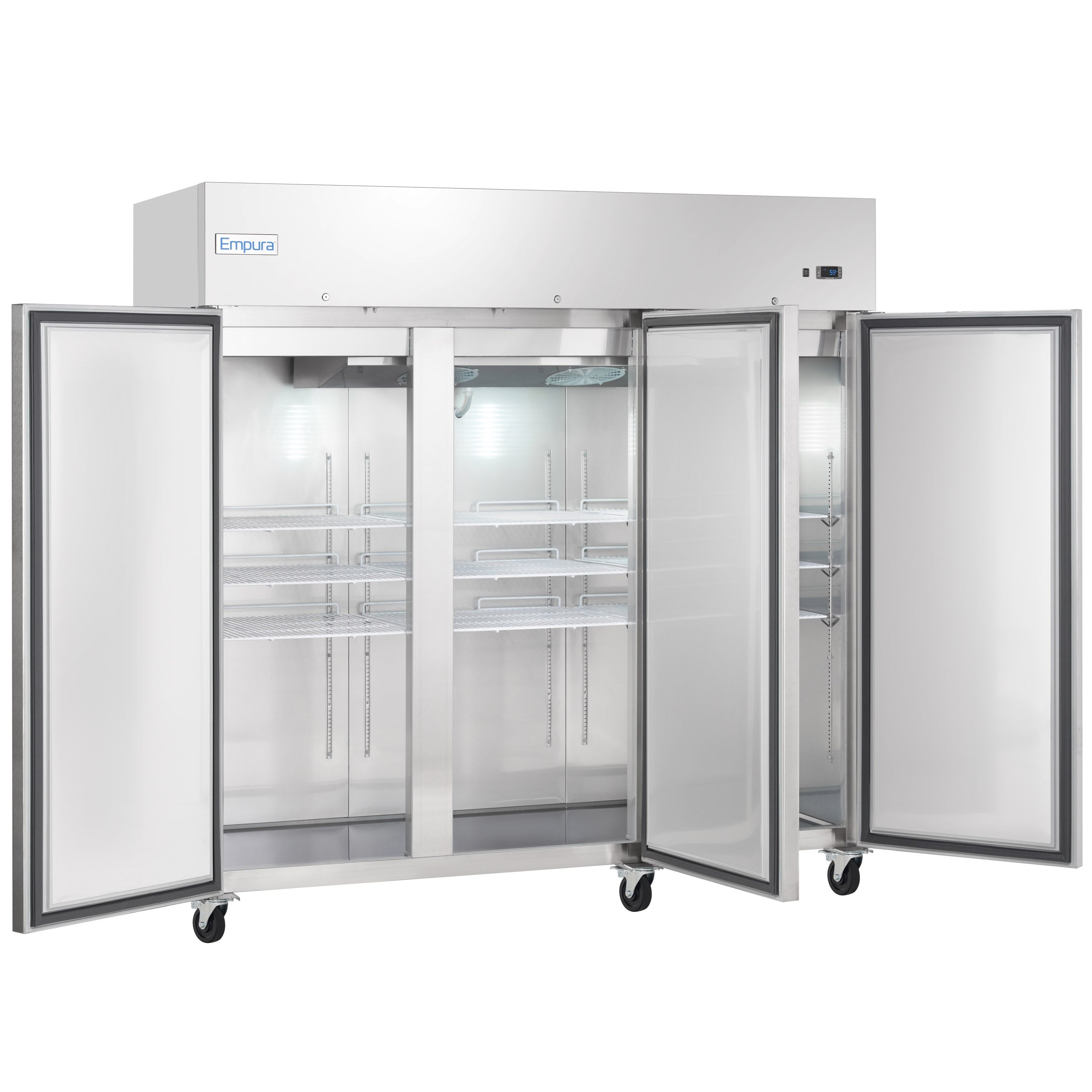
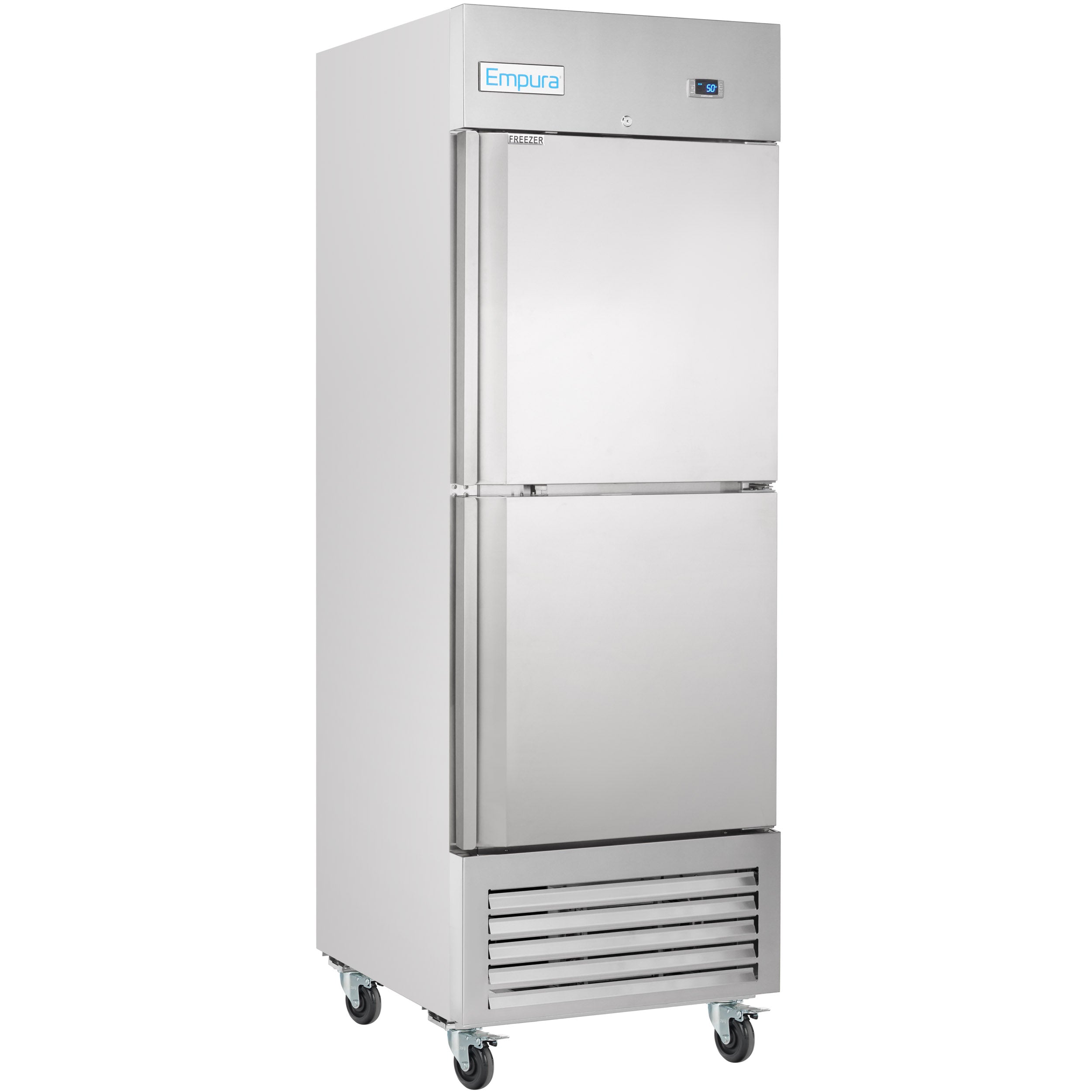
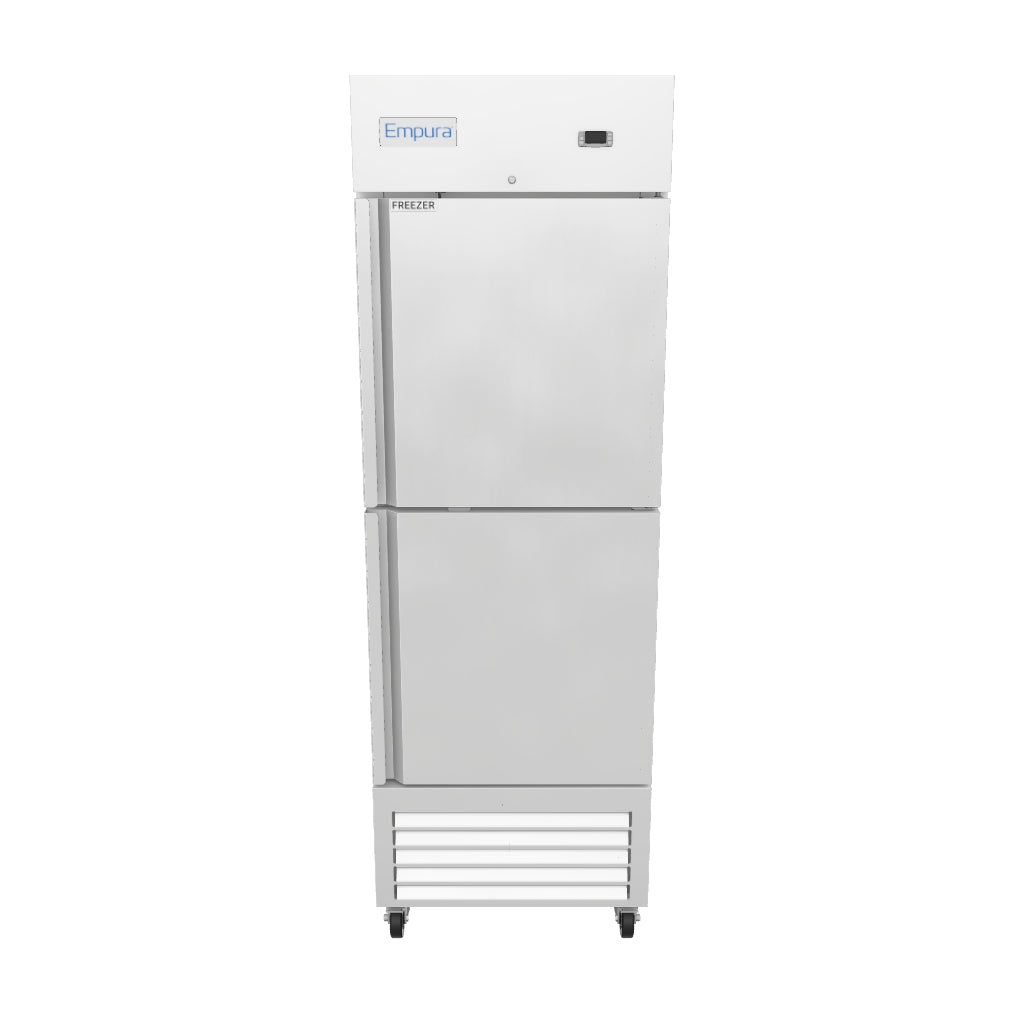
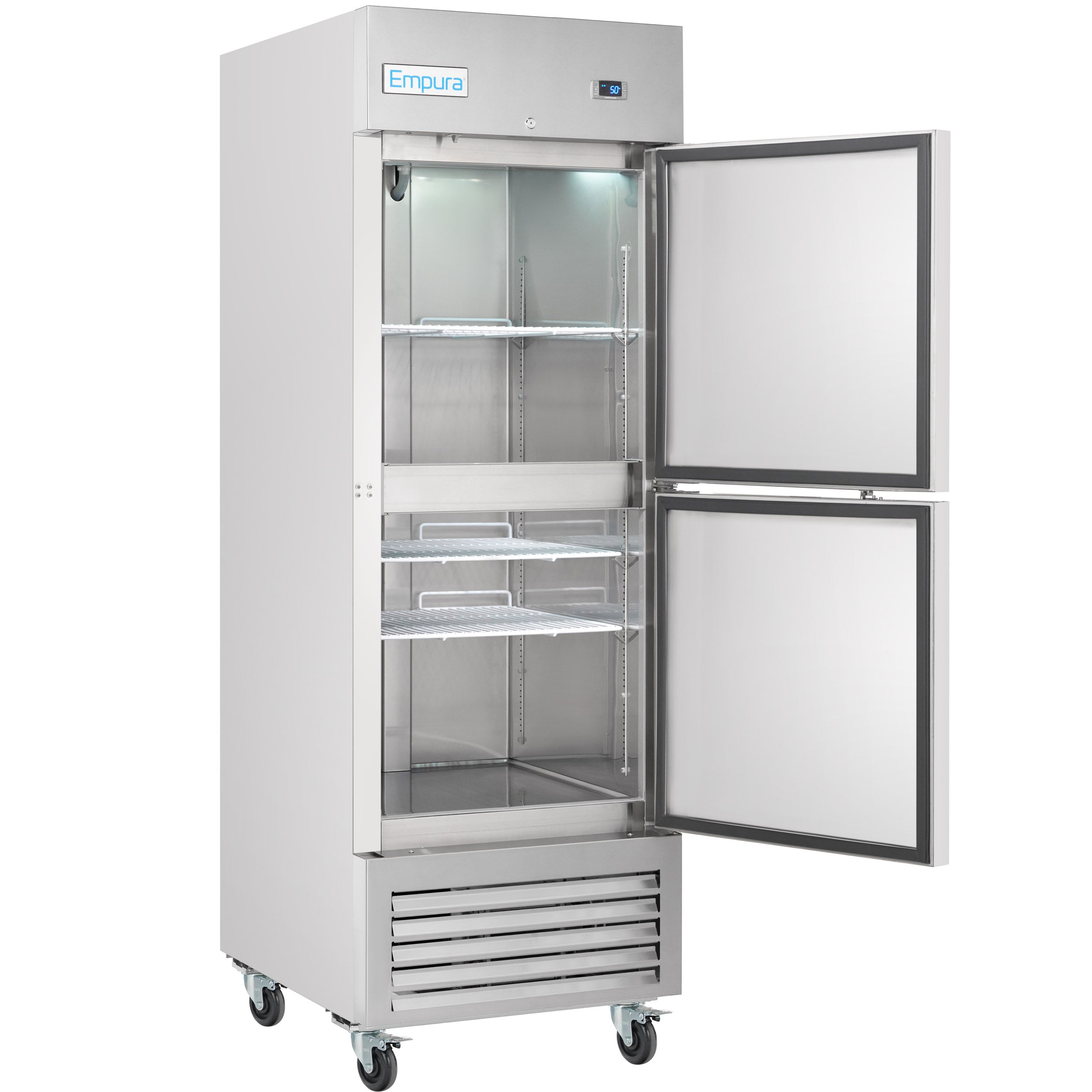
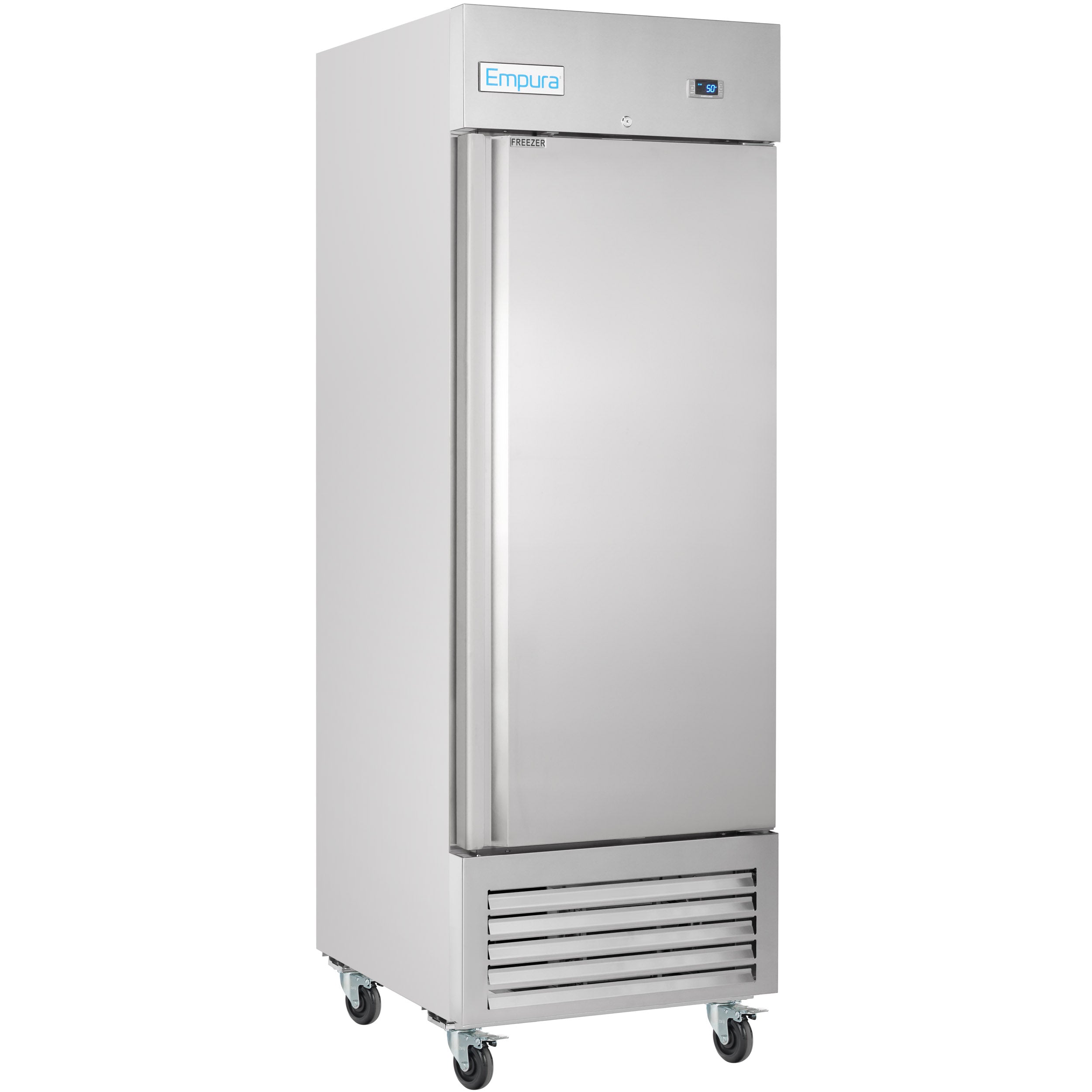
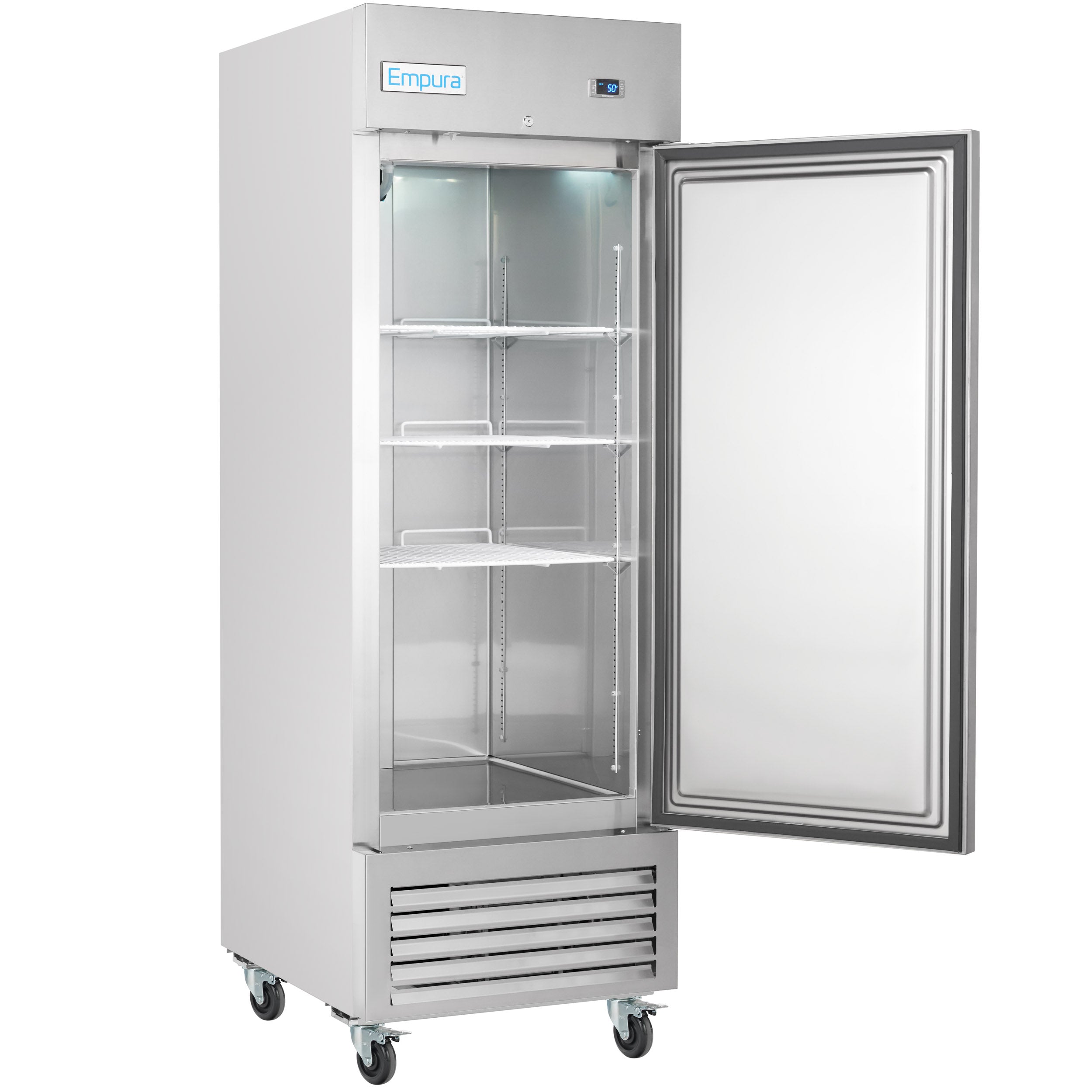
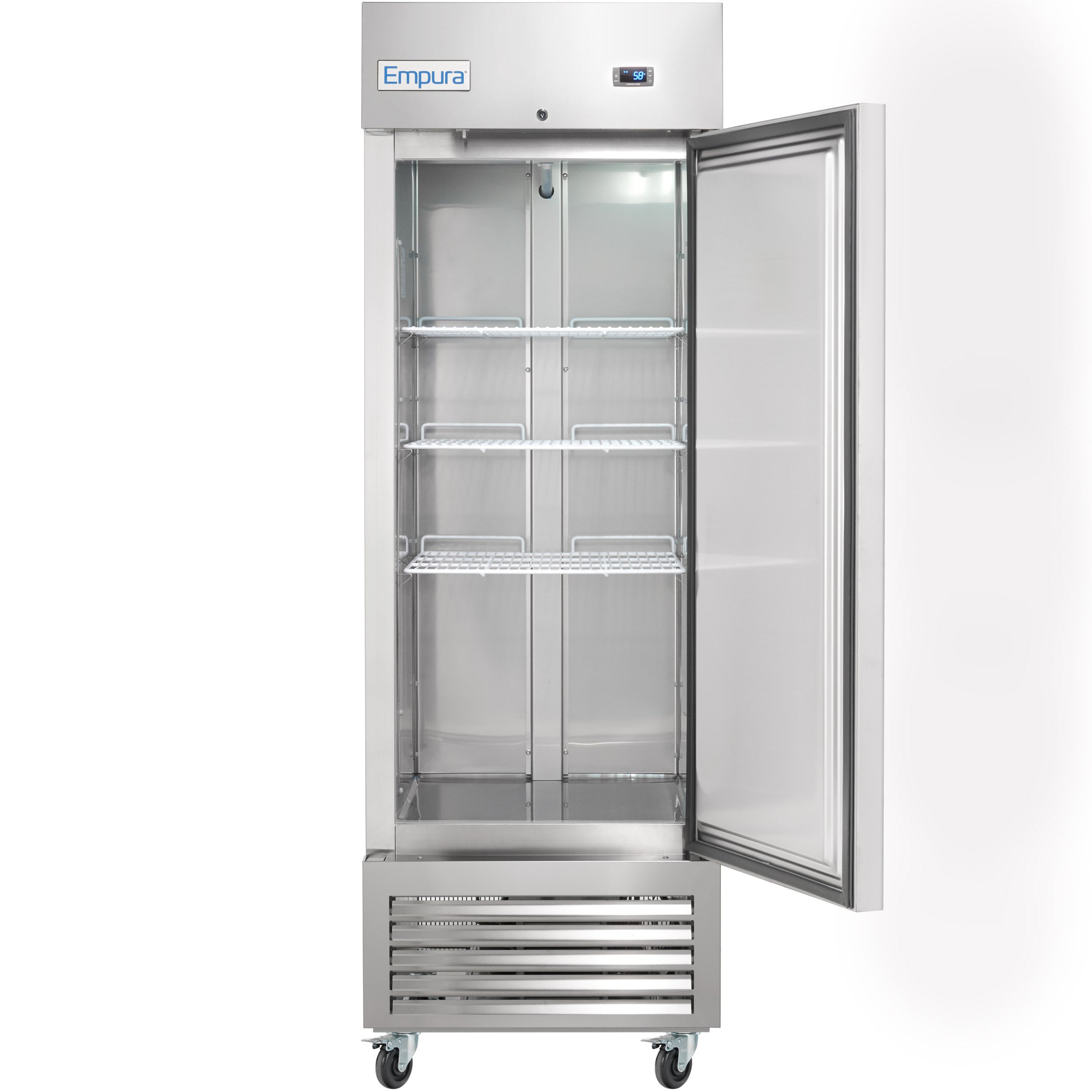
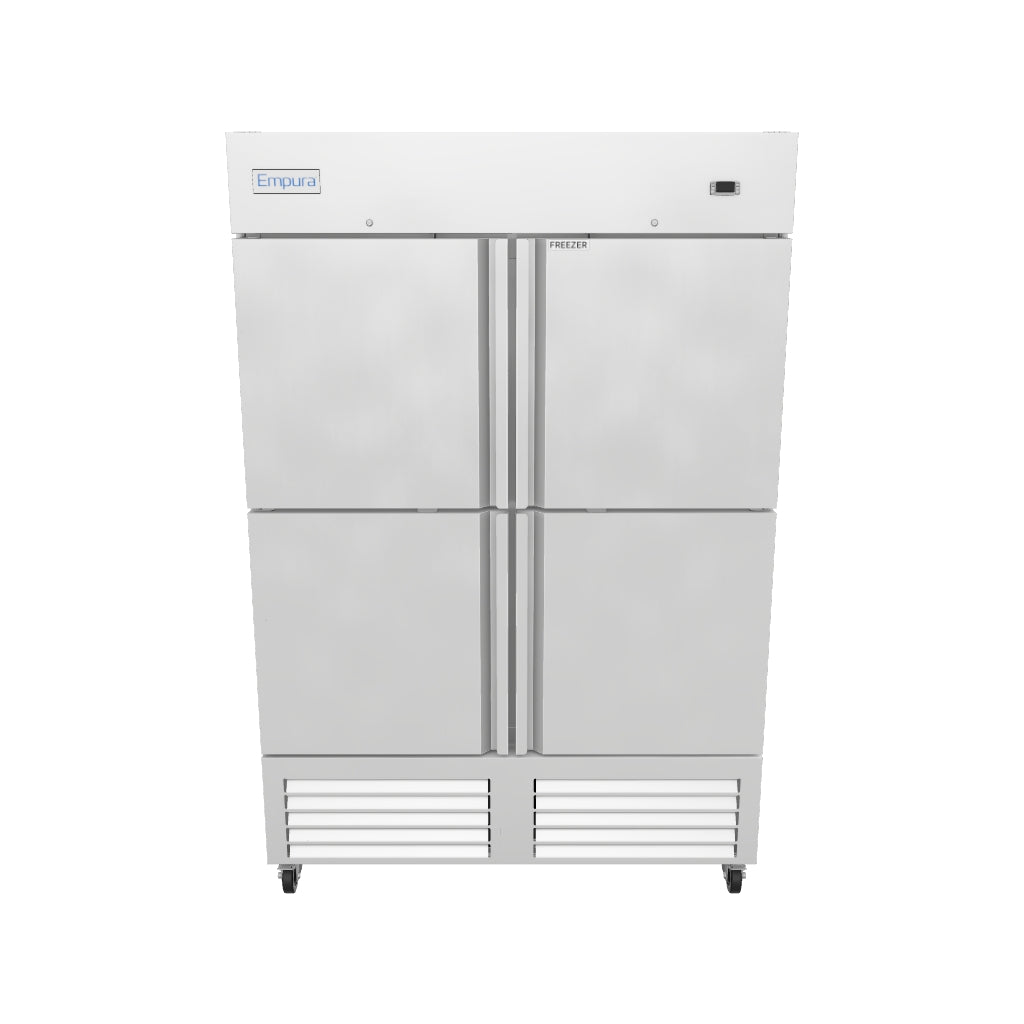
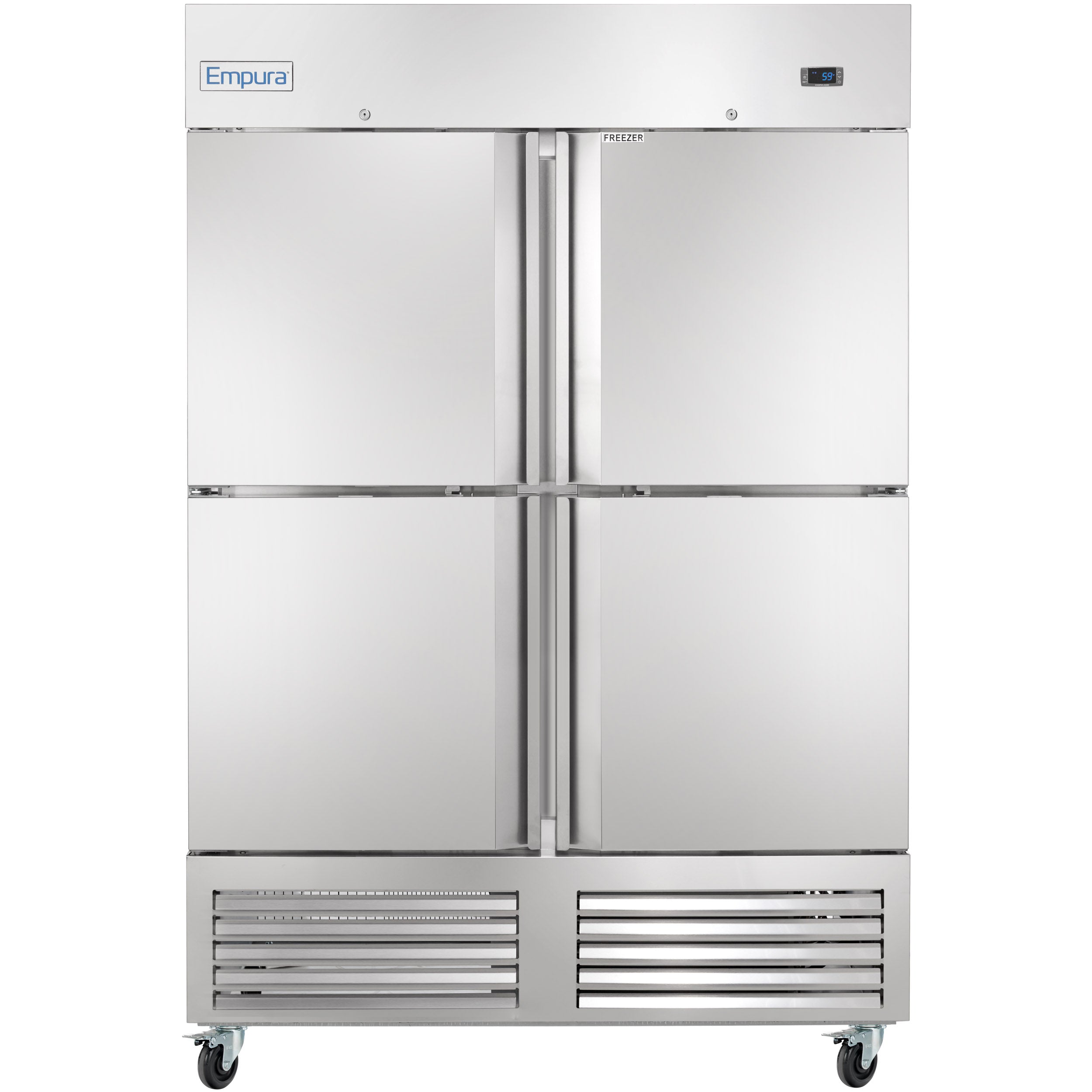
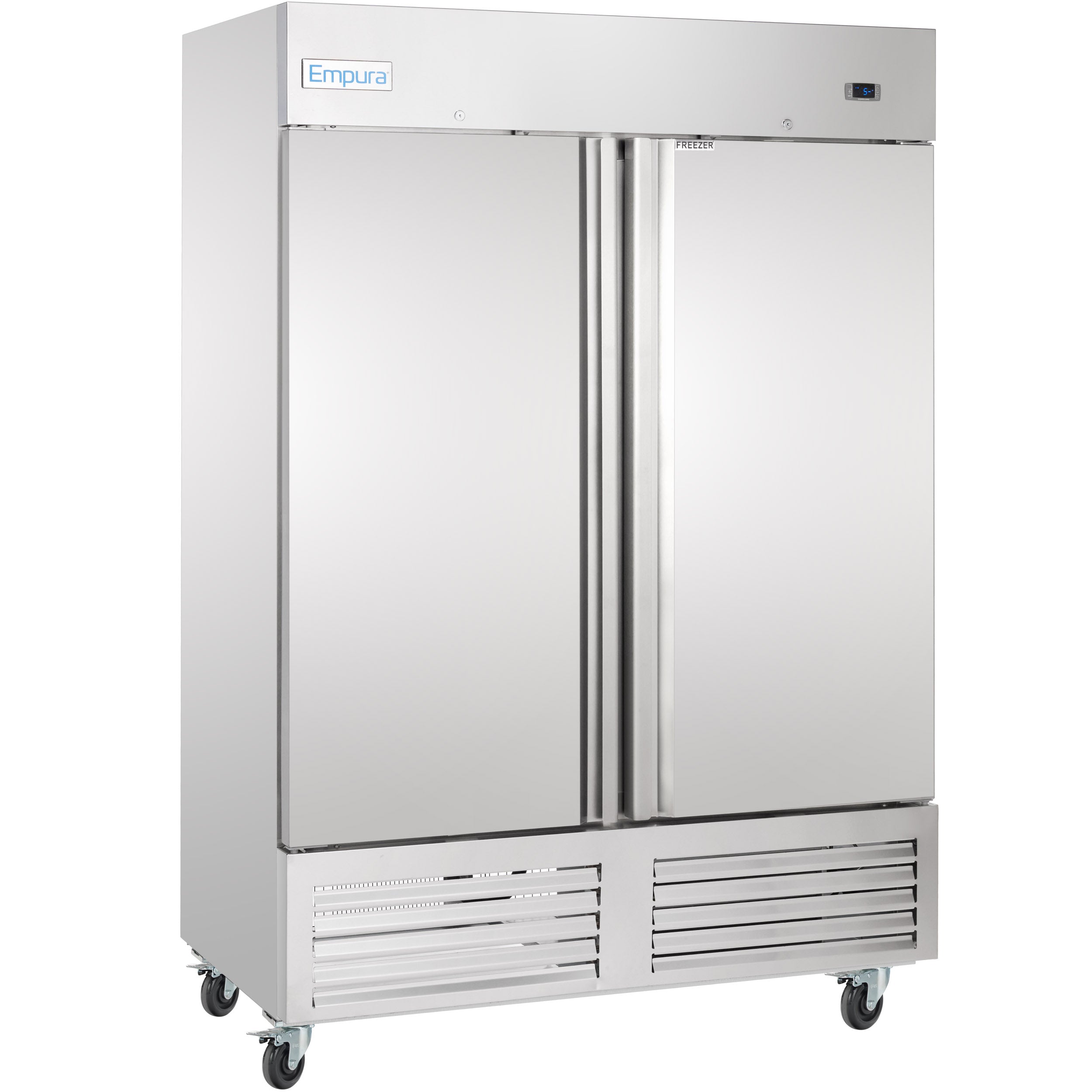
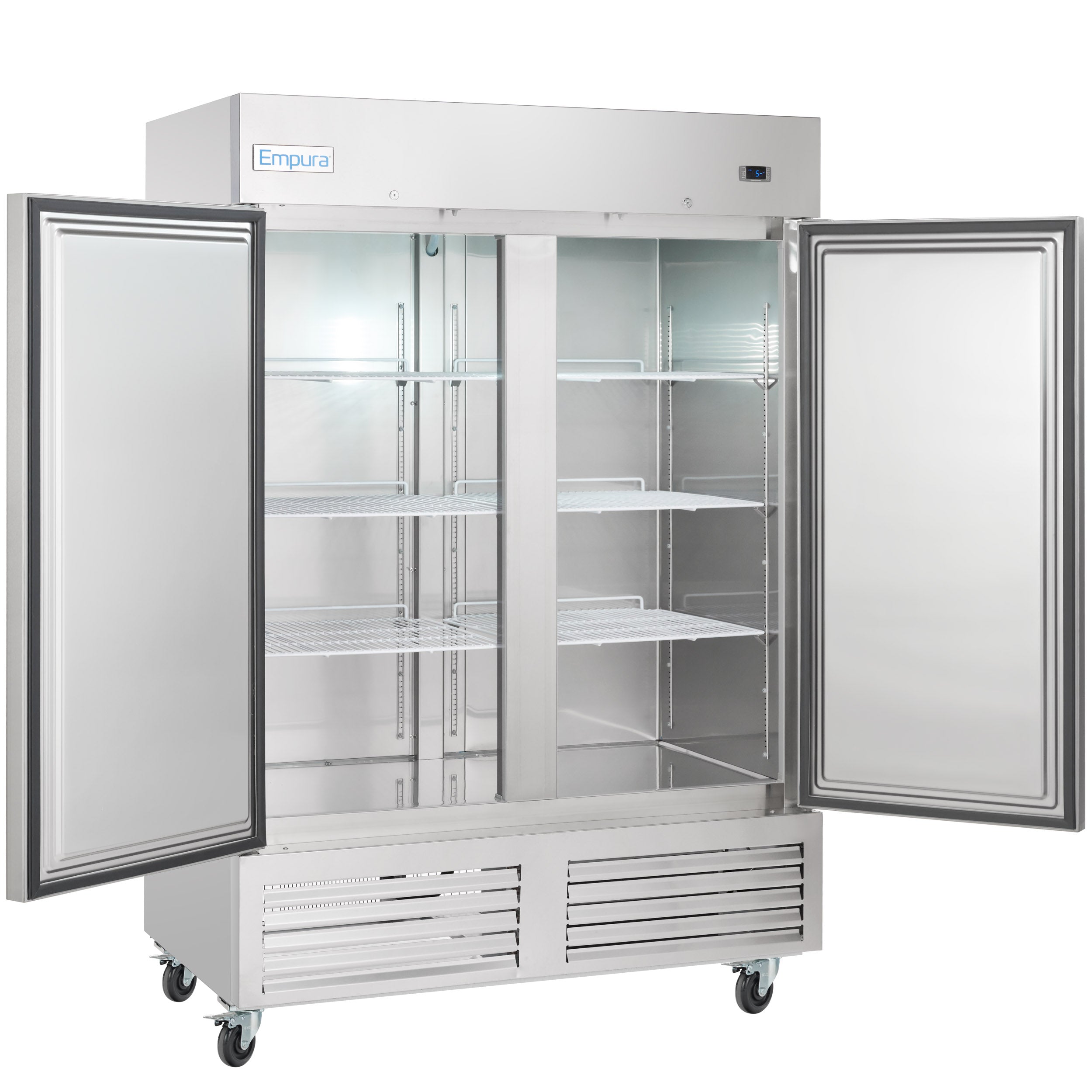
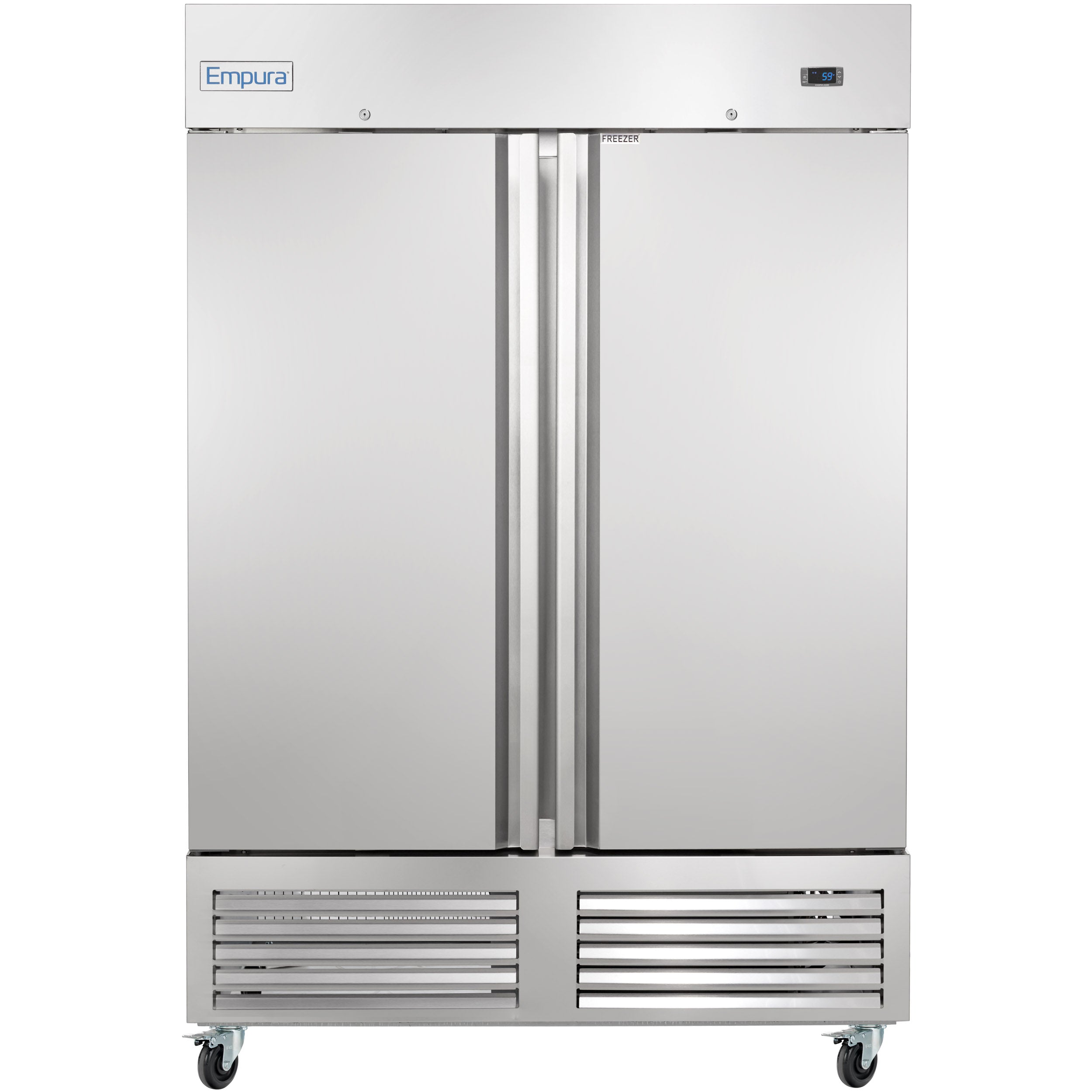
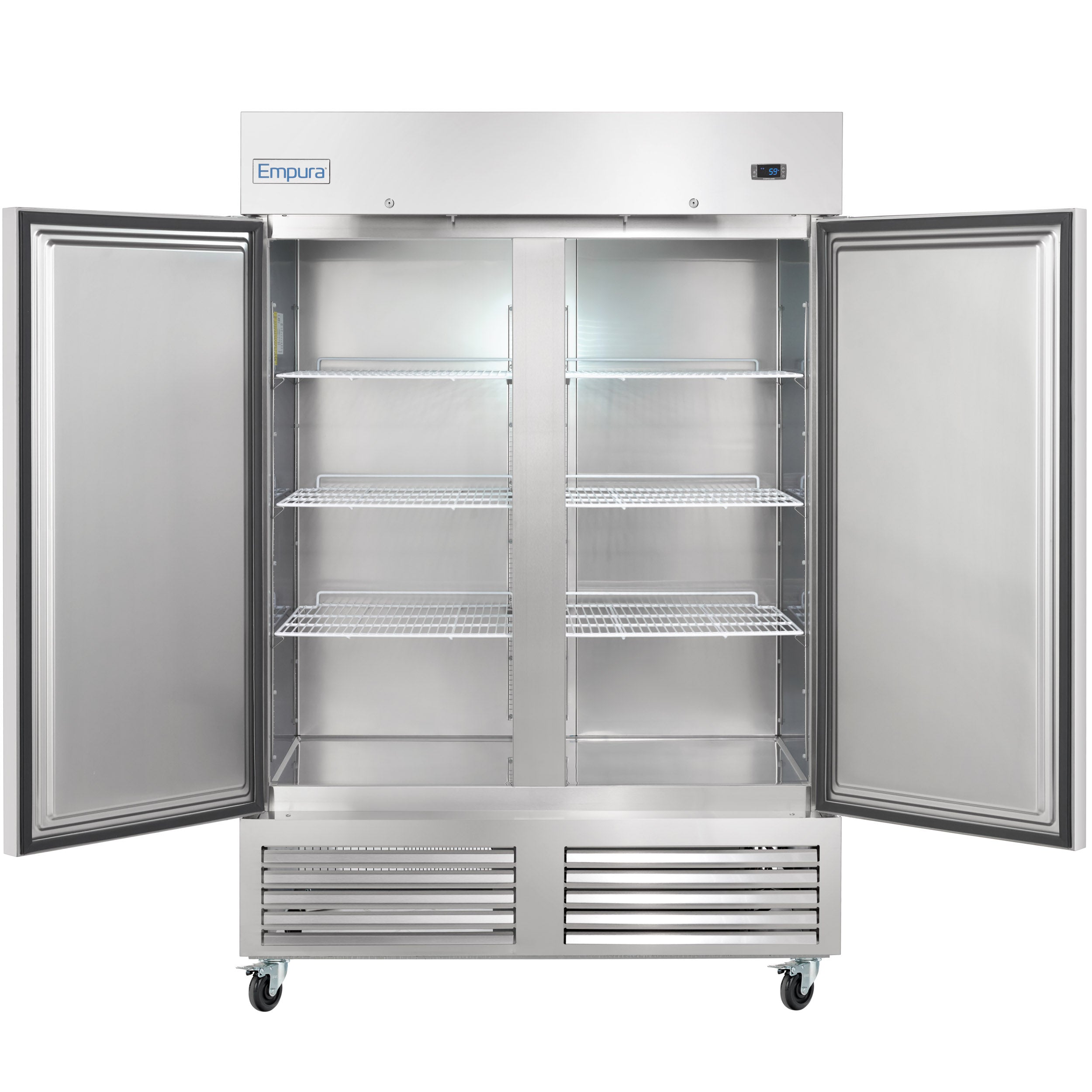
Door count and configuration should match the kitchen's footprint and how frequently staff access frozen storage during service. Full doors provide broad access, while half-door configurations can help limit temperature loss by letting staff open only one section. Compressor location, shelf layout, electrical requirements, and installation clearances also affect fit, workflow, and service access.
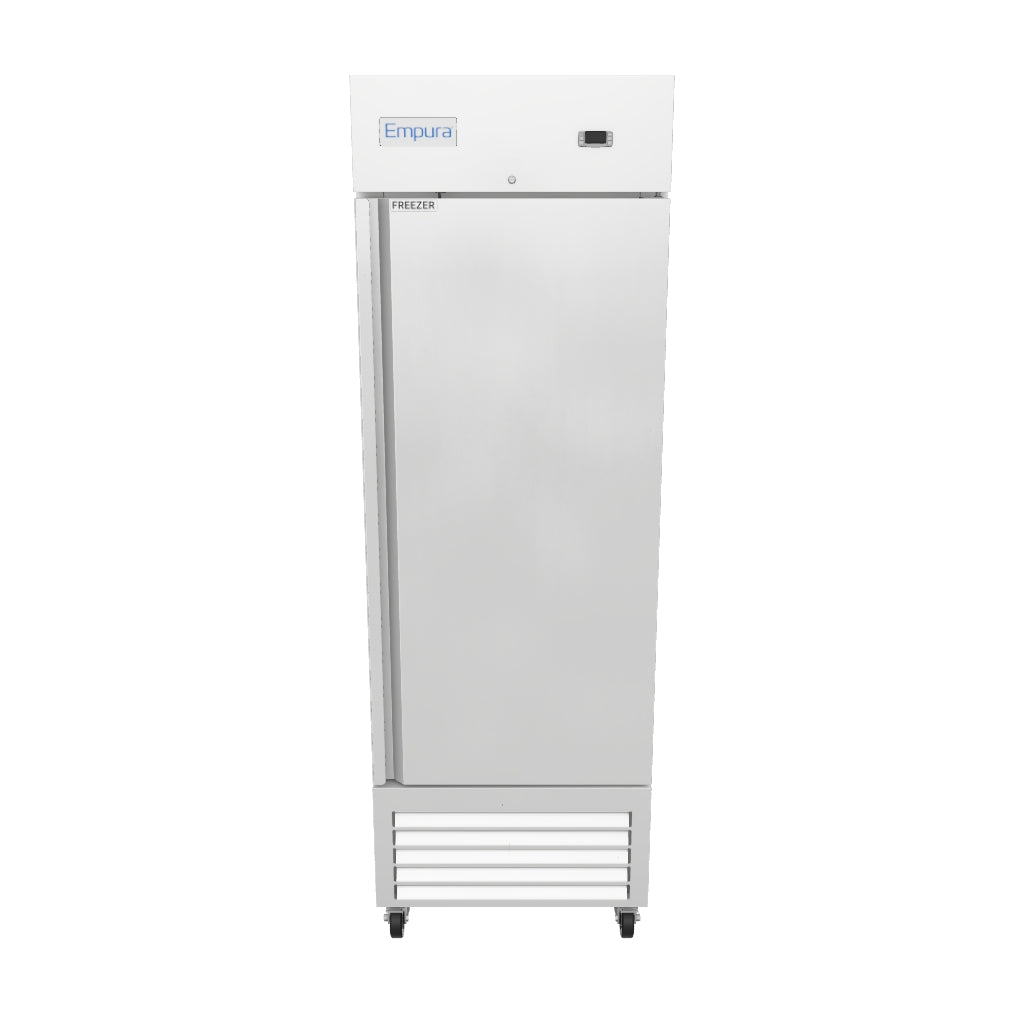
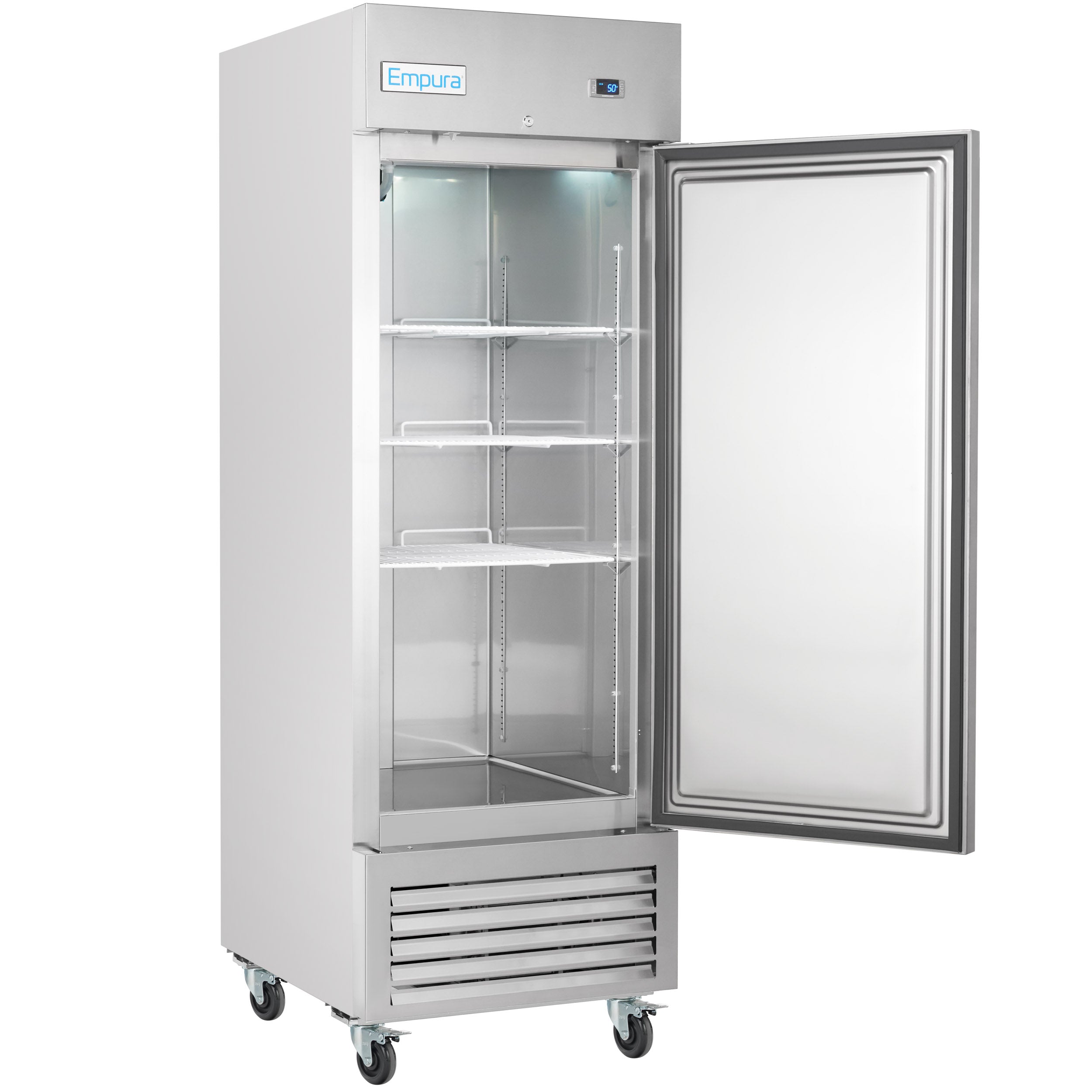
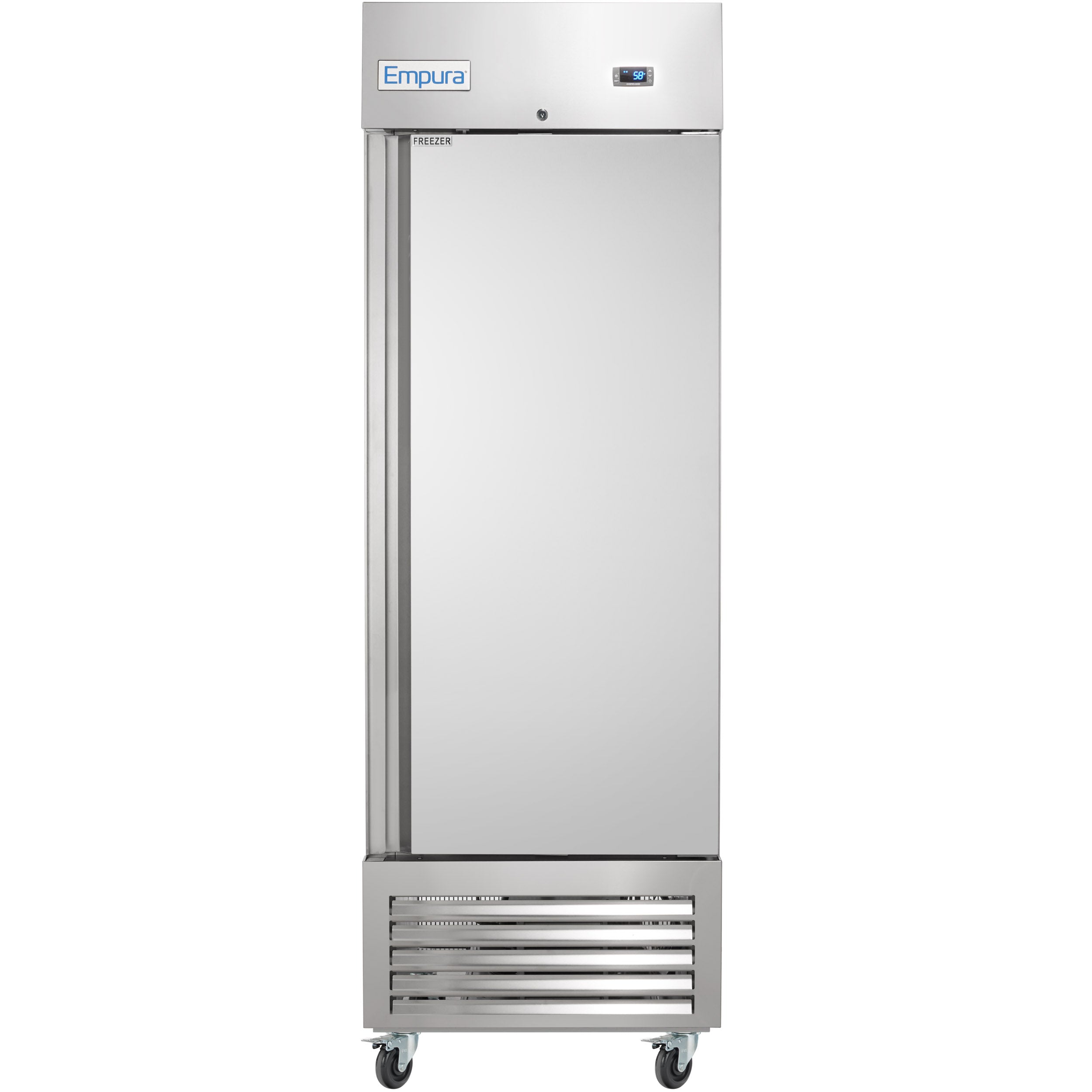
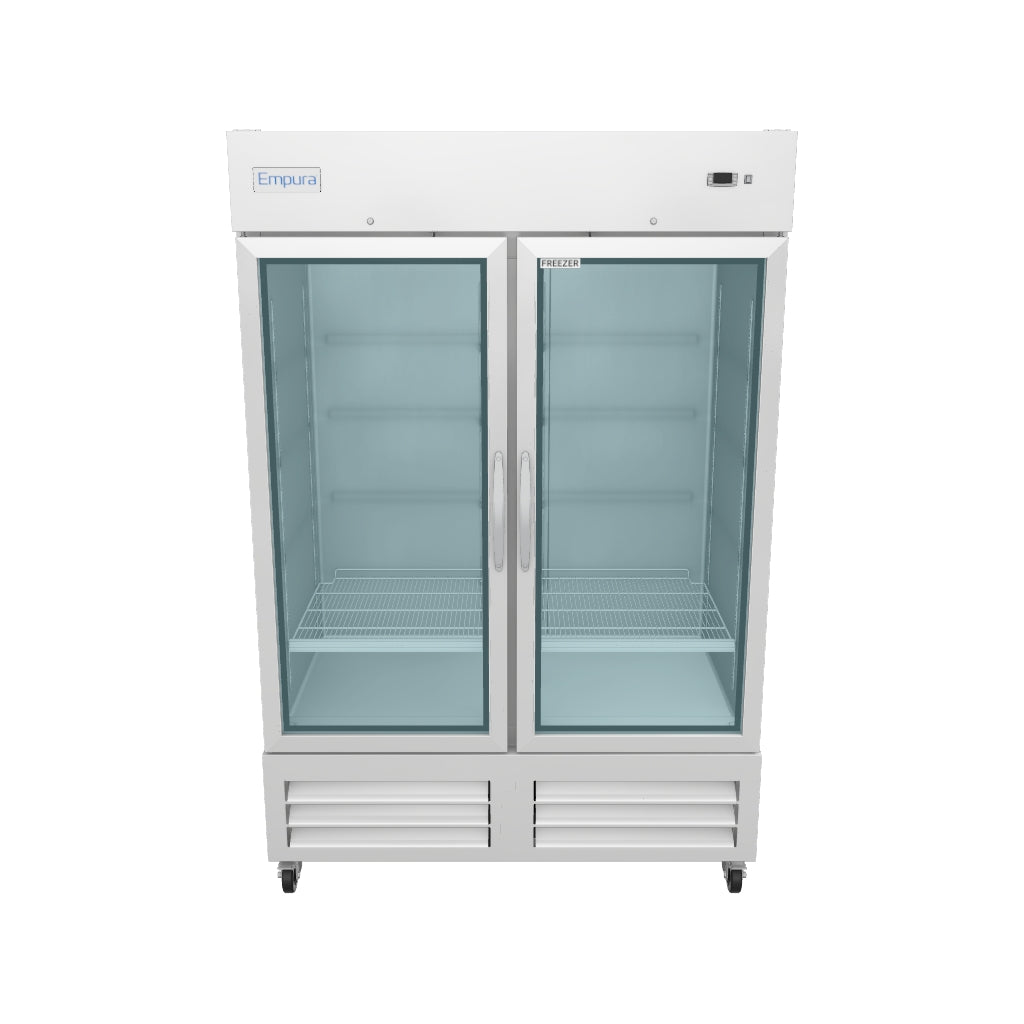
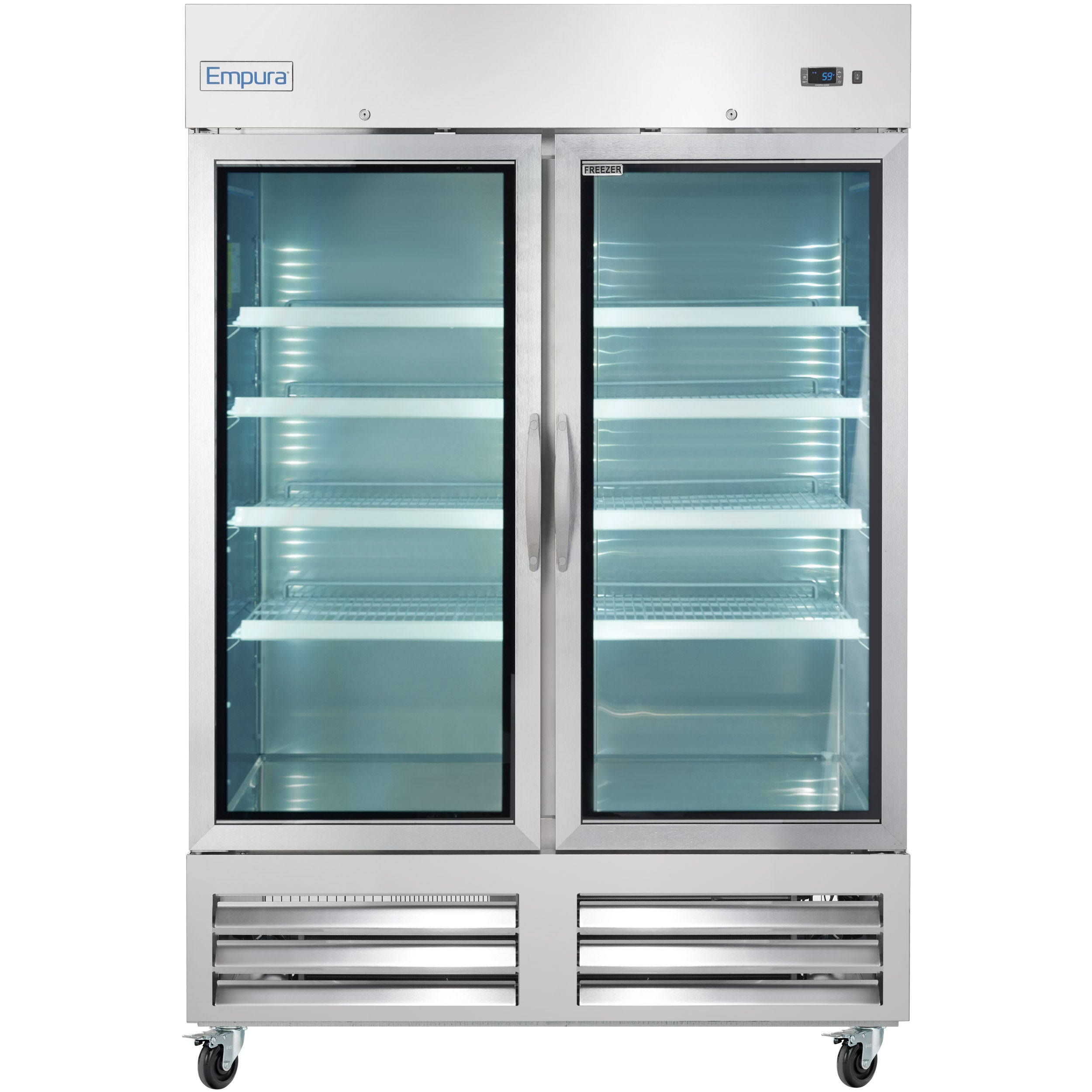
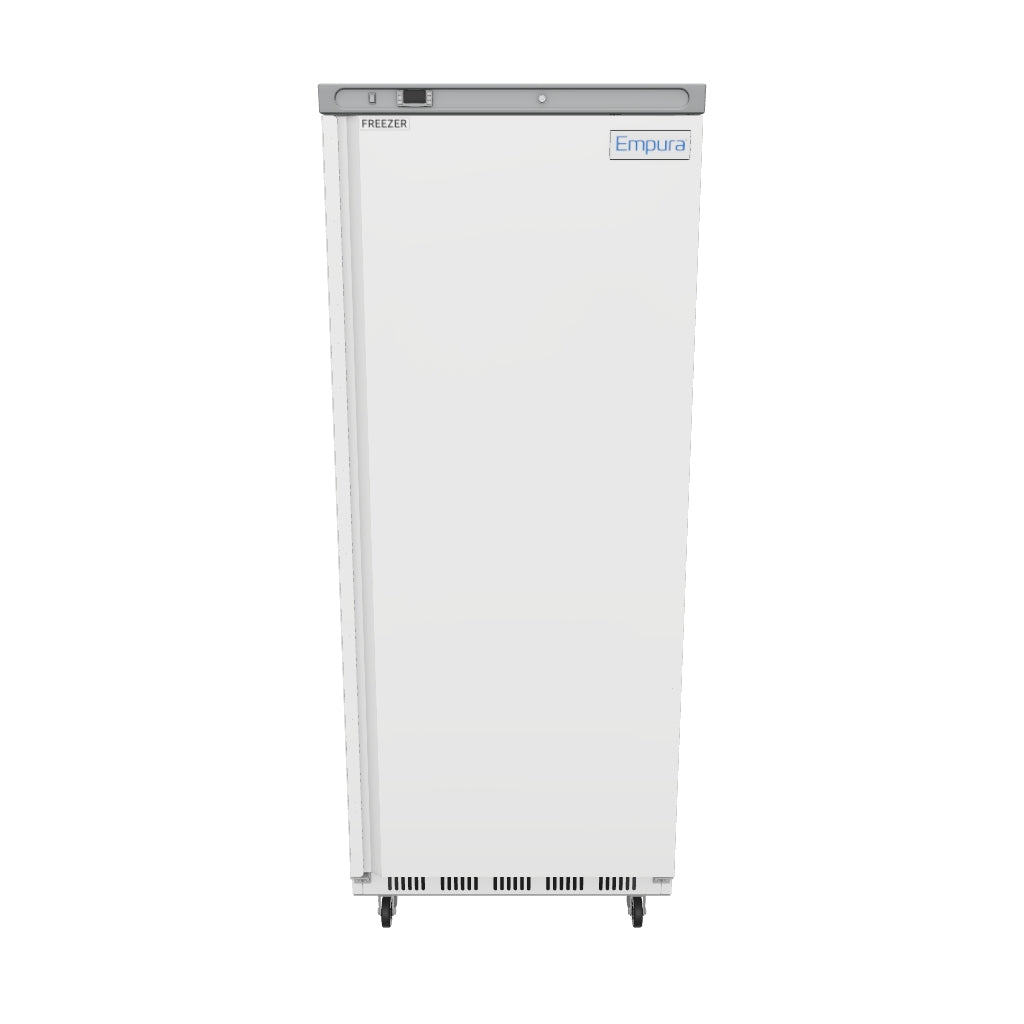
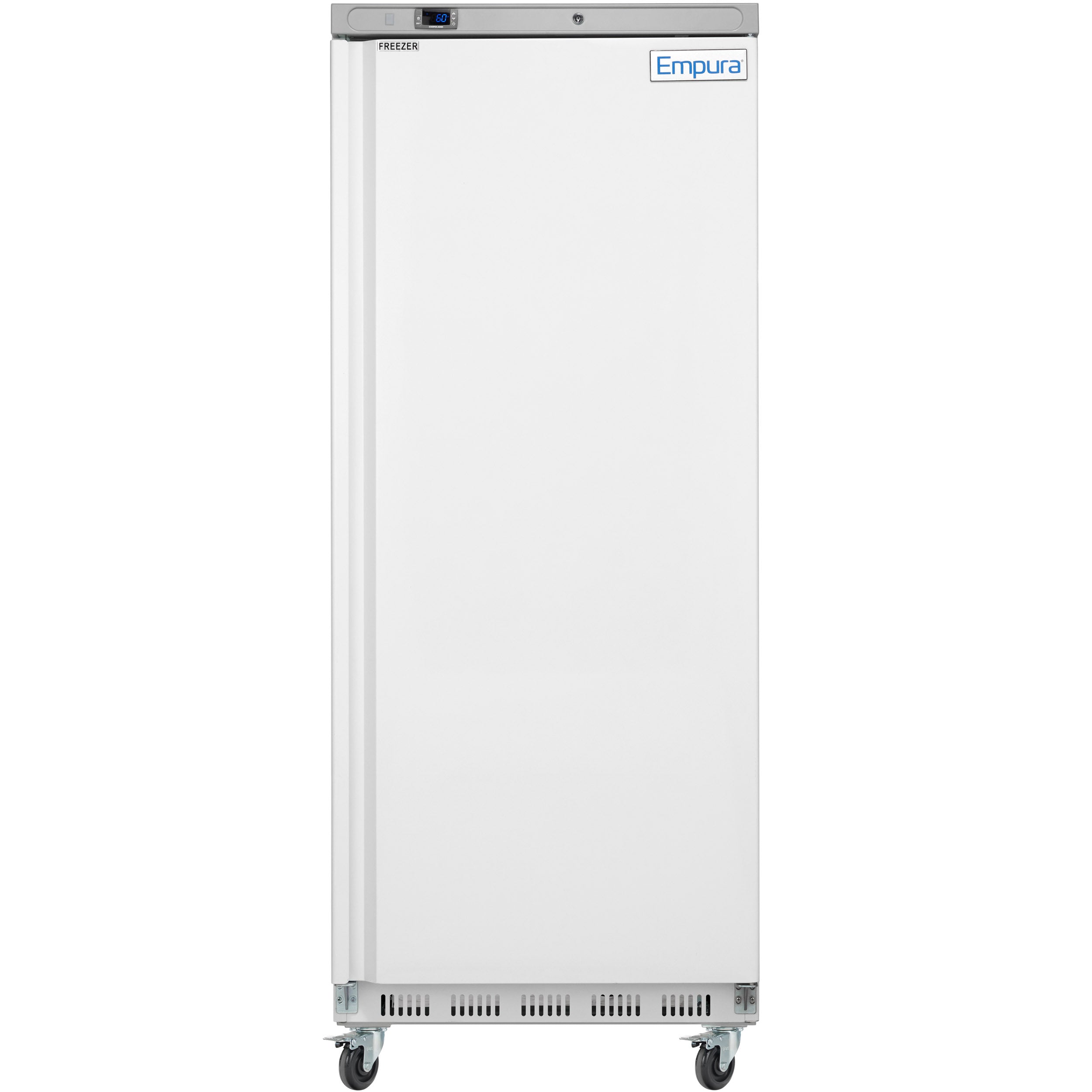
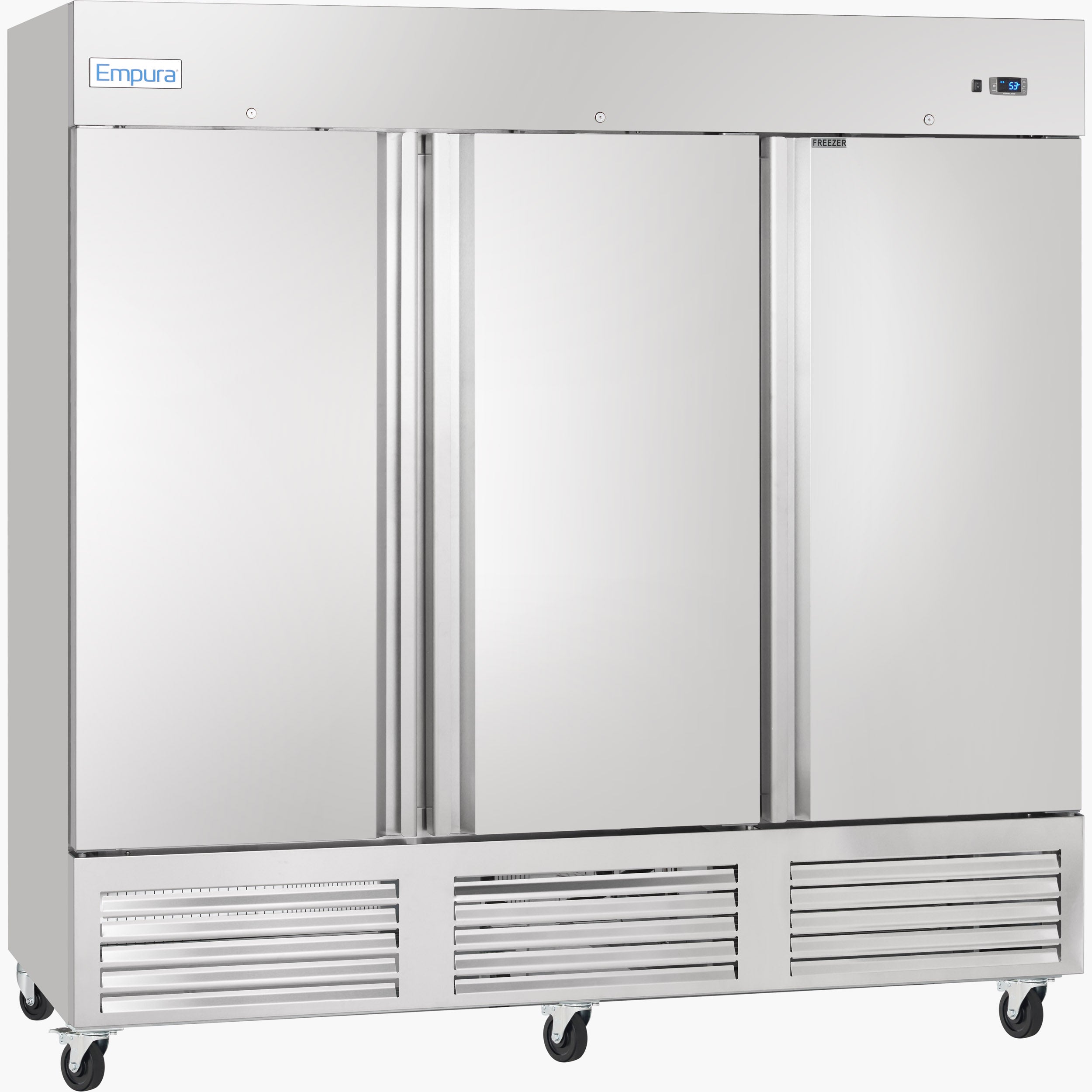
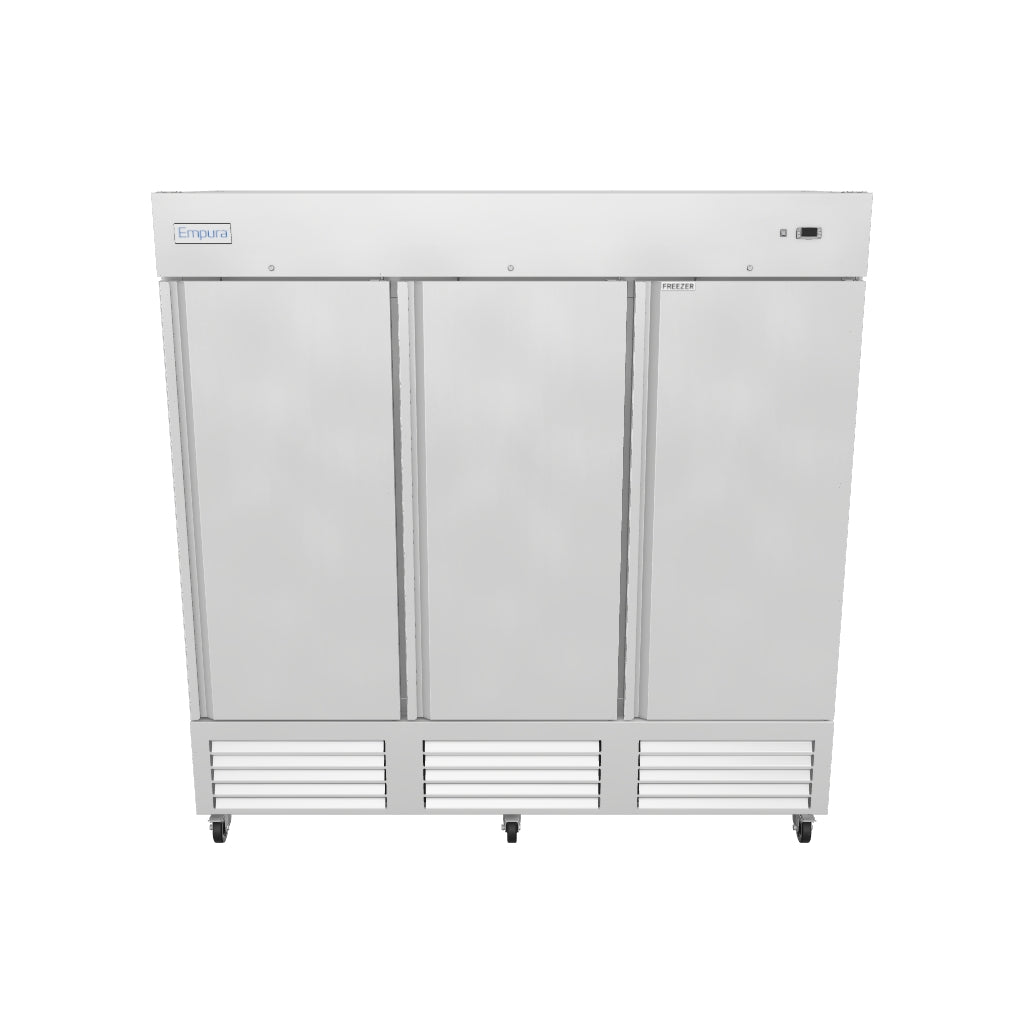
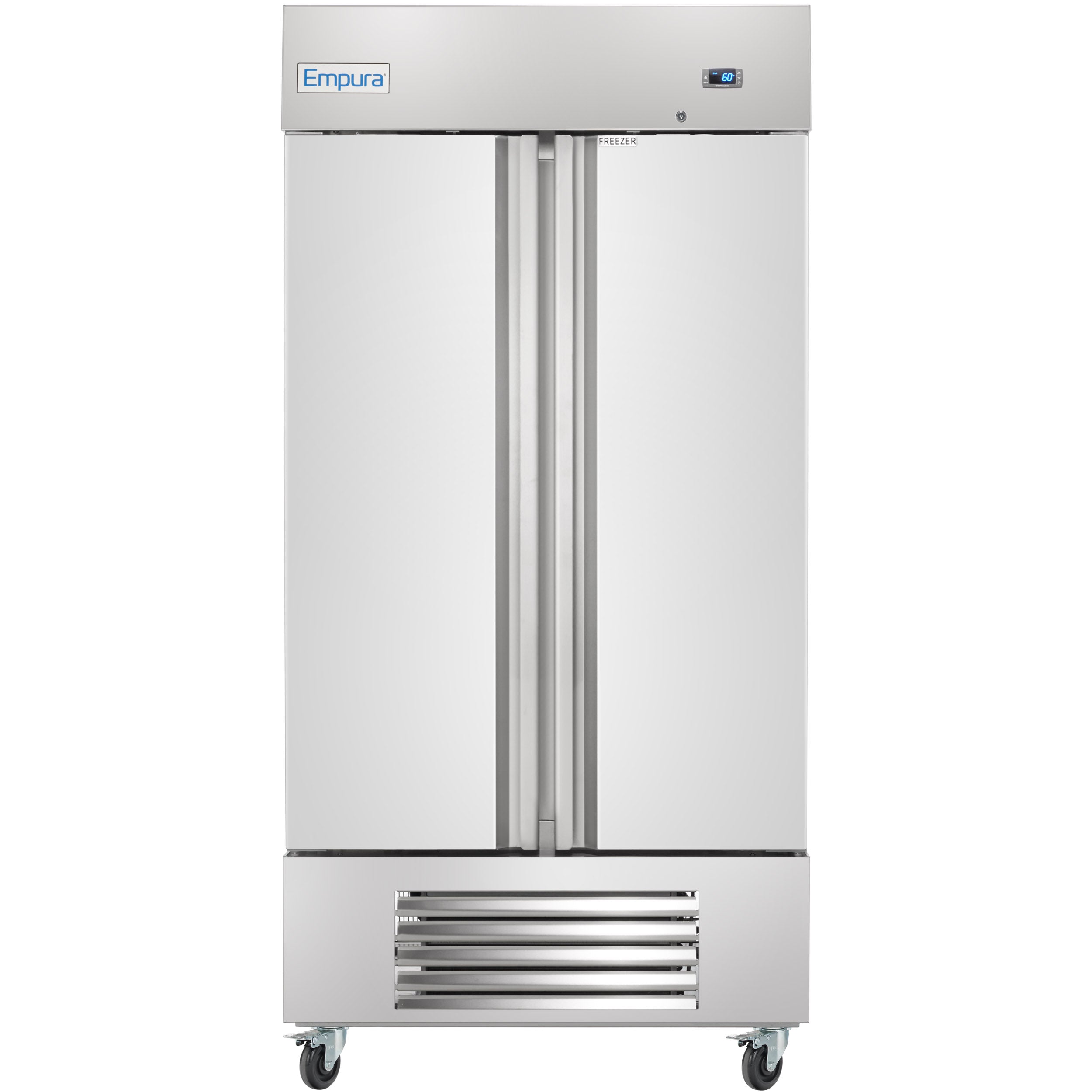
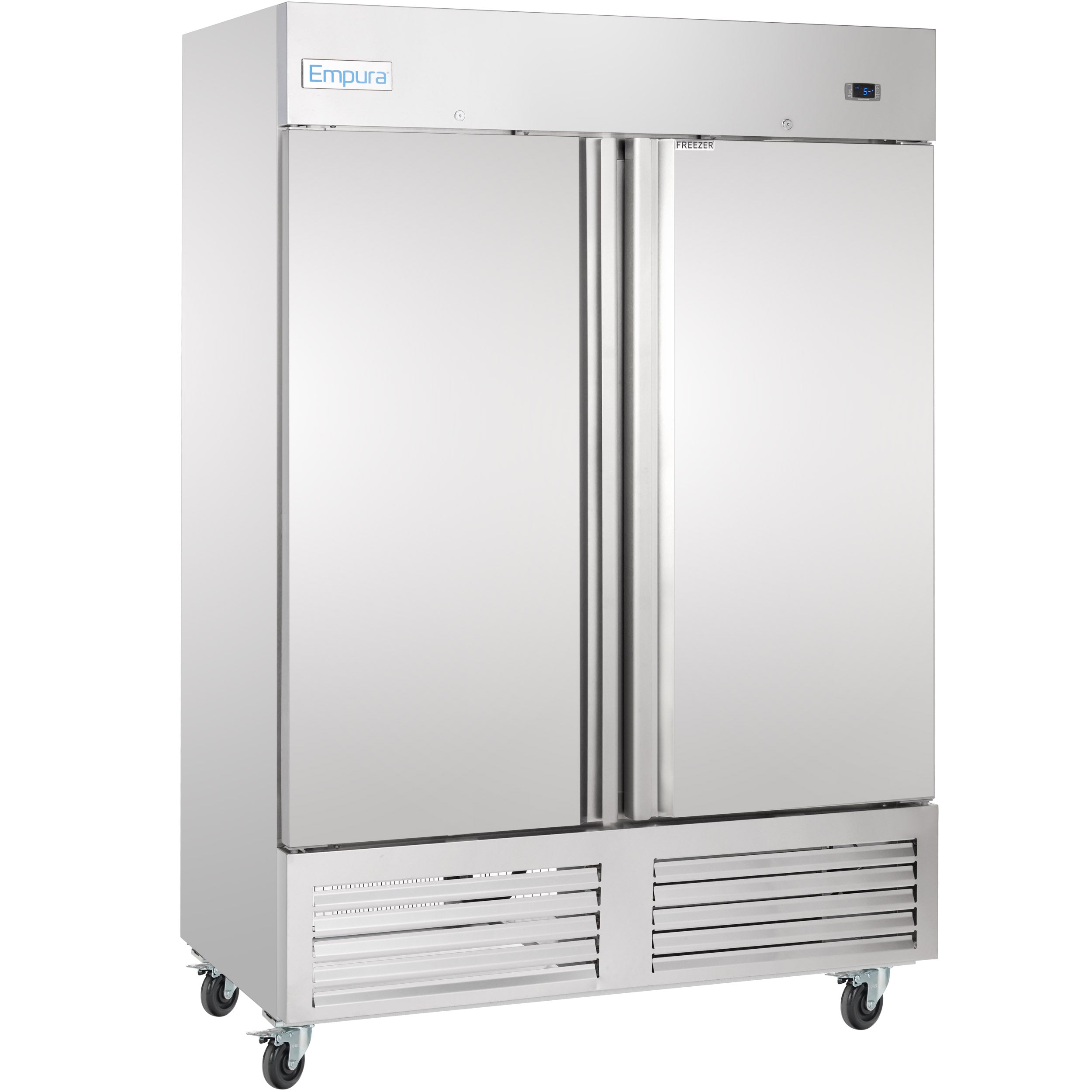
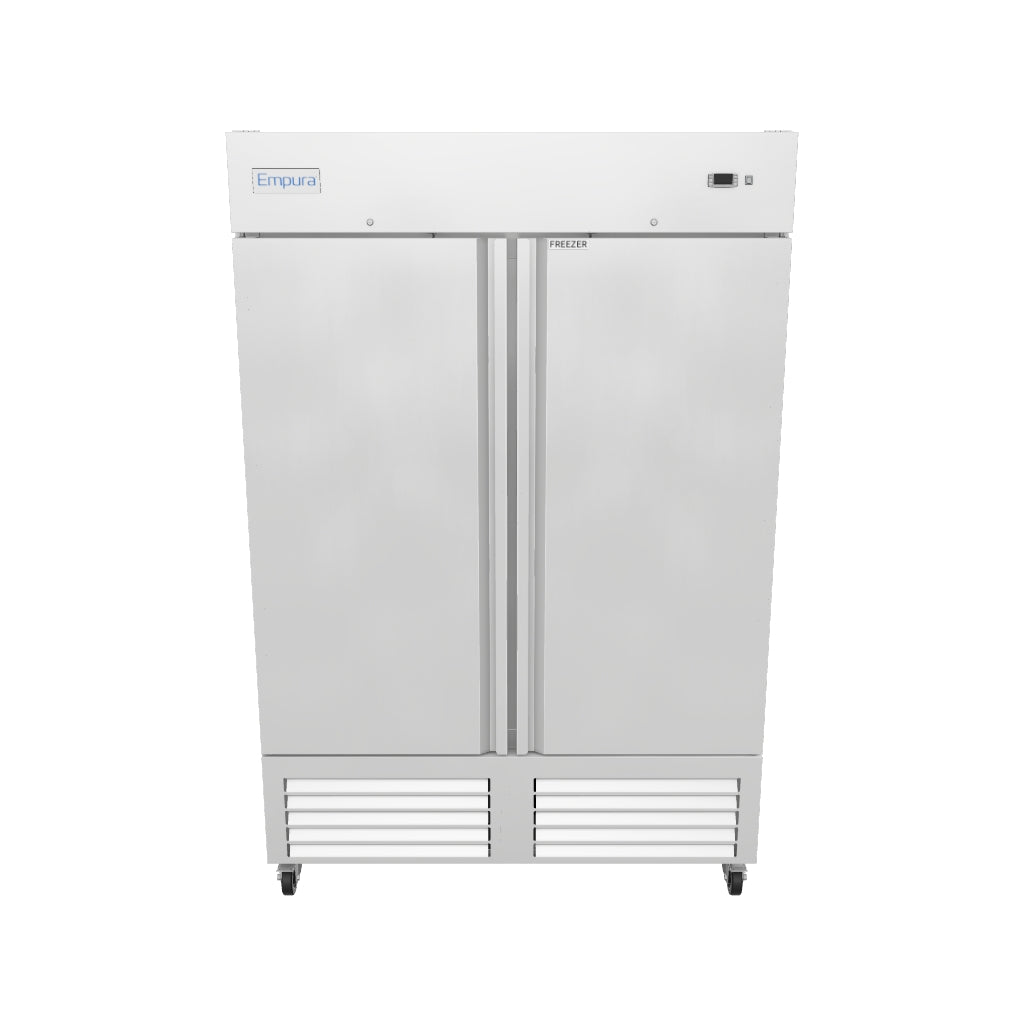
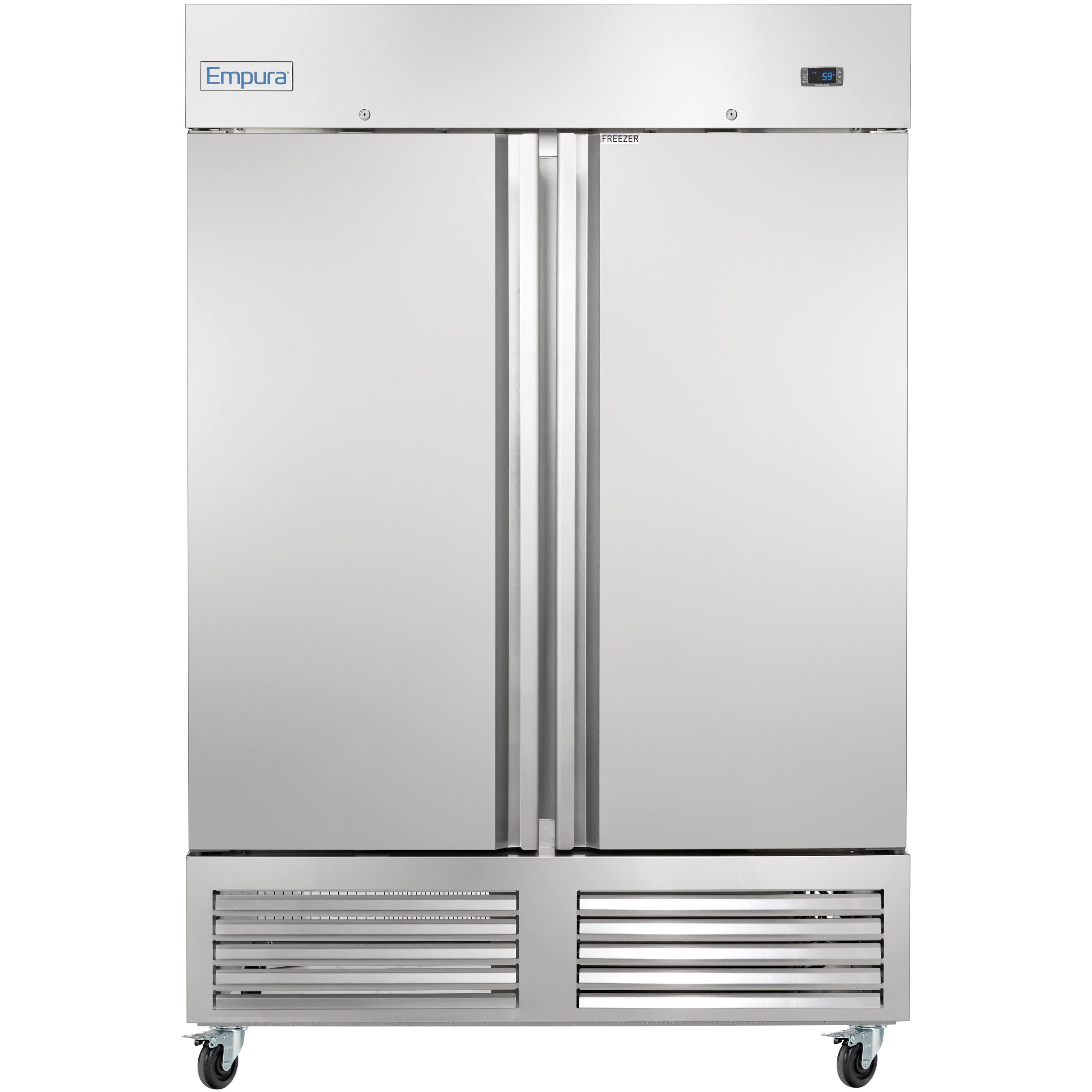
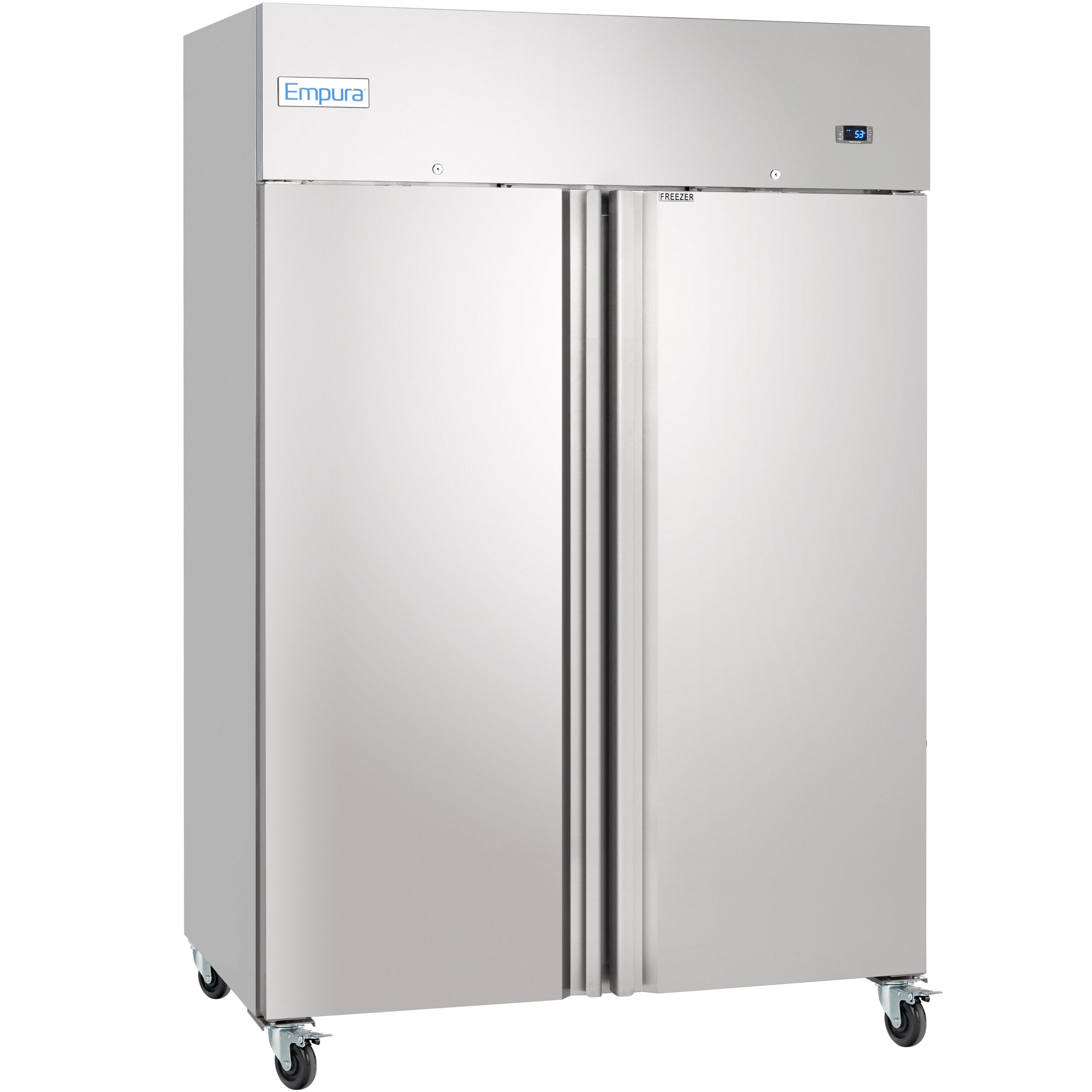
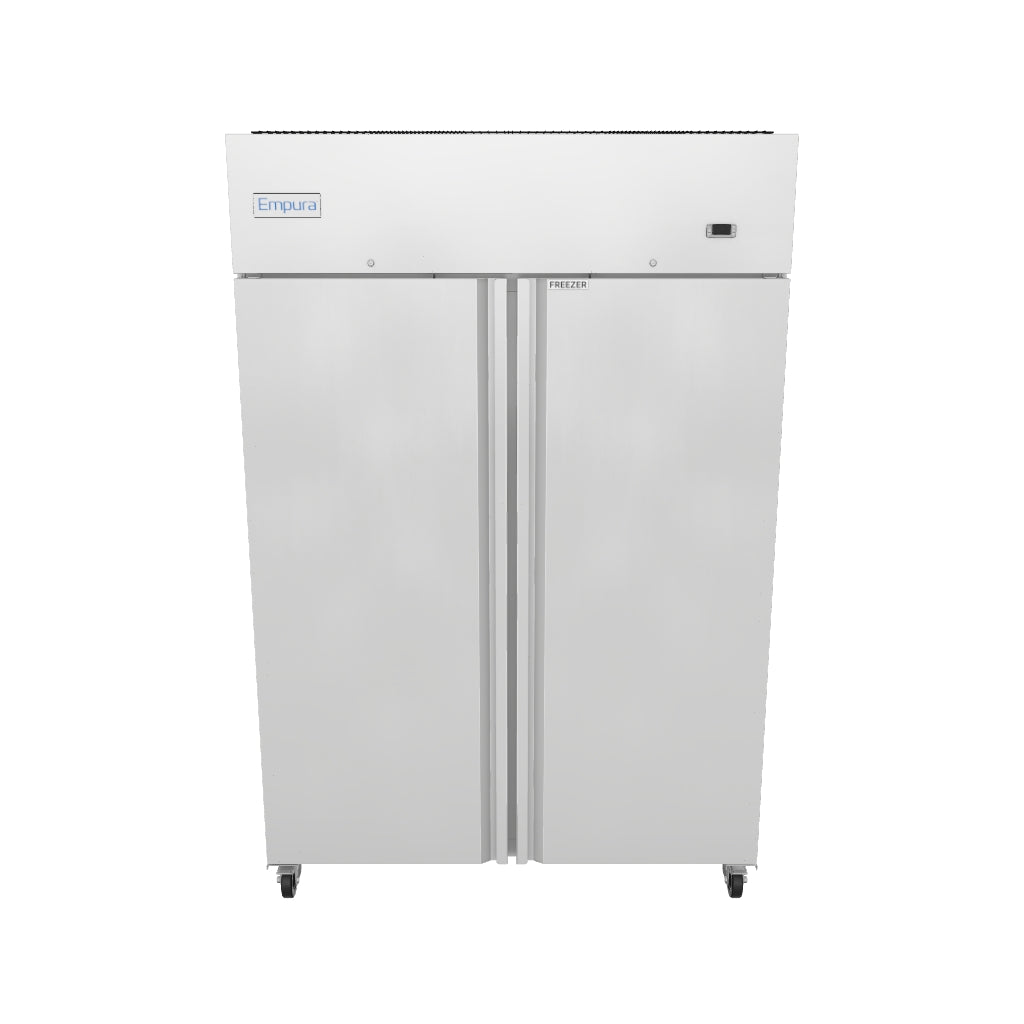
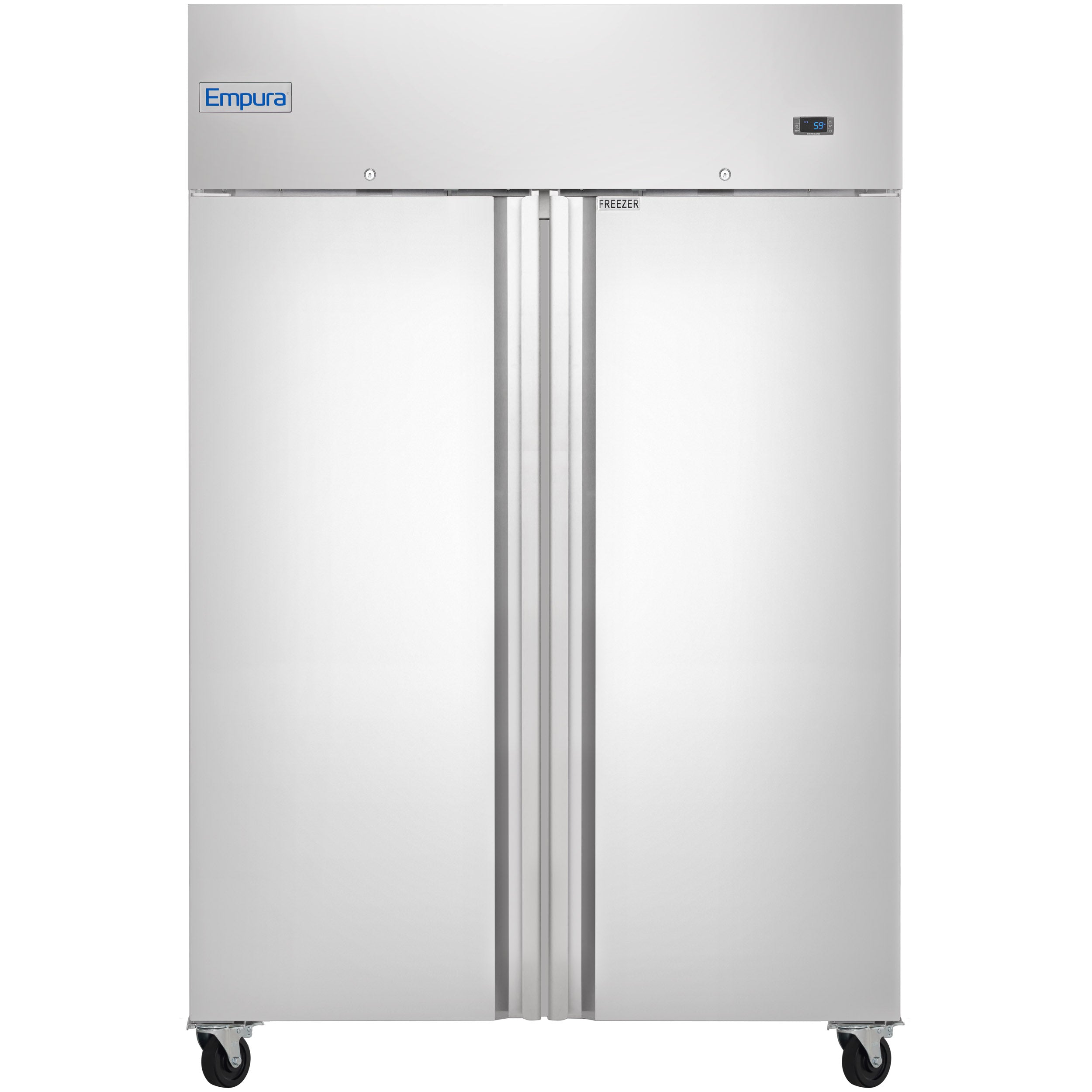
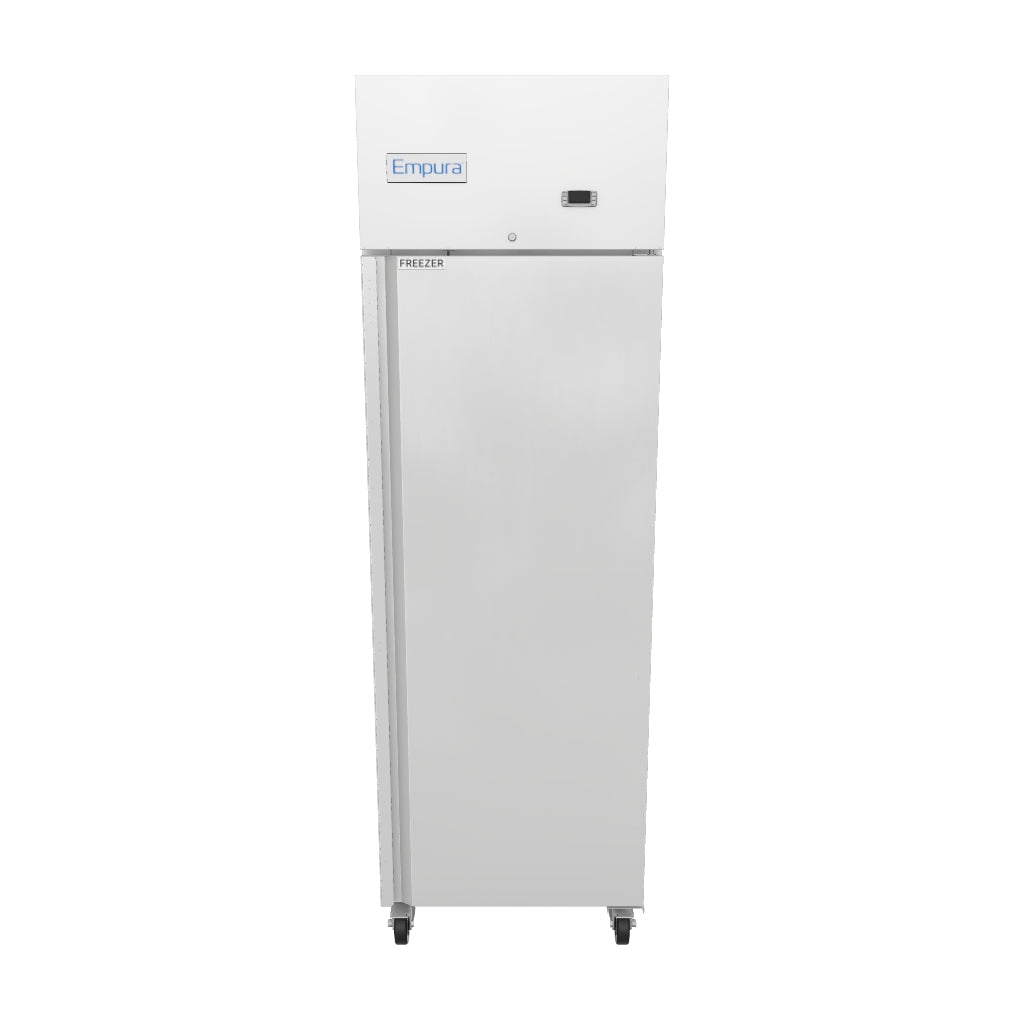
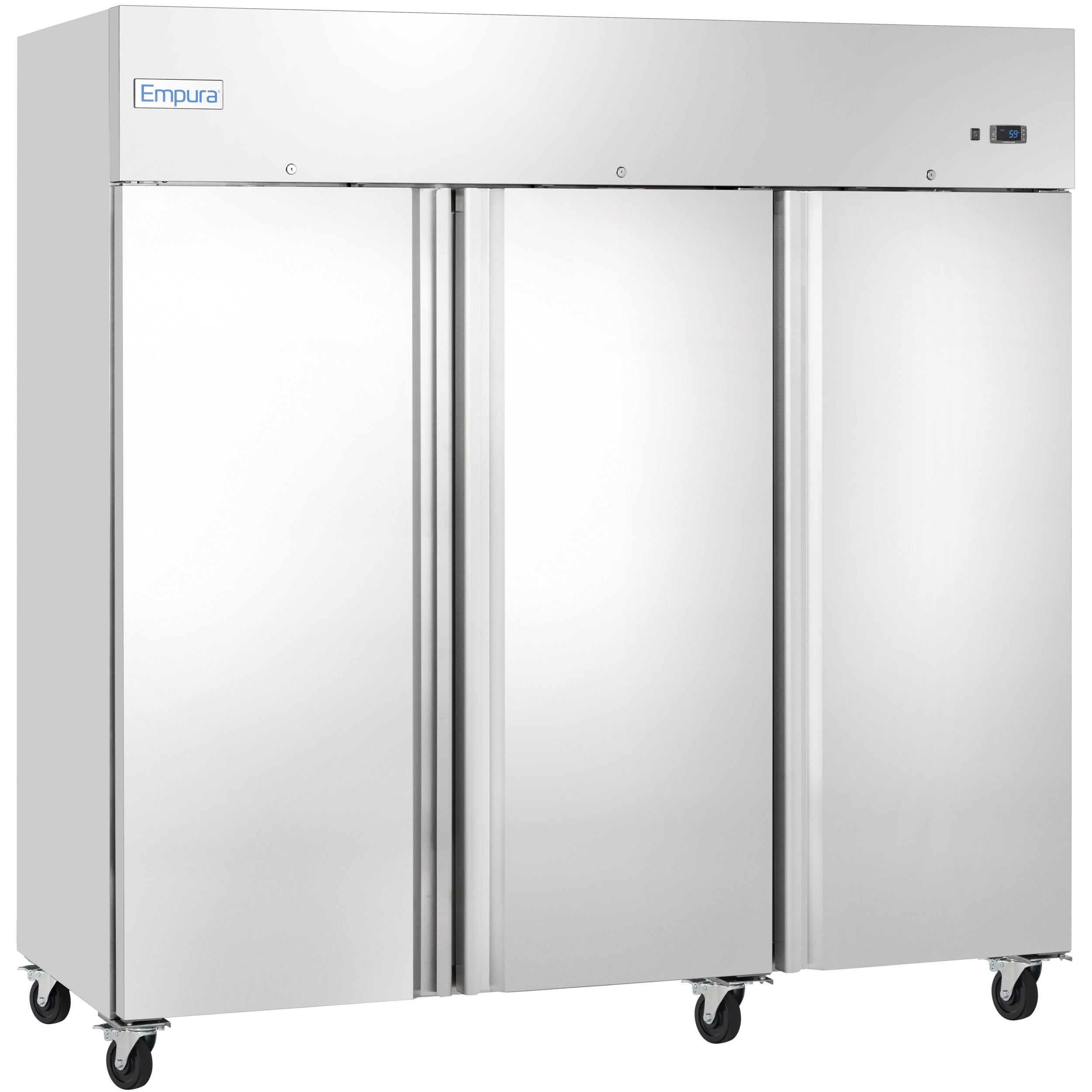
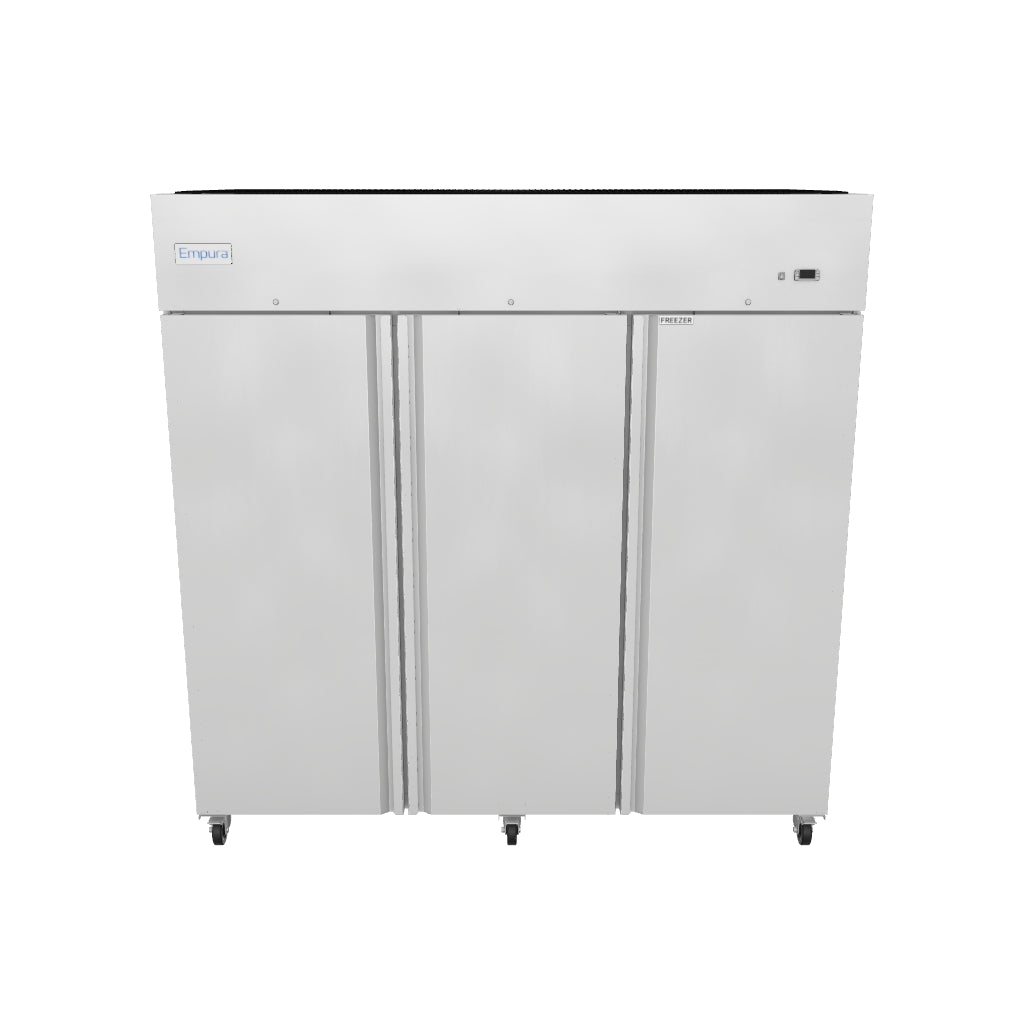
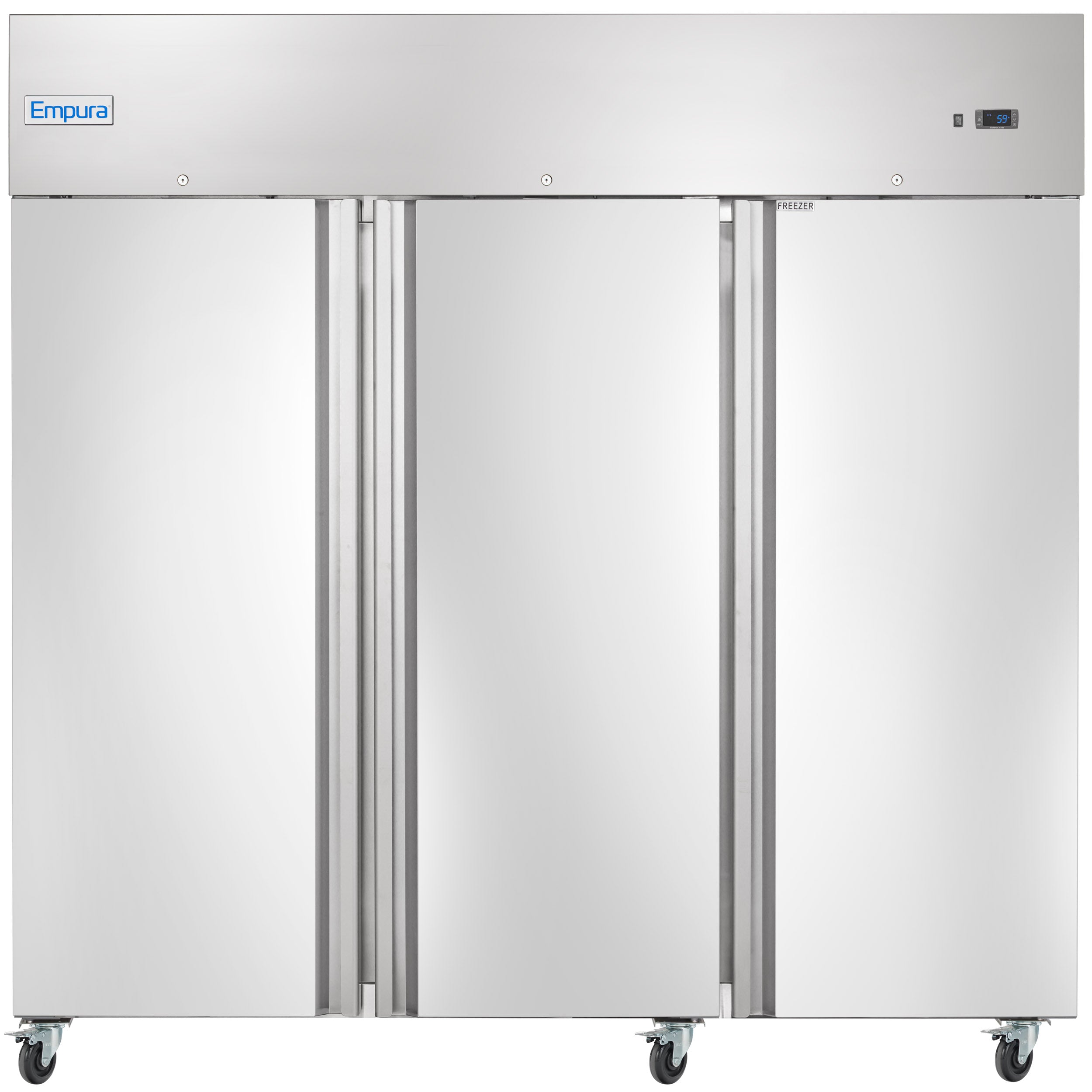
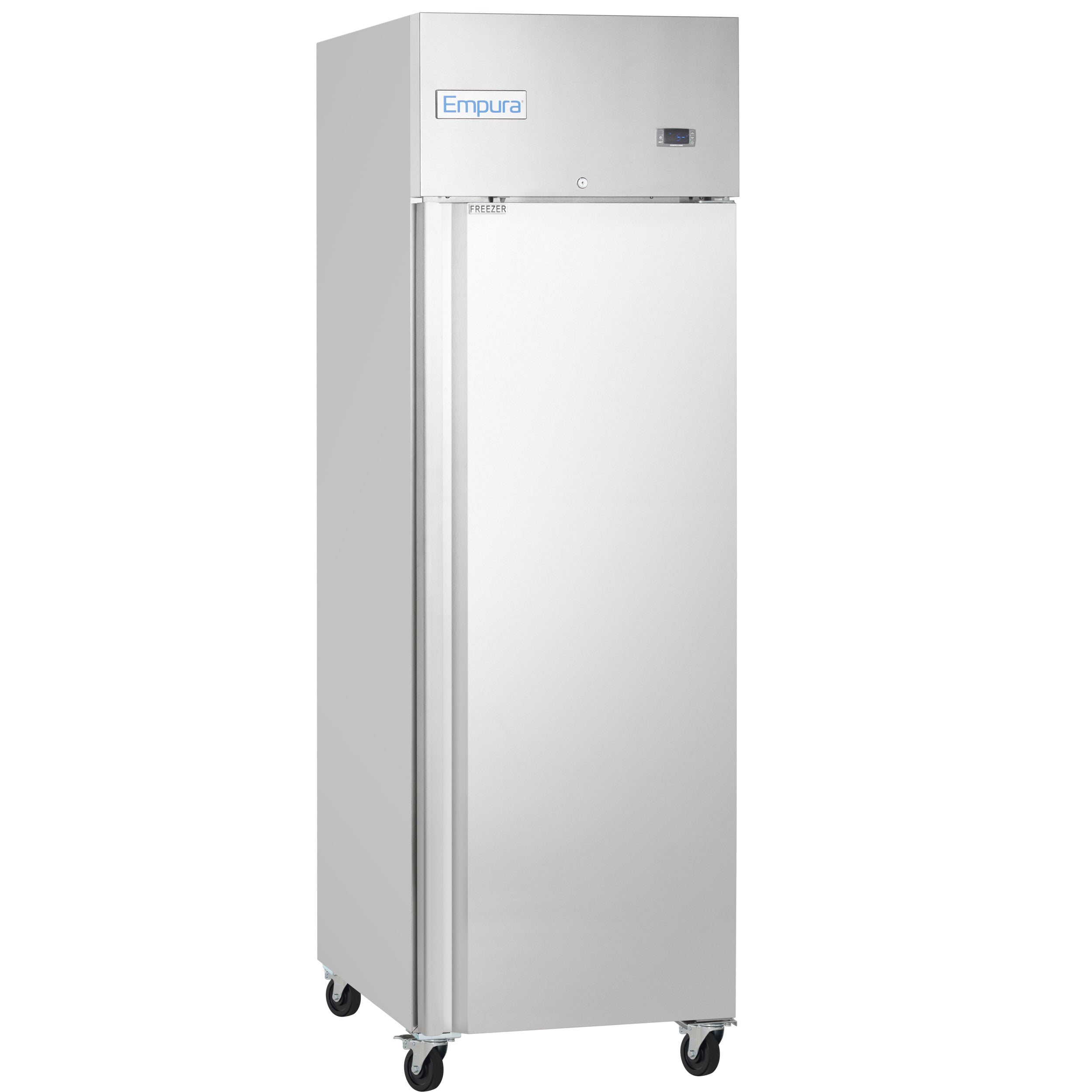
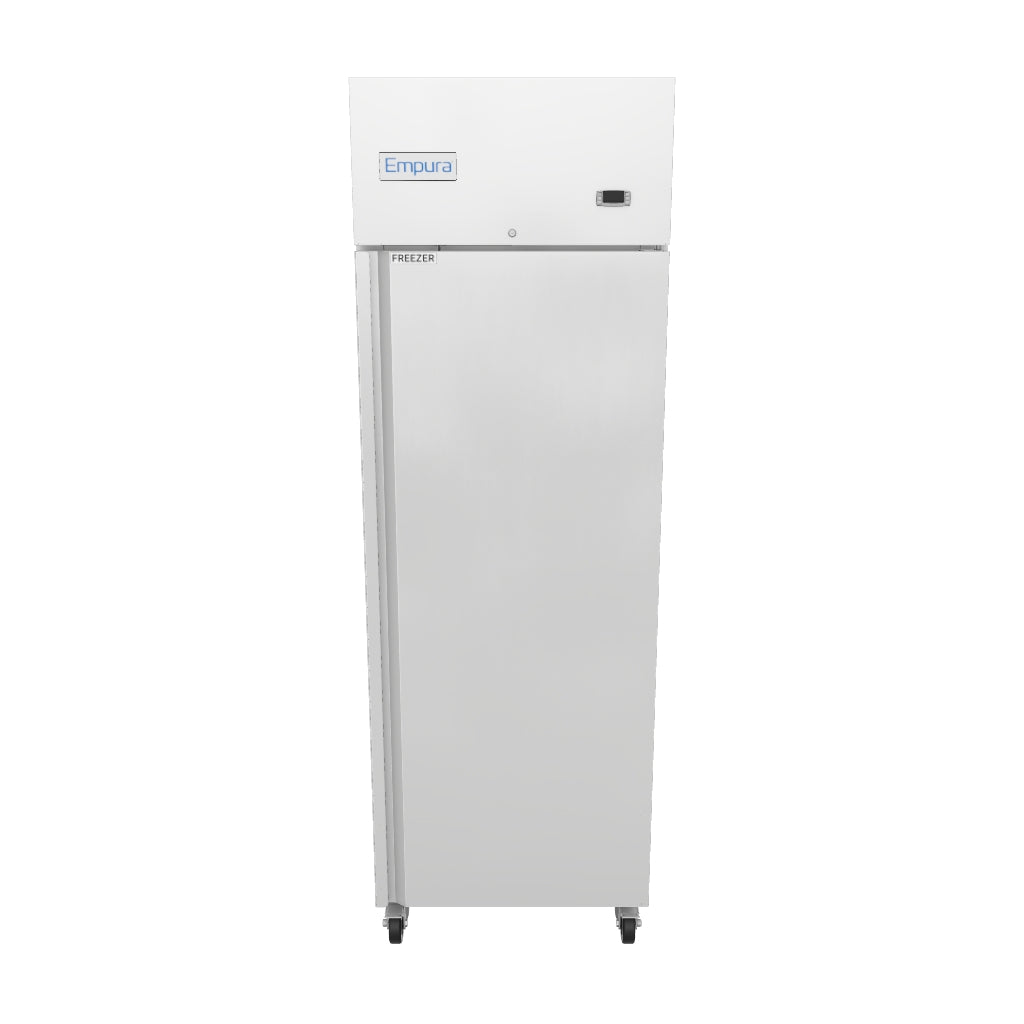
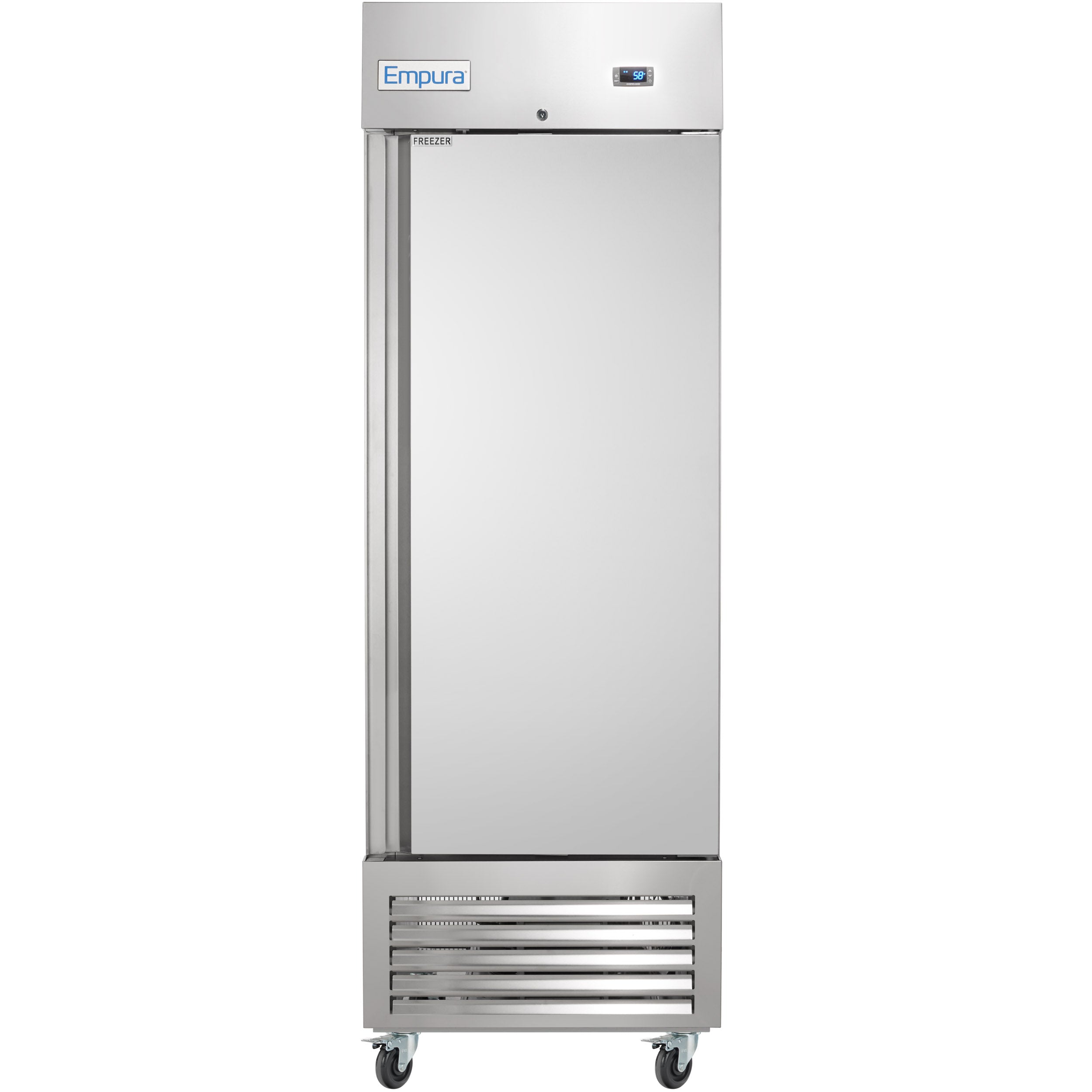
Empura reach-in freezers range from about 25 inches wide with one door to 81 inches wide with three doors, with full-door and half-door configurations in the collection. Current product pages show solid doors, stainless steel construction, top- and bottom-mounted compressor options, digital temperature controls, and select ENERGY STAR-certified models. Kitchens that need both chilled and frozen storage can compare reach-in refrigerators from the same Empura Refrigeration line.
Who uses reach-in freezers?
- Restaurants
- Hotels
- Bars
- Catering Operations
- Schools
- Healthcare Facilities
- Cafeterias
- Convenience Stores
Frequently asked questions
What temperature should a commercial reach-in freezer hold?
A commercial reach-in freezer should operate within the temperature range stated by the manufacturer and keep food frozen during storage. One current Empura three-door model lists temperature control down to -10°F. Operators should follow the equipment manual and any applicable local requirements rather than relying on a single setting for every model.
What's the difference between a reach-in freezer and a walk-in freezer?
A reach-in freezer is a self-contained upright cabinet suited for everyday frozen ingredient storage, while a walk-in freezer is a larger refrigerated room intended for bulk frozen inventory. Reach-in freezers work well for point-of-use storage inside the kitchen, while walk-ins are better suited for high-volume back-of-house storage.
How many doors does a commercial reach-in freezer need?
The right door count depends on storage volume and available kitchen space. Single-door units suit smaller operations, while two- and three-door reach-in freezers provide substantially more capacity for high-volume kitchens.
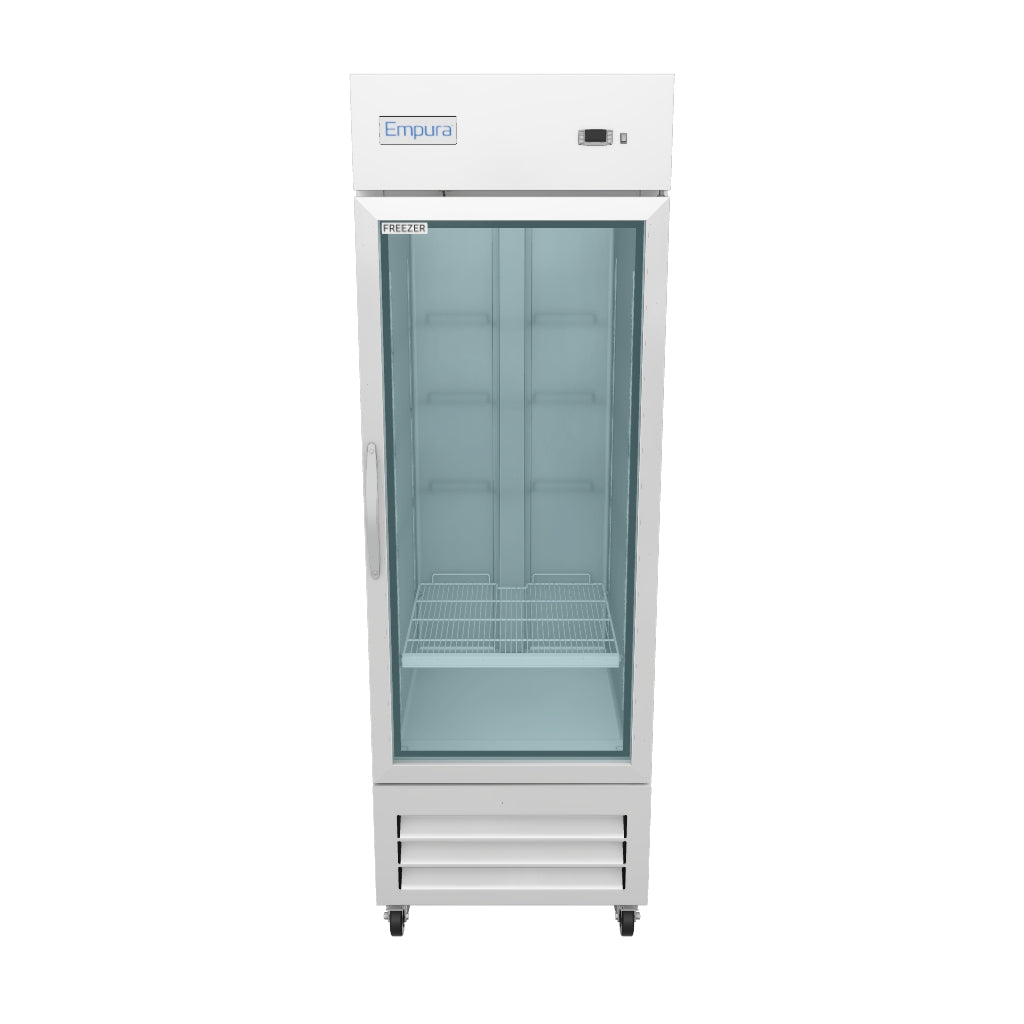
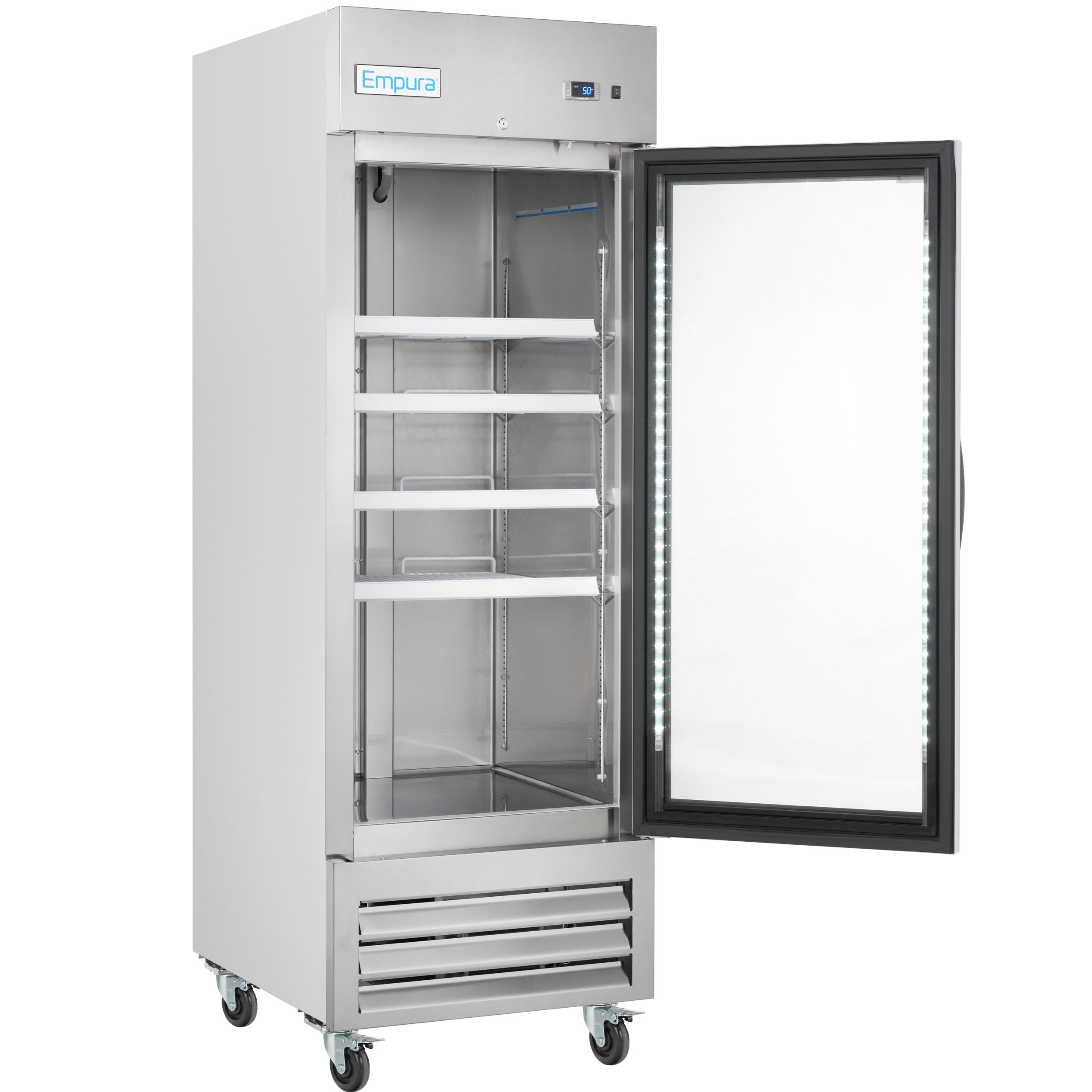
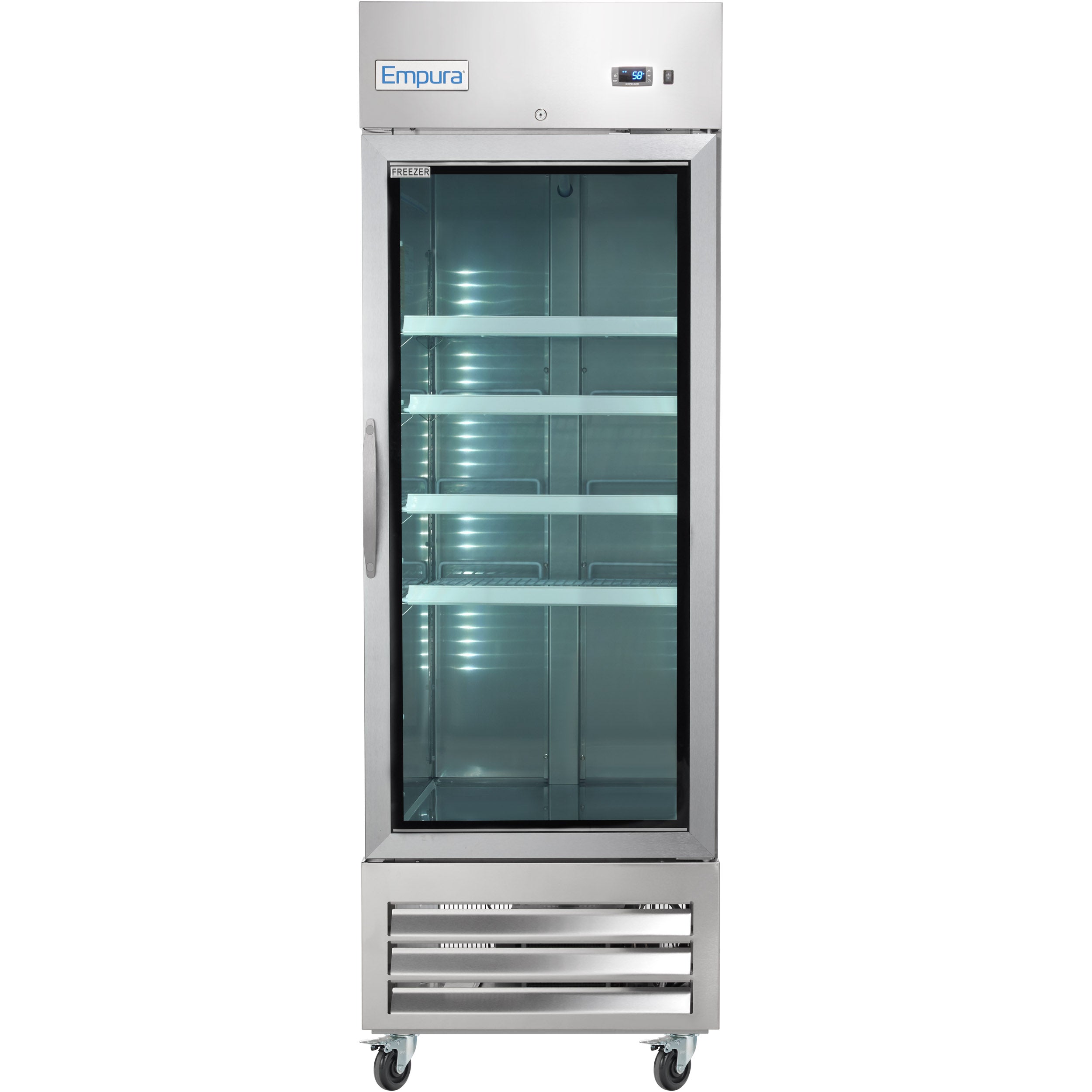
Are glass door reach-in freezers as efficient as solid door models?
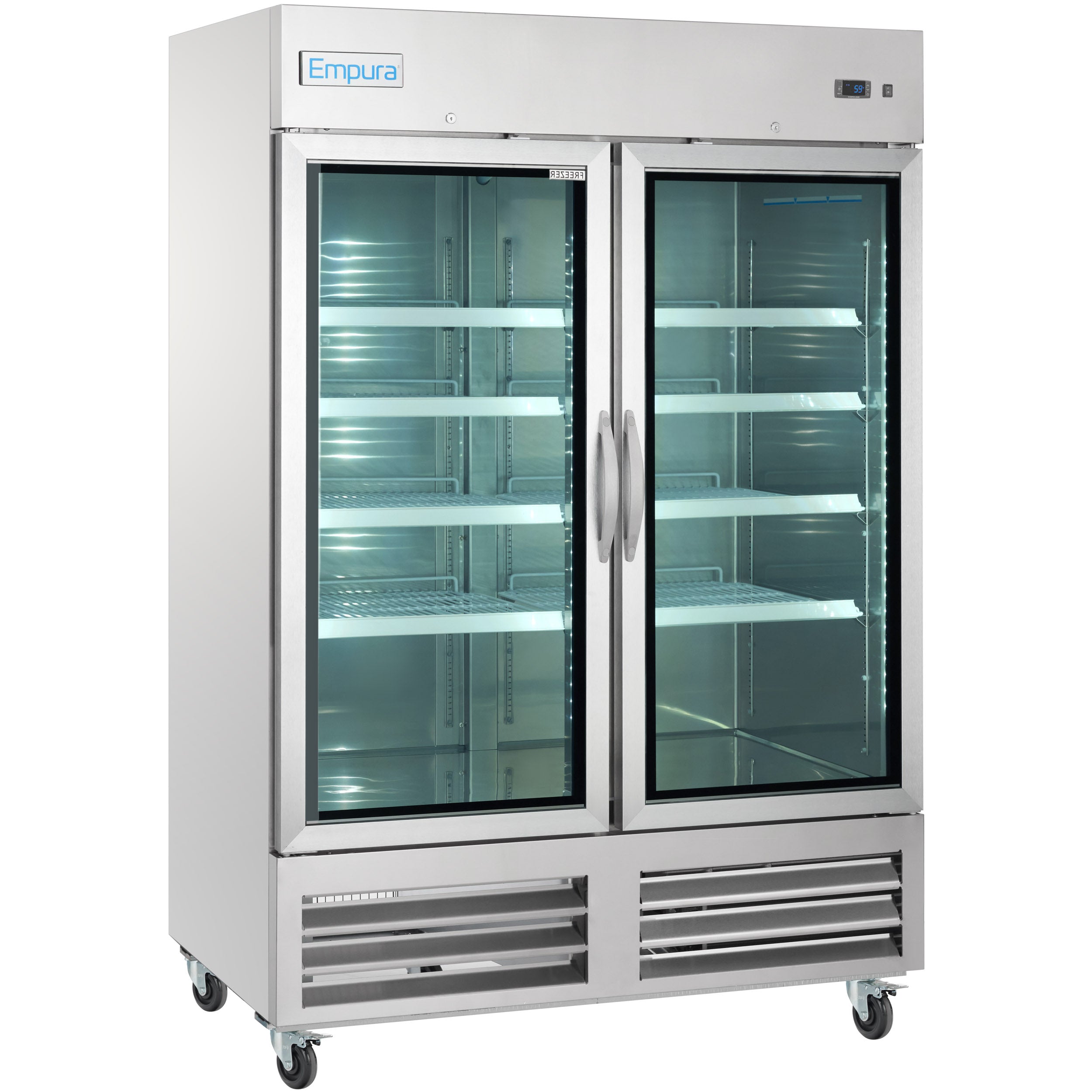
The current Empura reach-in freezer collection is built around solid-door storage. Solid doors limit product visibility but are well suited to back-of-house frozen inventory where staff generally know what is stored inside. Operators who need a visual display should use equipment specifically listed for that application.
How long does a commercial reach-in freezer typically last?
Service life varies with installation conditions, usage, maintenance, and repair history, so there is no reliable lifespan that applies to every reach-in freezer. Cleaning the condenser as directed, inspecting door gaskets, maintaining airflow, and addressing temperature problems promptly can help support dependable operation.




 FREE Delivery