
What should you look for in glass frosters?
Compare cabinet width, glass capacity, rack layout, access door style, operating temperature, exterior finish, condensate handling, and electrical requirements. Allow enough room for staff to load clean, dry glasses and pull frosted glassware without creating bottlenecks. Beverage programs should also decide which drinks benefit from very cold glassware, since excessive chilling can mute aroma or add meltwater.
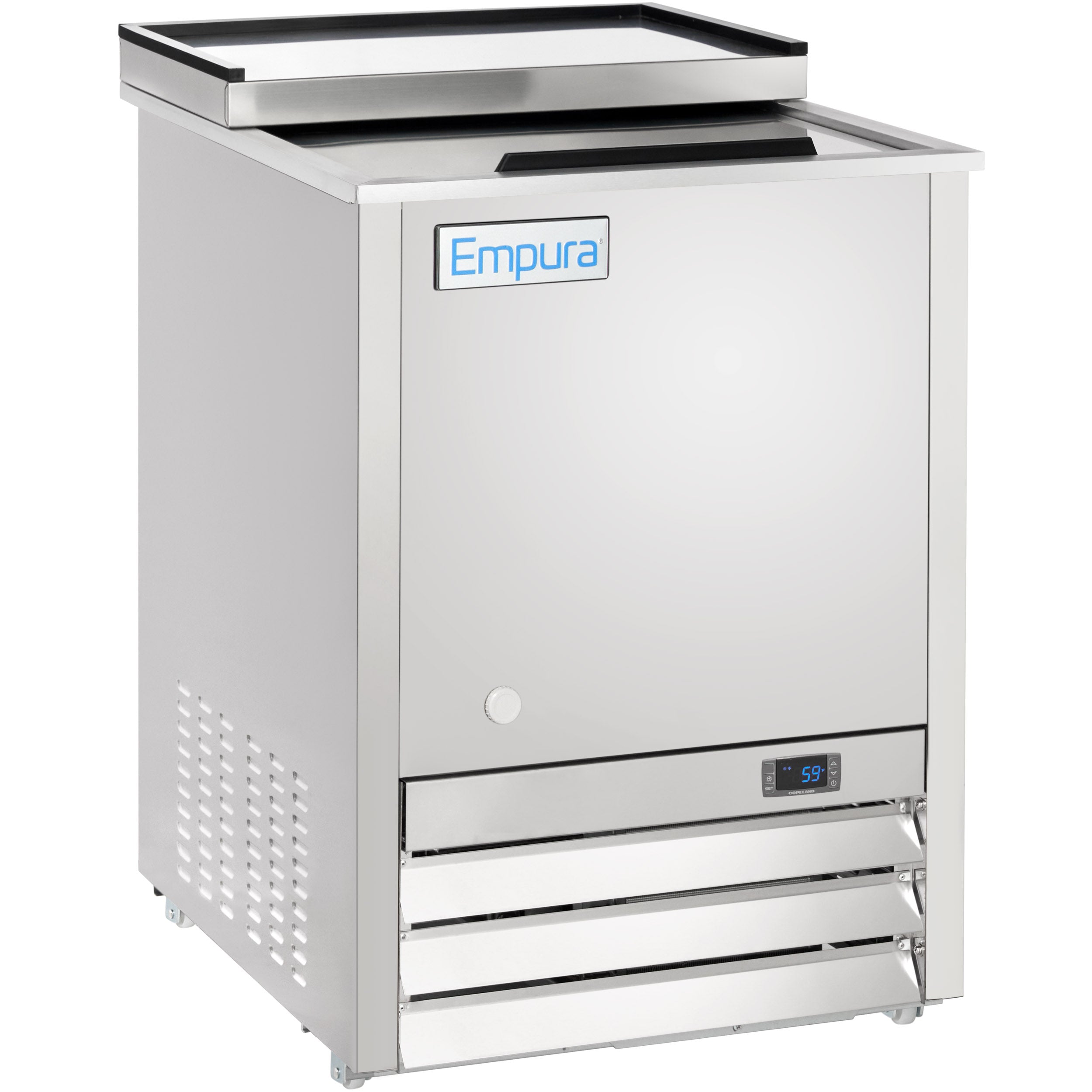
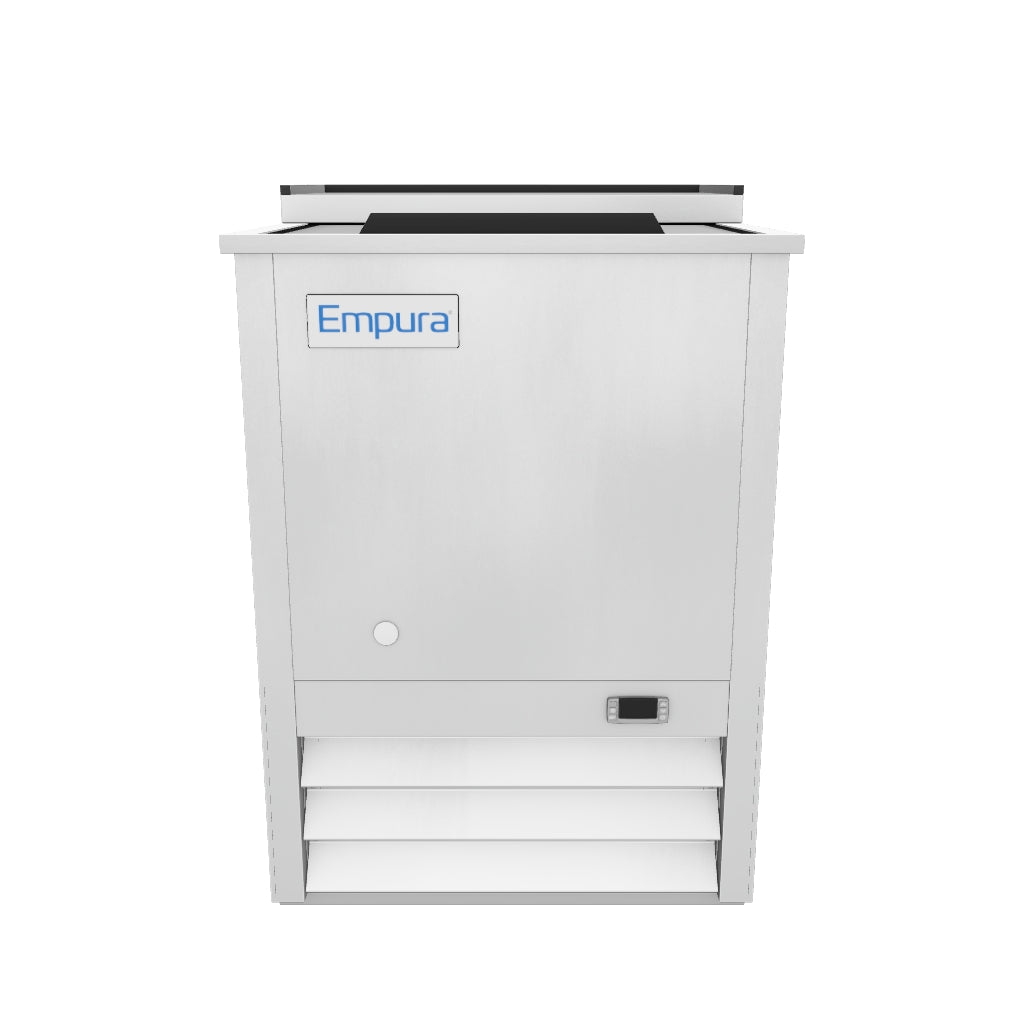
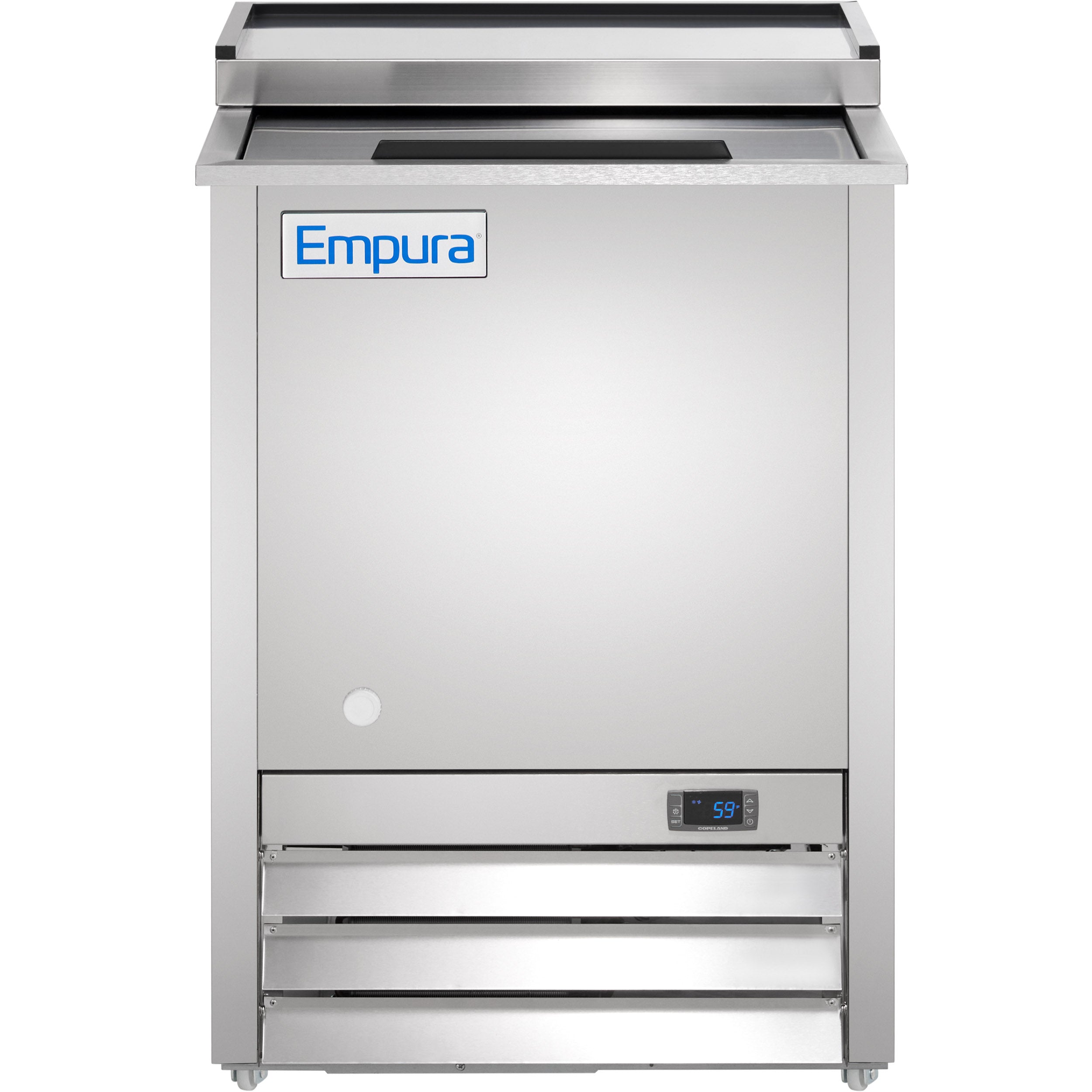
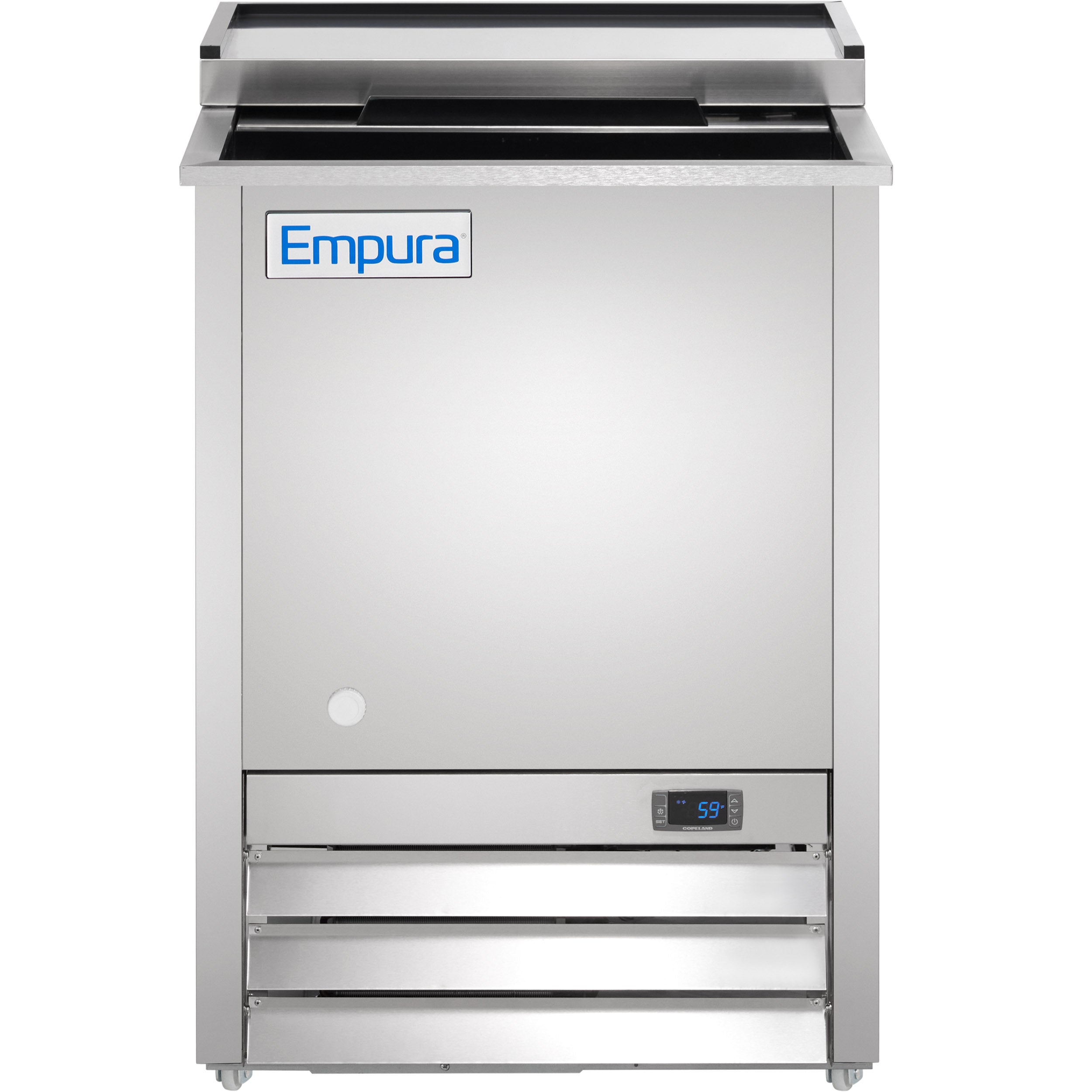
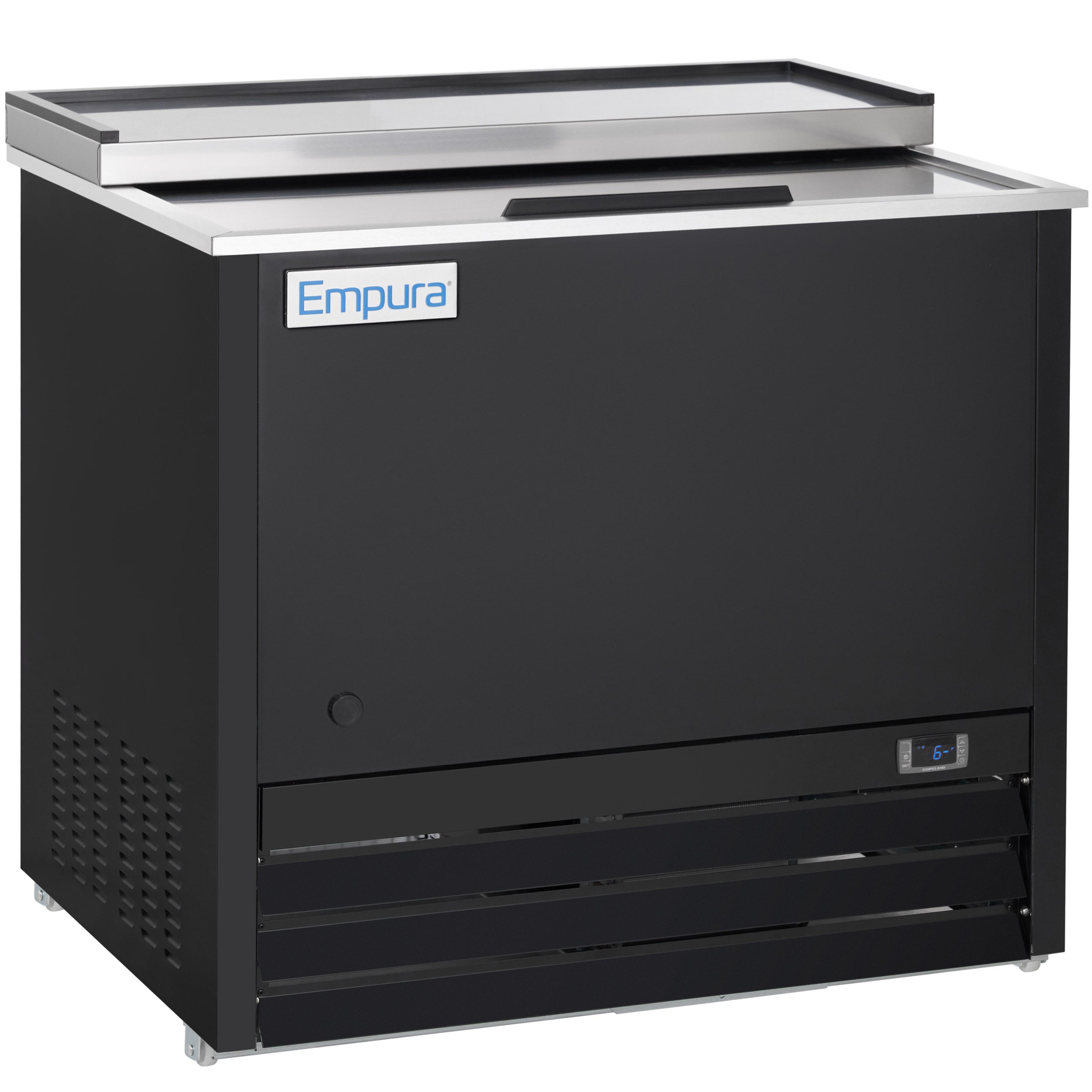
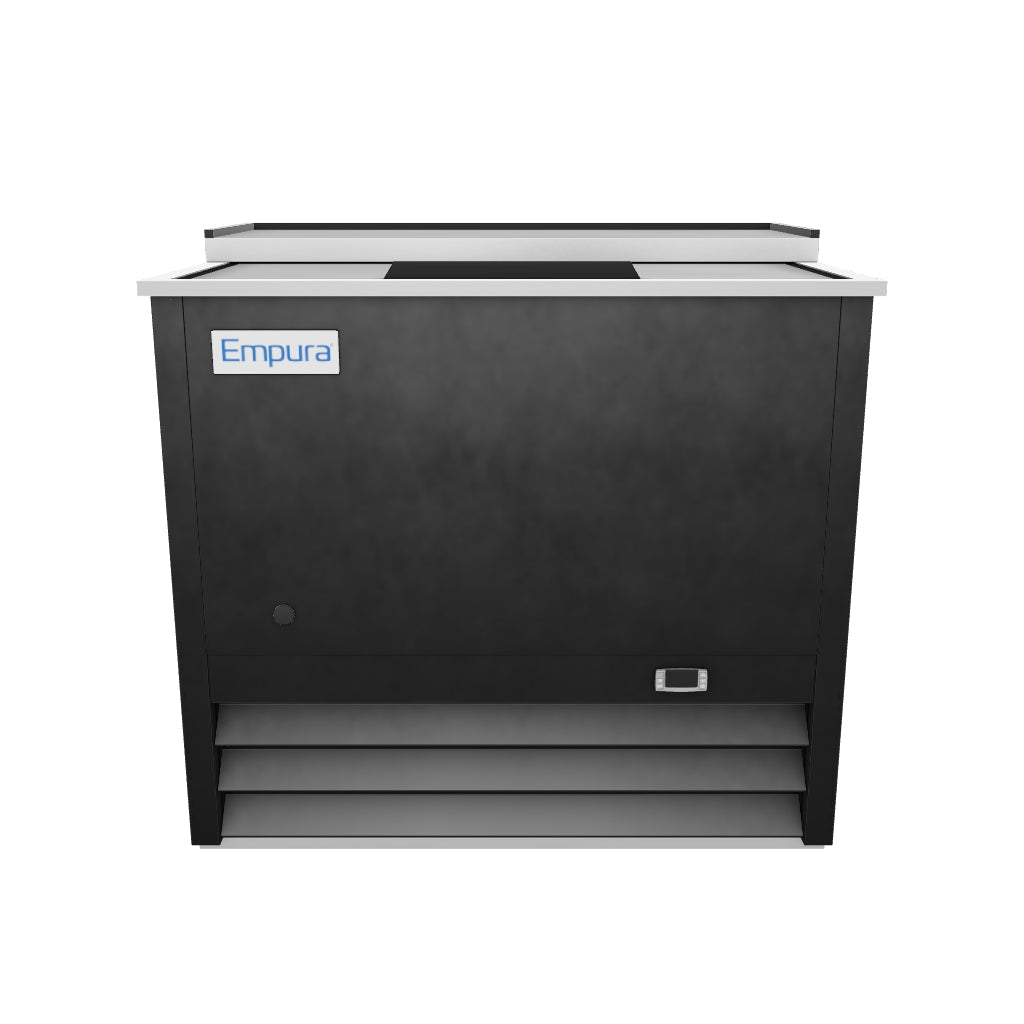
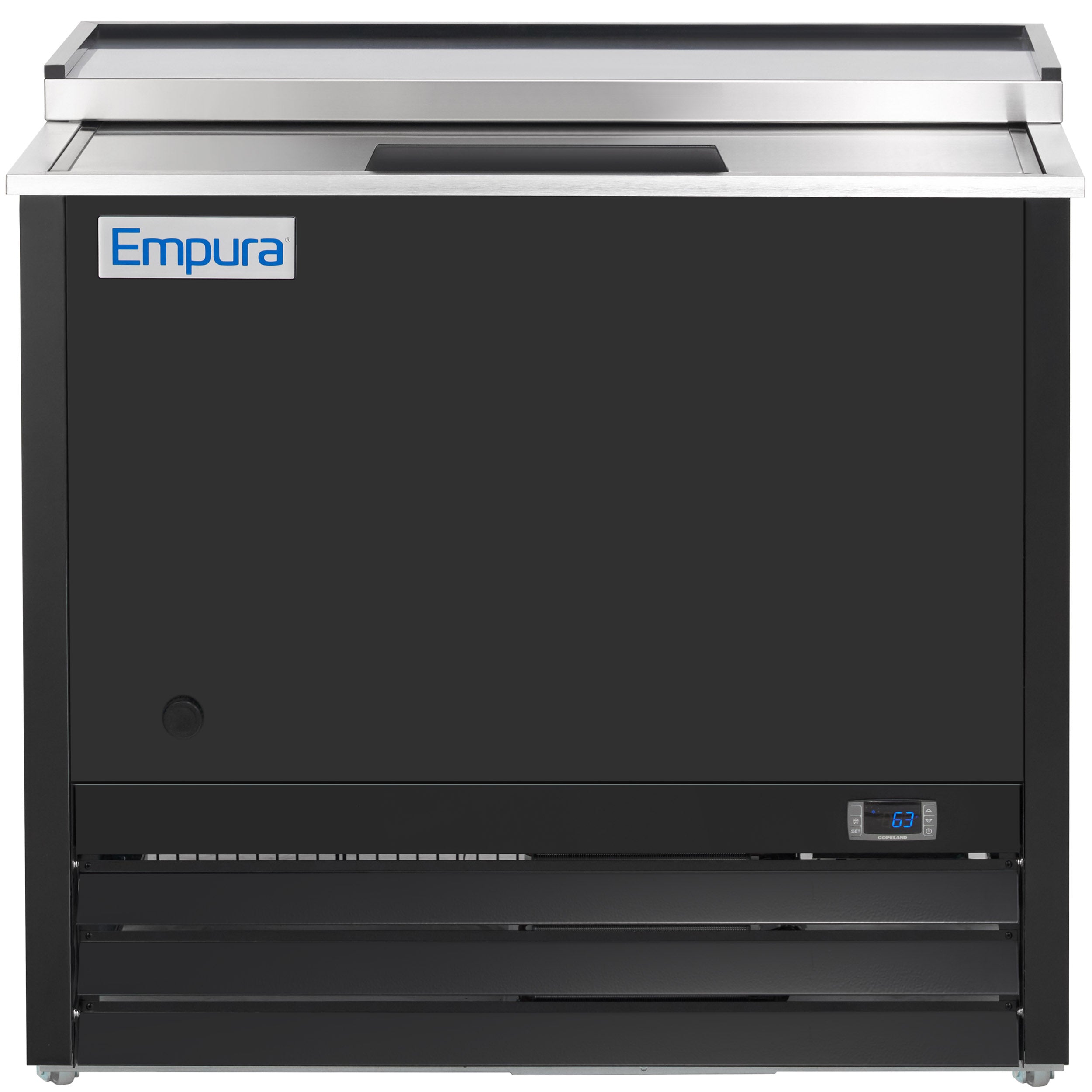
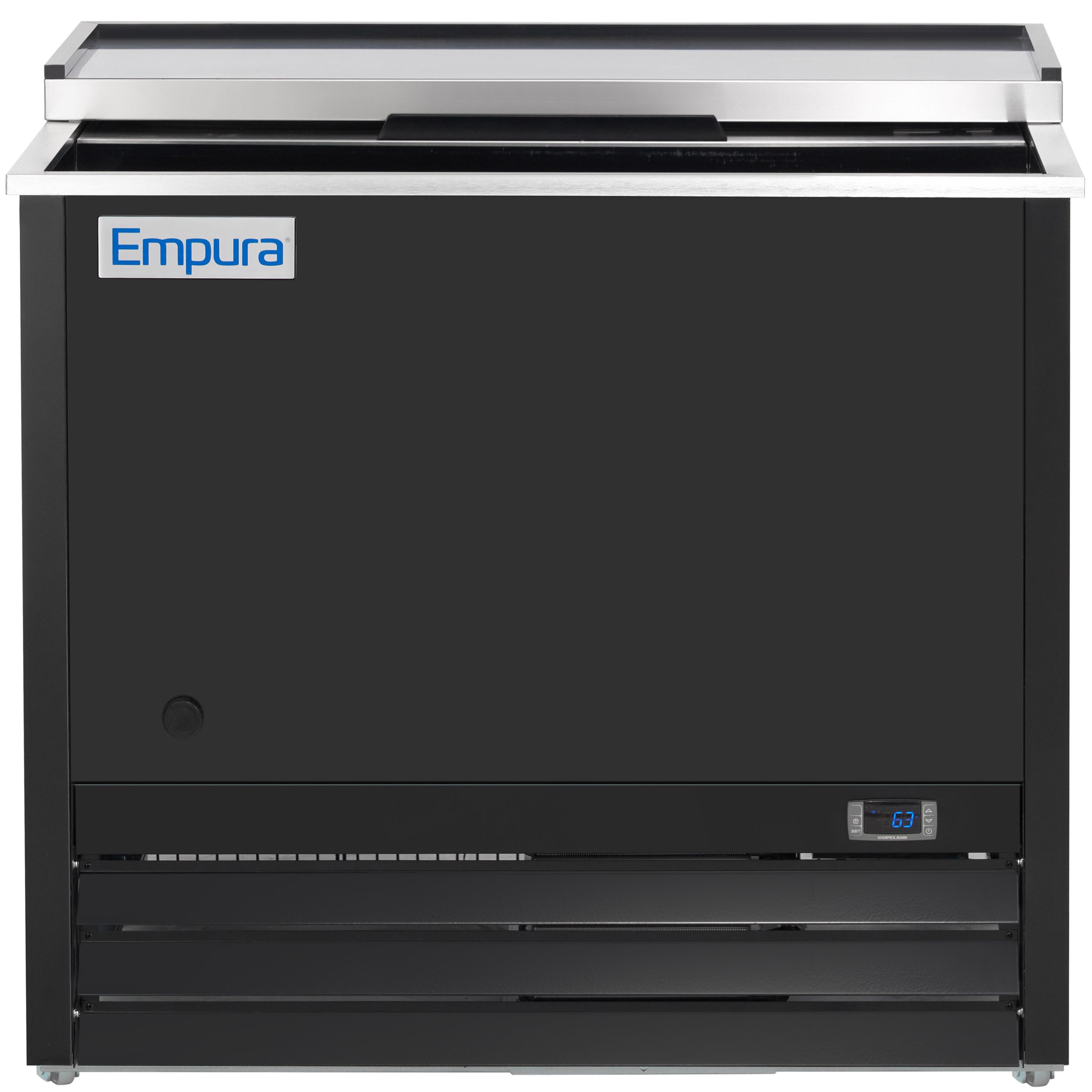
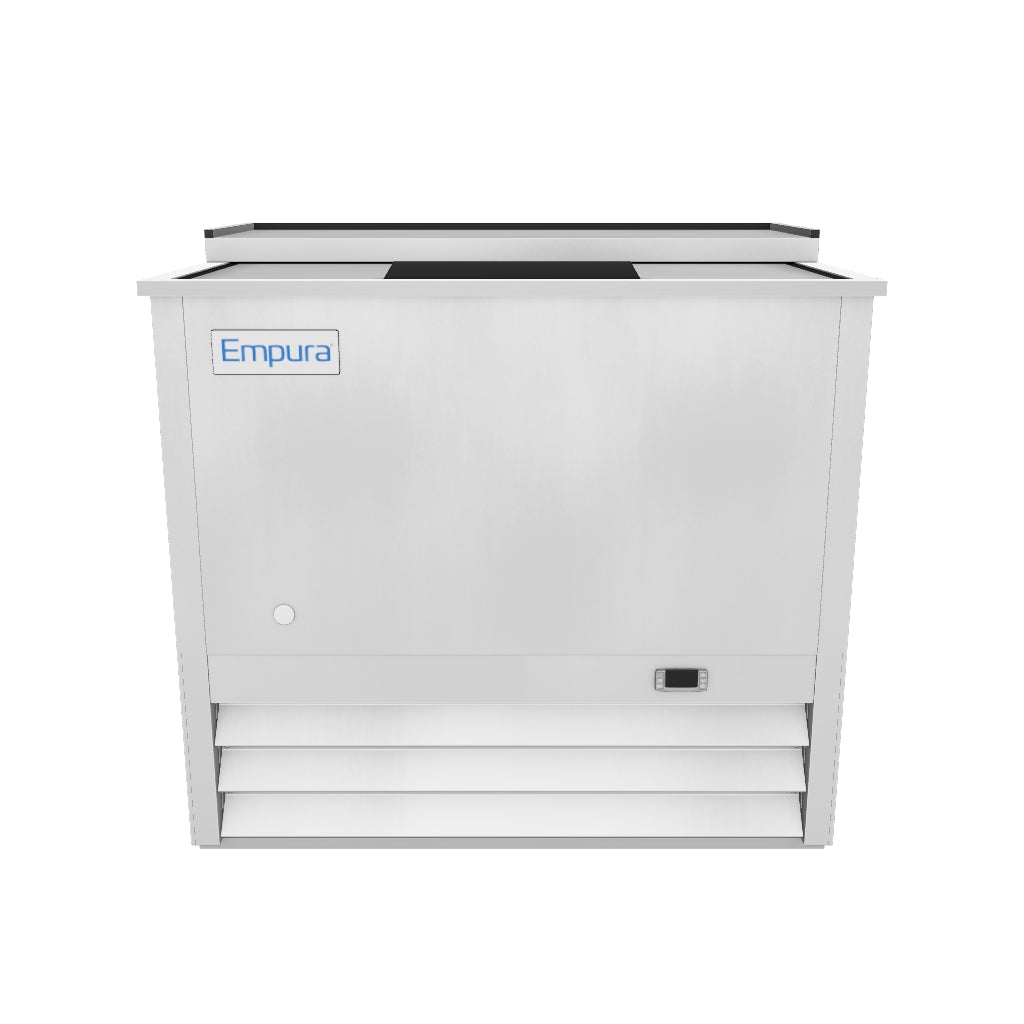
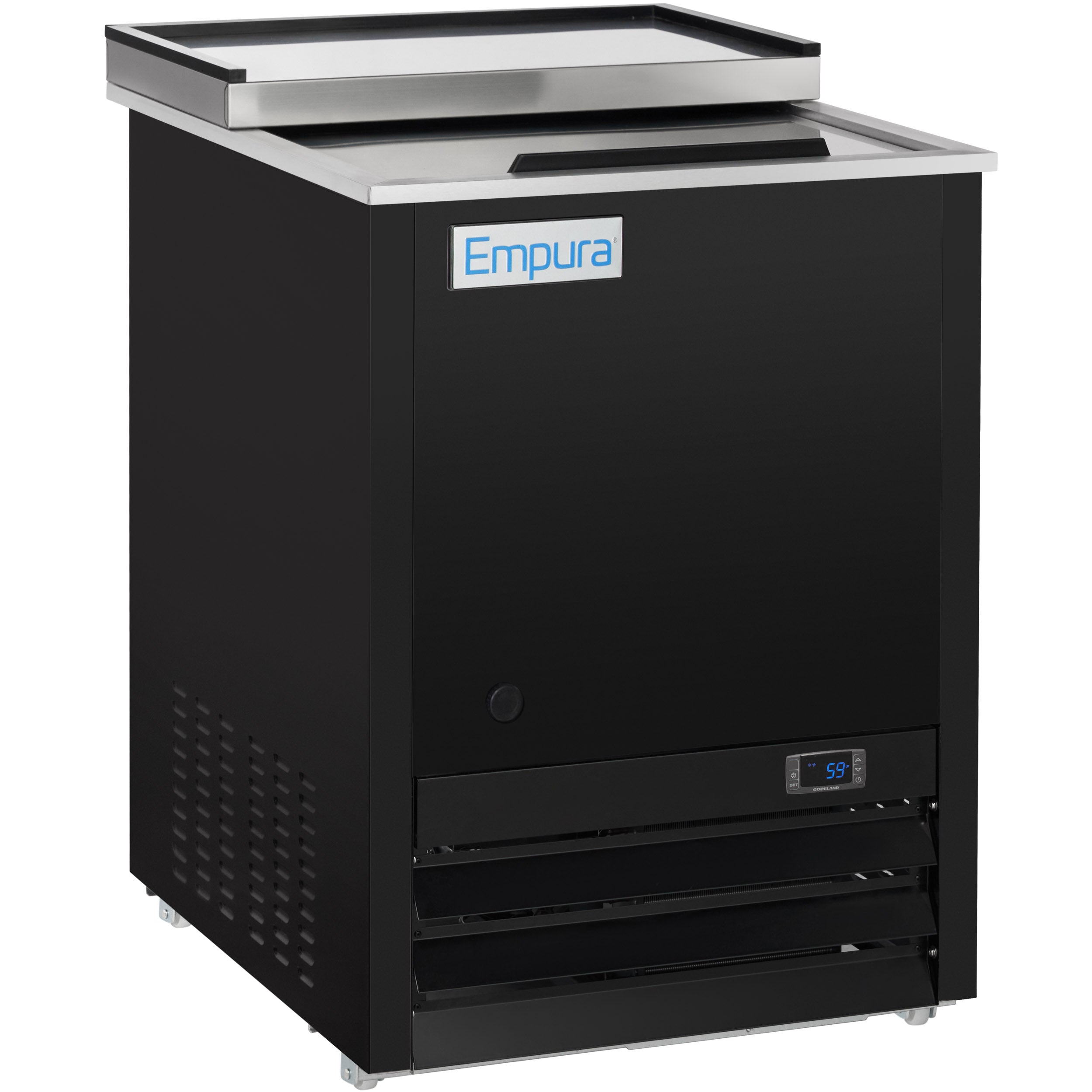
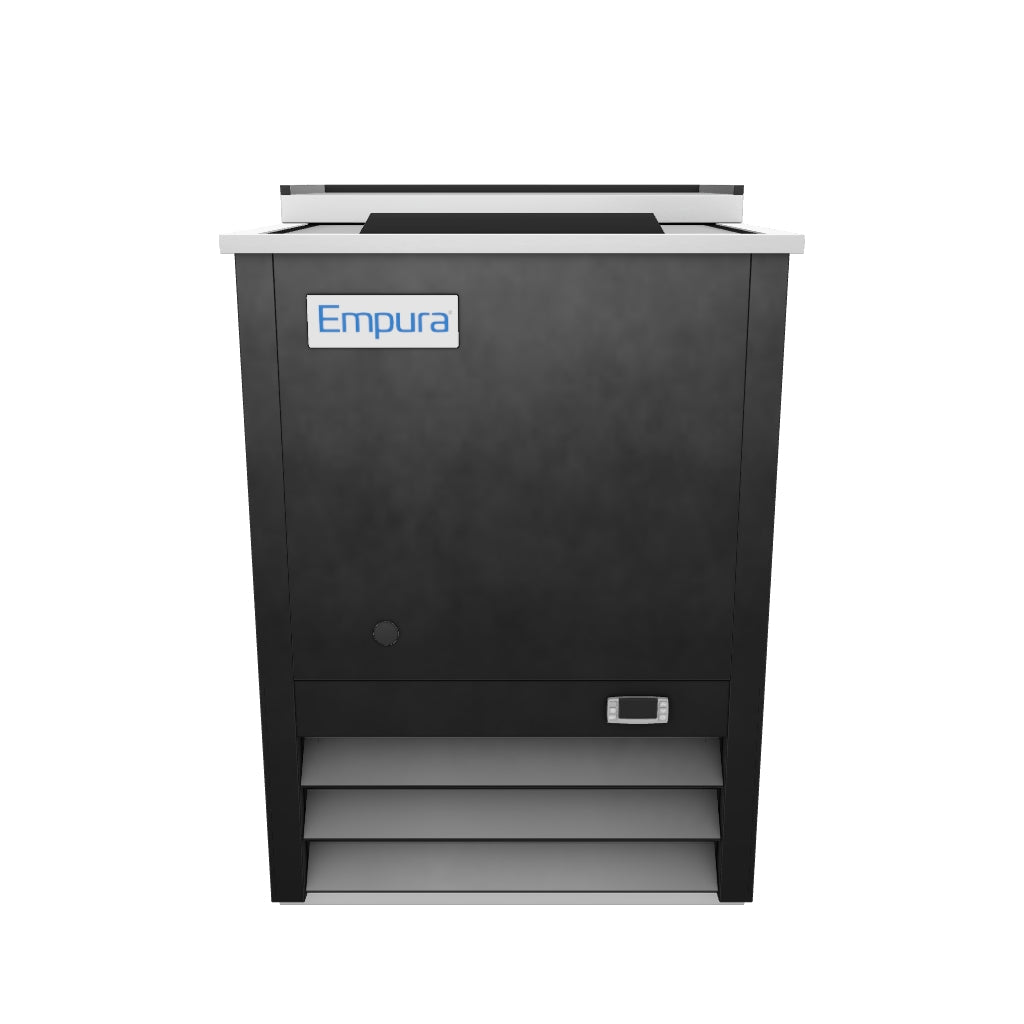
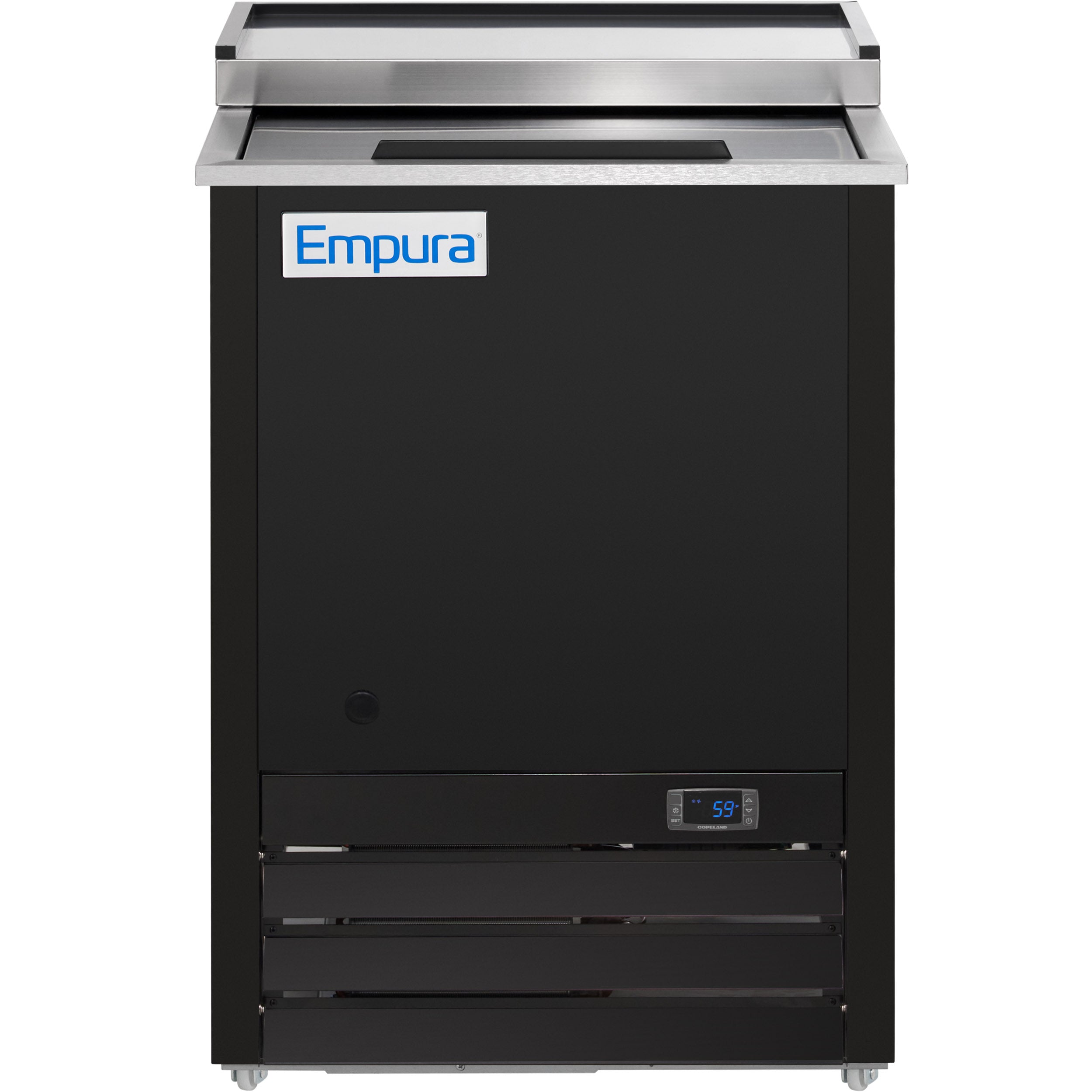
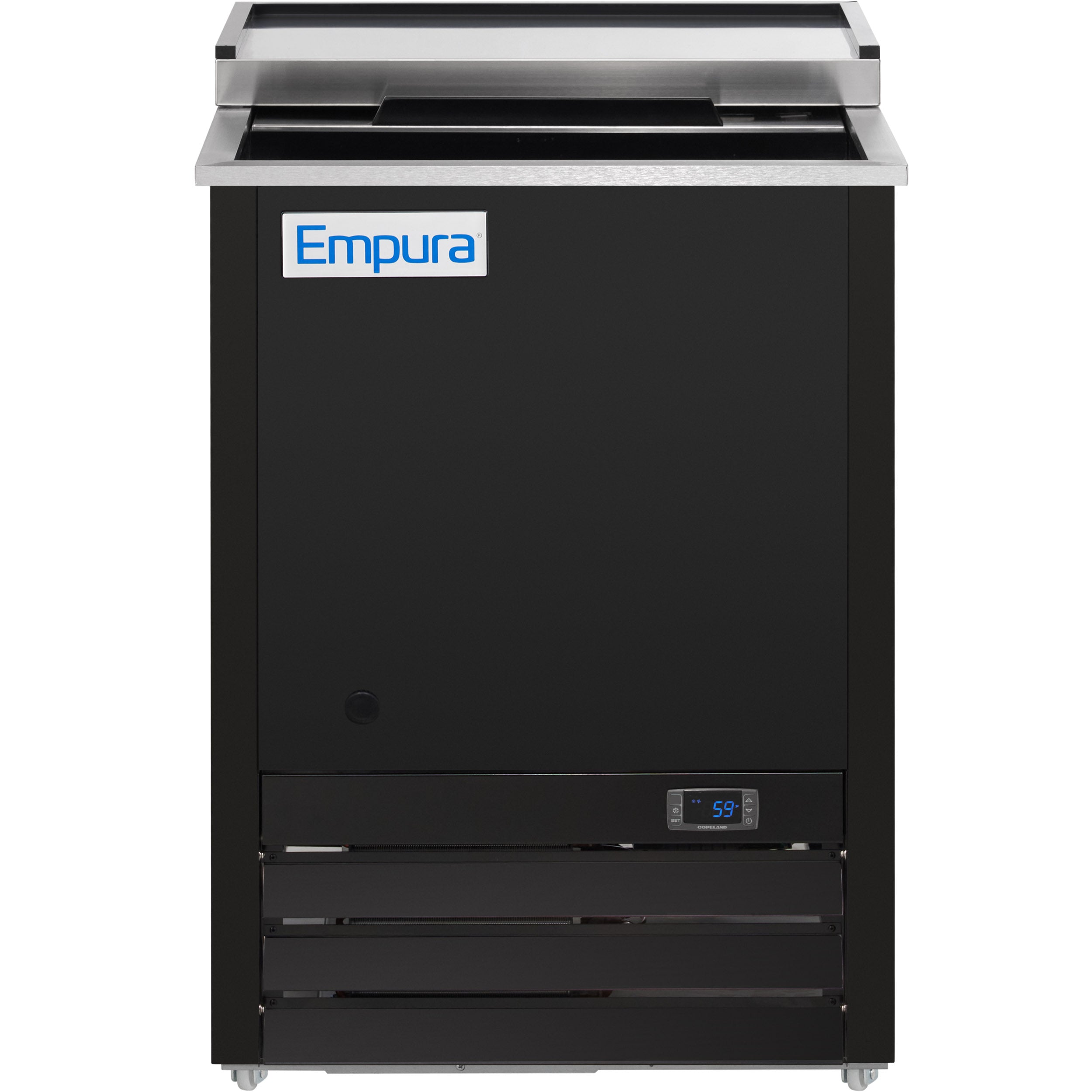
Empura glass frosters are listed in 24- and 37-inch widths with stainless steel or black powder-coated exteriors. Product pages identify forced-air cooling, electronic controls, stainless steel interiors, built-in condensate evaporators, 115-volt service, and an operating range of -5°F to -2°F. A back bar cooler or direct draw beer dispenser serves a different role by holding packaged or draft beverages rather than frosting glassware.
Who uses glass frosters?
- Restaurants
- Hotels
- Bars
- Catering Operations
- Entertainment Venues
Frequently asked questions about glass frosters
What is the primary purpose of a glass froster?
It circulates cold air around clean glassware so glasses are chilled and may develop a frosted surface before beverage service.
What is the difference between a glass froster and a glass chiller?
The terms are sometimes used interchangeably, so verify the listed operating temperature. Glass chillers often operate above freezing, while Empura's current frosters are listed at -5°F to -2°F.
Can you store food or wet items in a glass froster?
No. Loading wet glasses or food into a sub-zero froster can cause ice buildup on evaporators and is outside the unit's listed purpose. Food storage equipment has different loading, temperature, and sanitation requirements.
Do all beers benefit from frosted glassware?
No. Very cold glassware suits some beverages, but it can reduce aroma, affect foam, or add meltwater to others. Match the glass temperature to the beverage program.
How do Empura glass frosters handle meltwater?
Current product pages identify built-in condensate evaporators. Confirm the drain and condensate requirements for the exact model and installation before placing the unit.