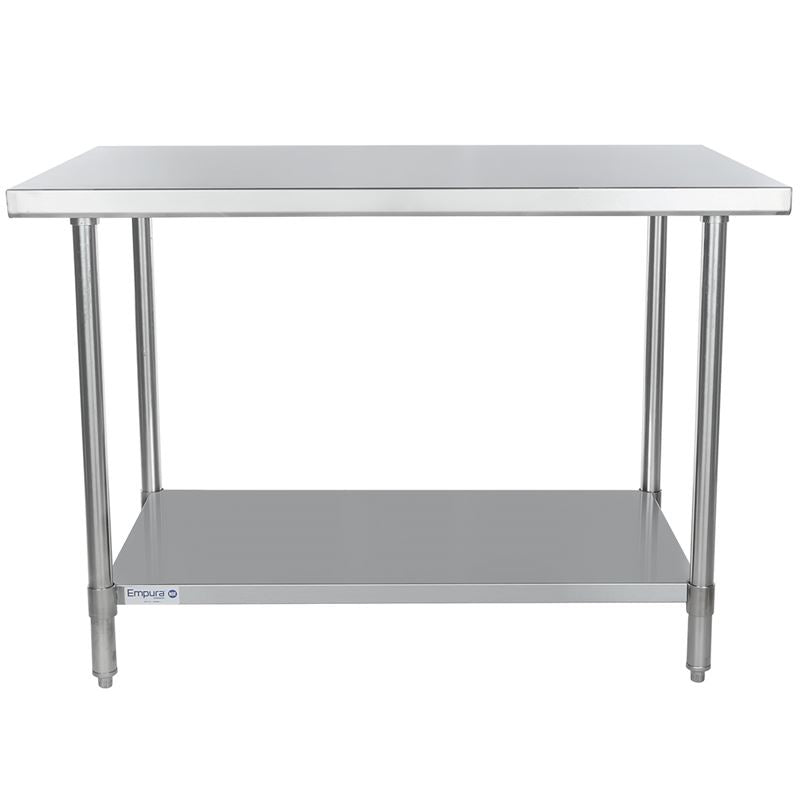
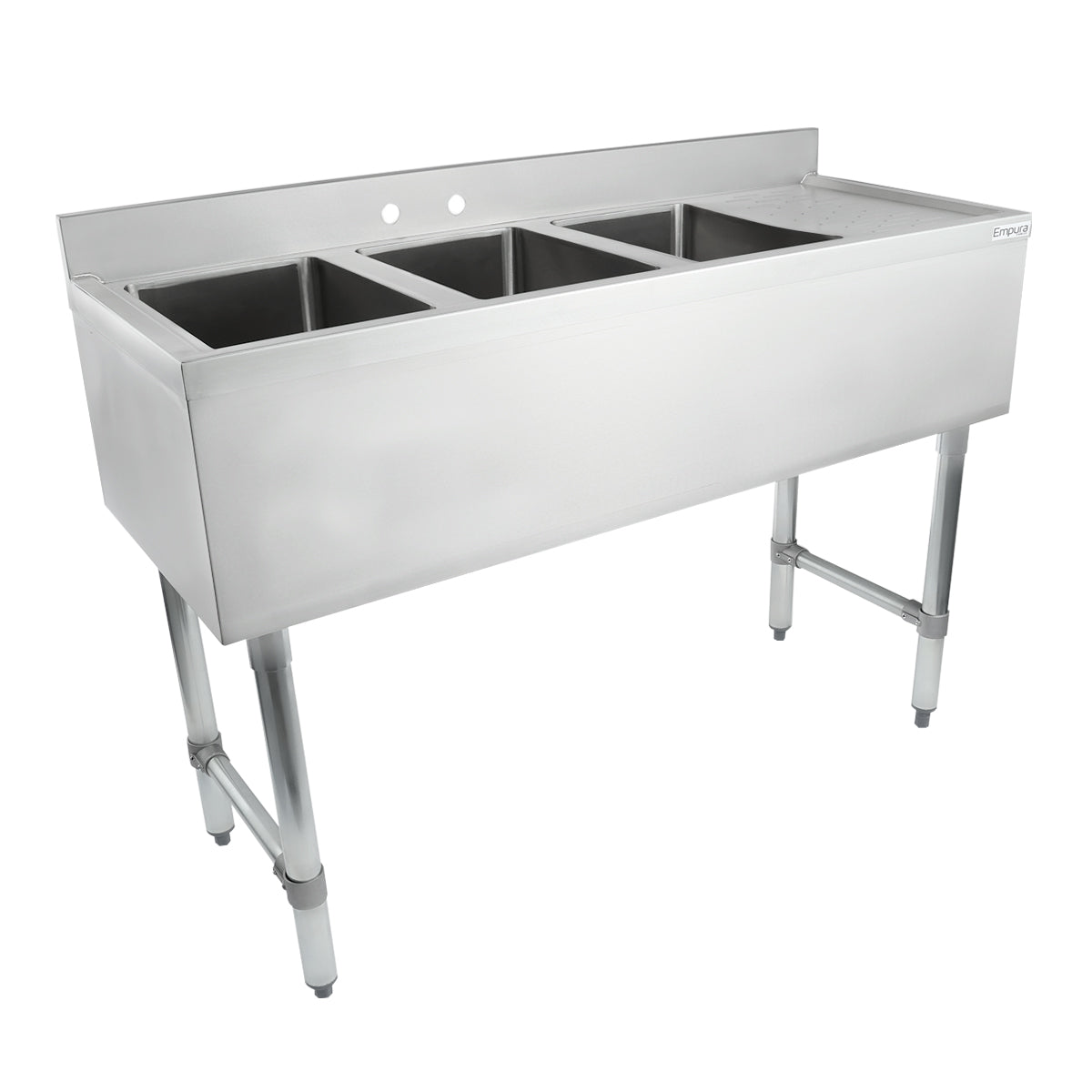
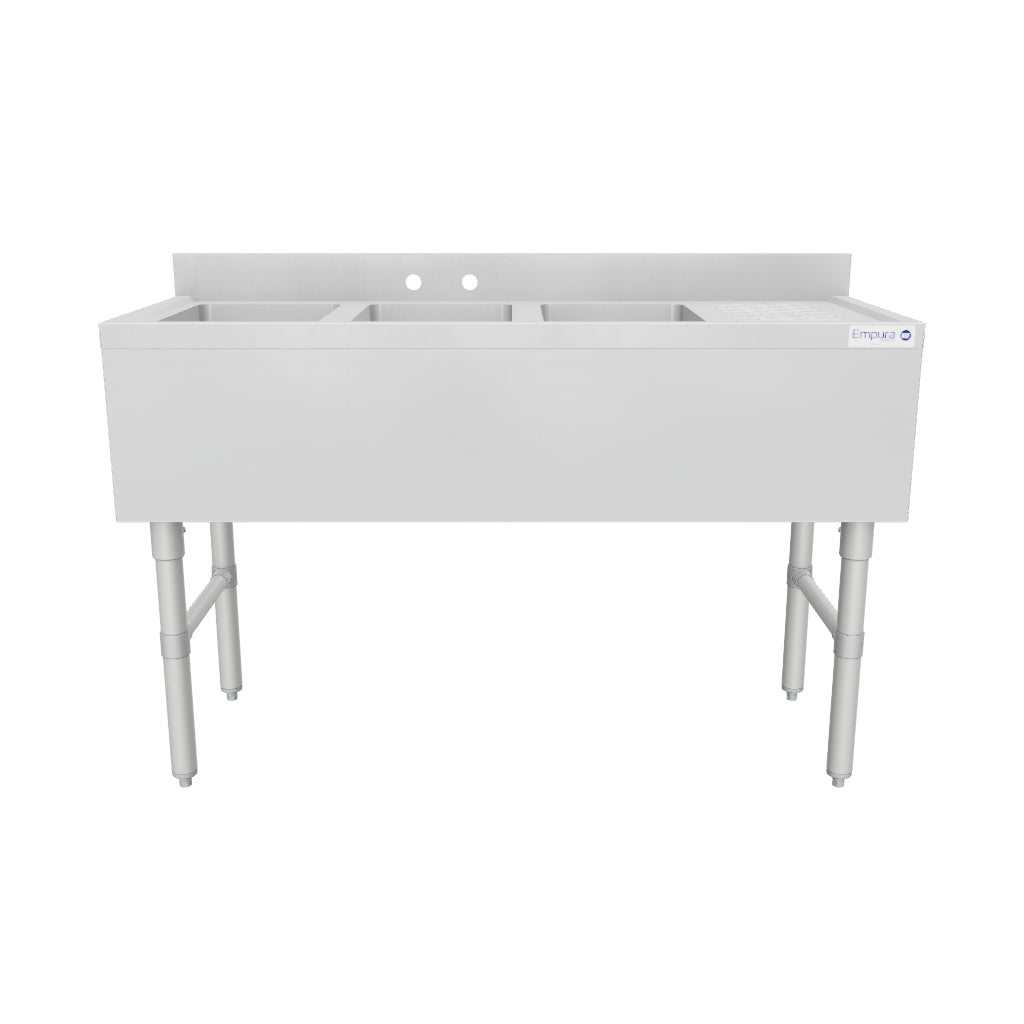
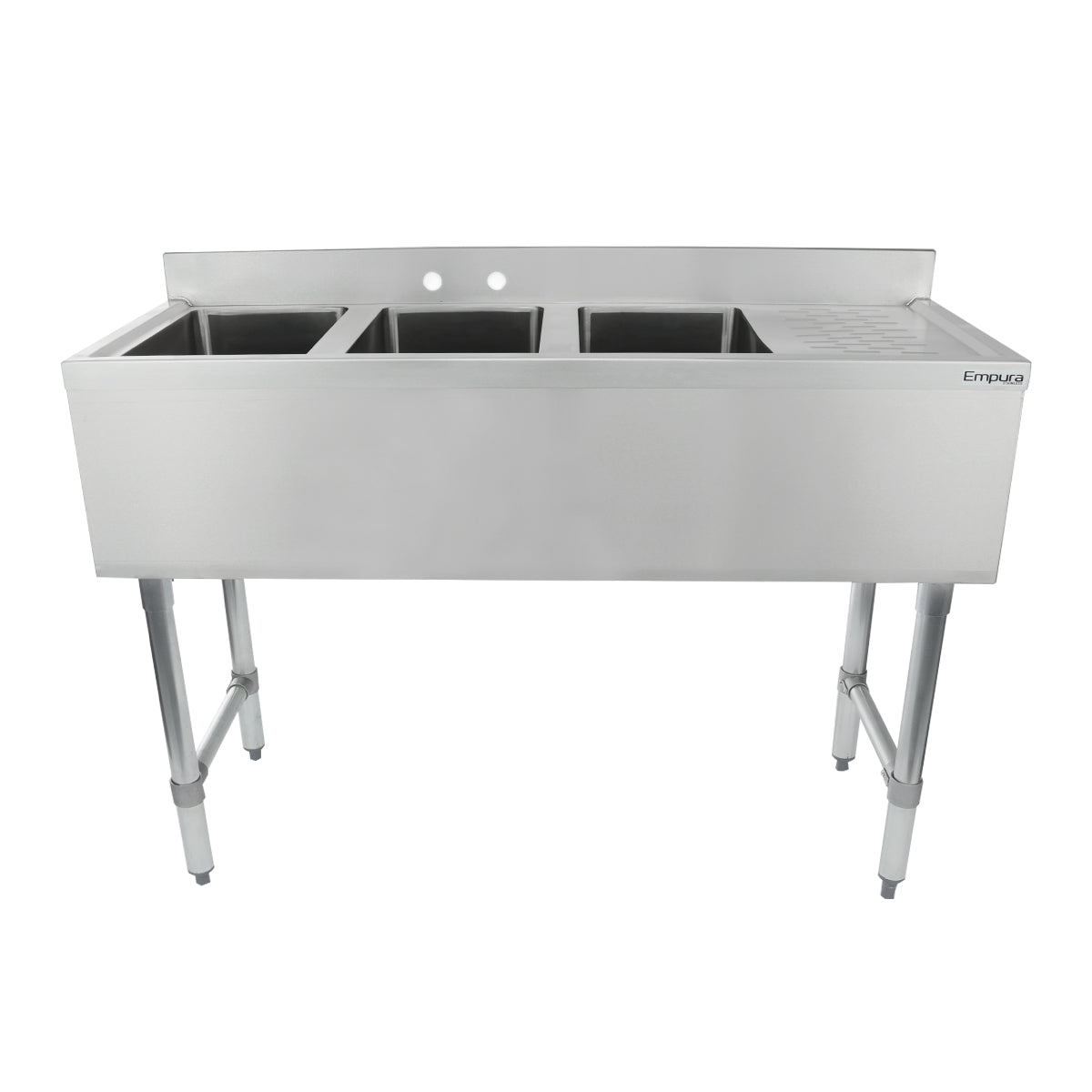
What should you look for in commercial stainless steel equipment?
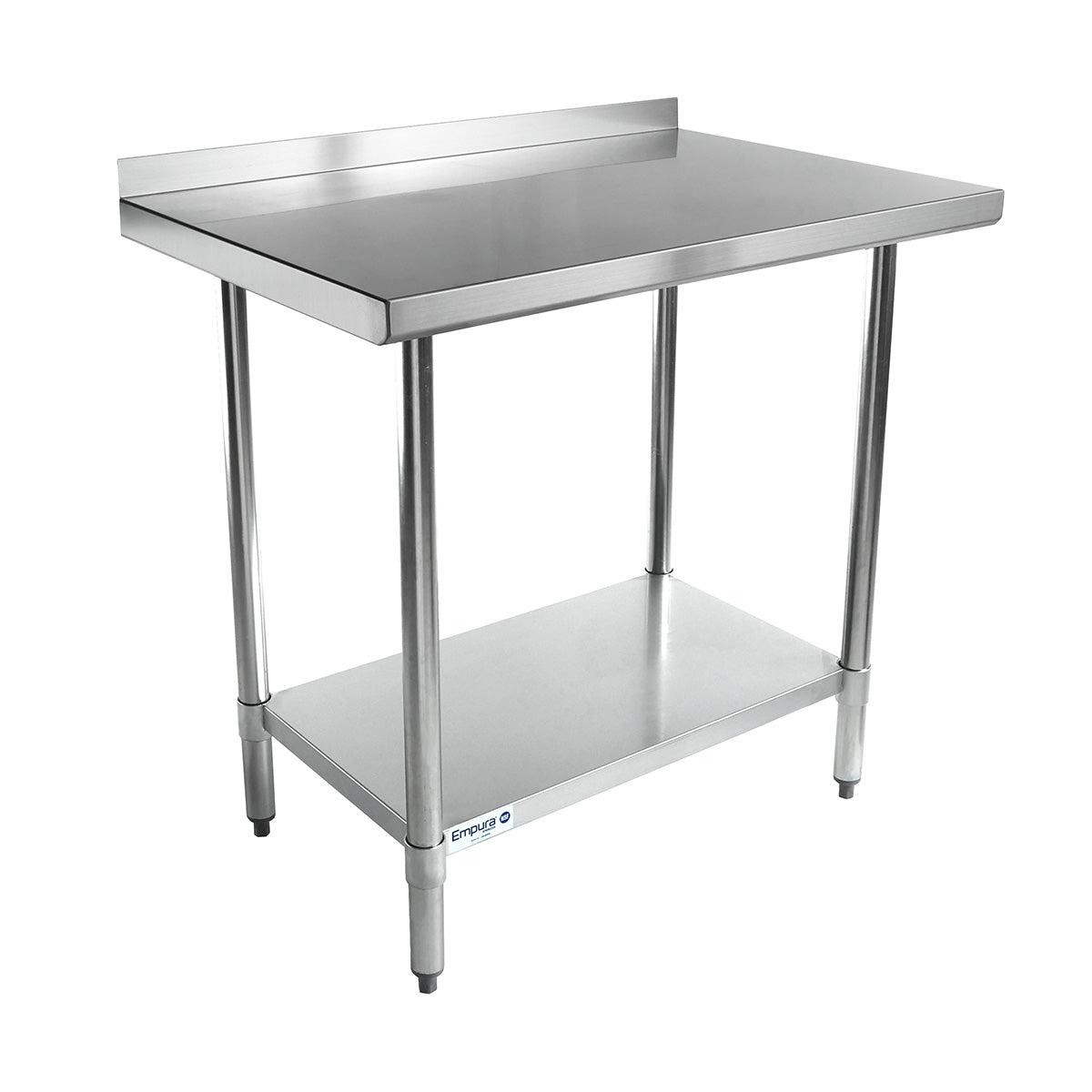
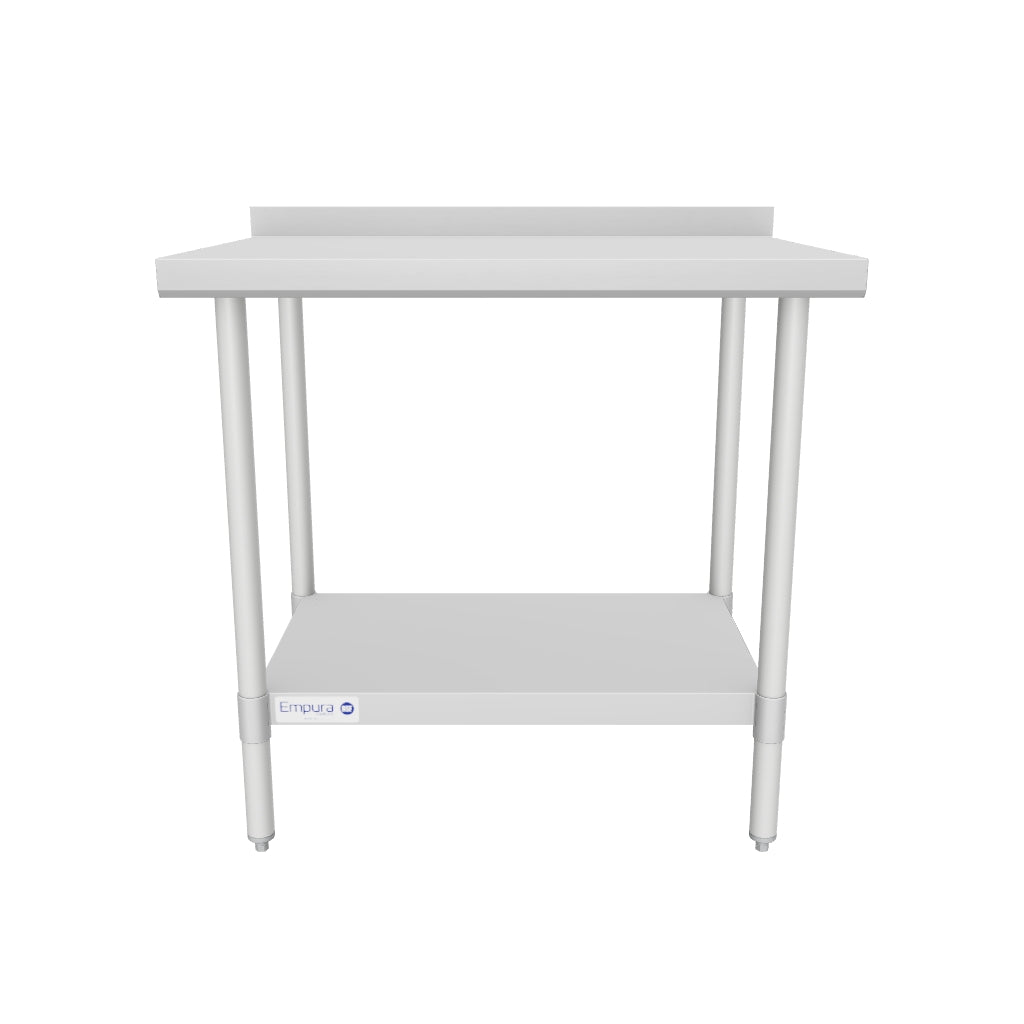
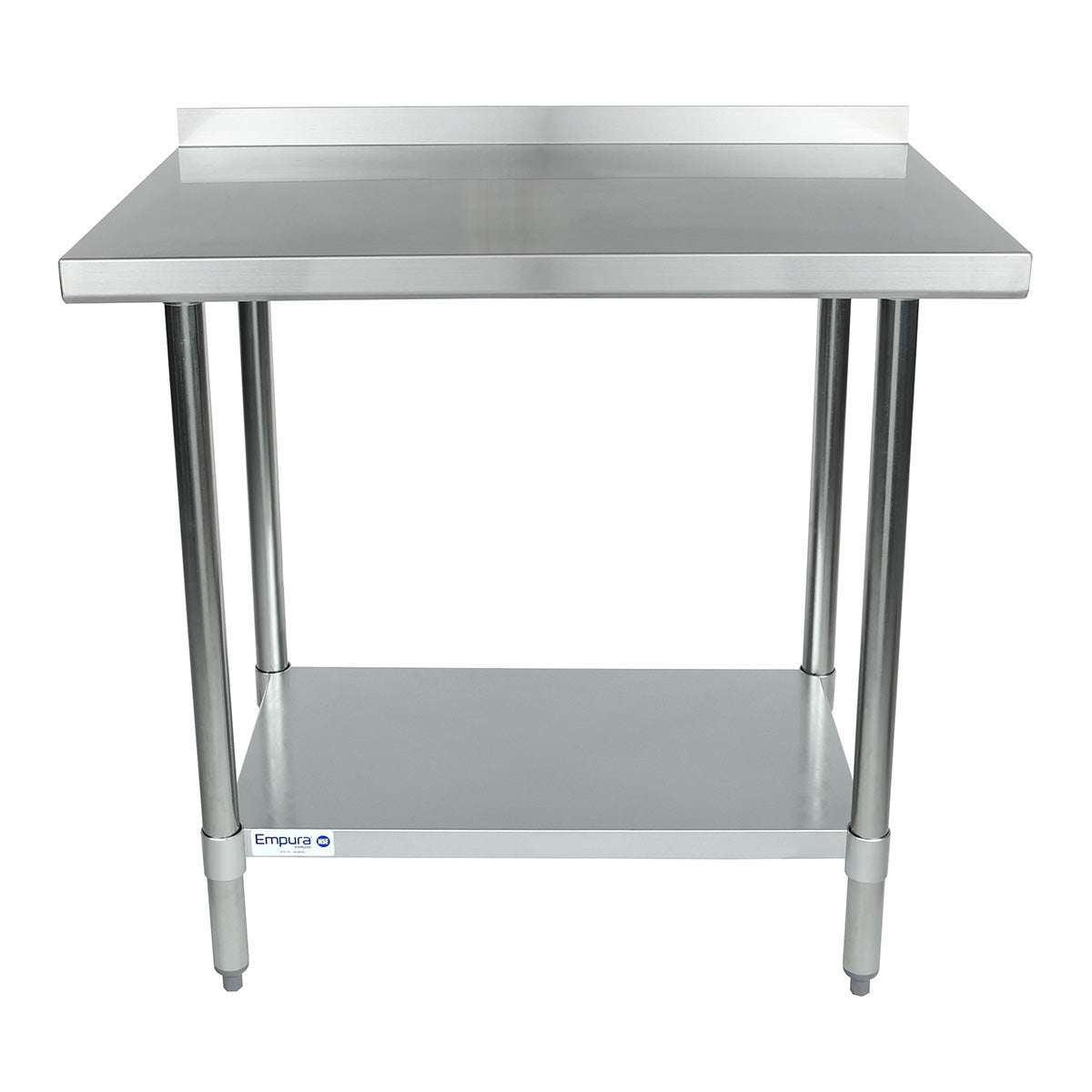
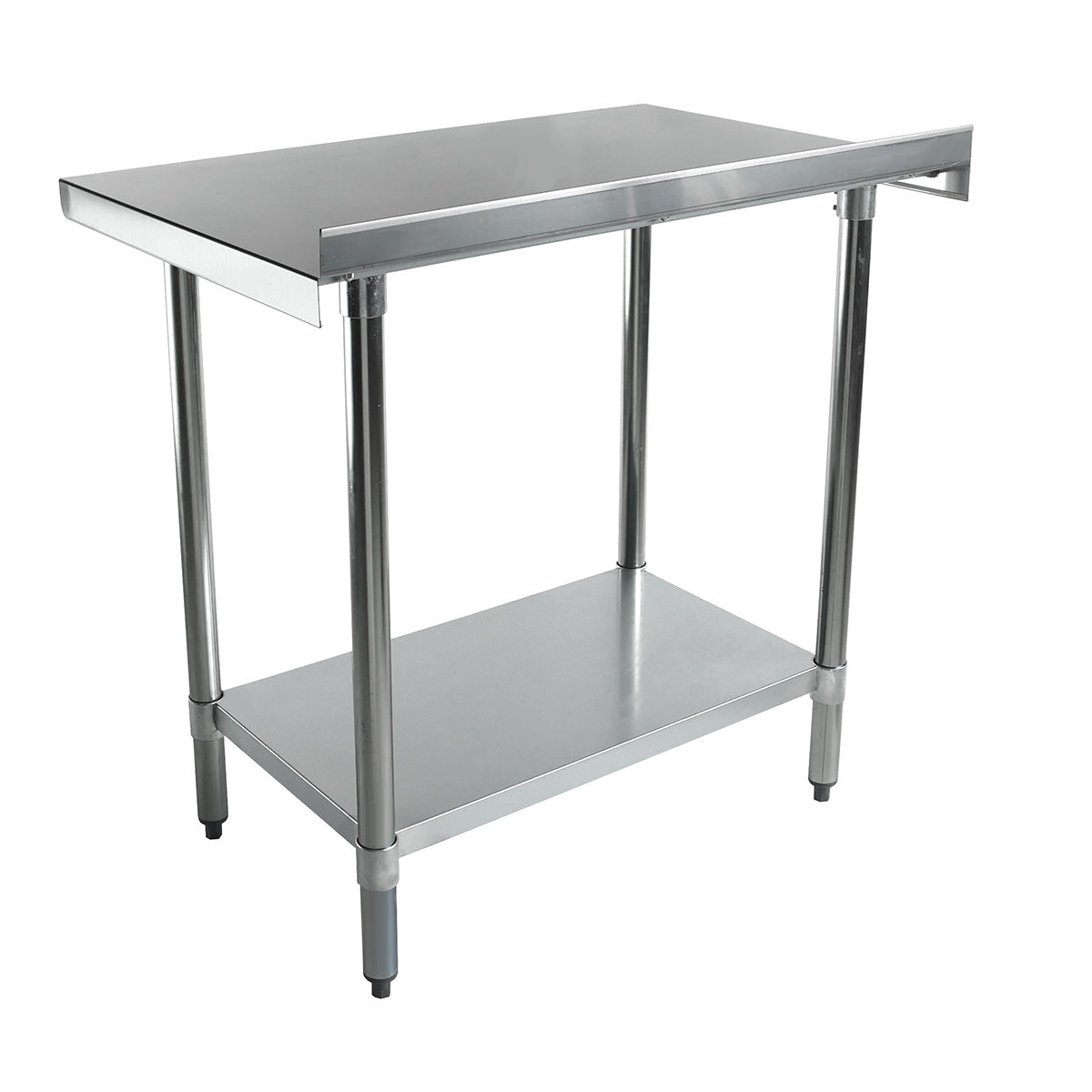
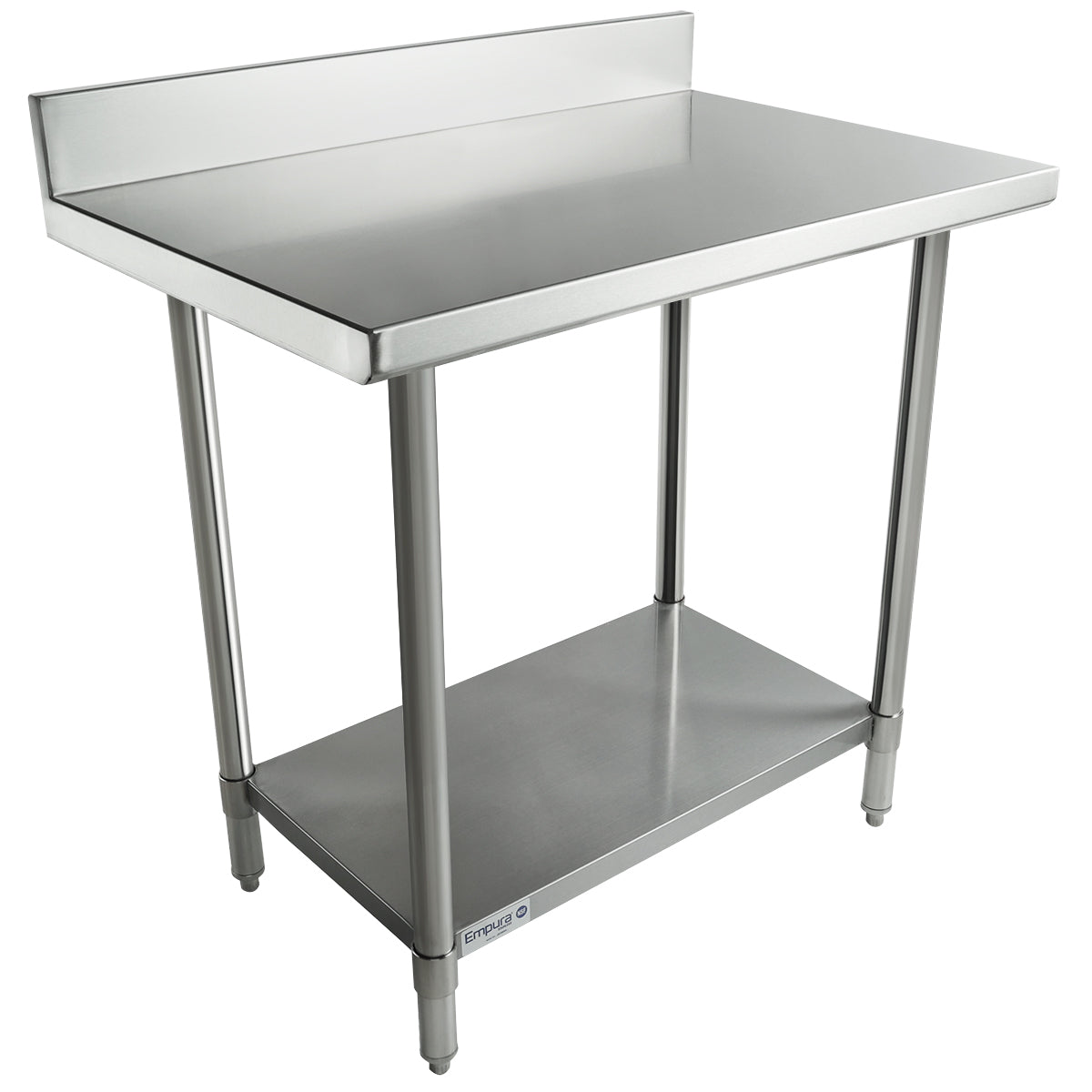
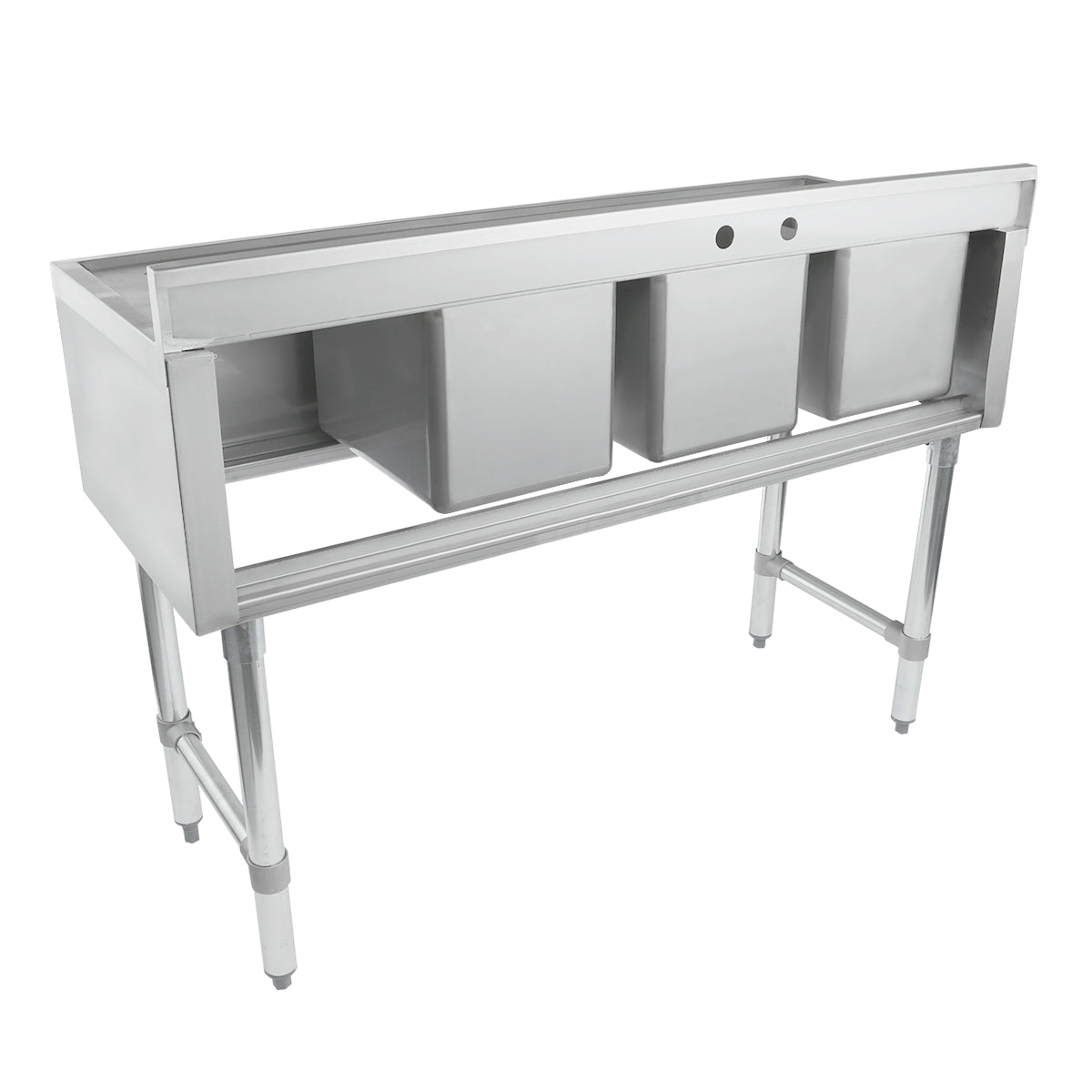
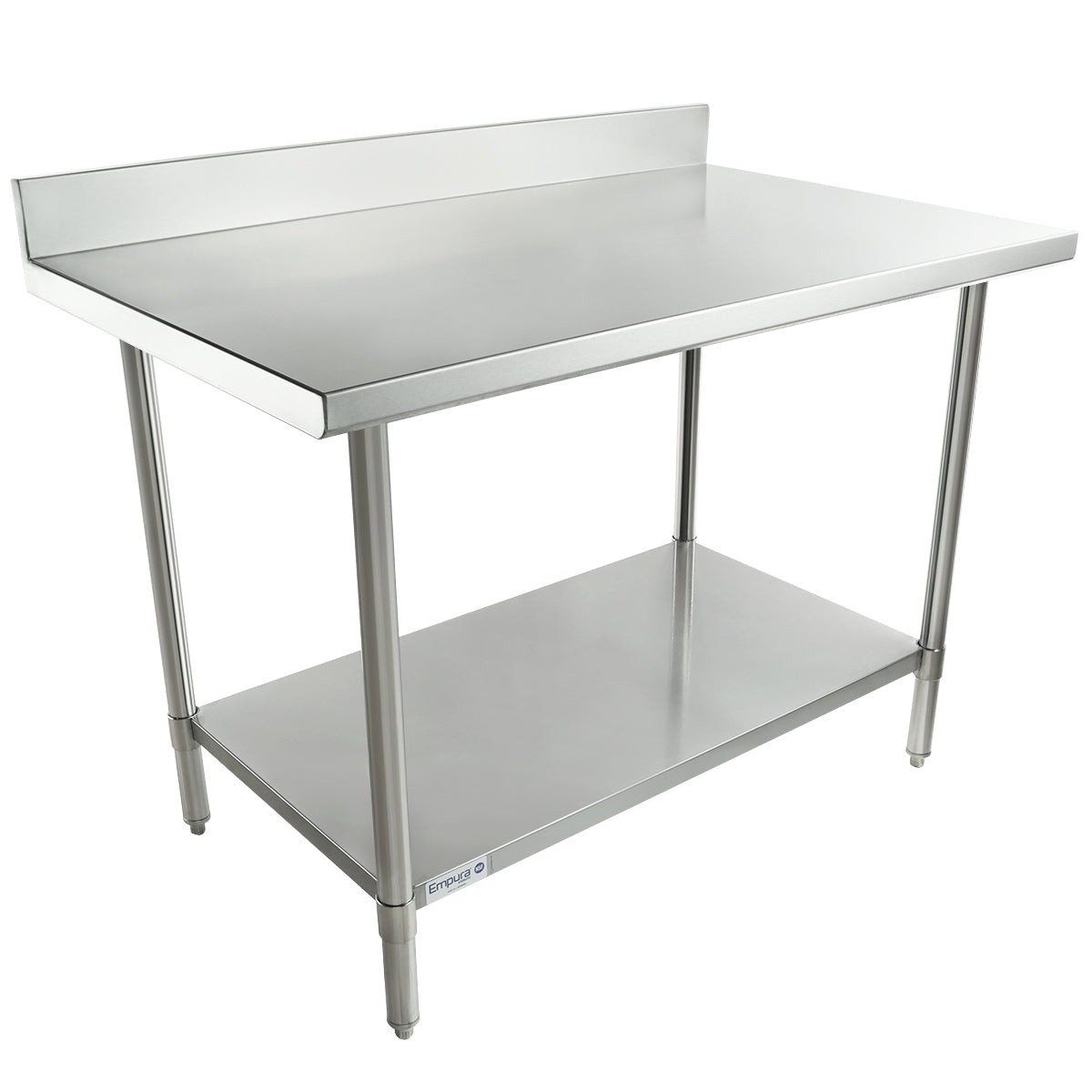
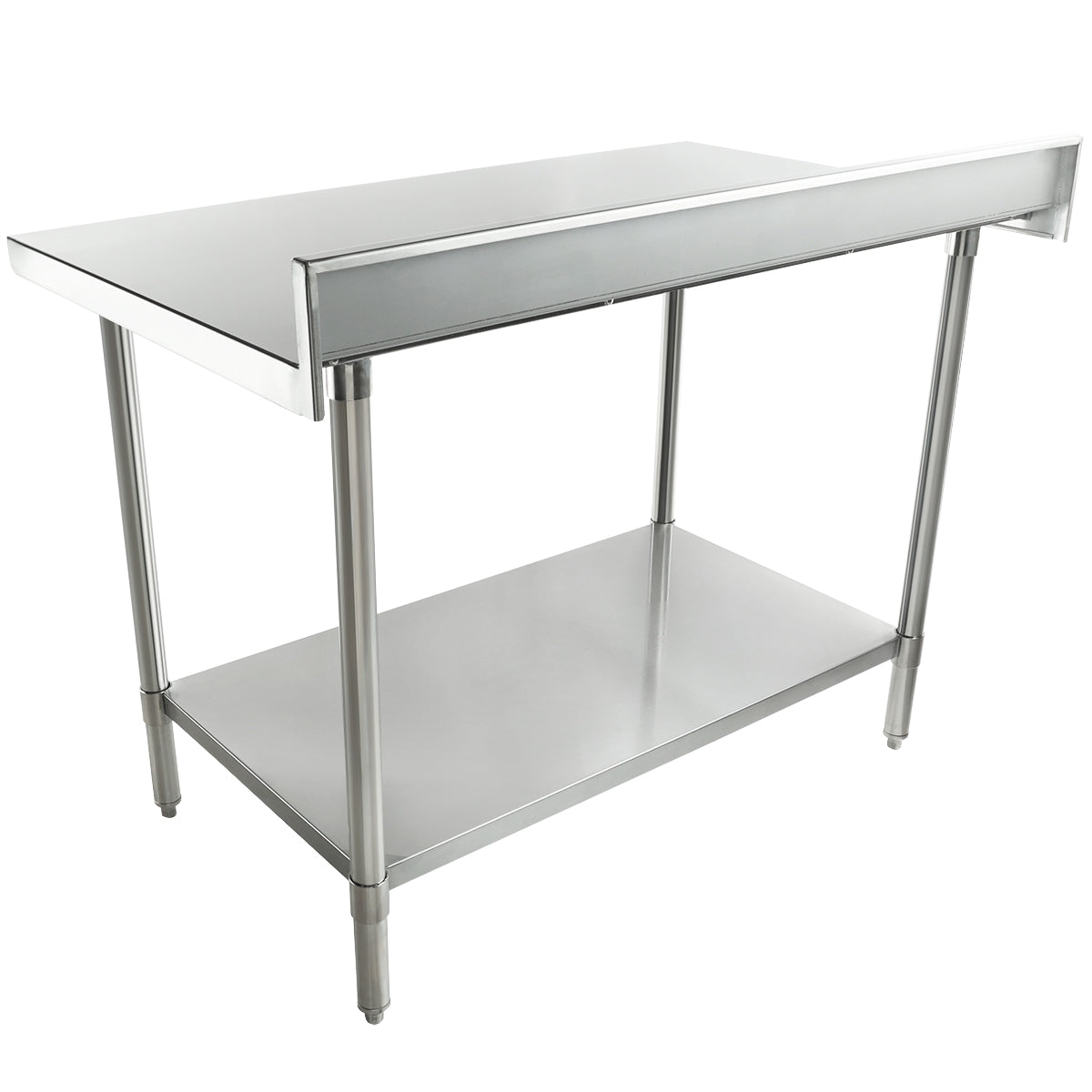
Start with function and layout, then compare dimensions, steel alloy grade, metal gauge, structural bracing, load capacity, bowl sizes, backsplash and drainboard configuration, plumbing needs, and certification. Type 304 generally suits wet prep, washing, and more corrosive conditions, while Type 430 serves dry prep and equipment support. Lower gauge numbers indicate thicker sheet metal, though bracing and overall construction also affect performance.
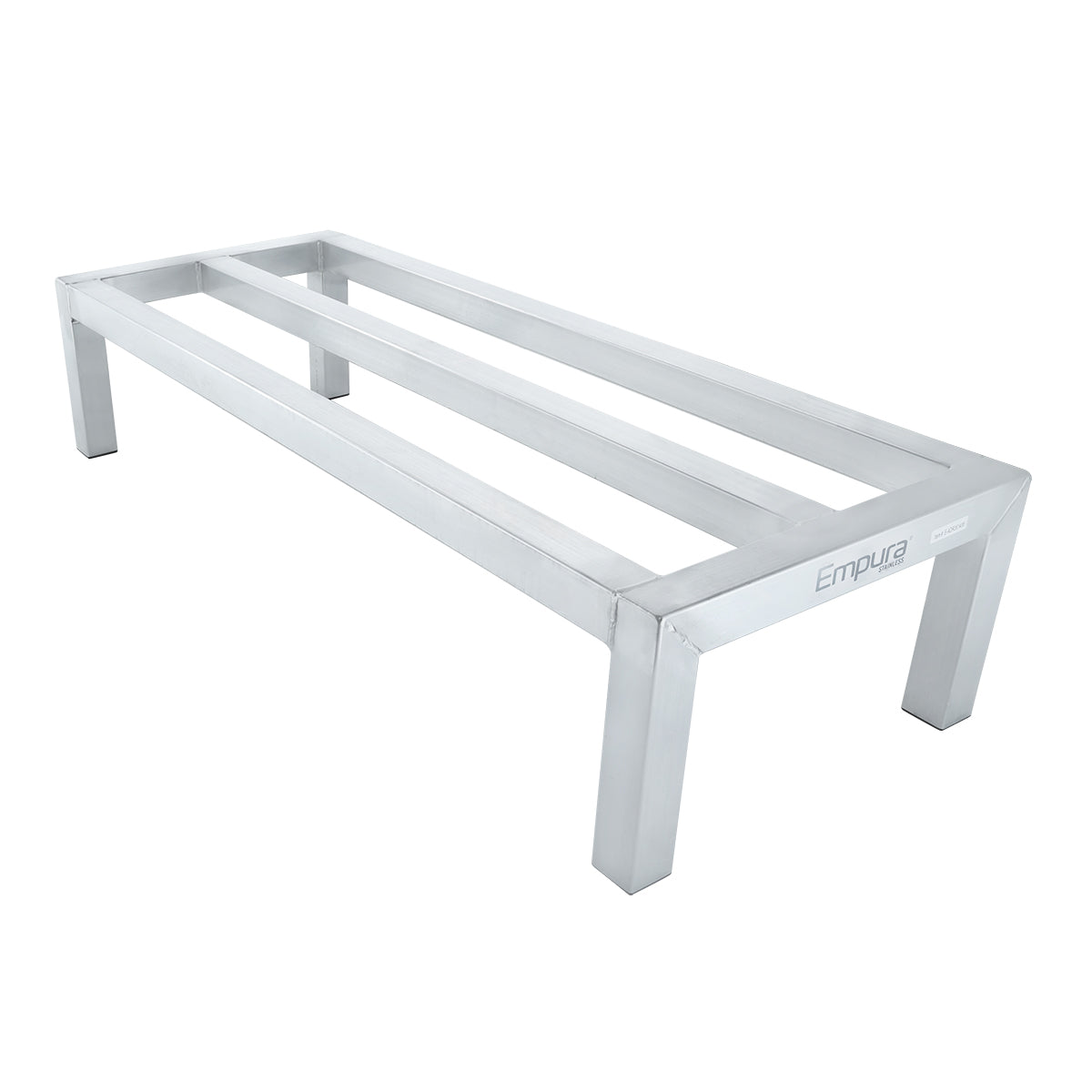
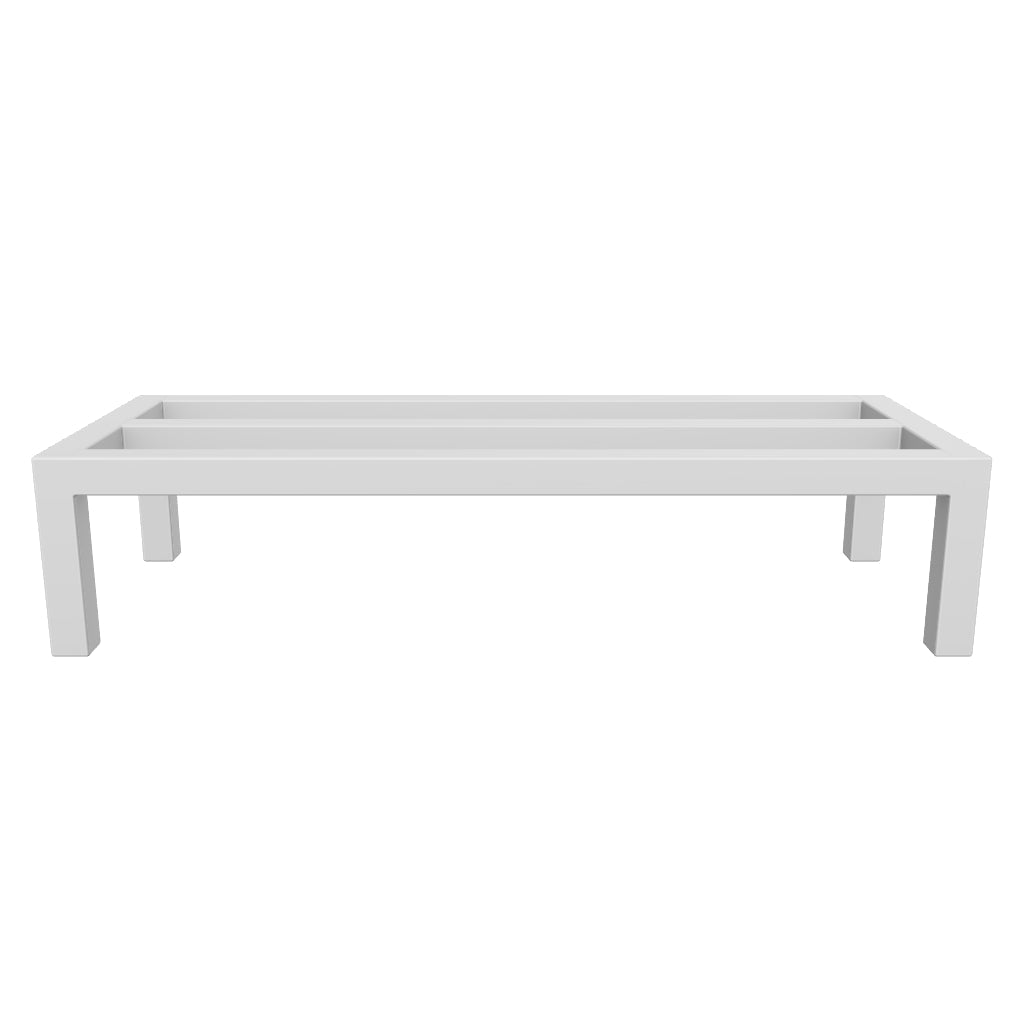
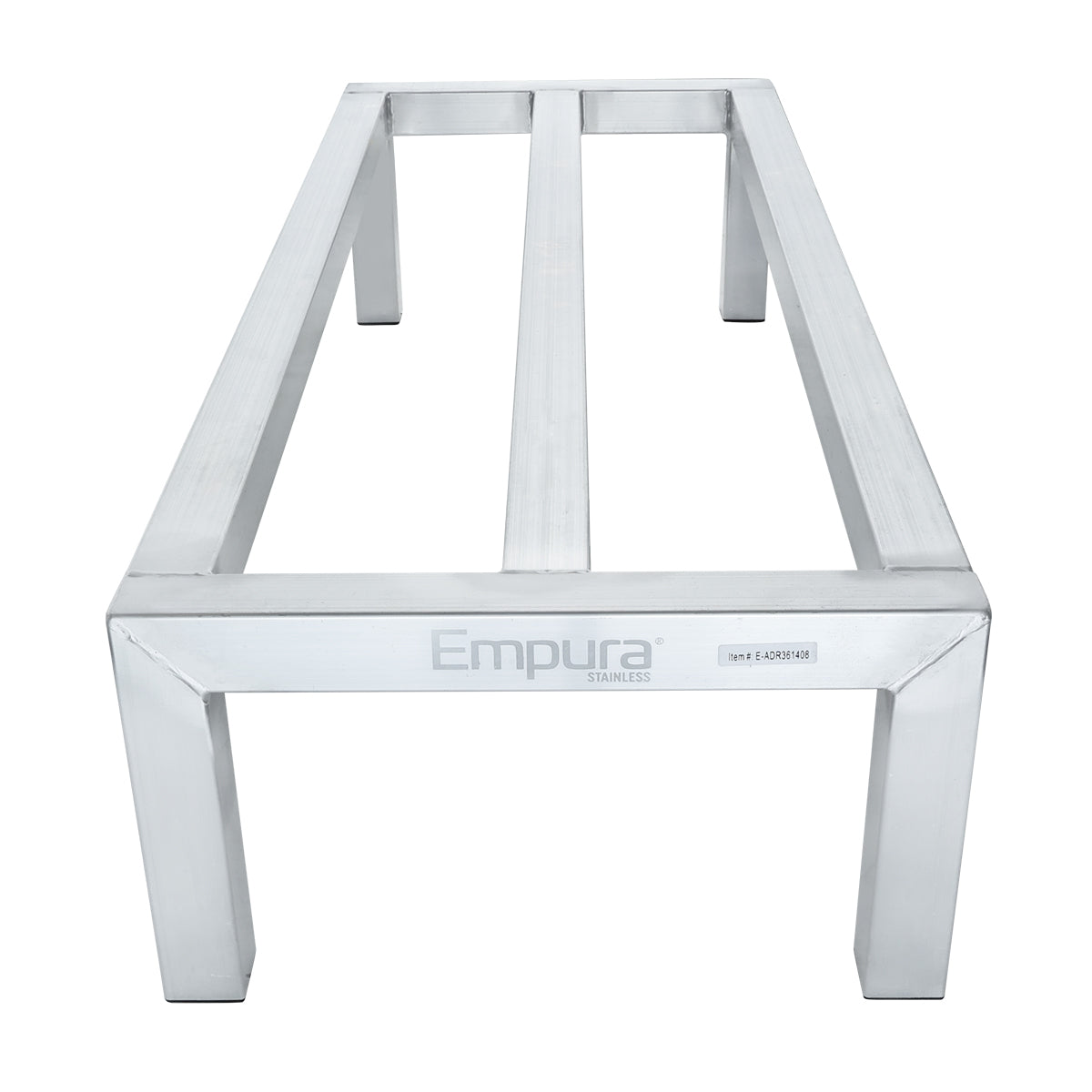
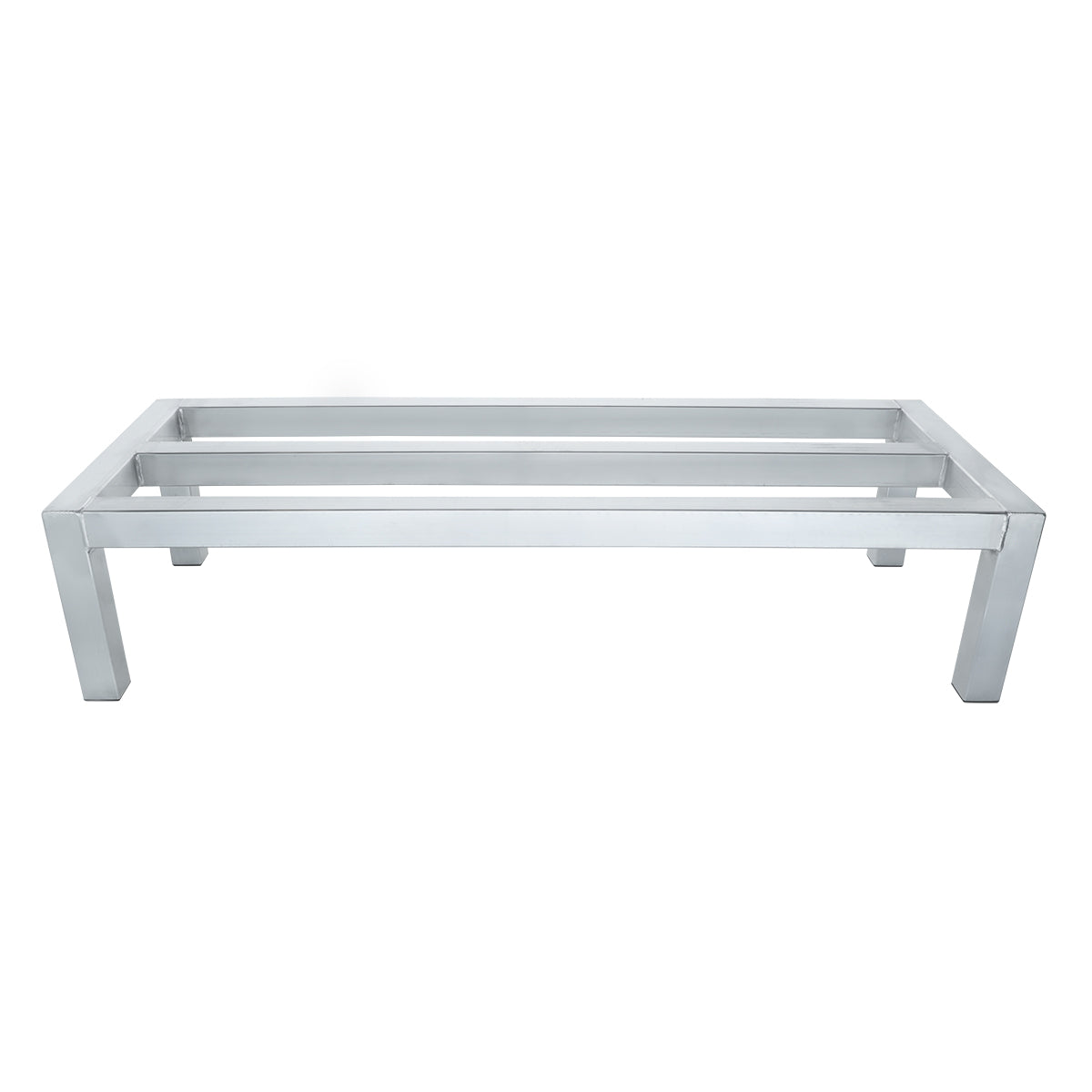
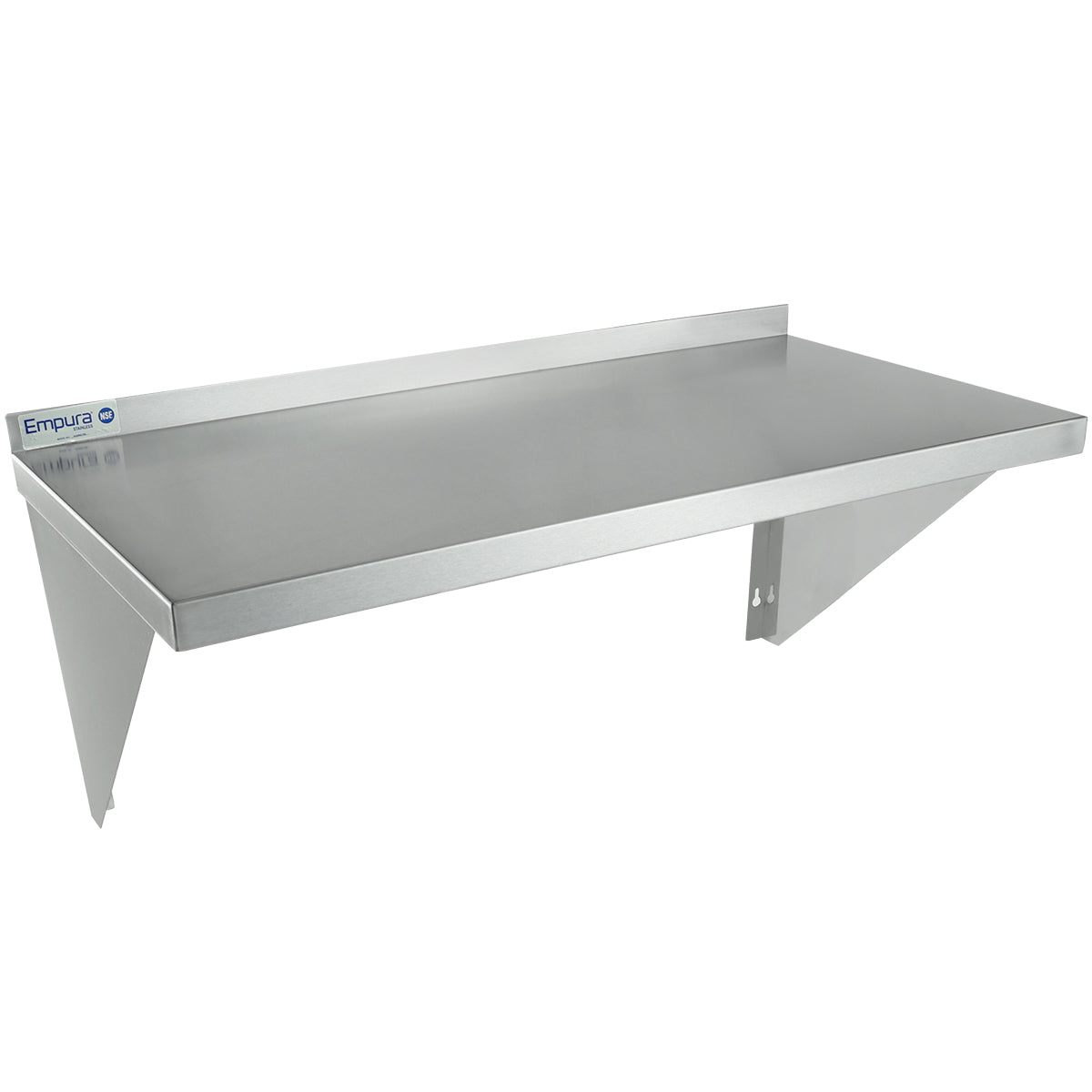
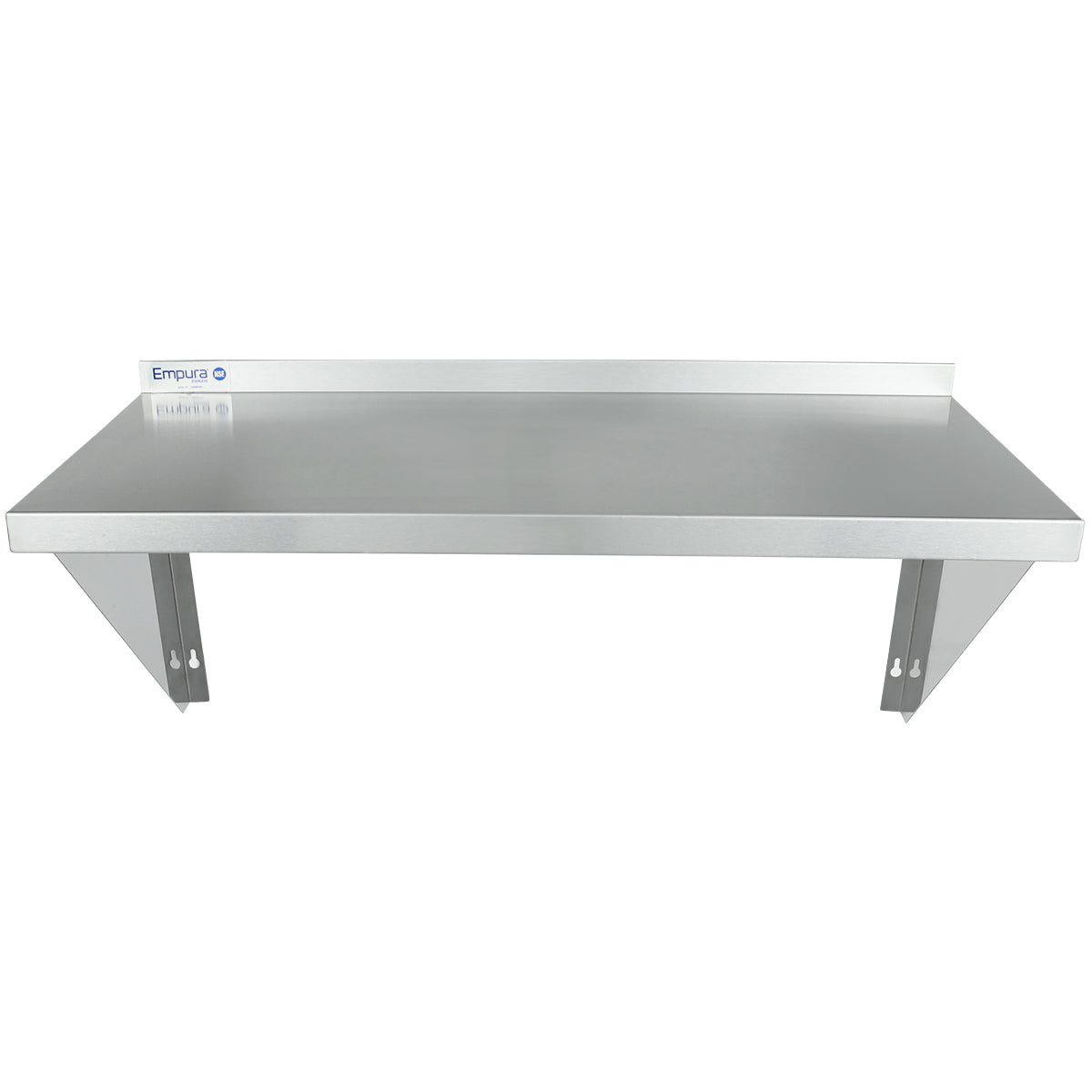
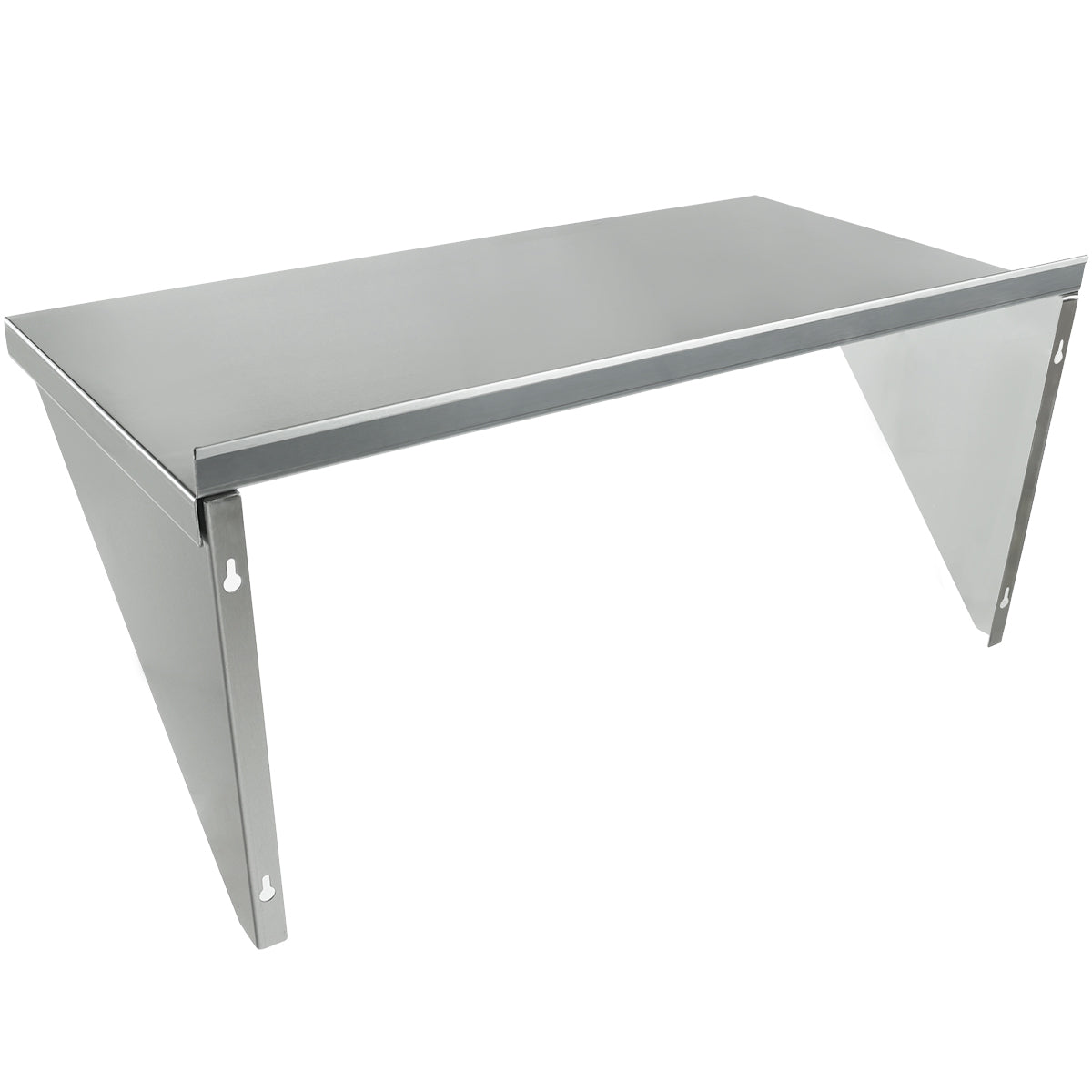
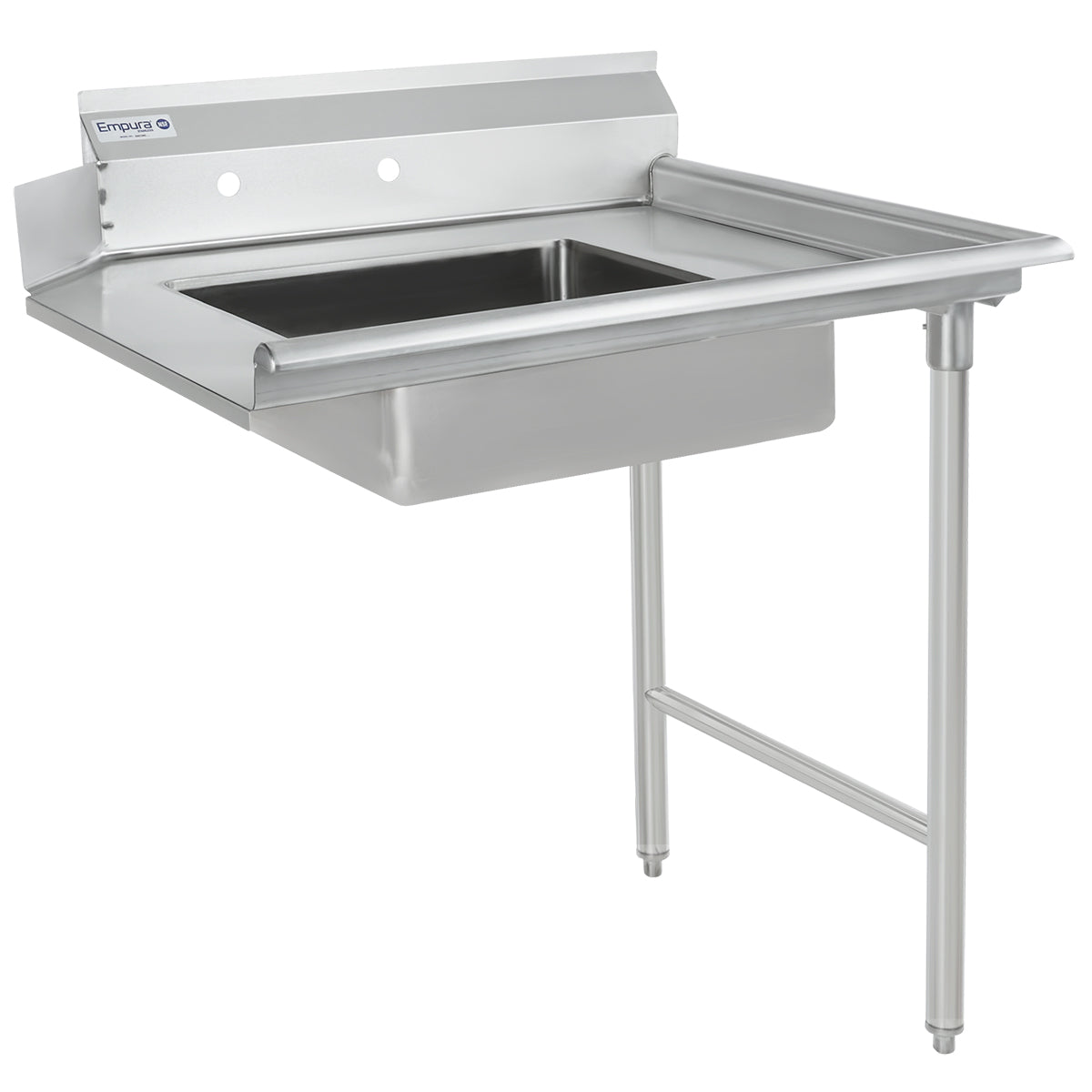
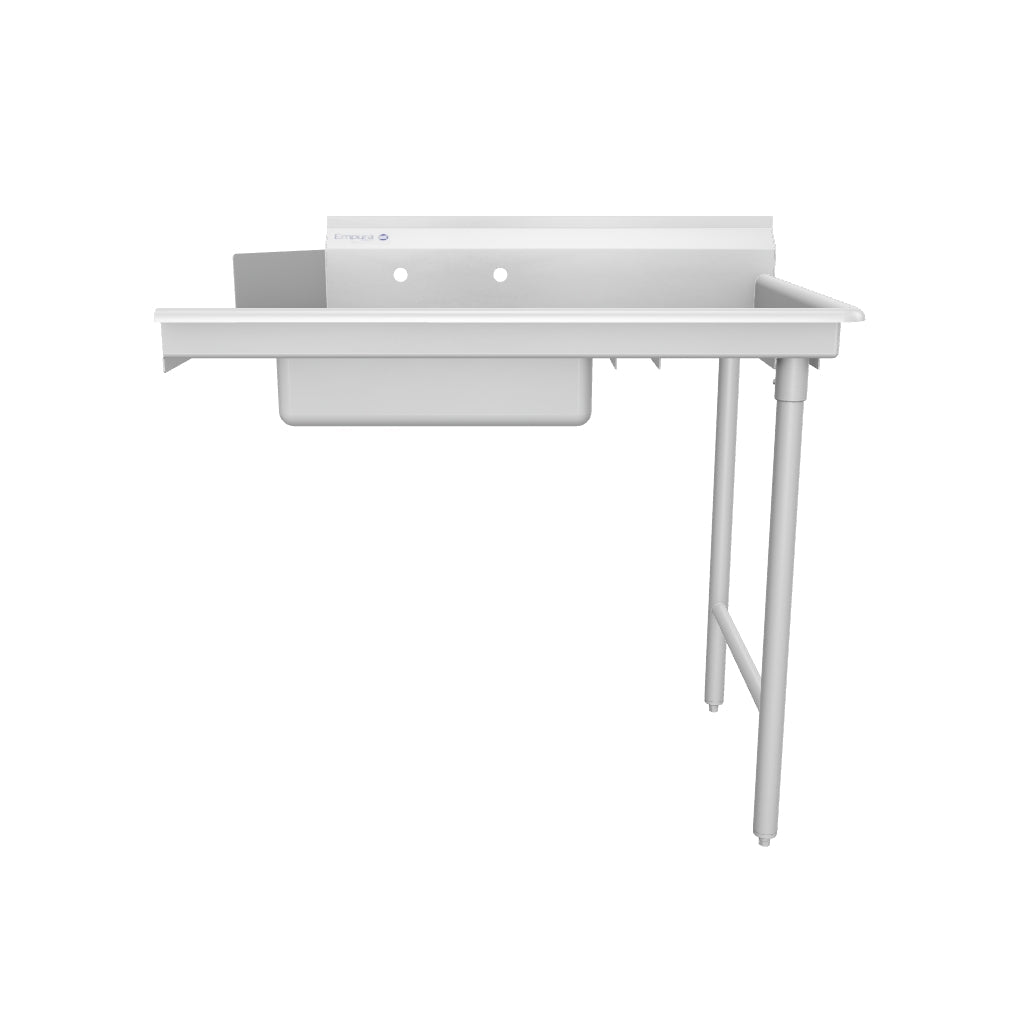
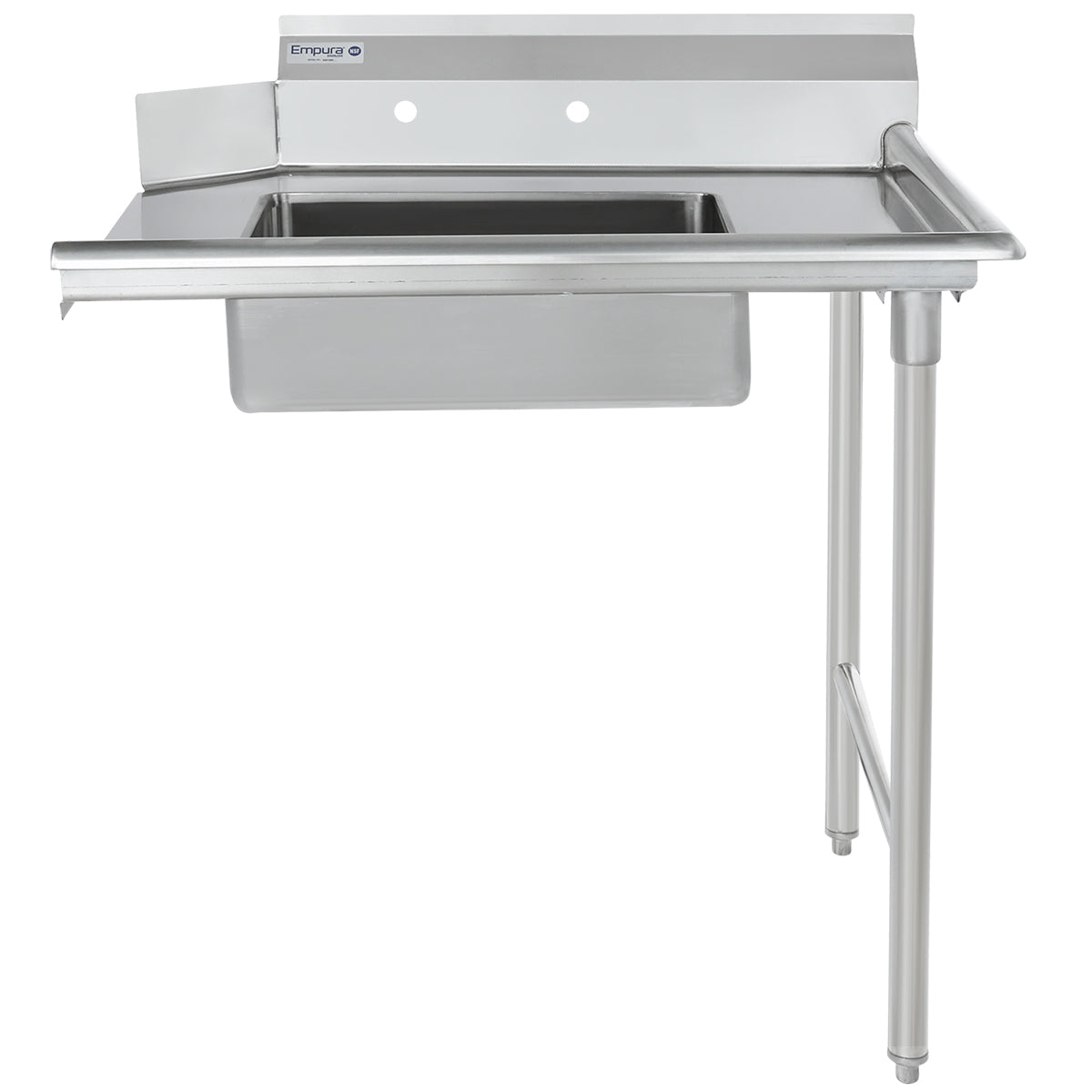
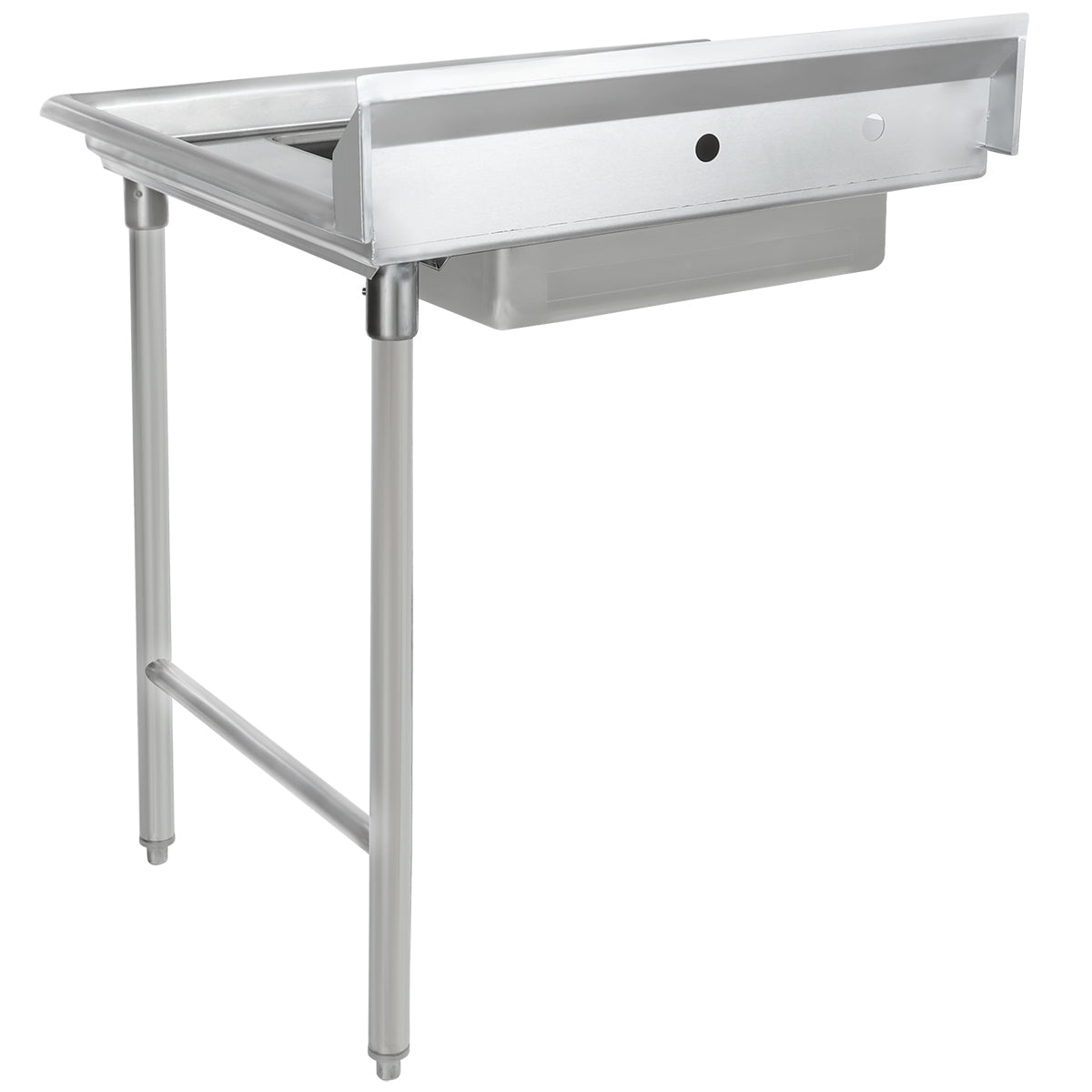
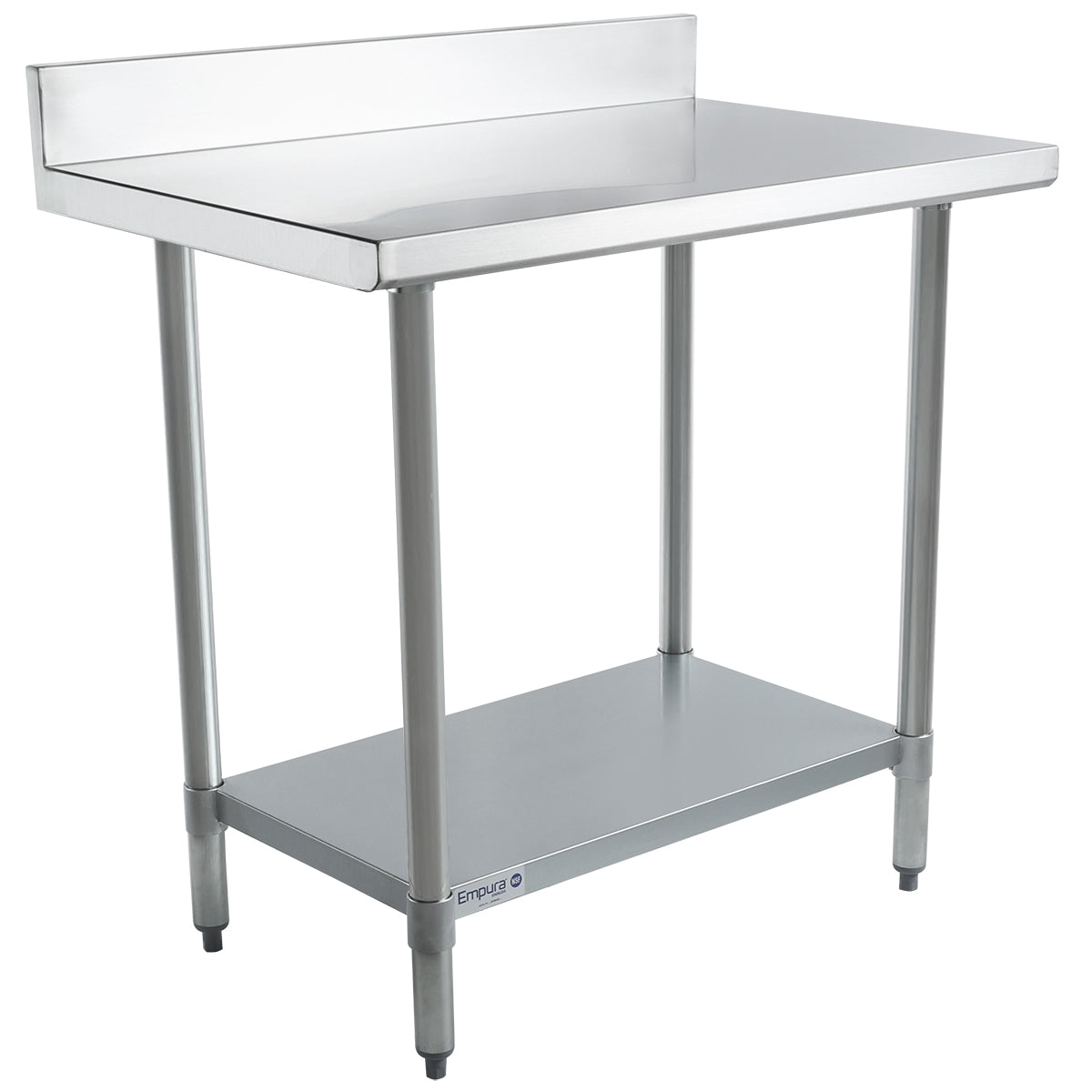
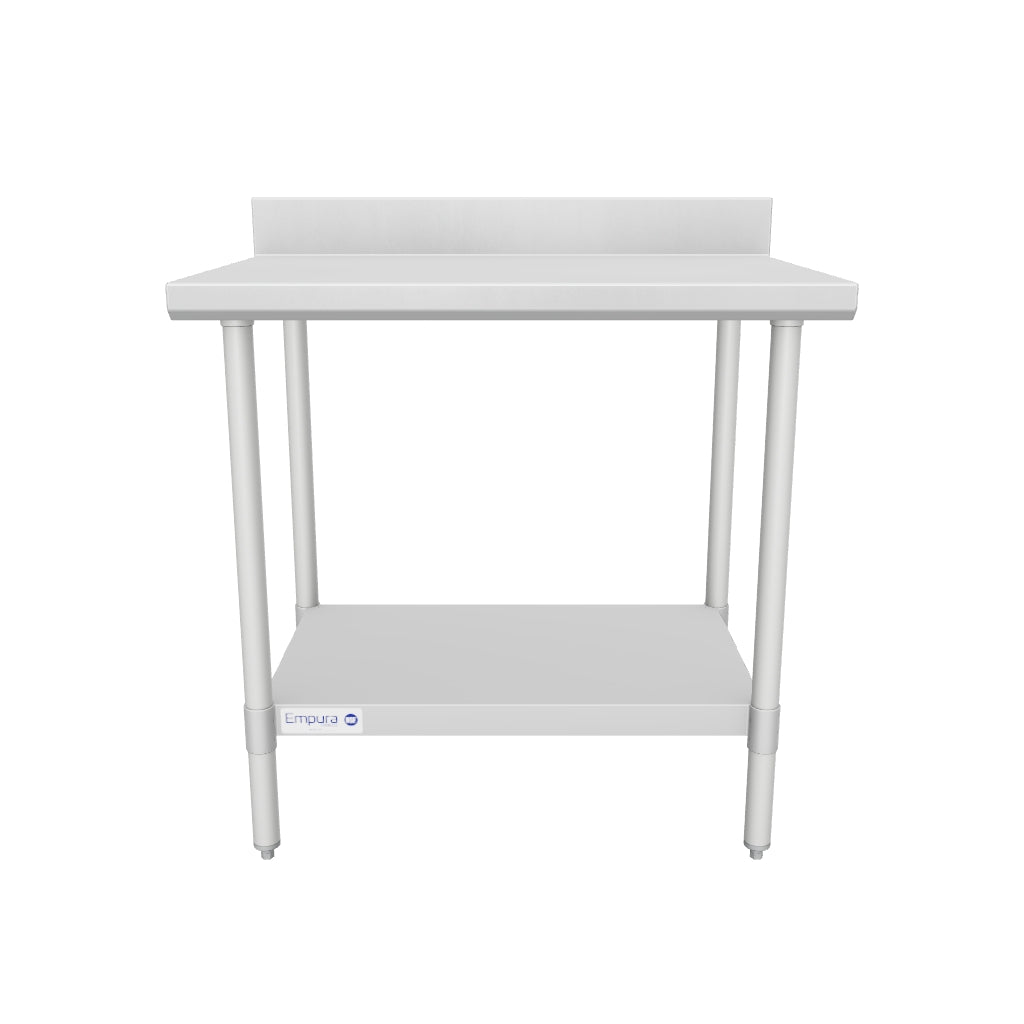
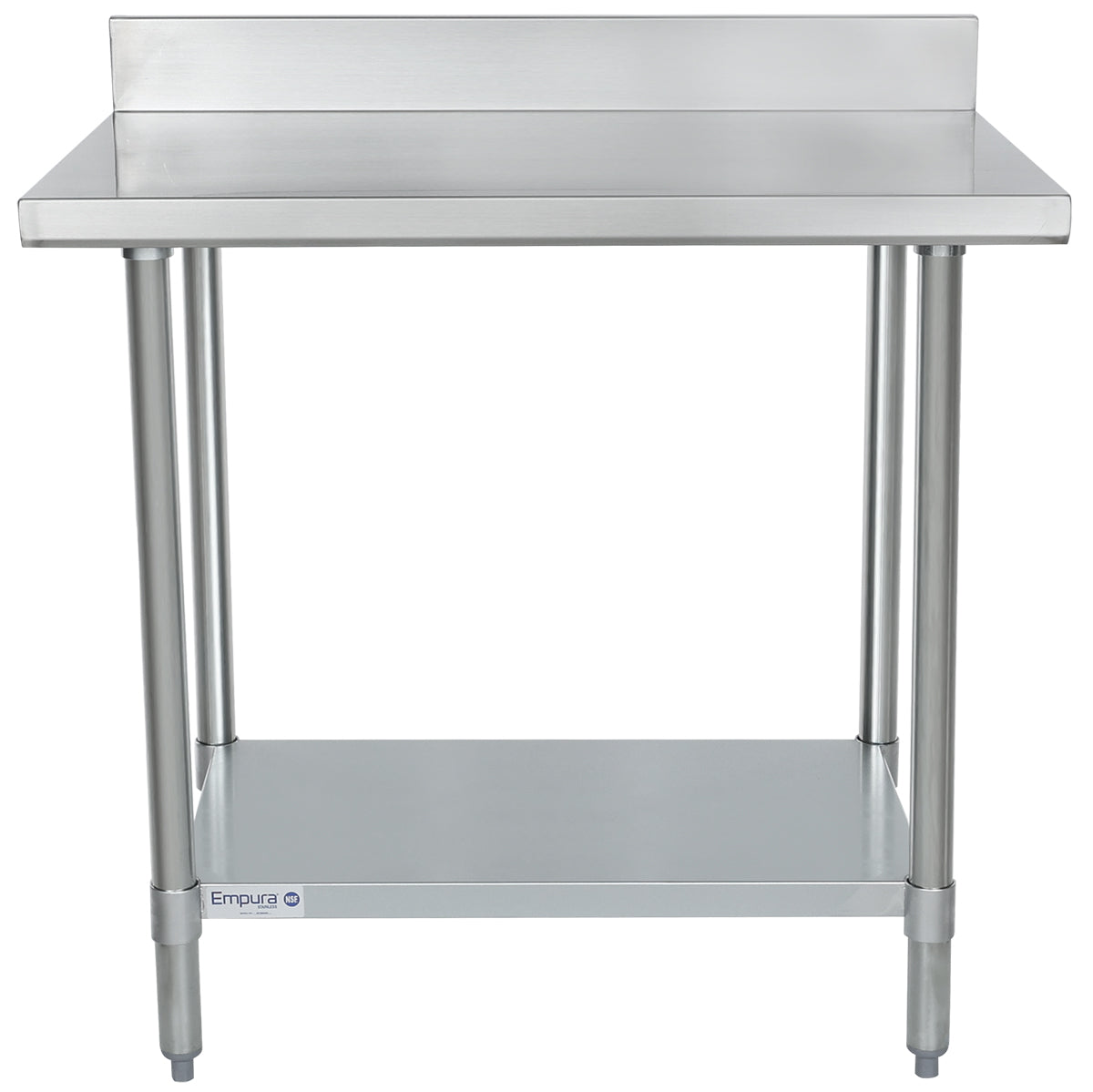
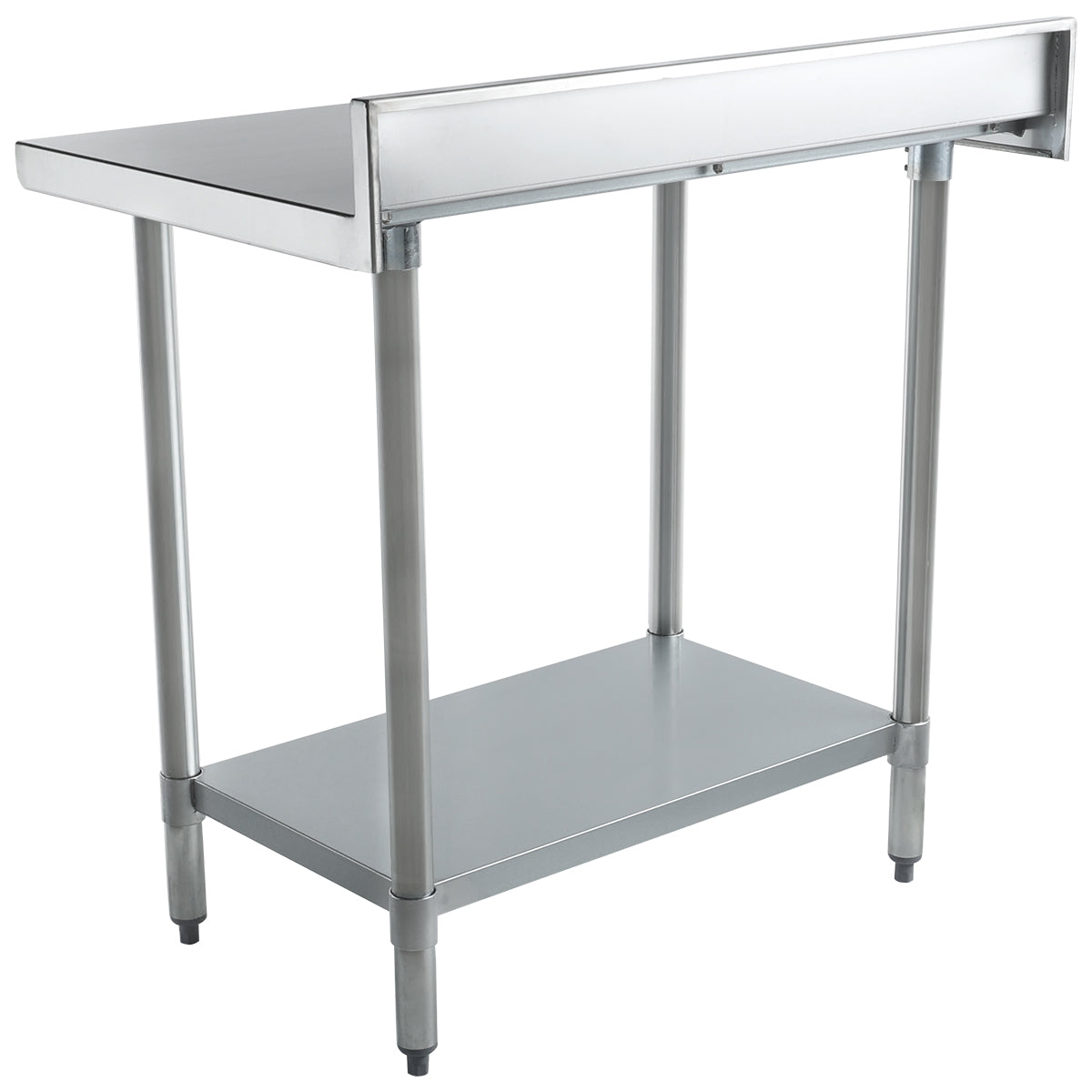
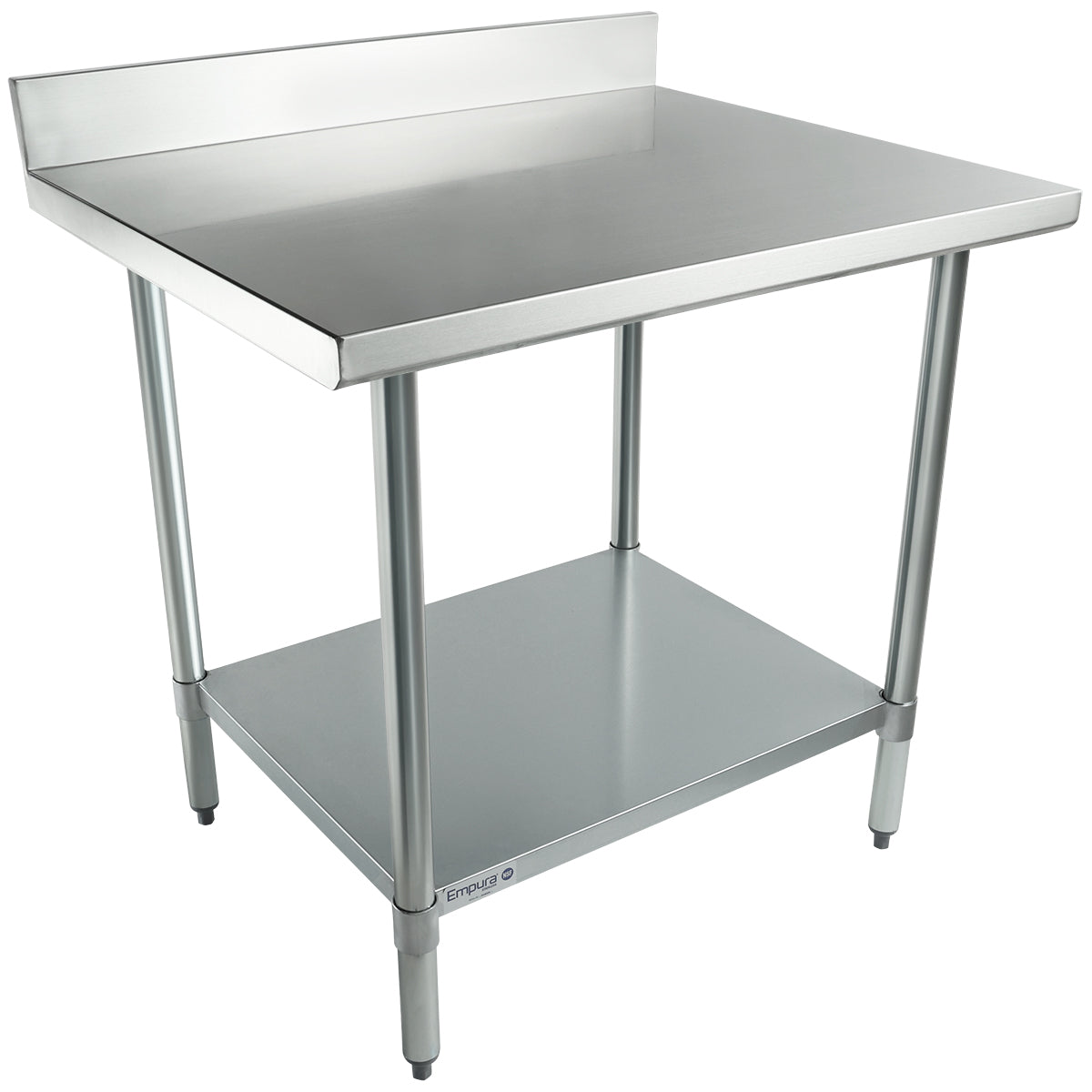
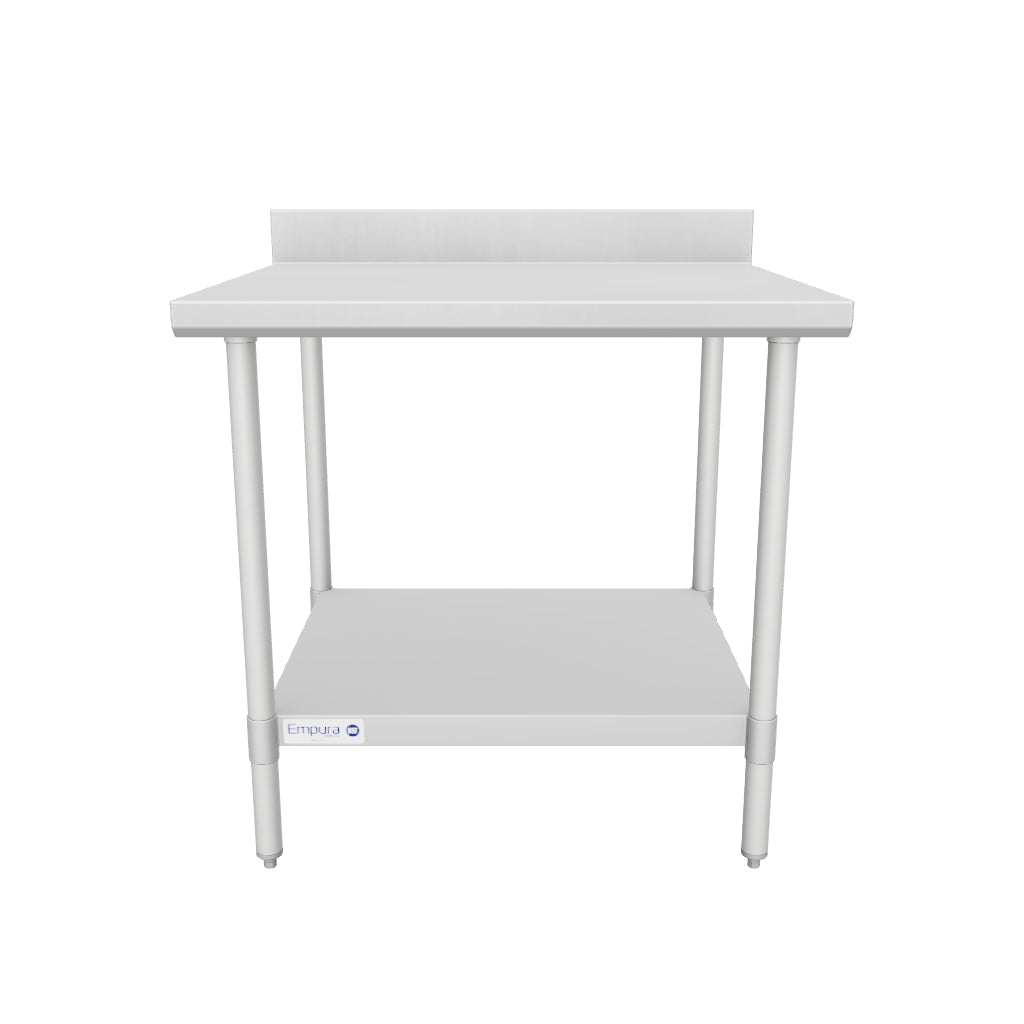
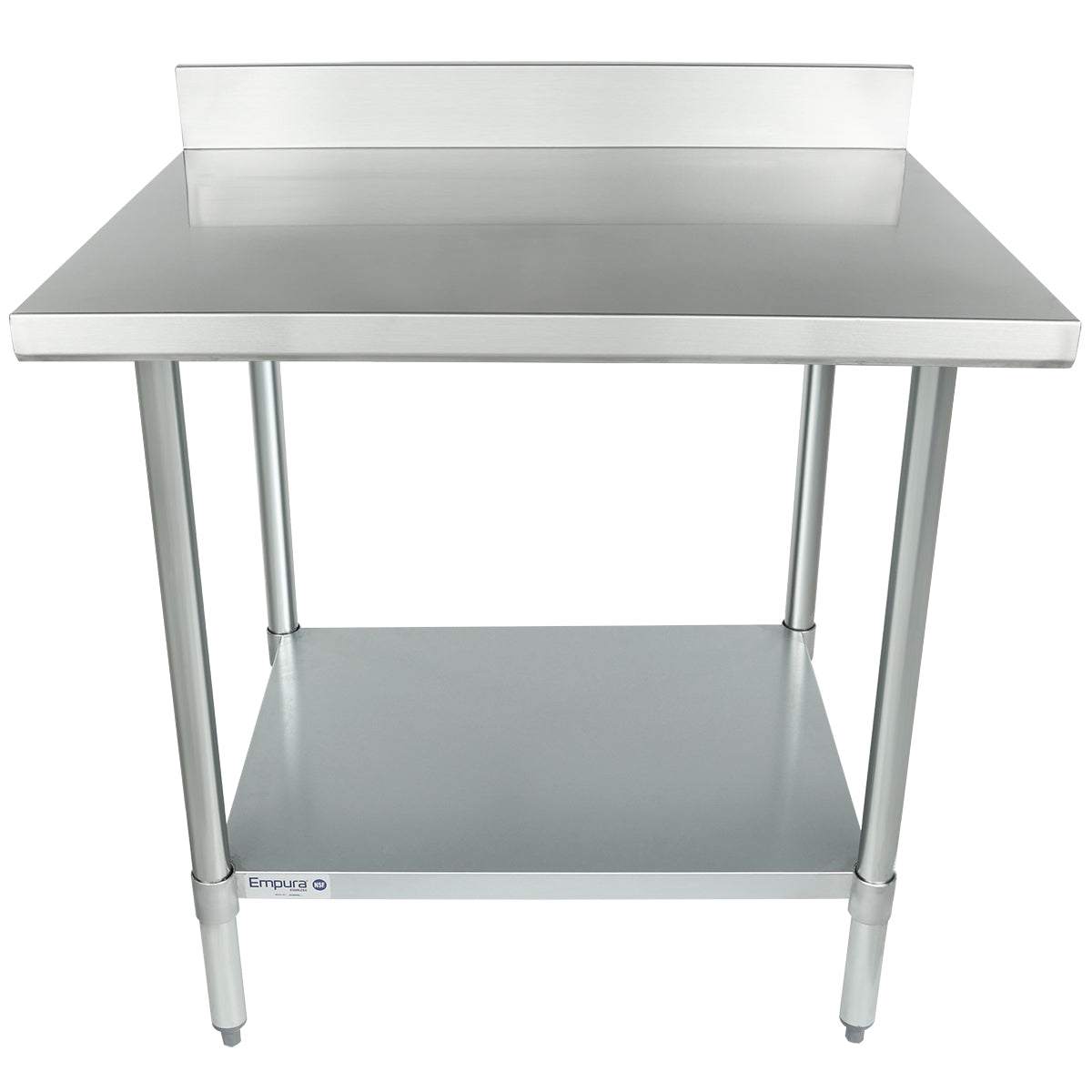
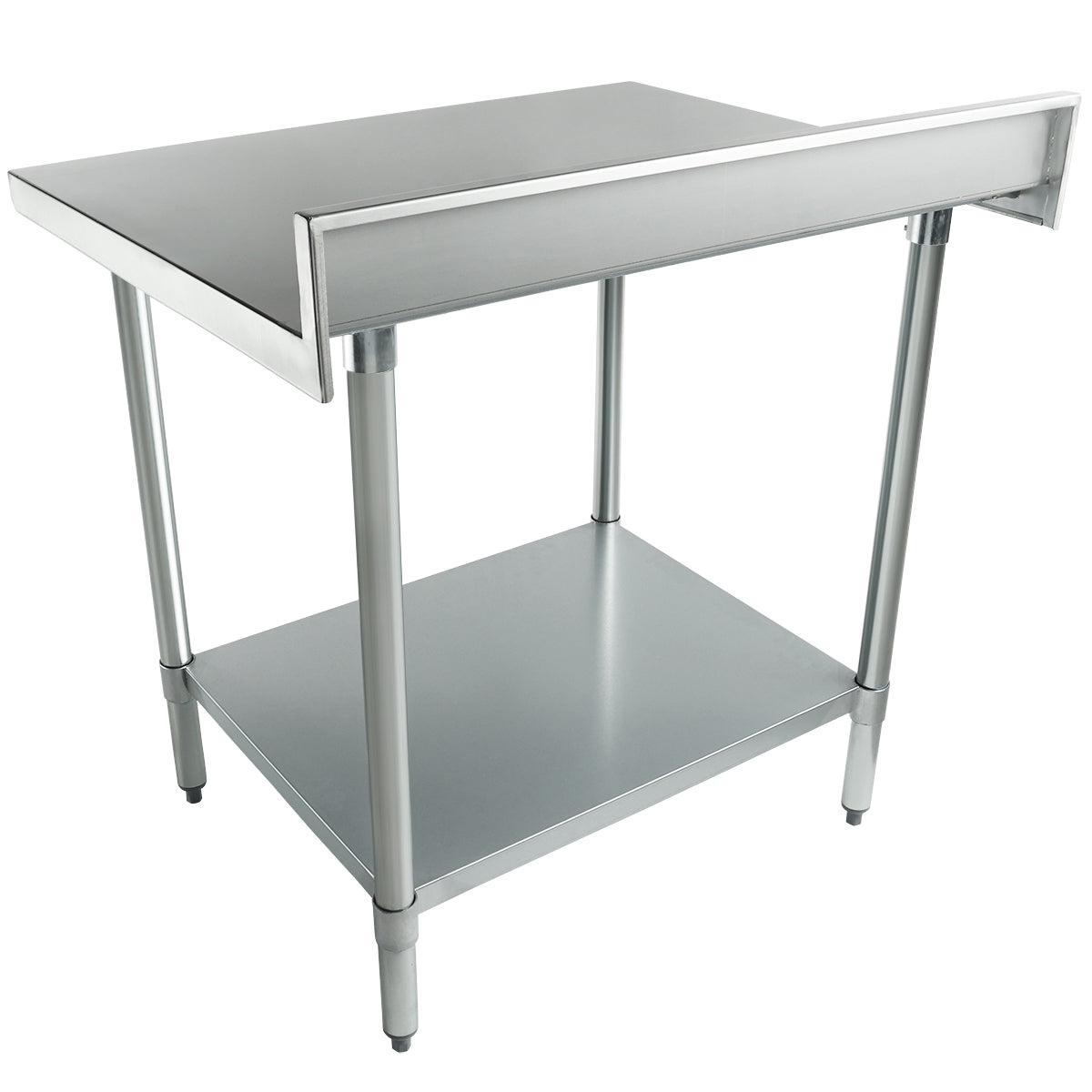
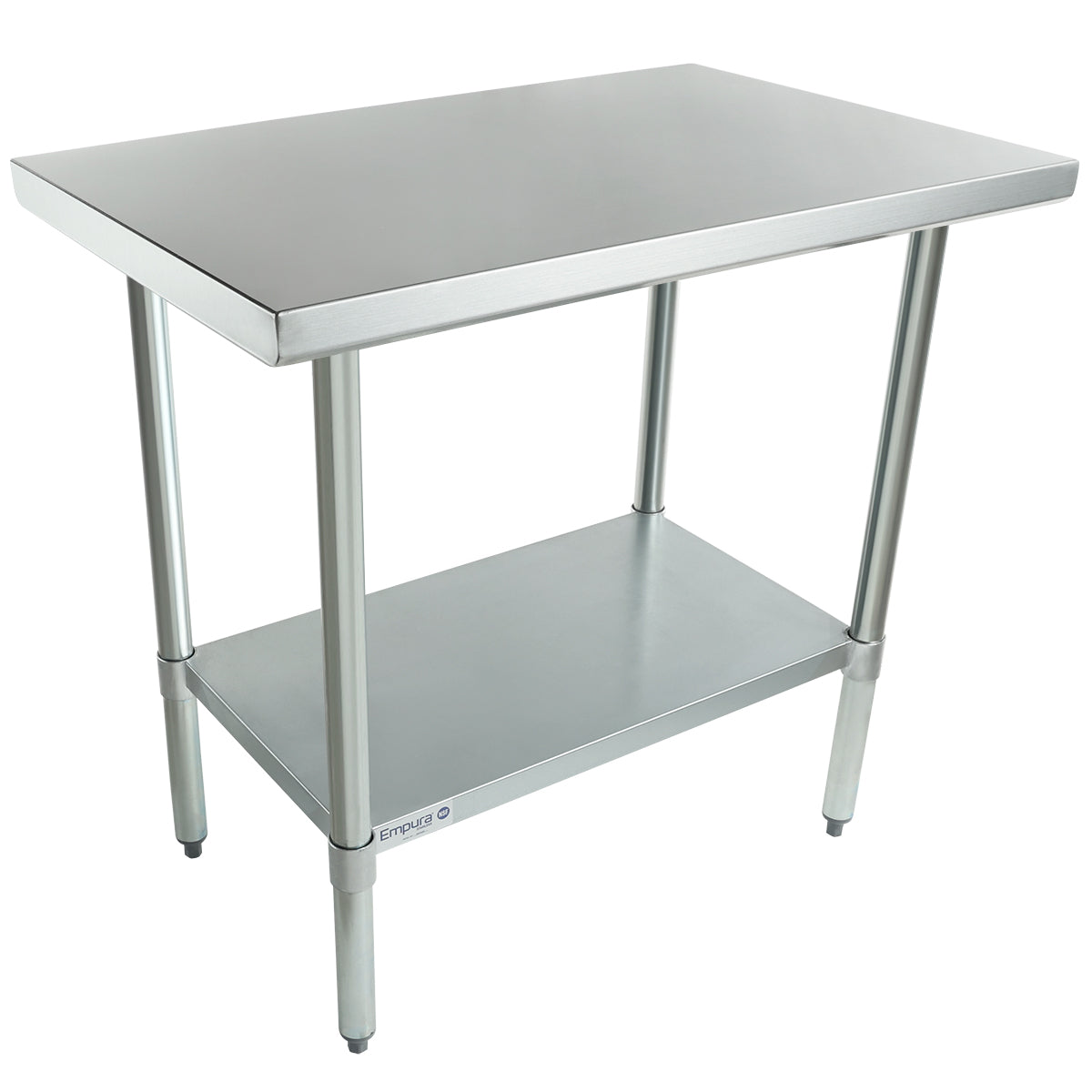
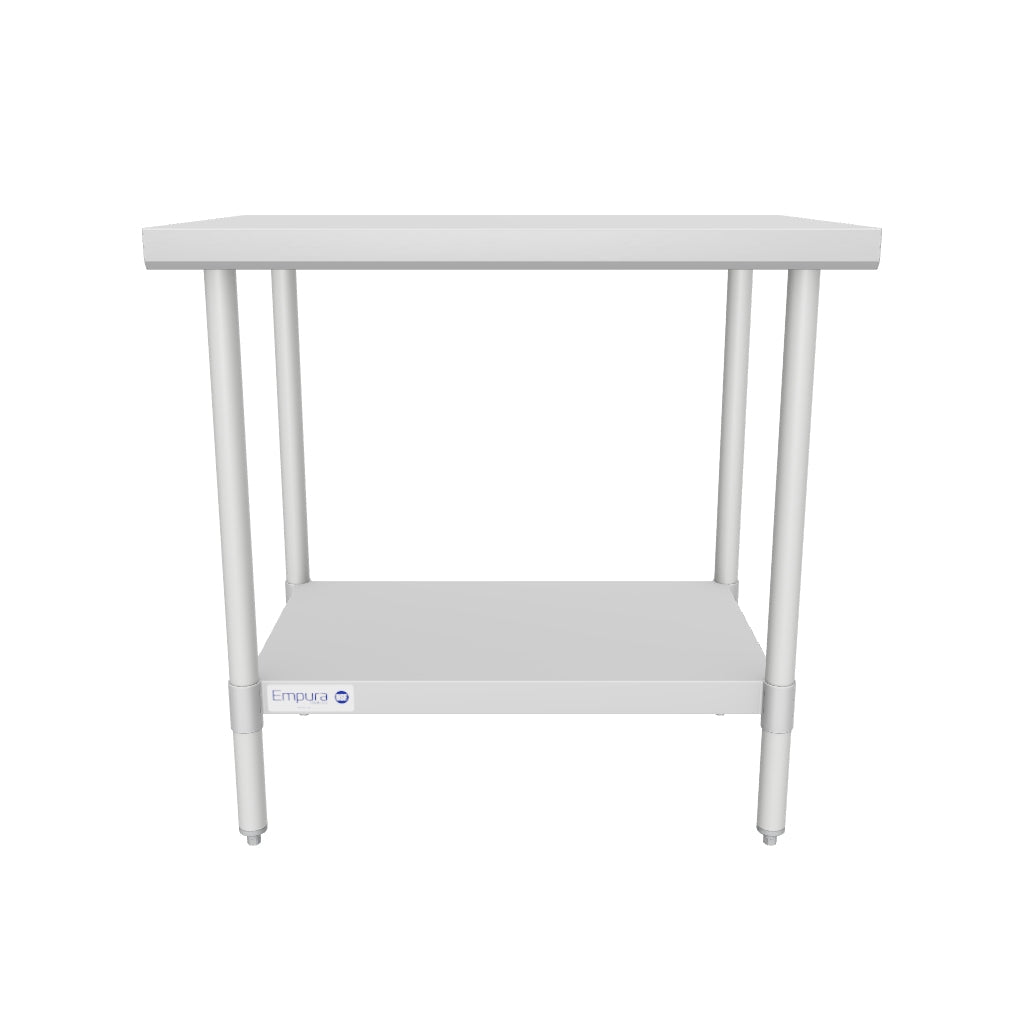
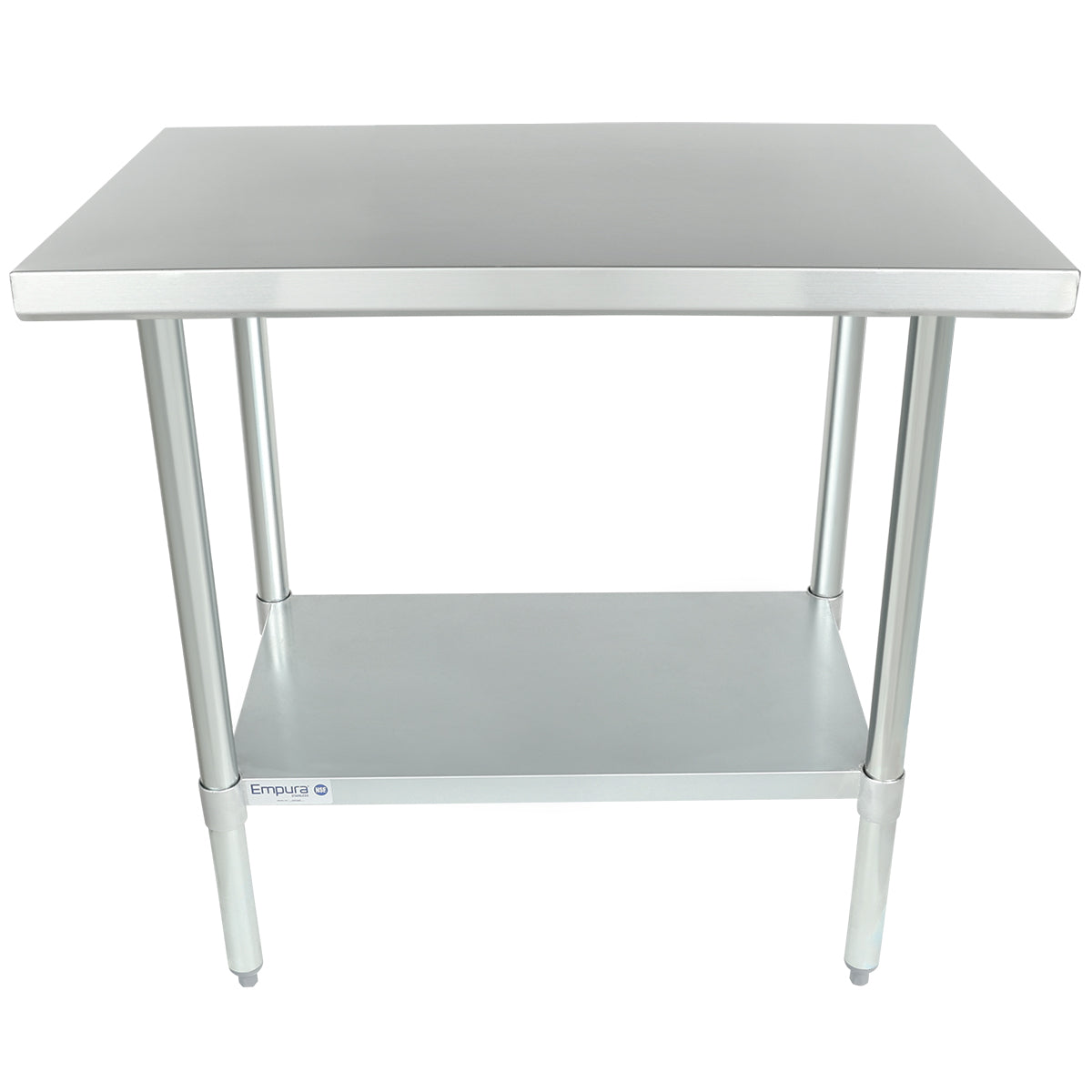
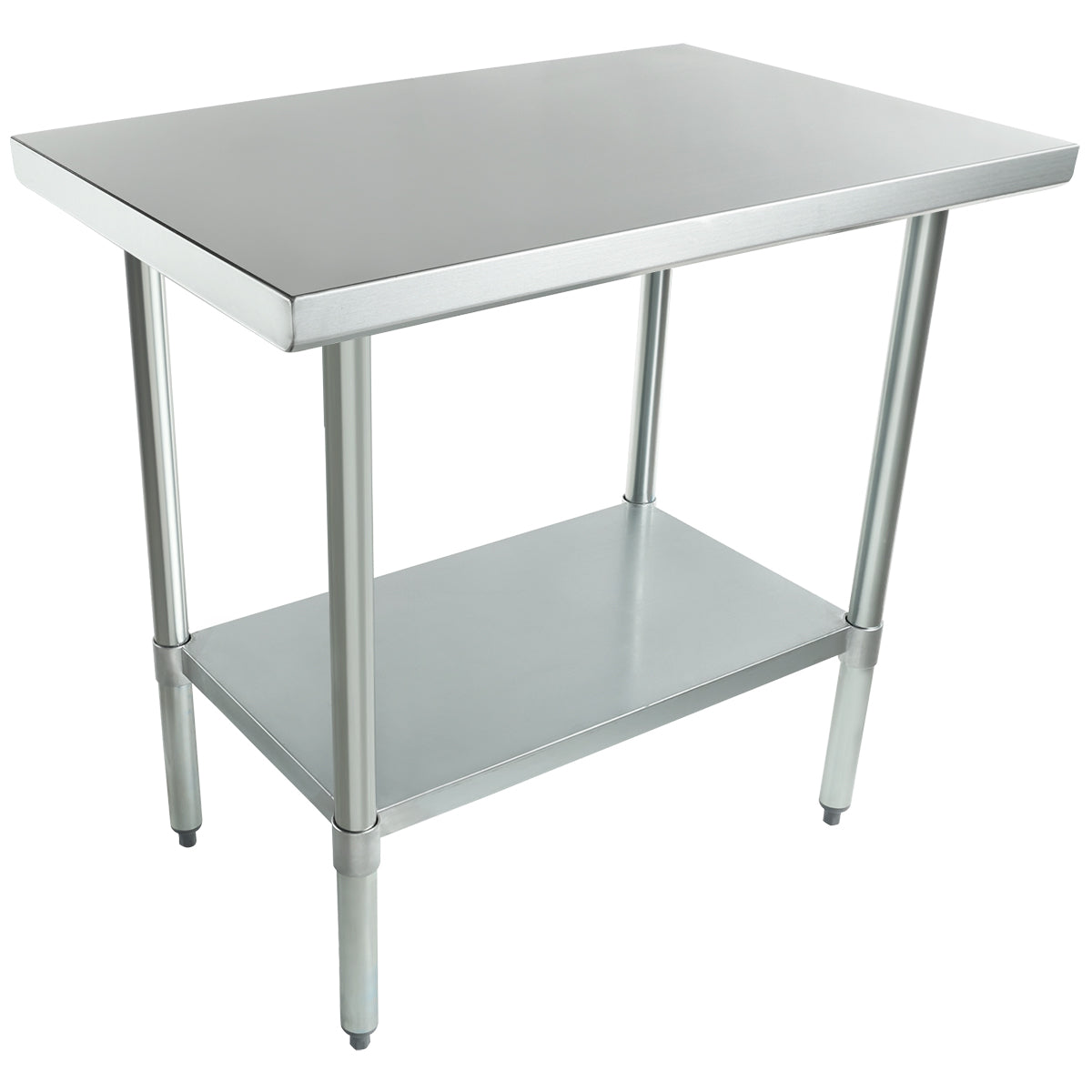
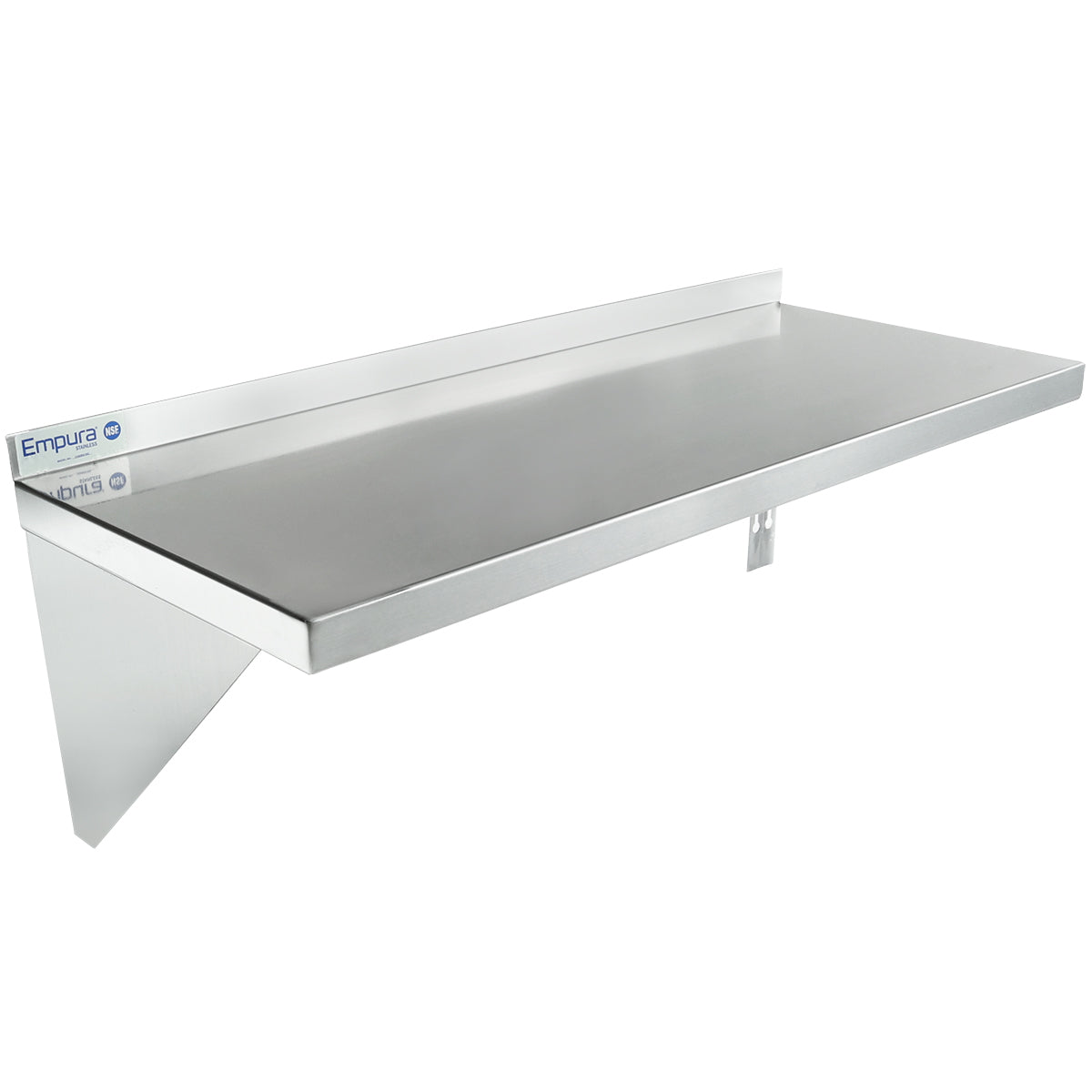
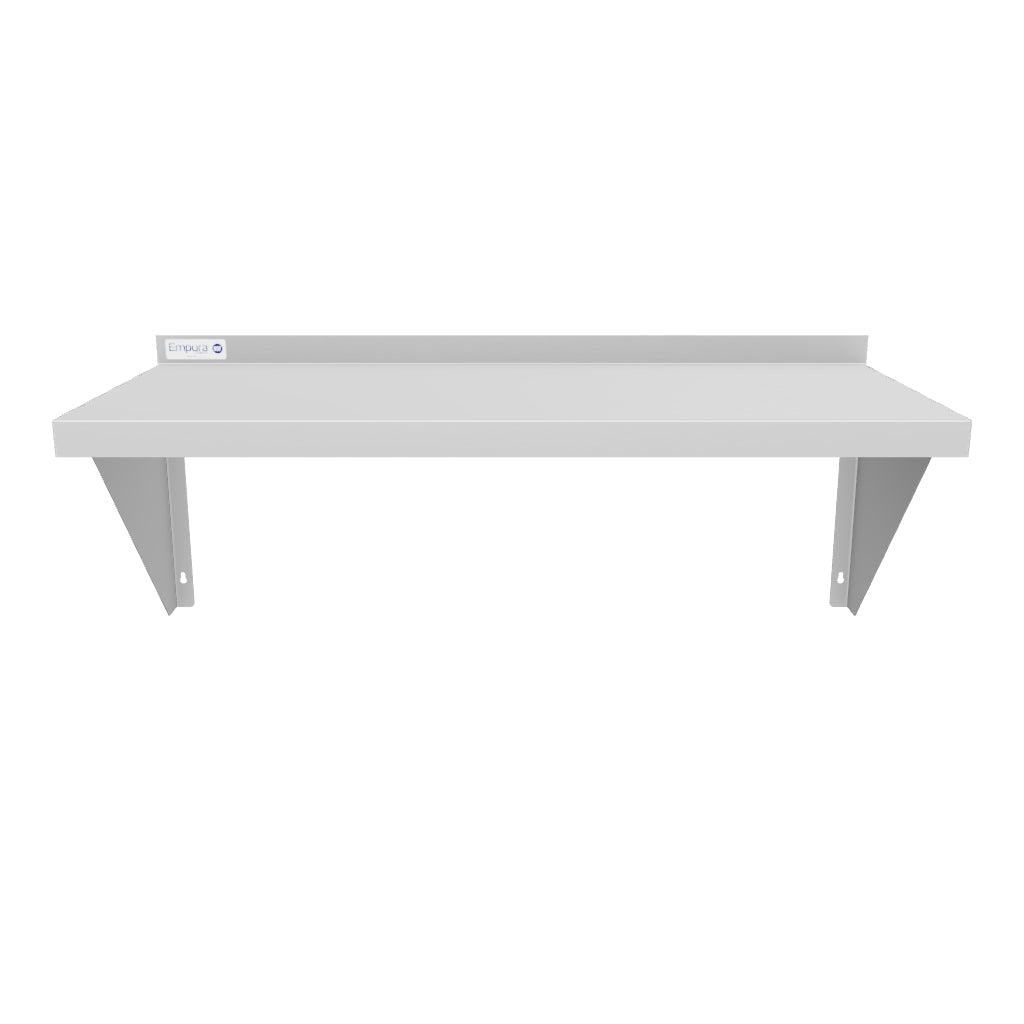
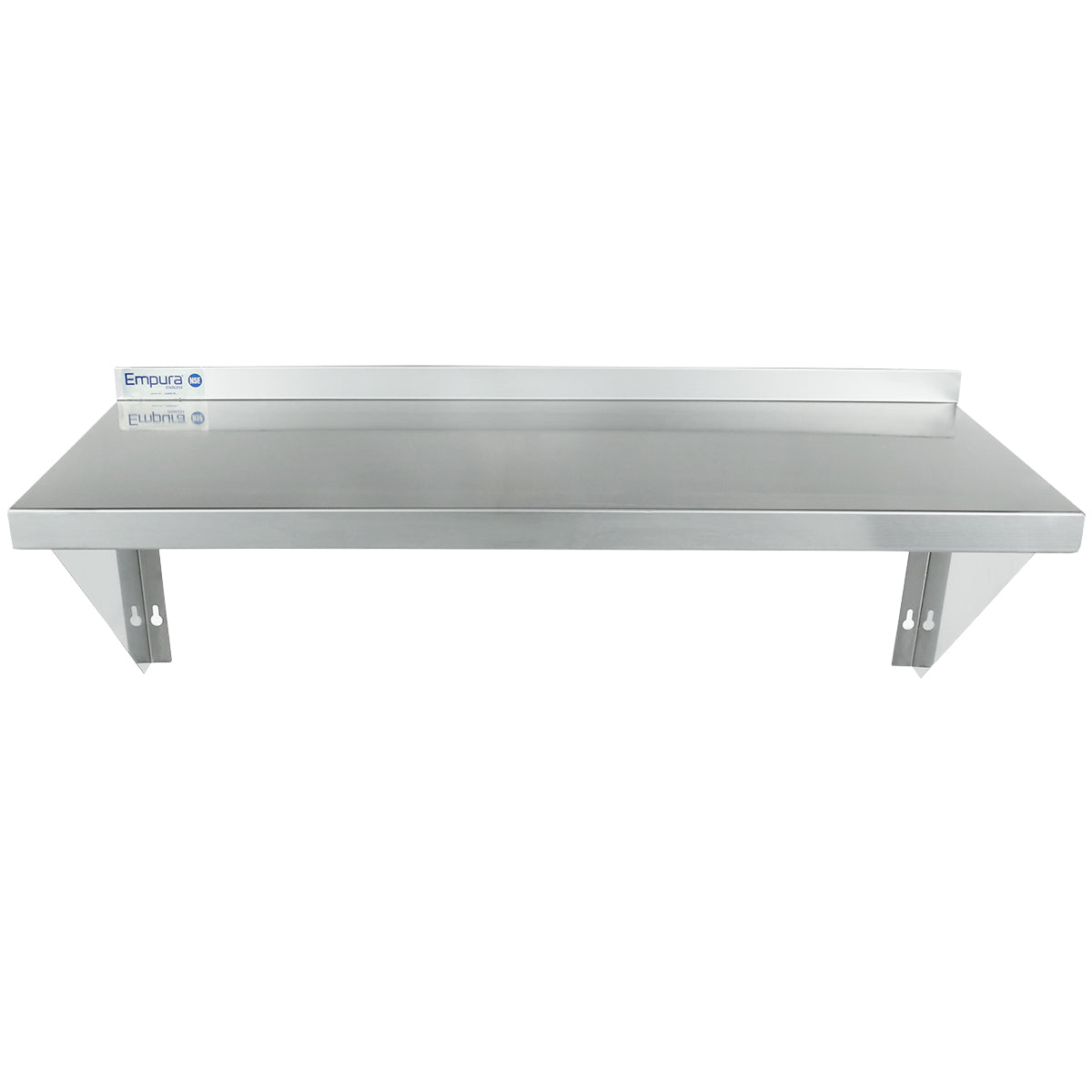
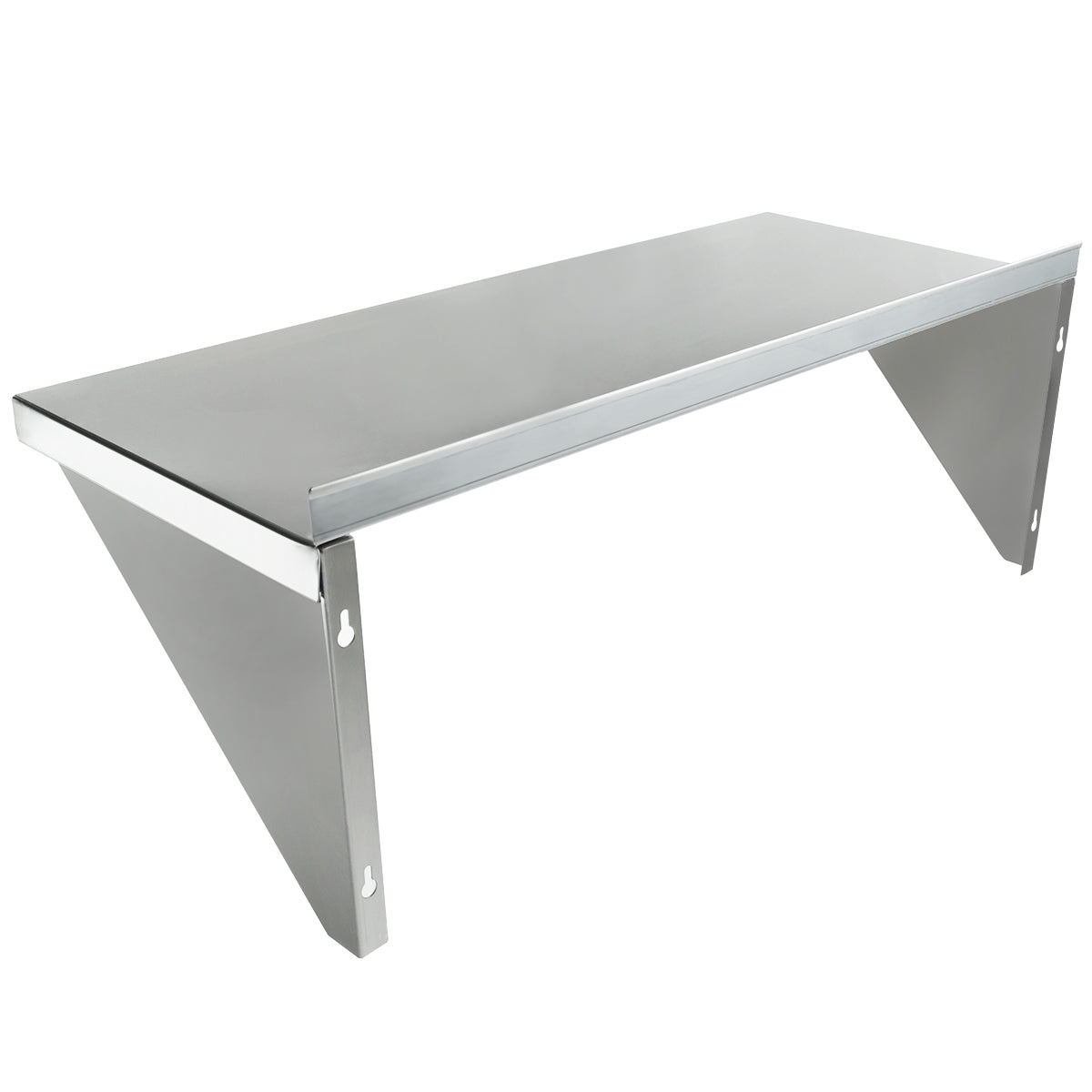
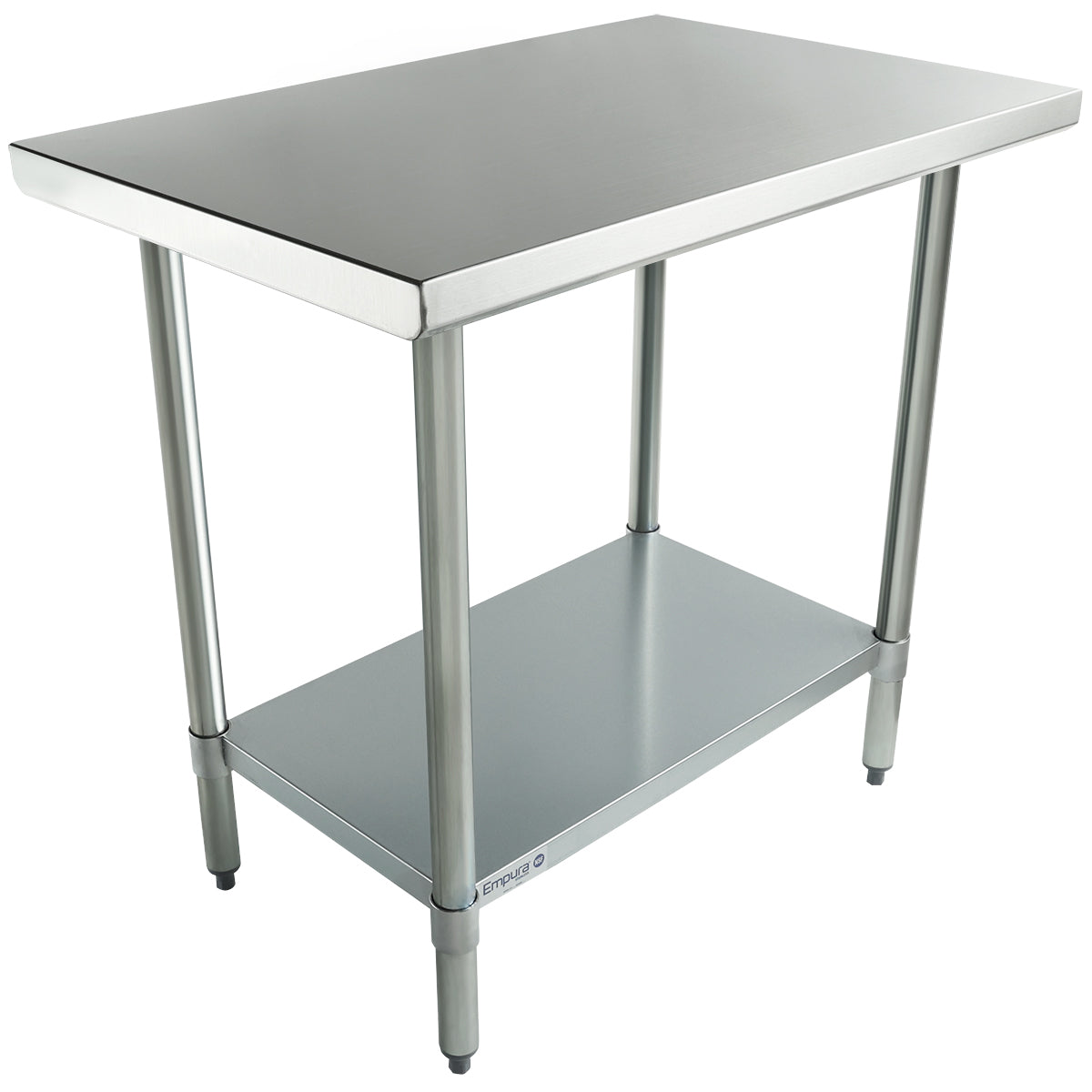
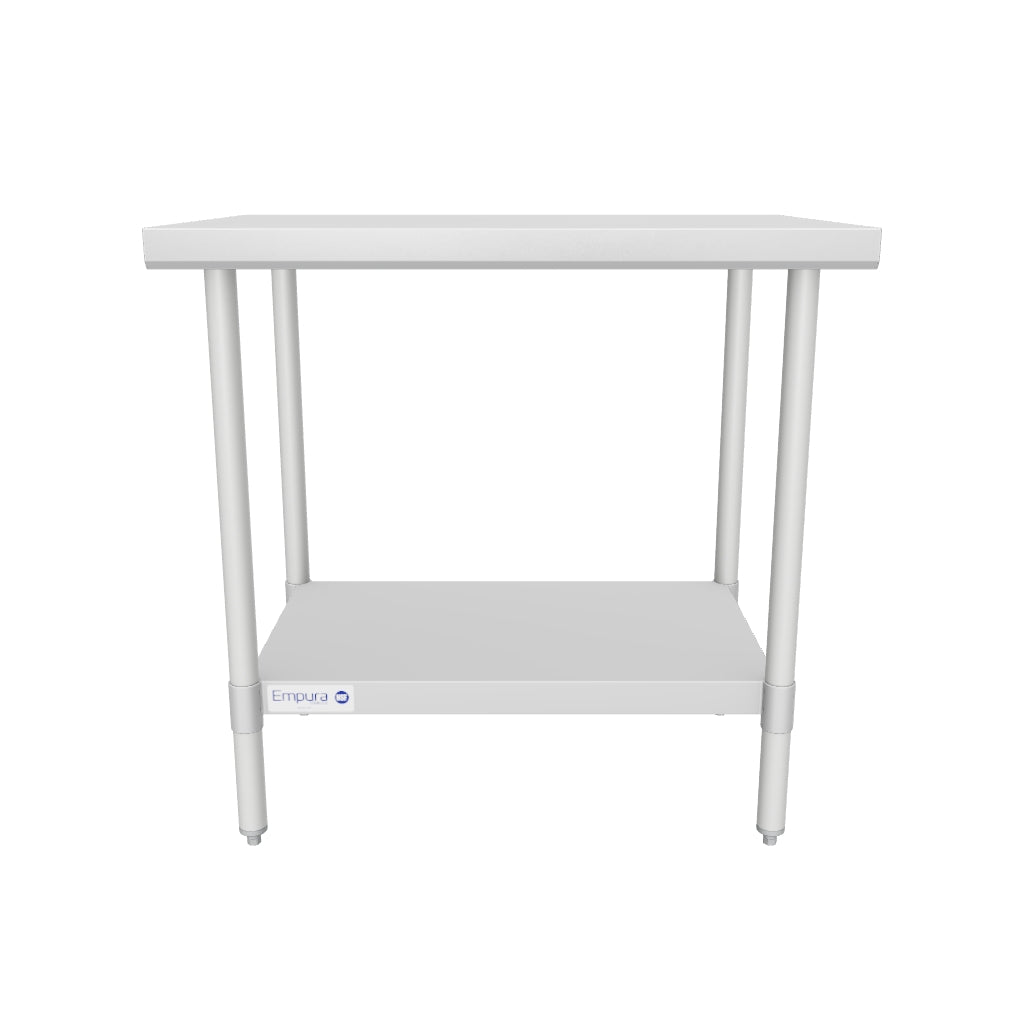
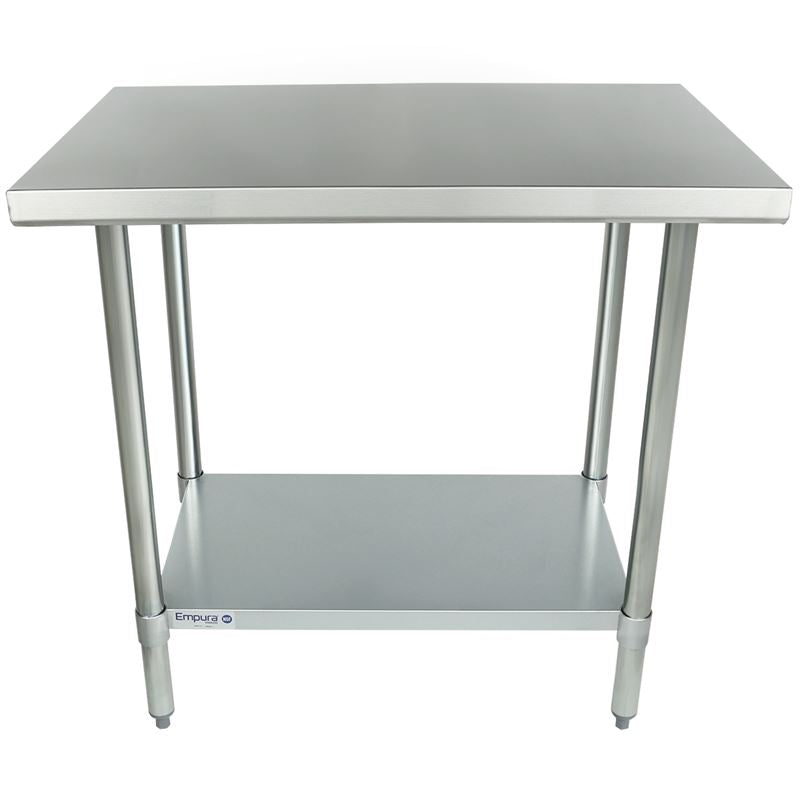
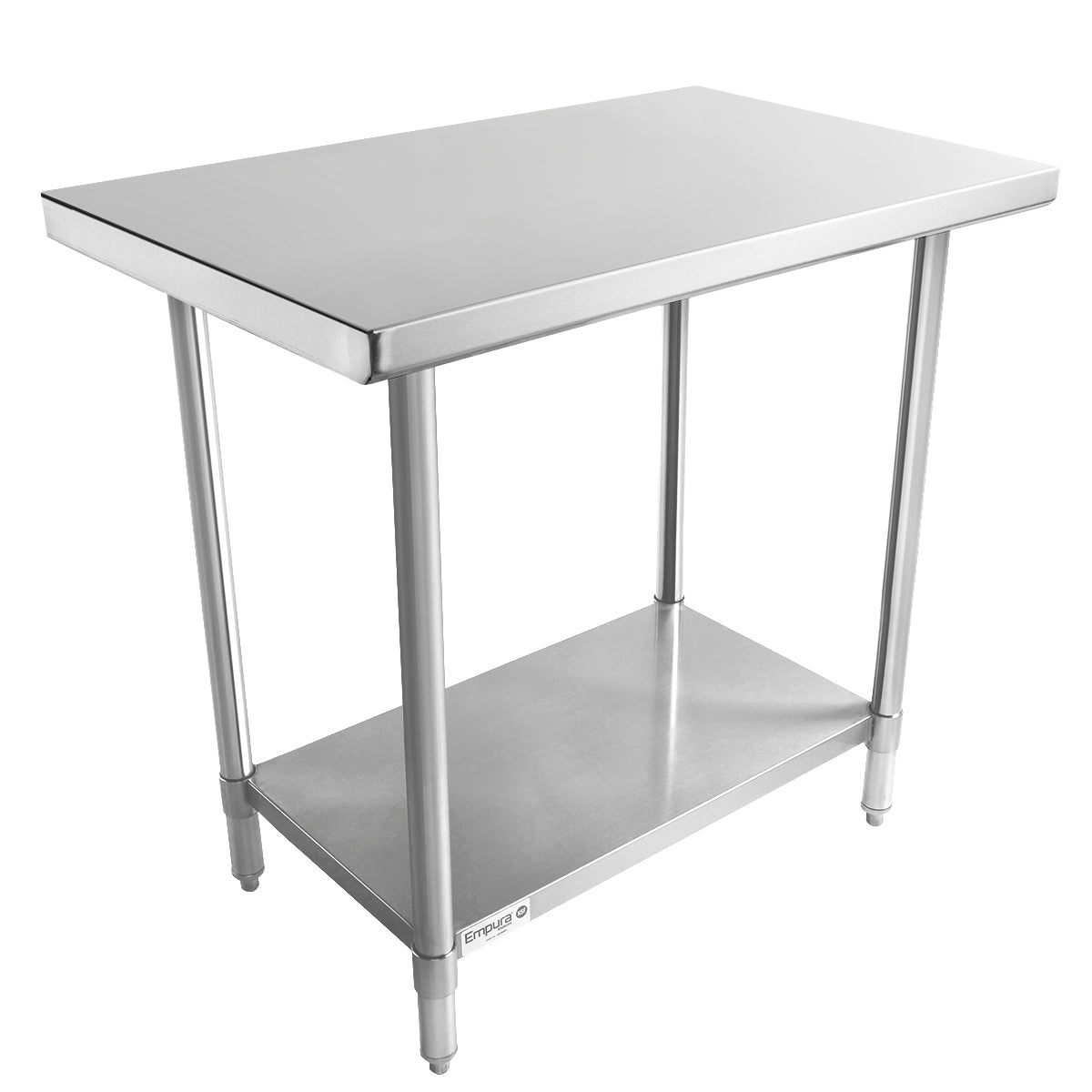
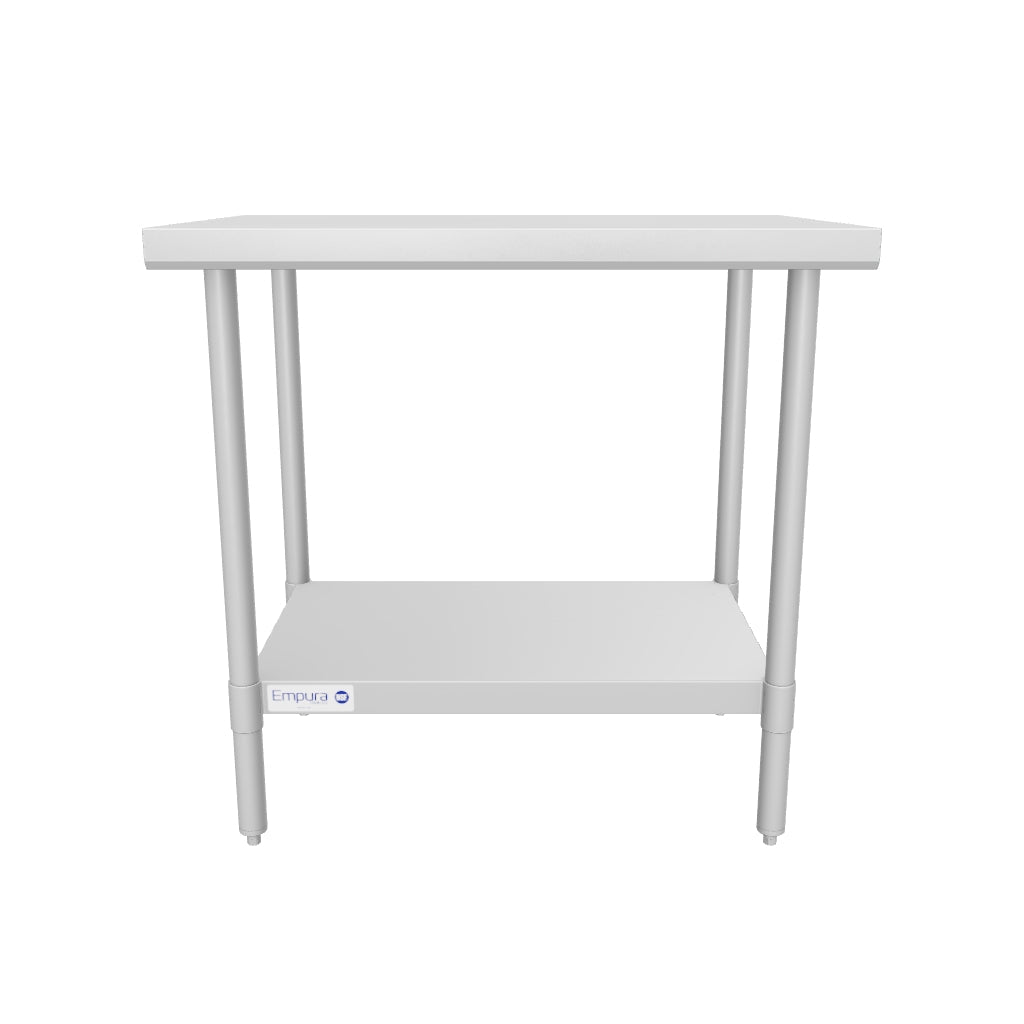
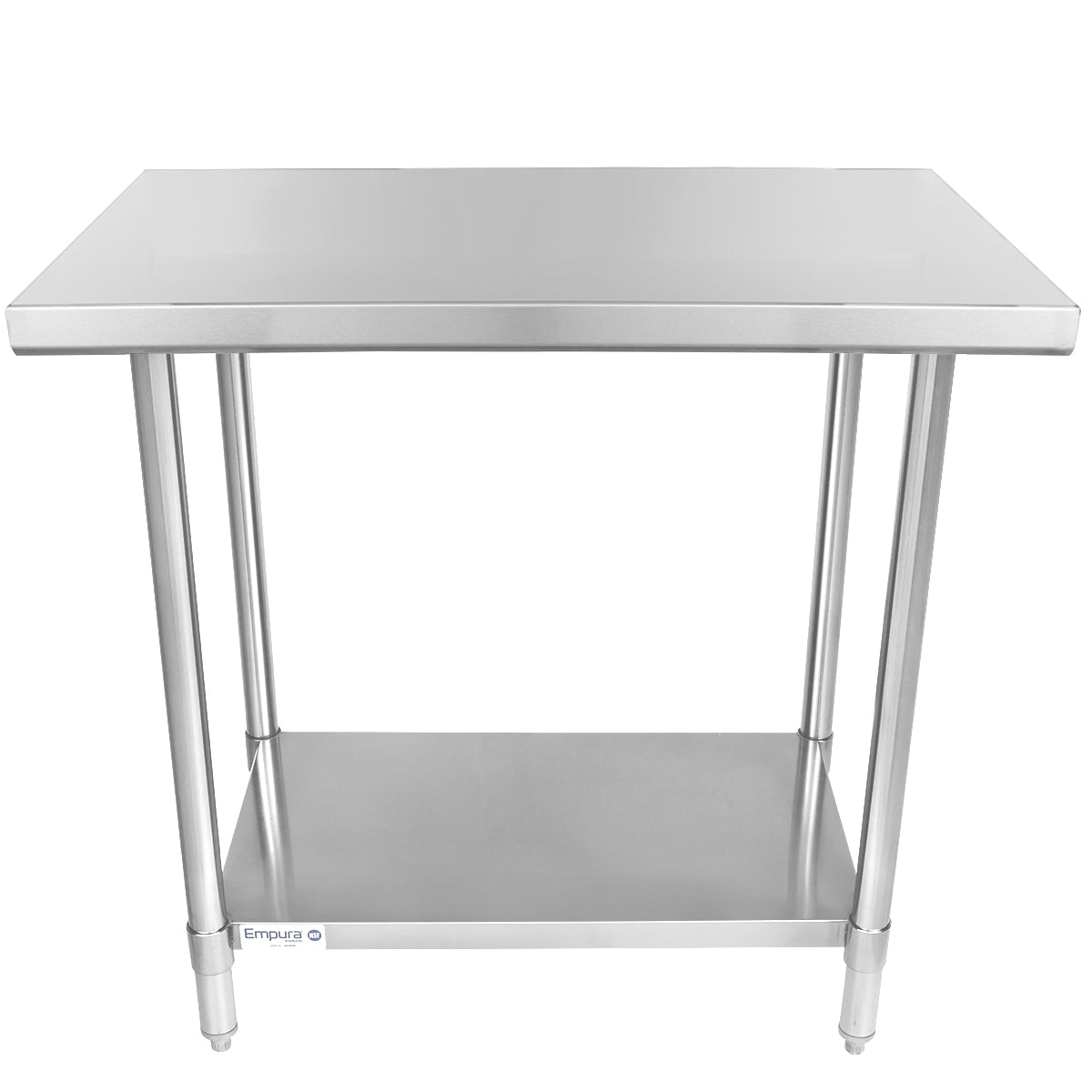
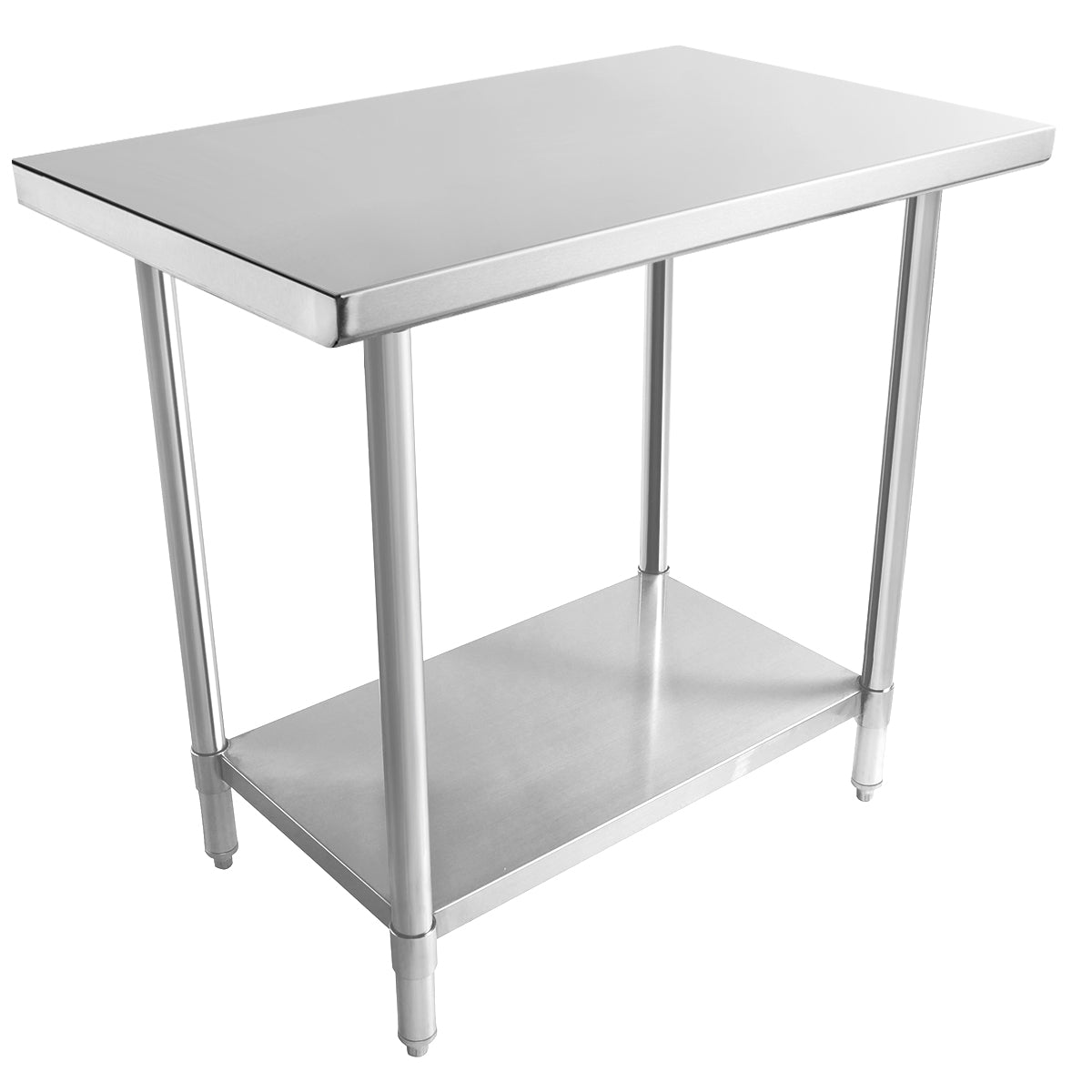
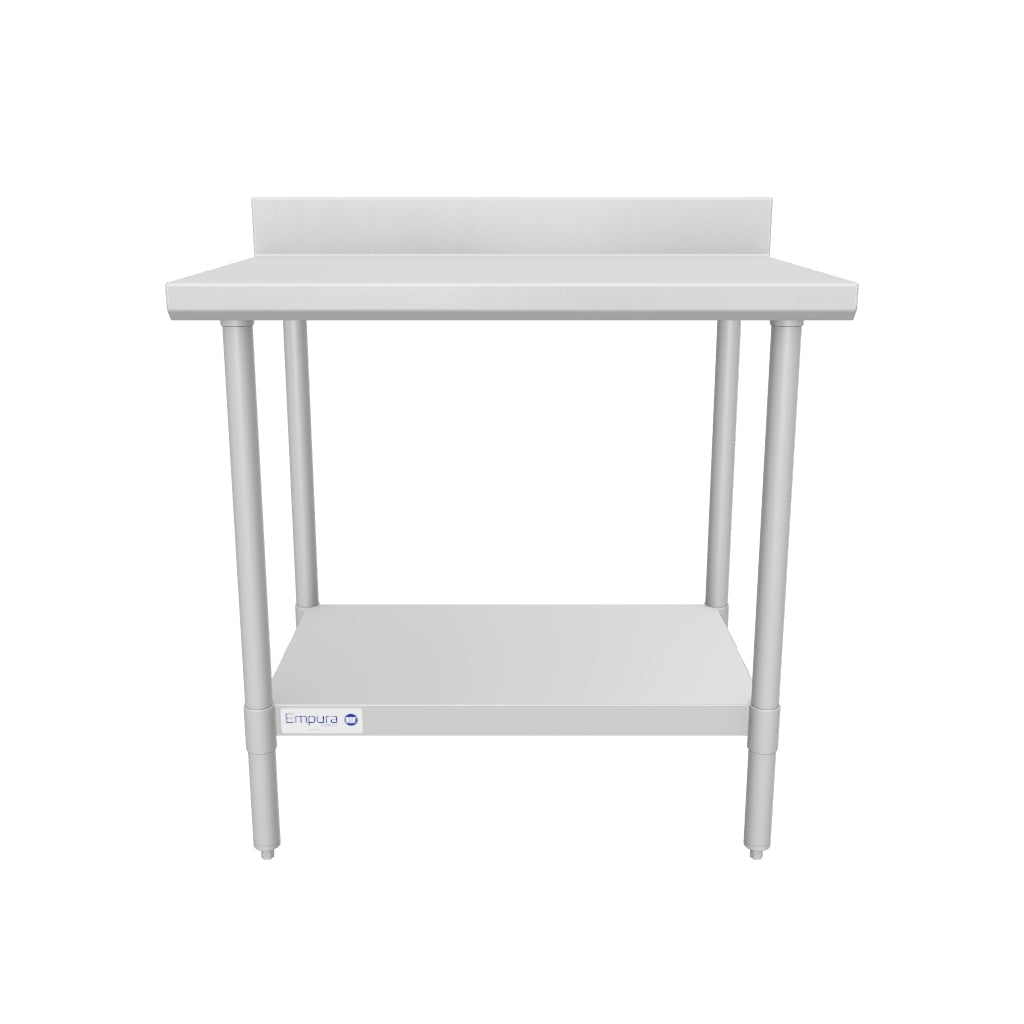
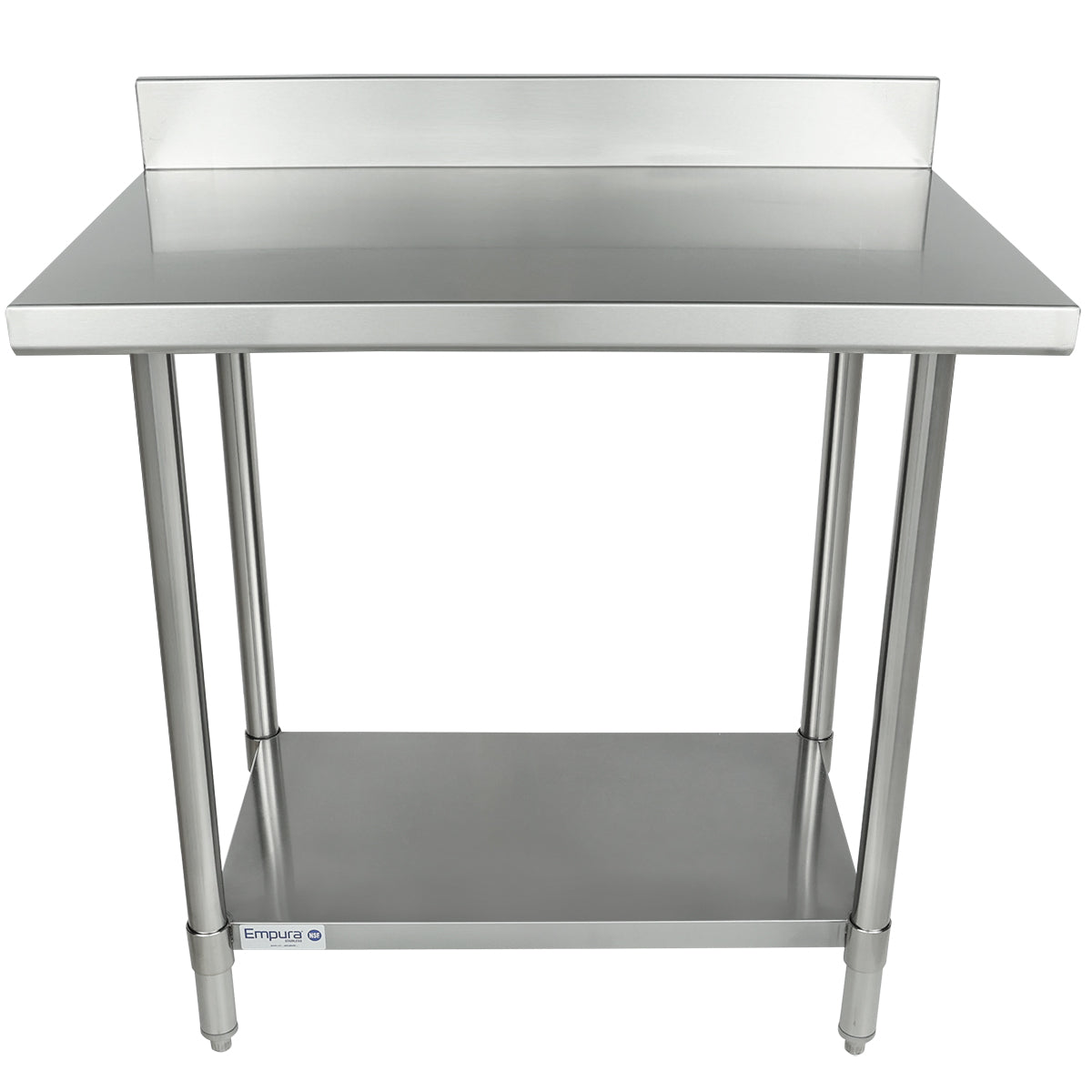
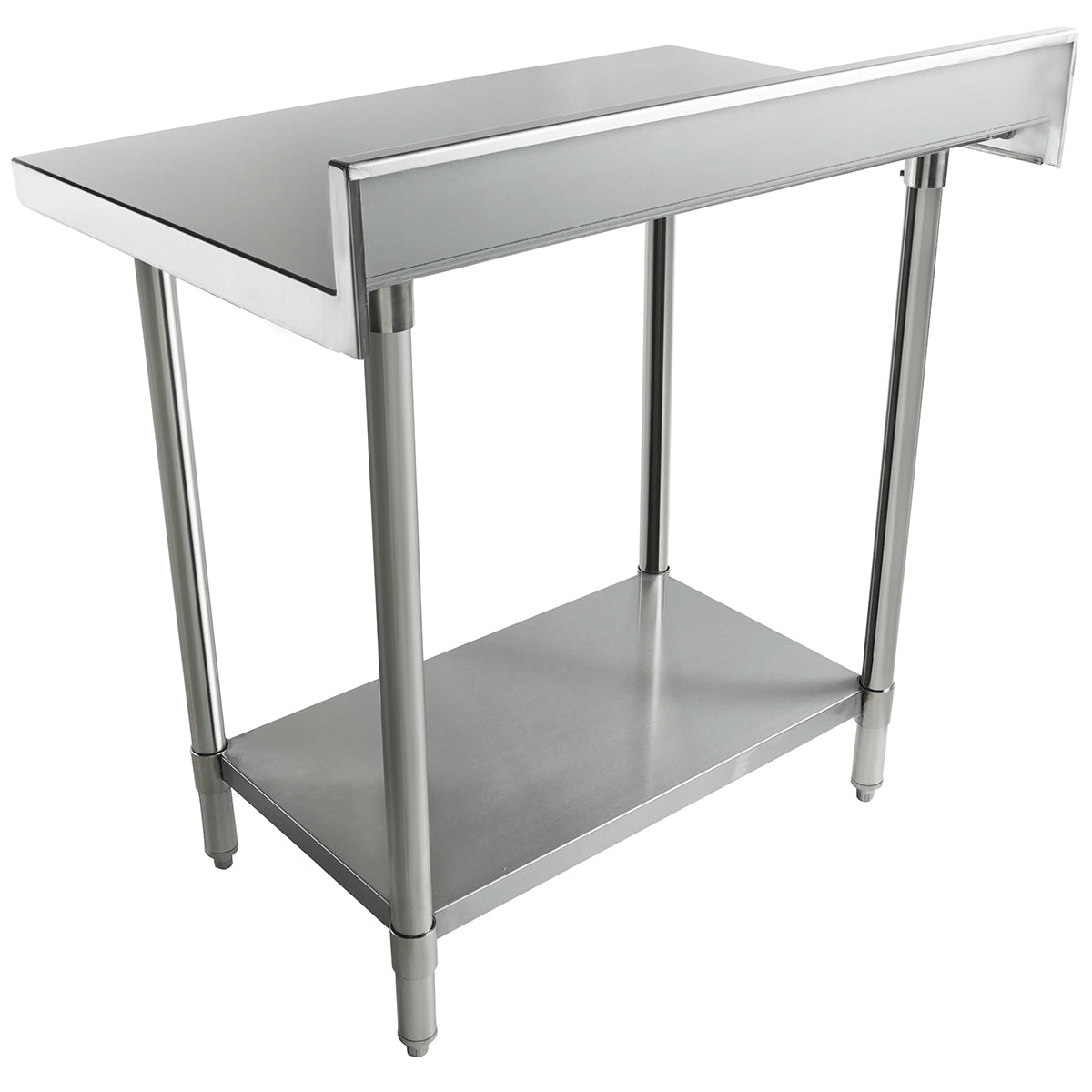
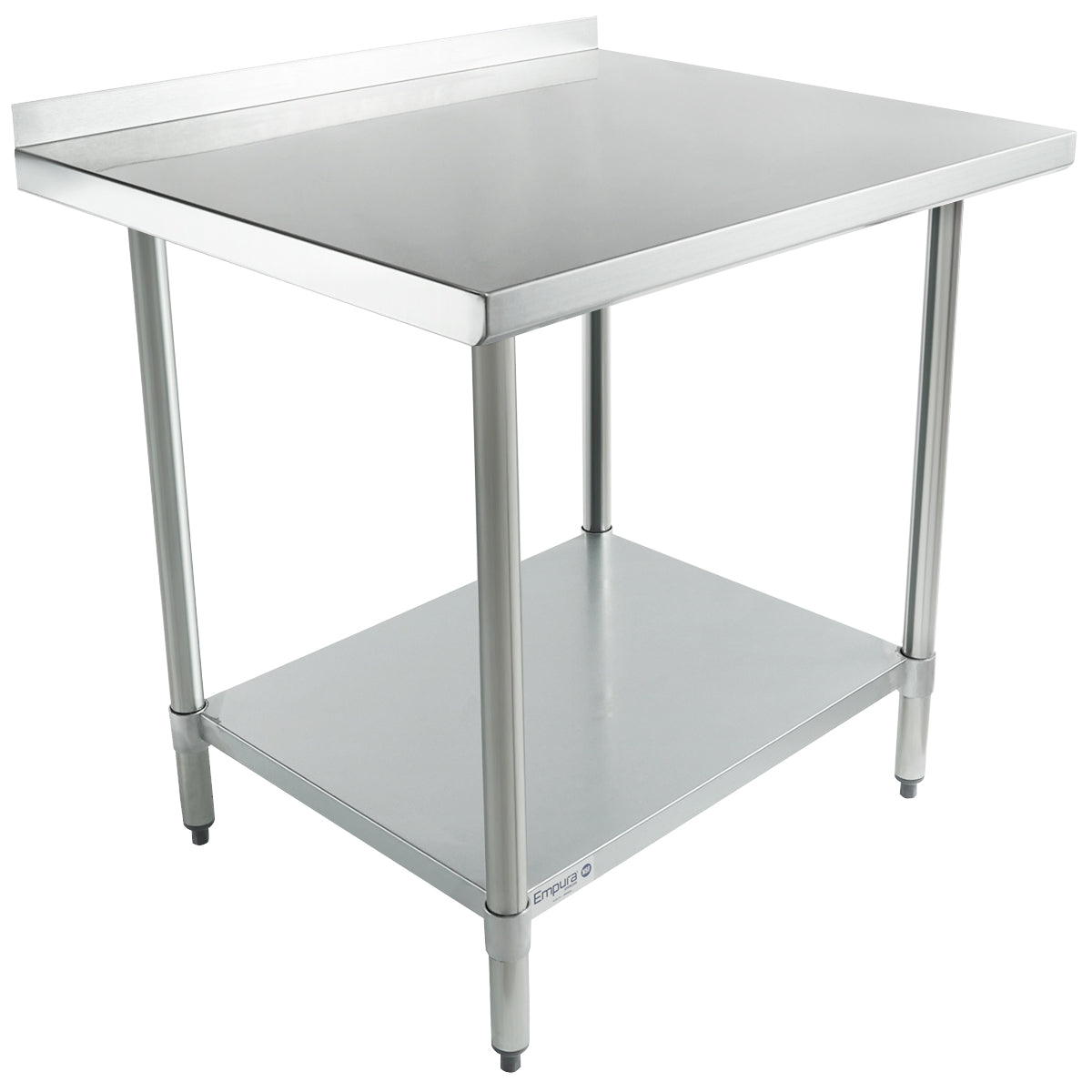
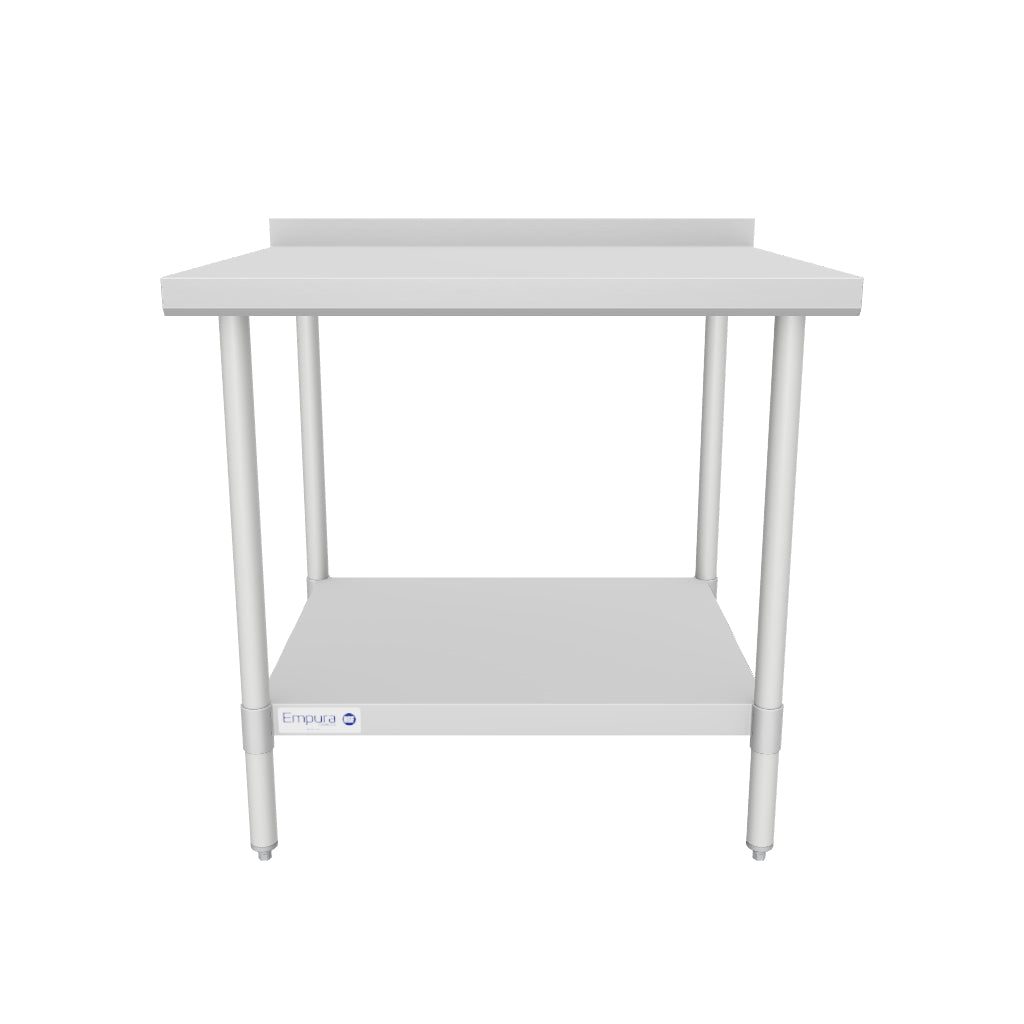
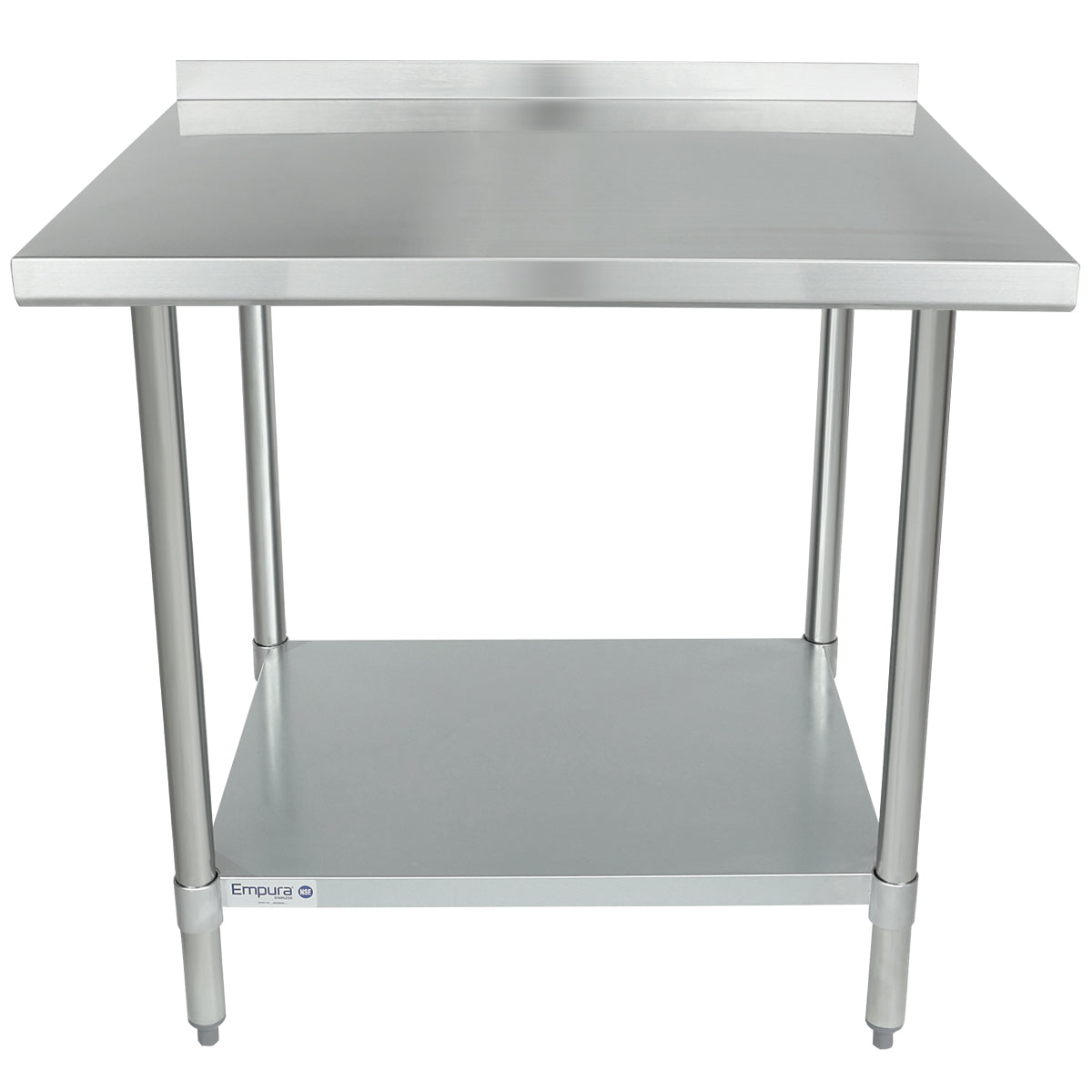
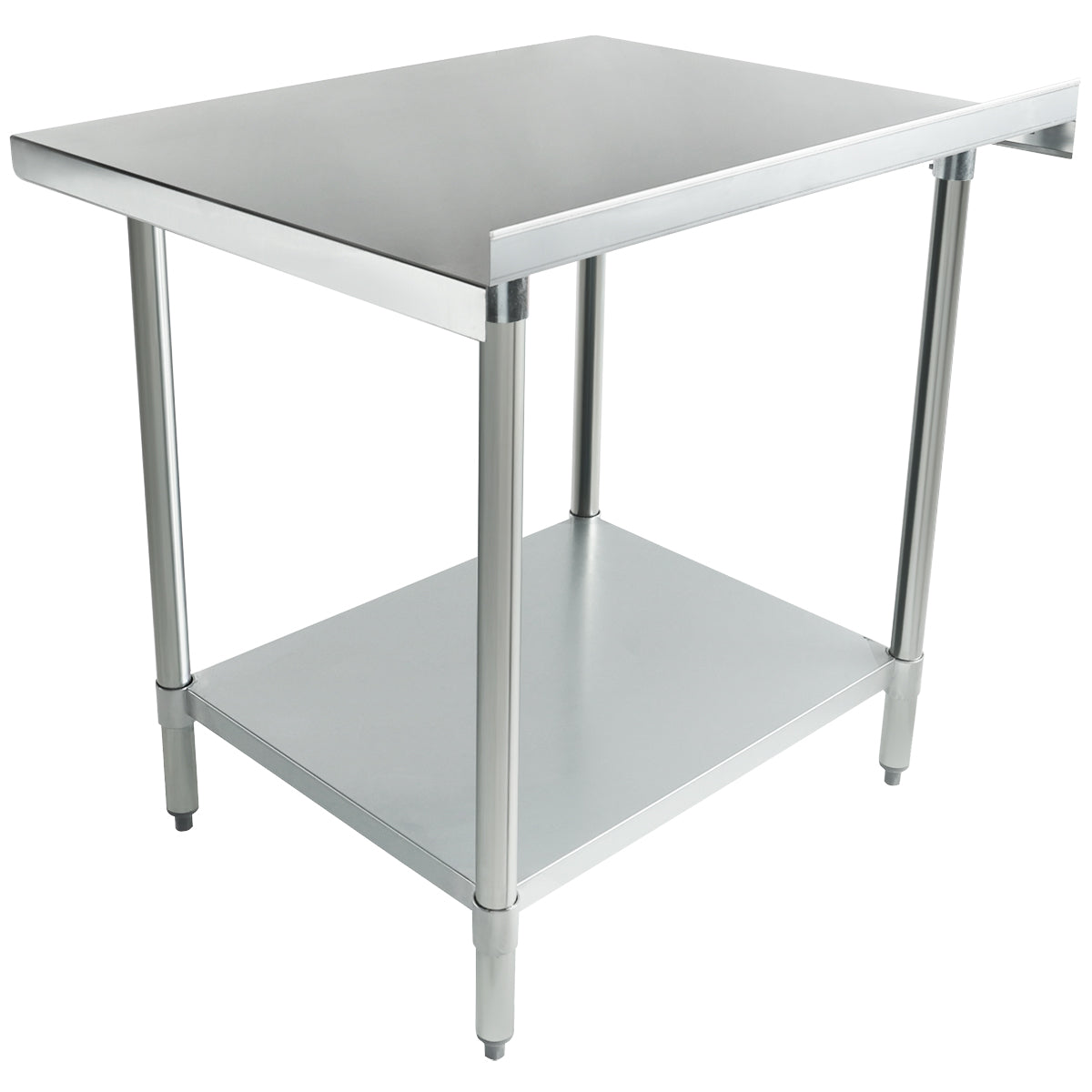
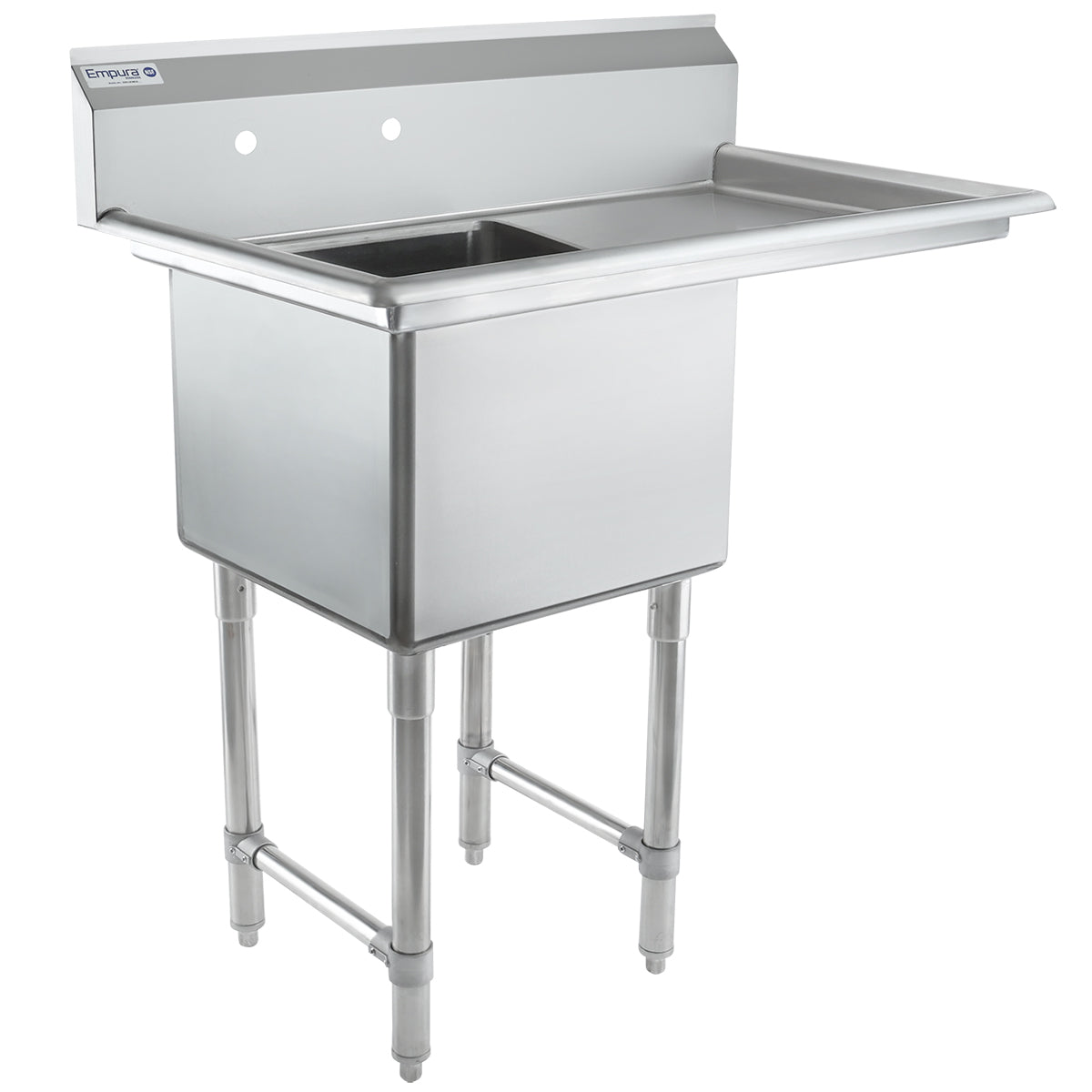
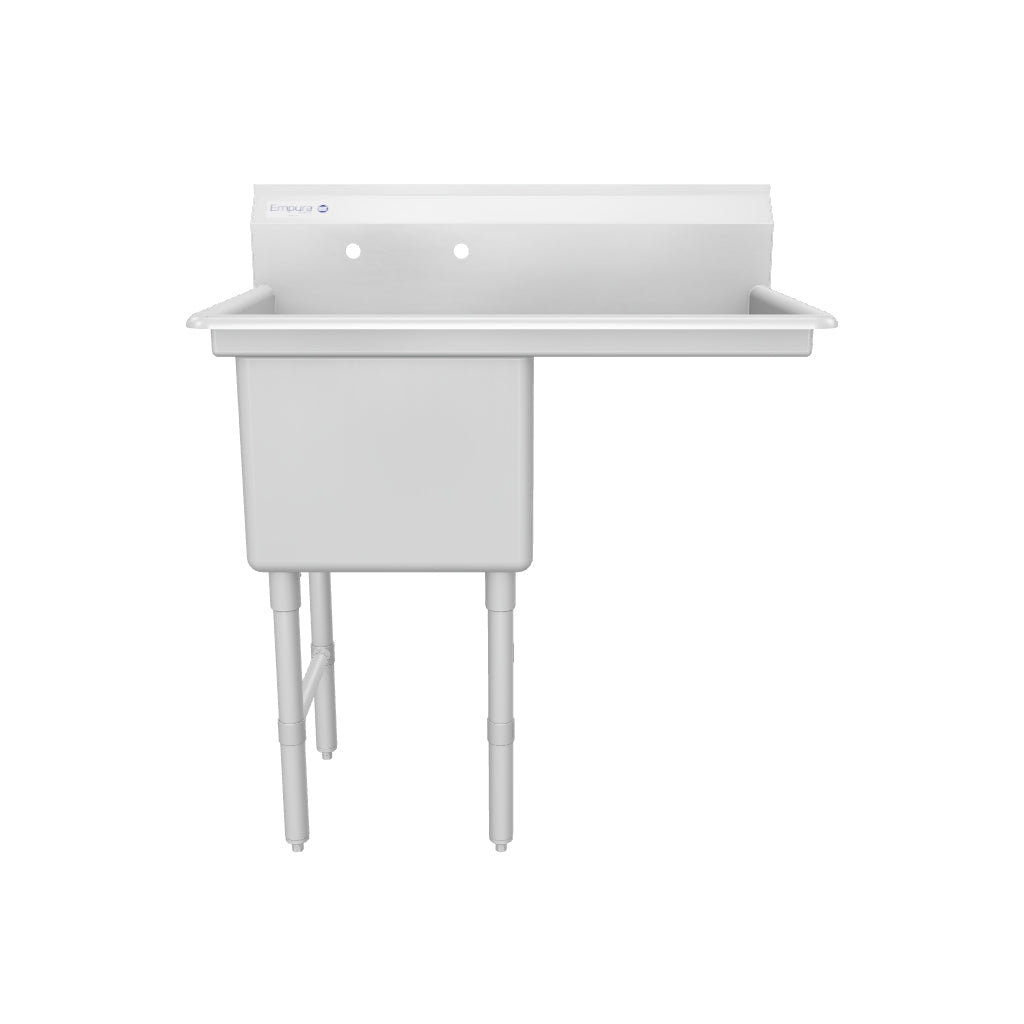
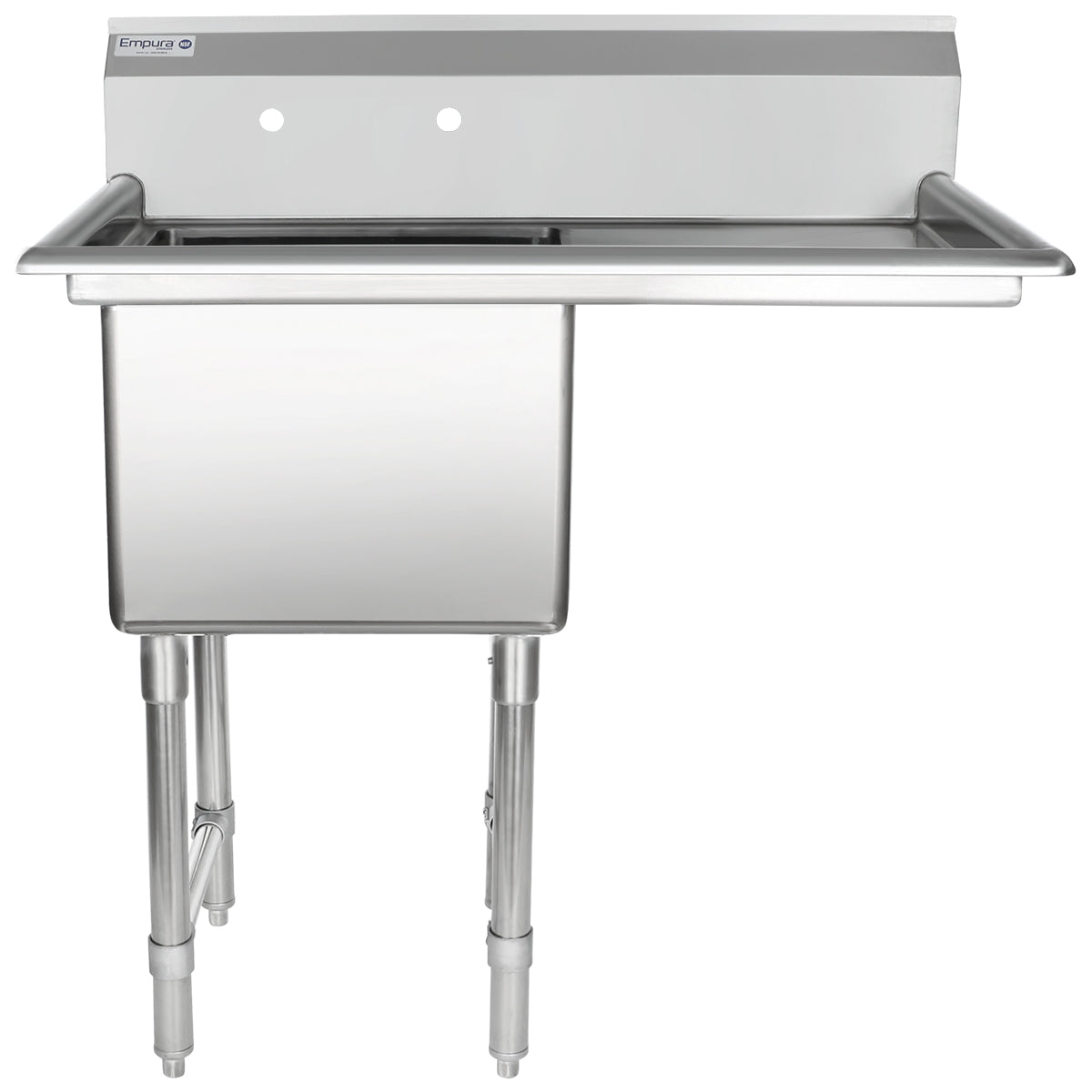
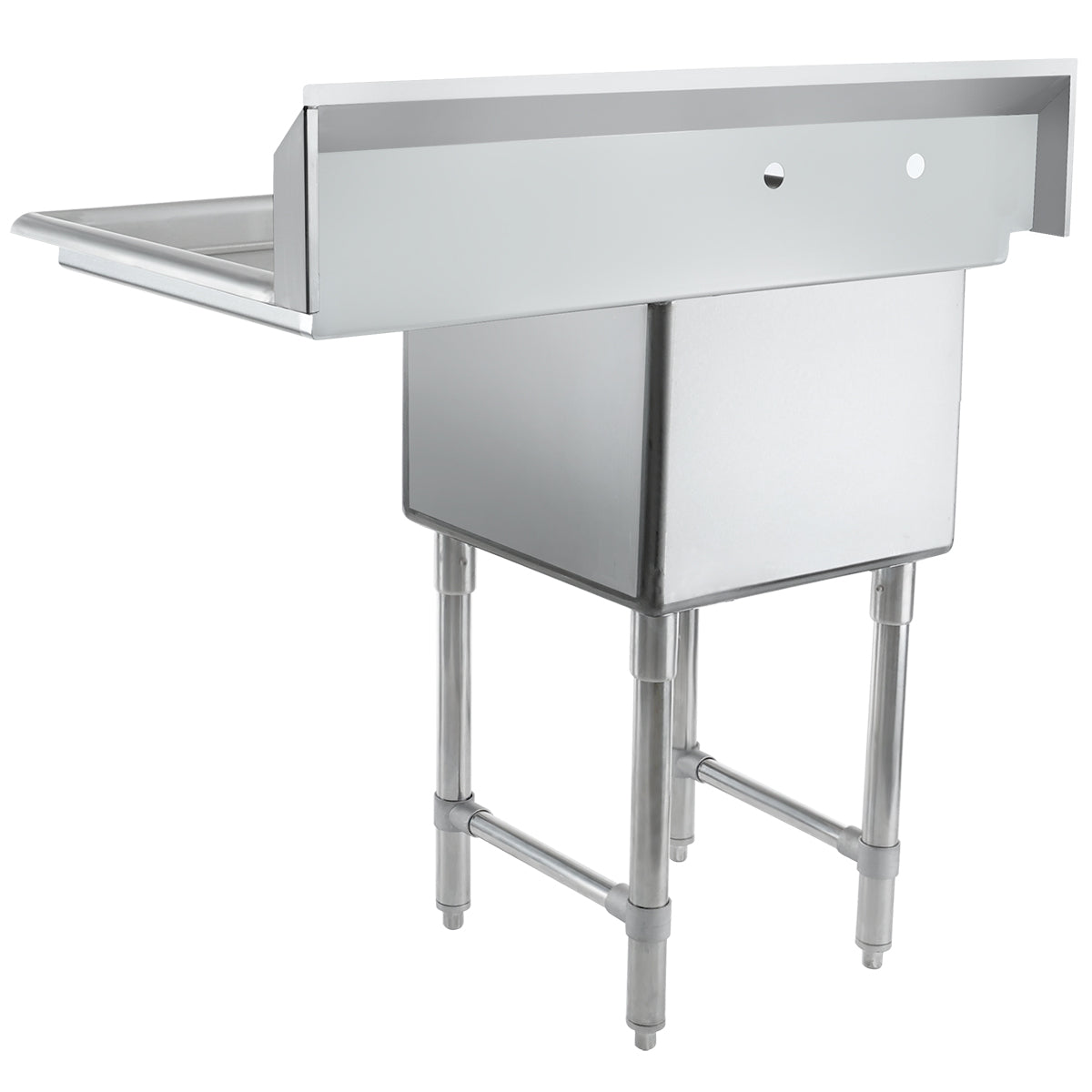
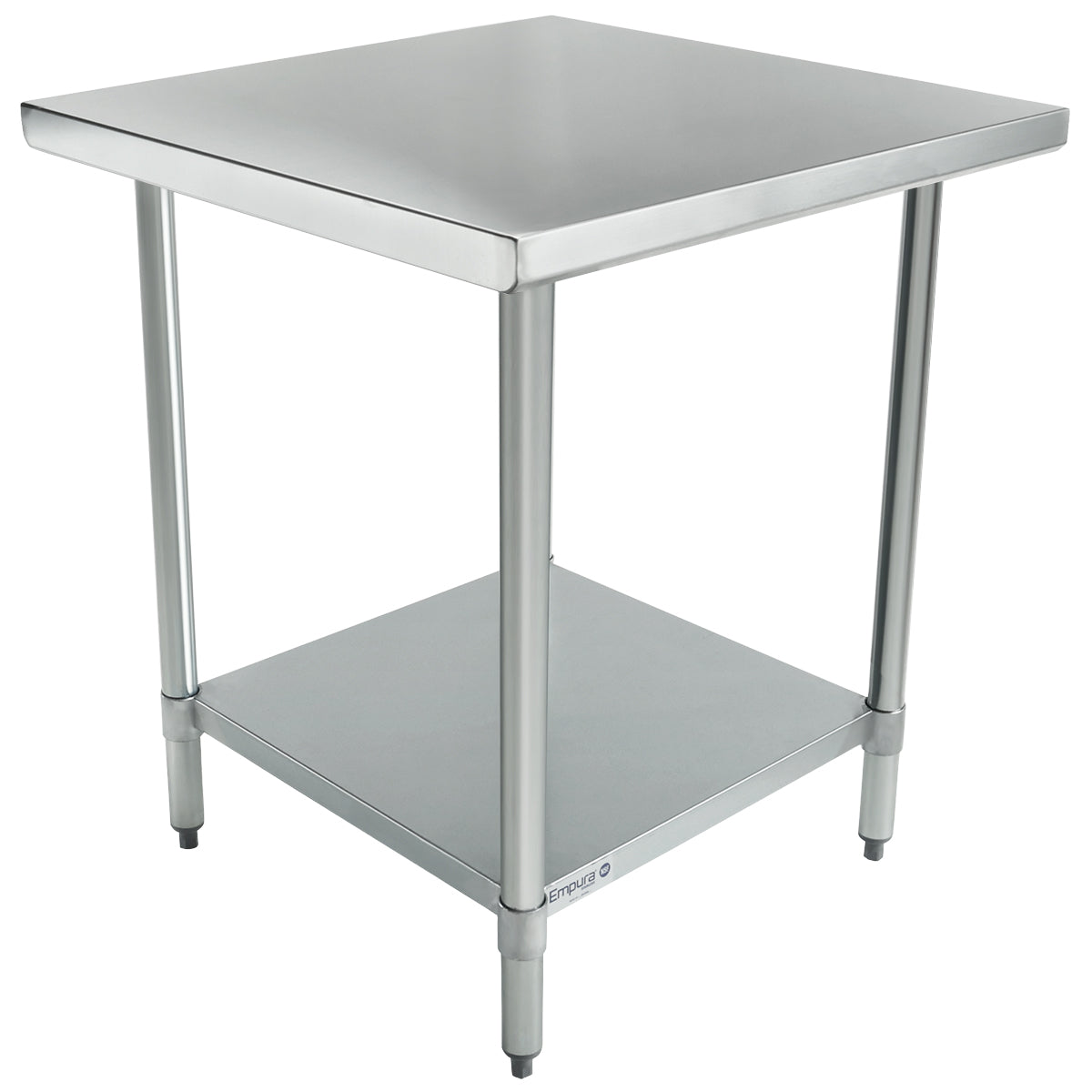
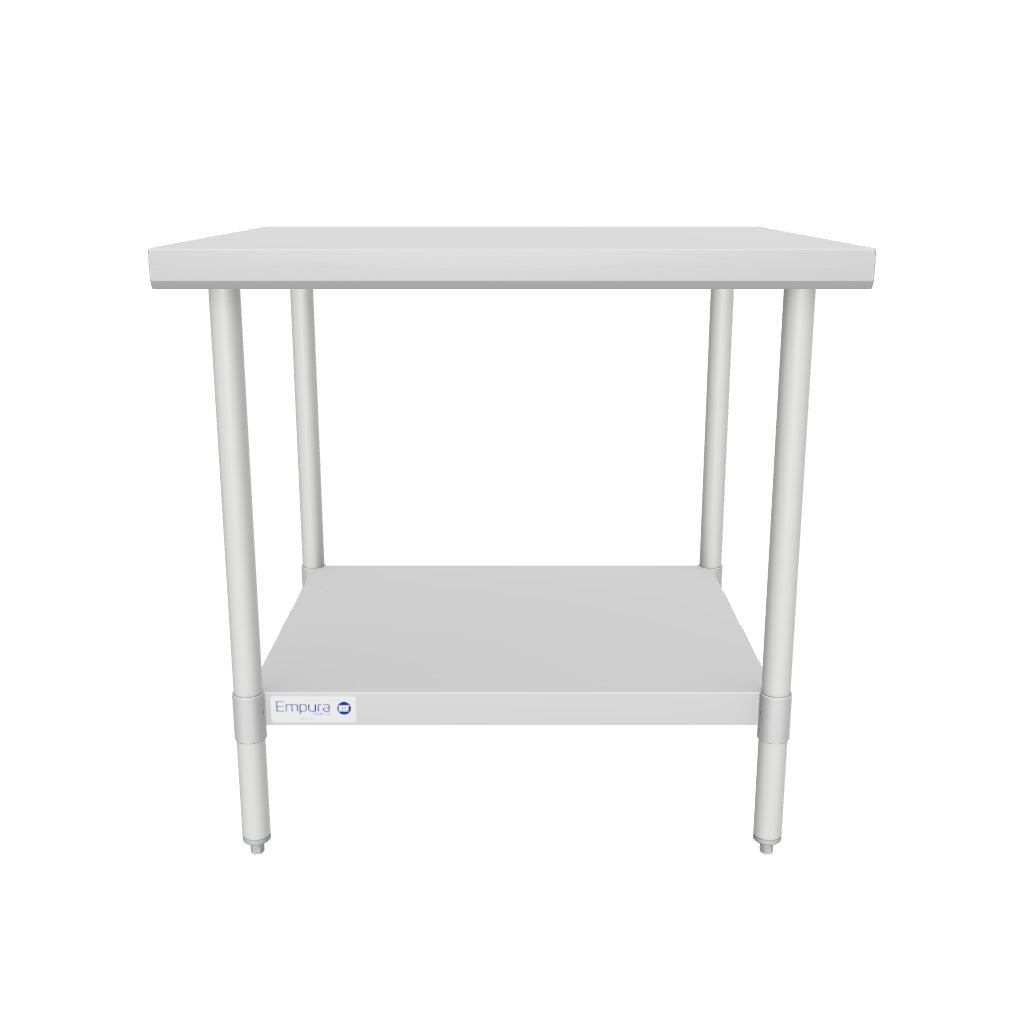
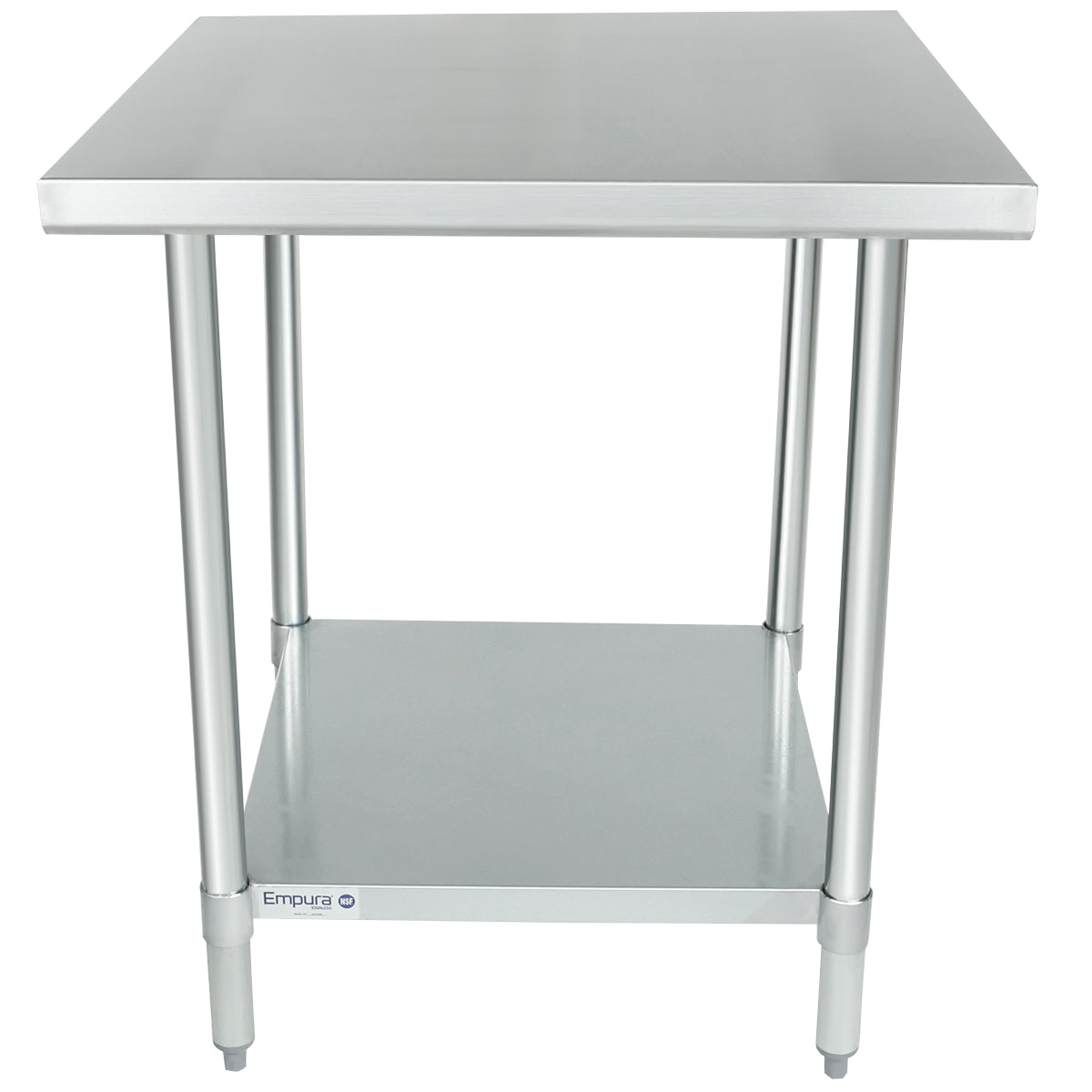
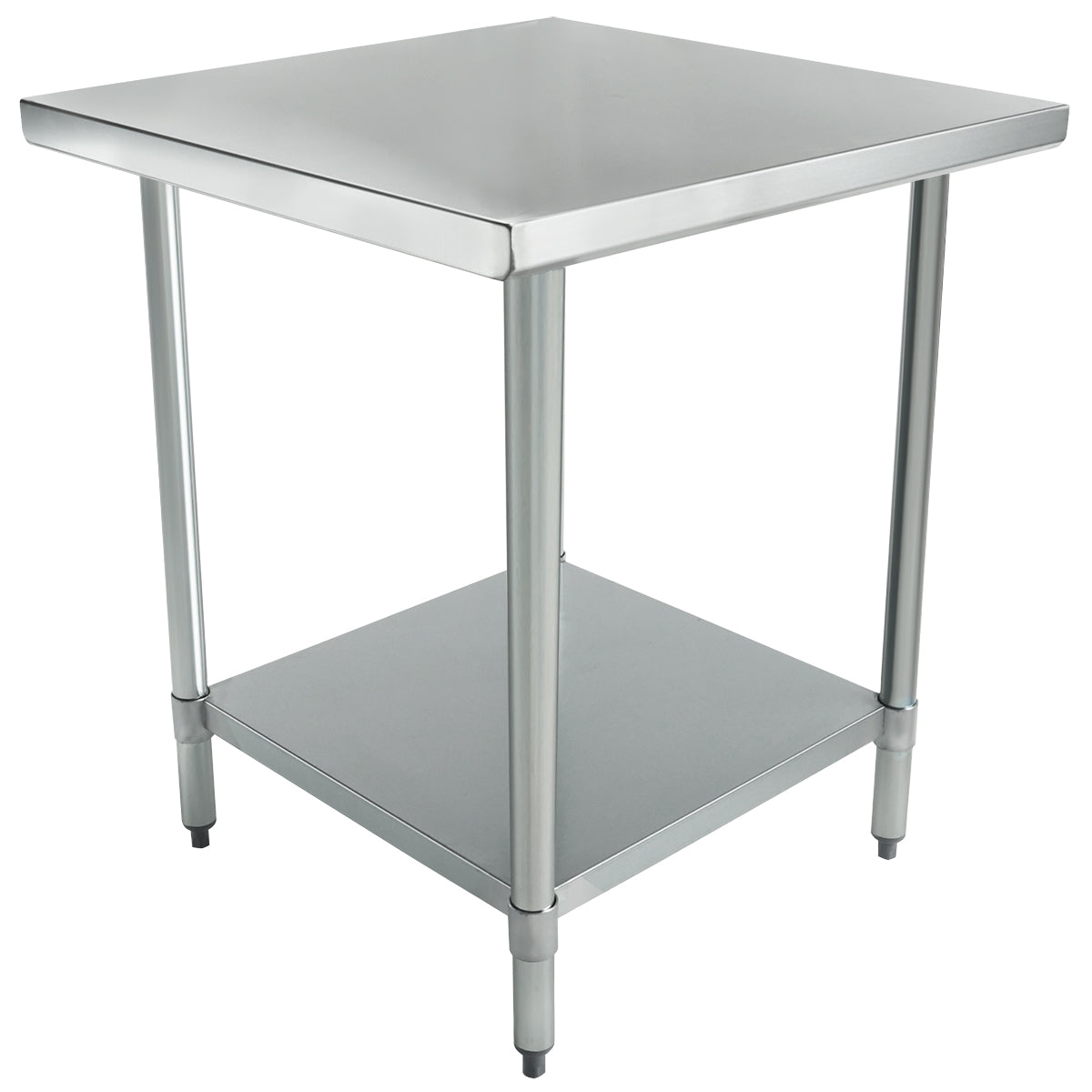
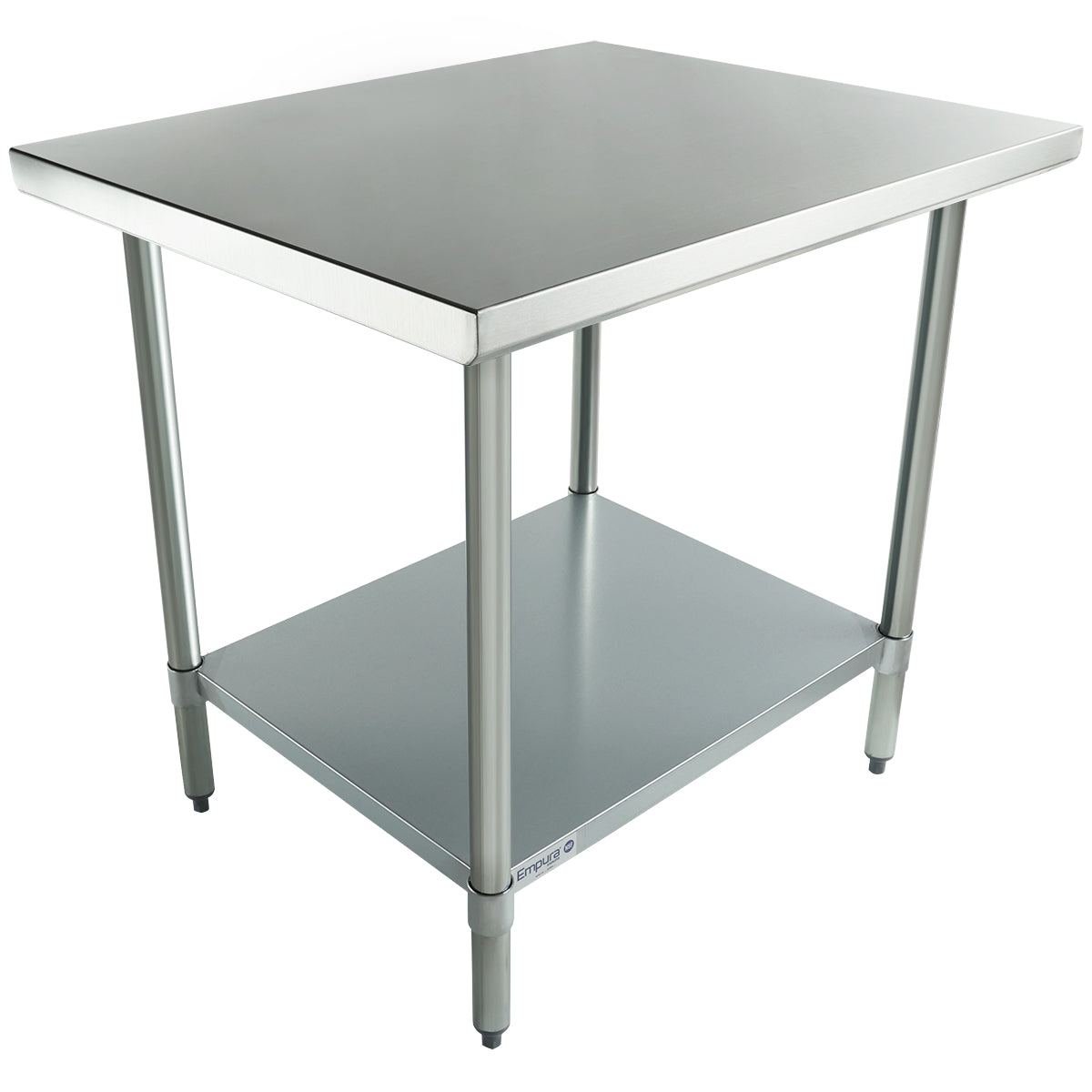
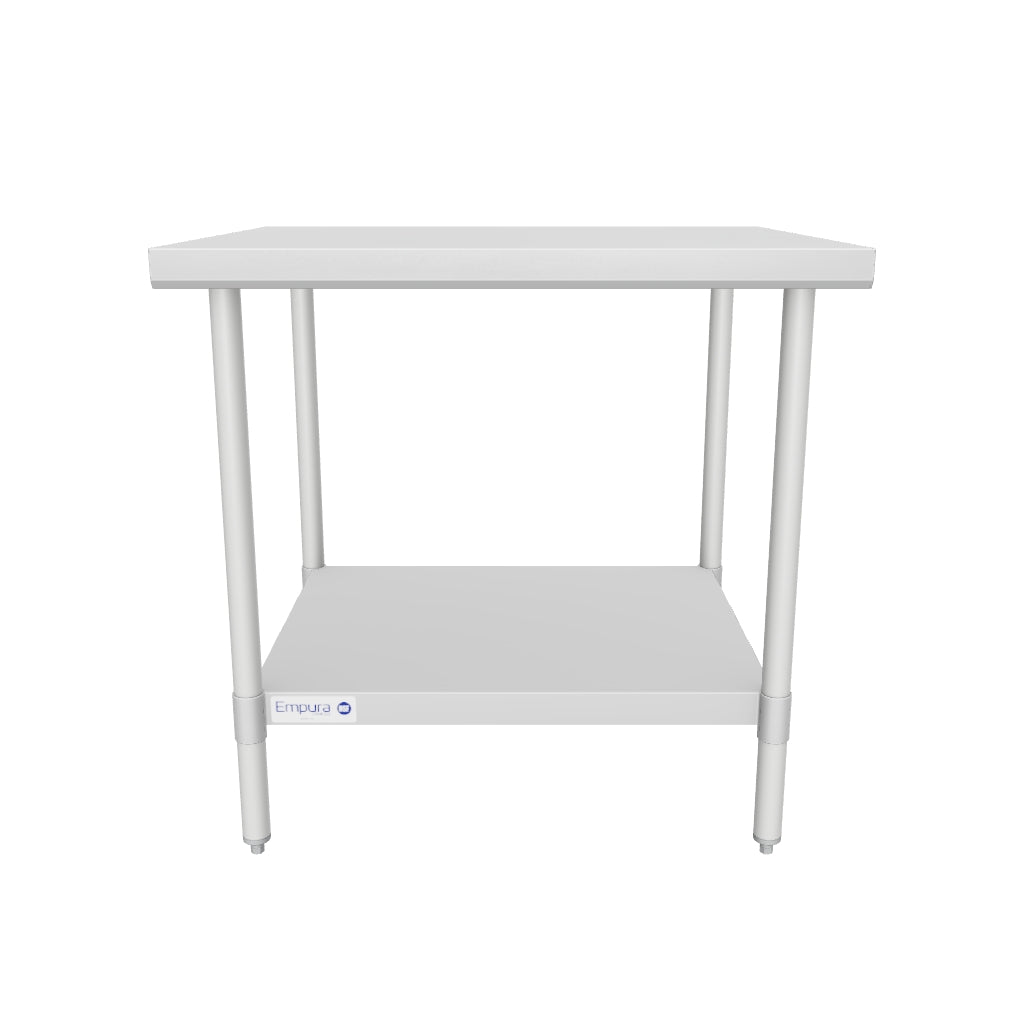
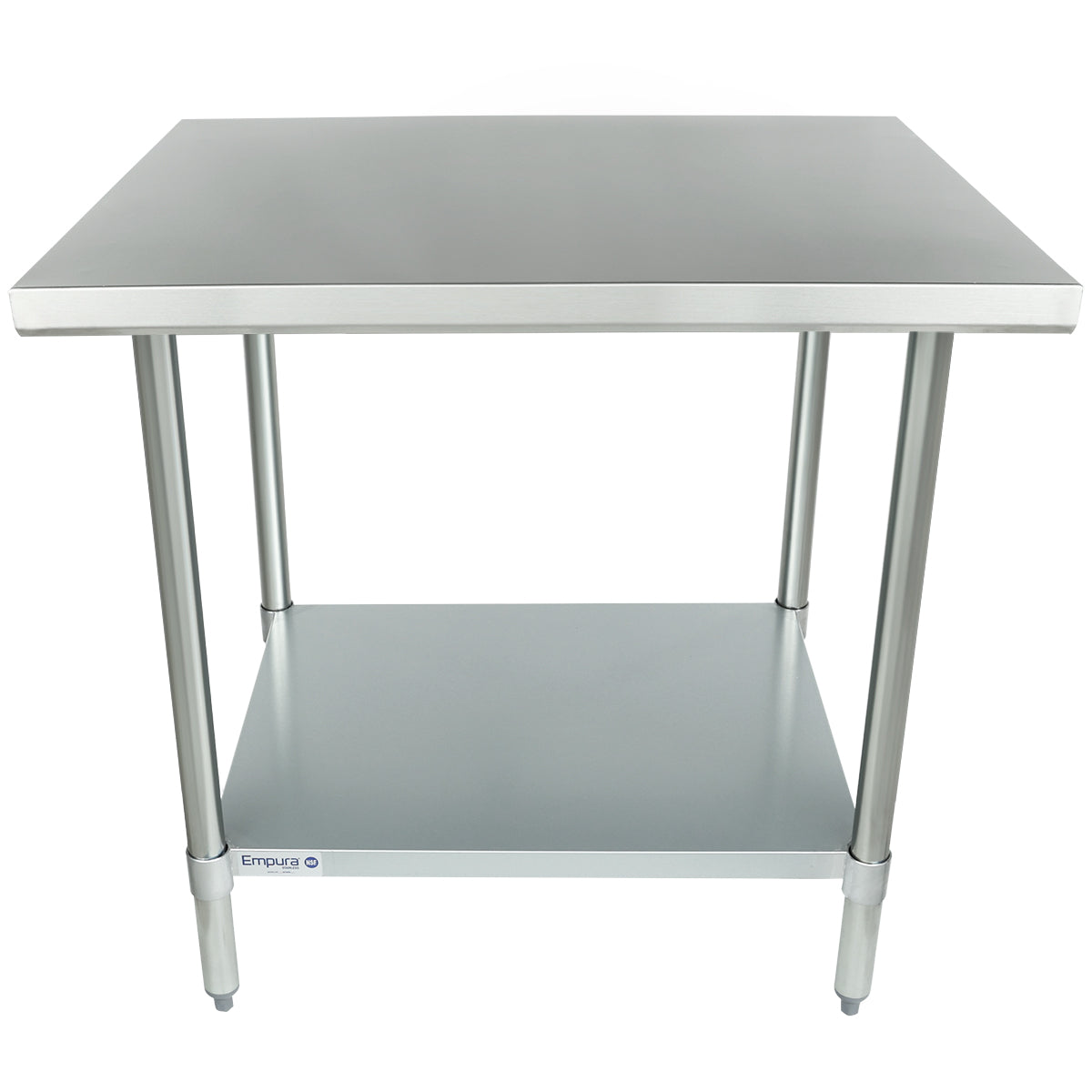
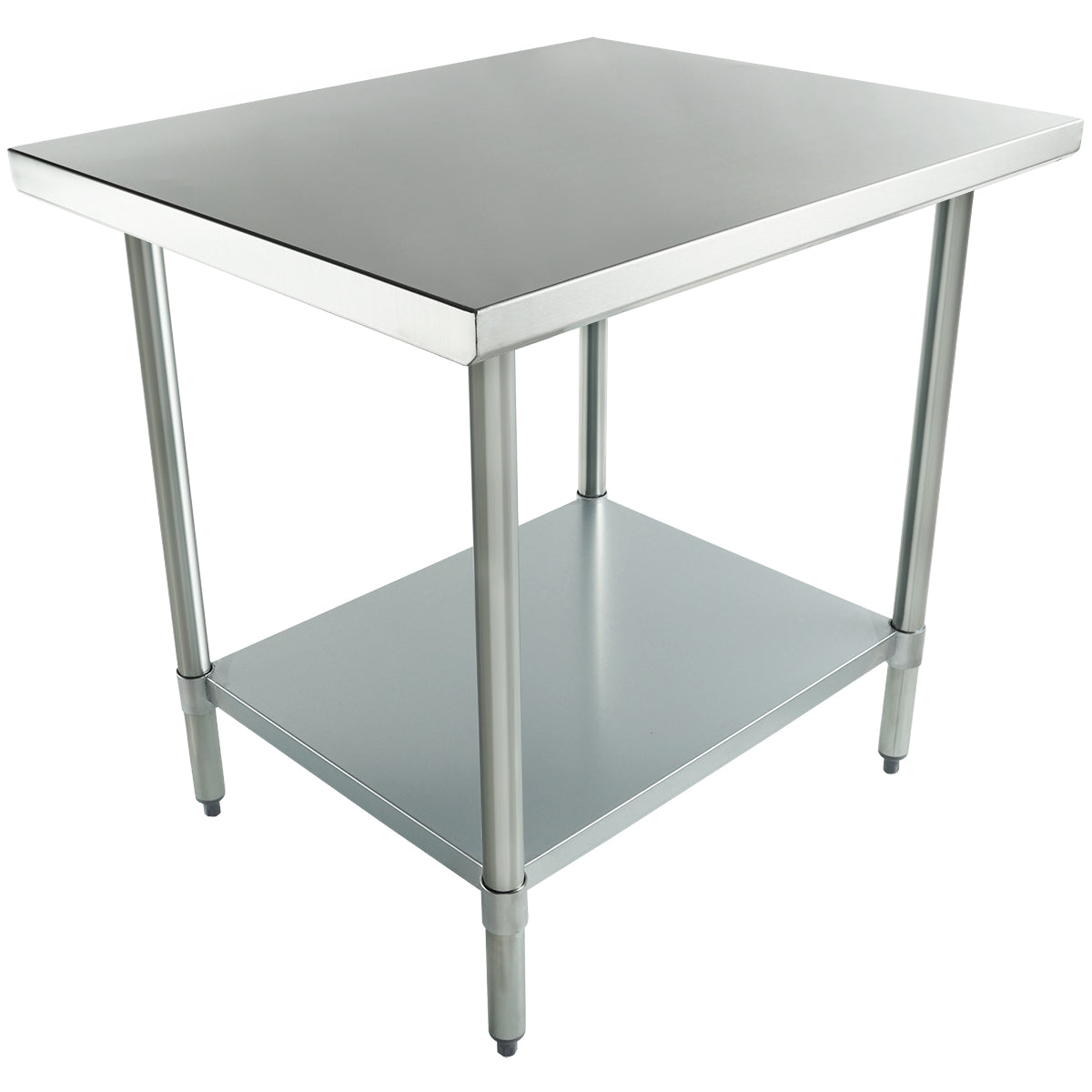
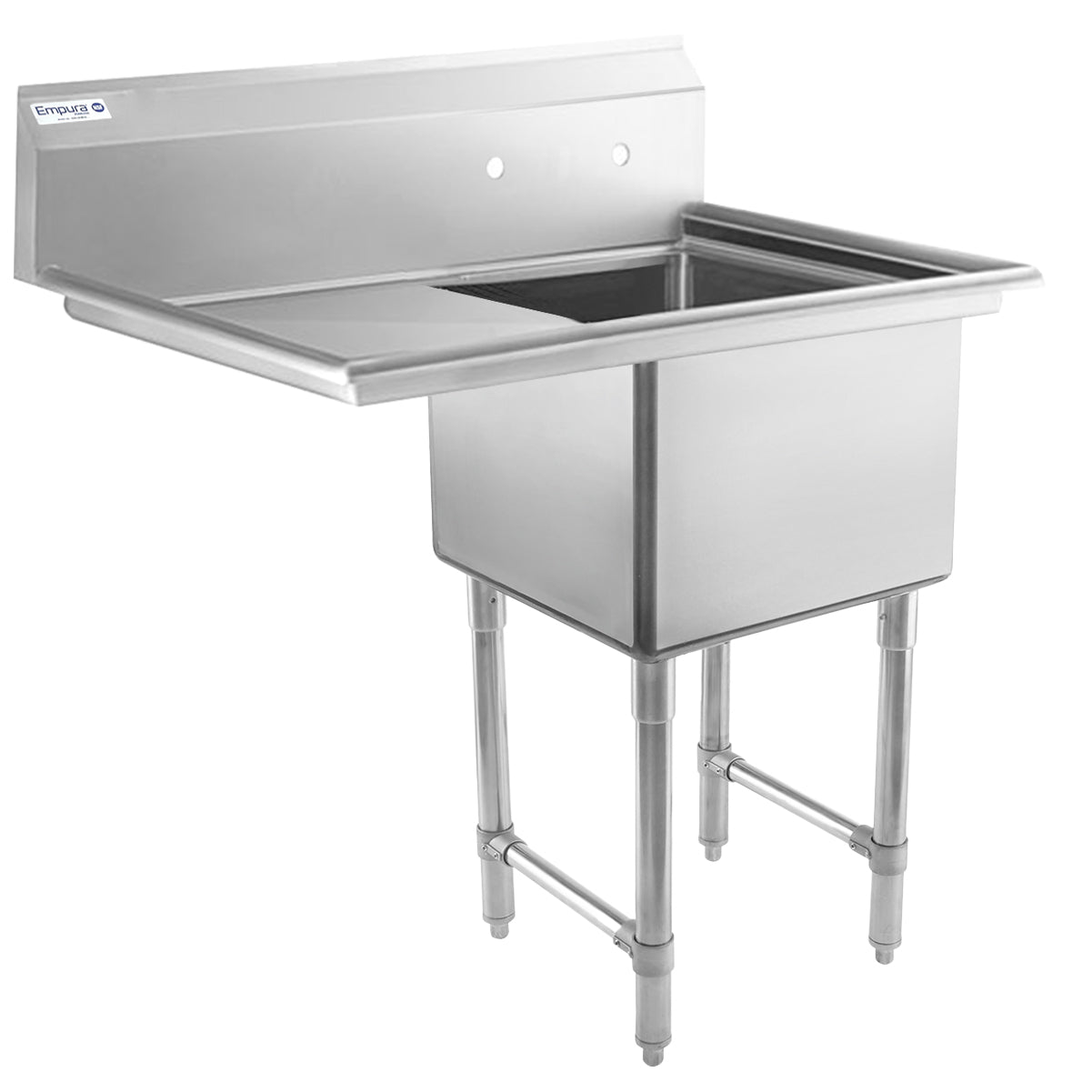
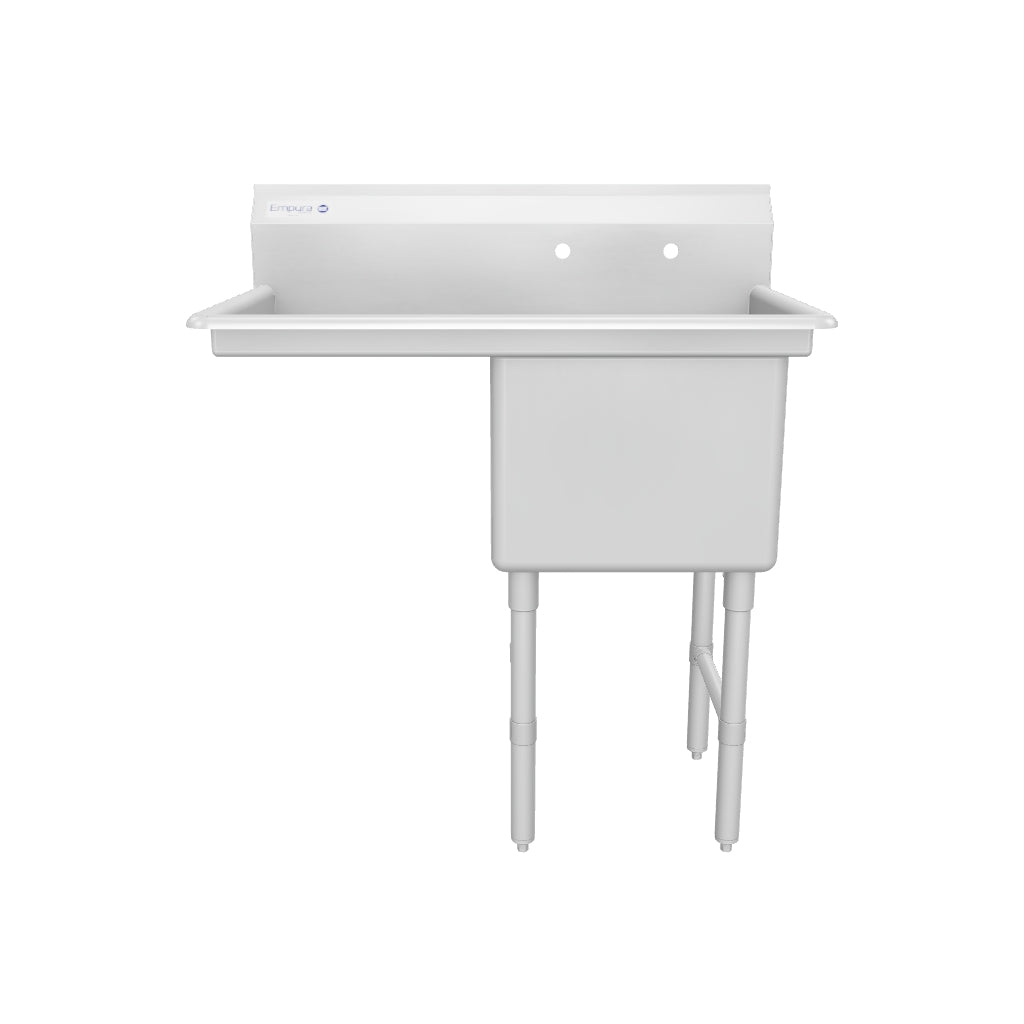
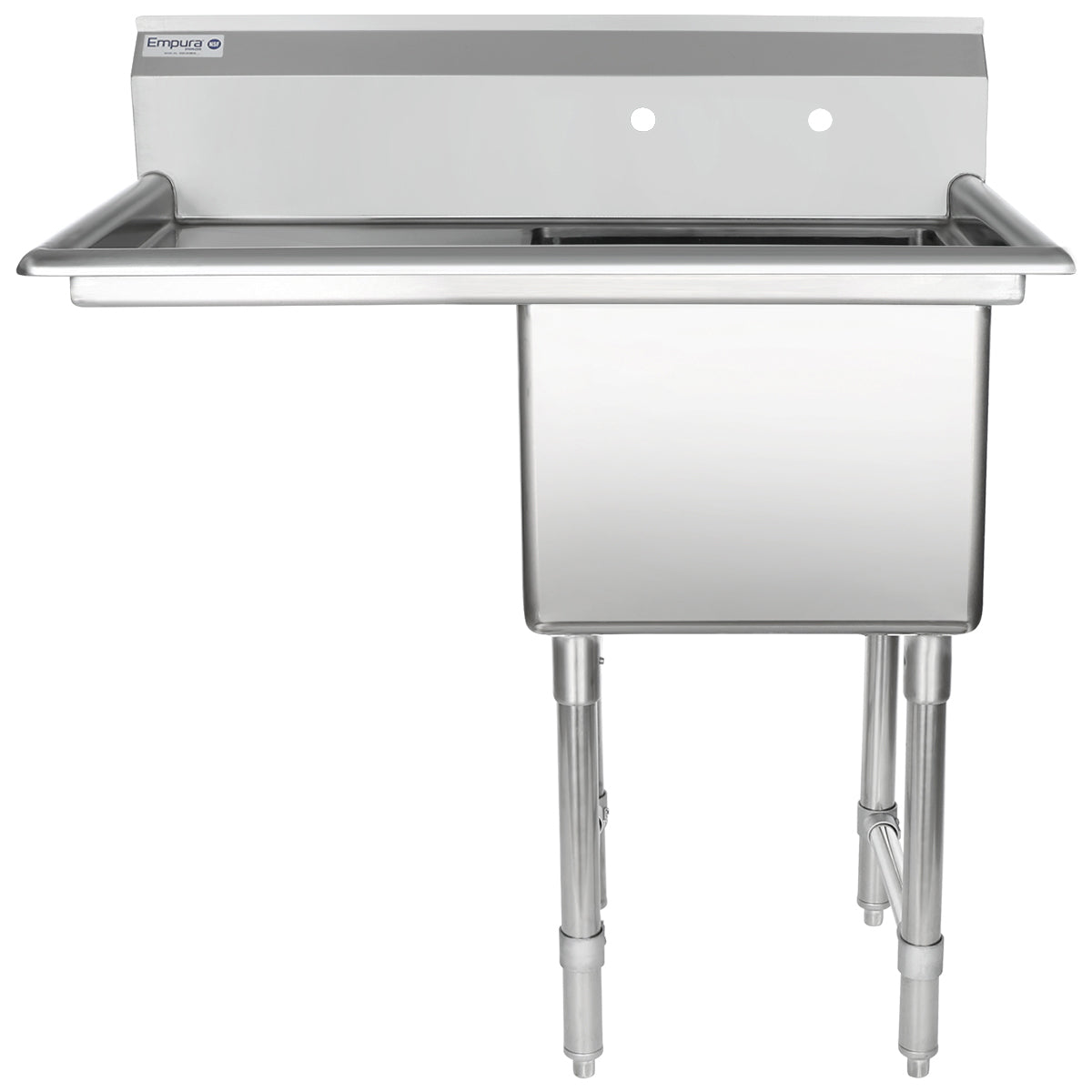
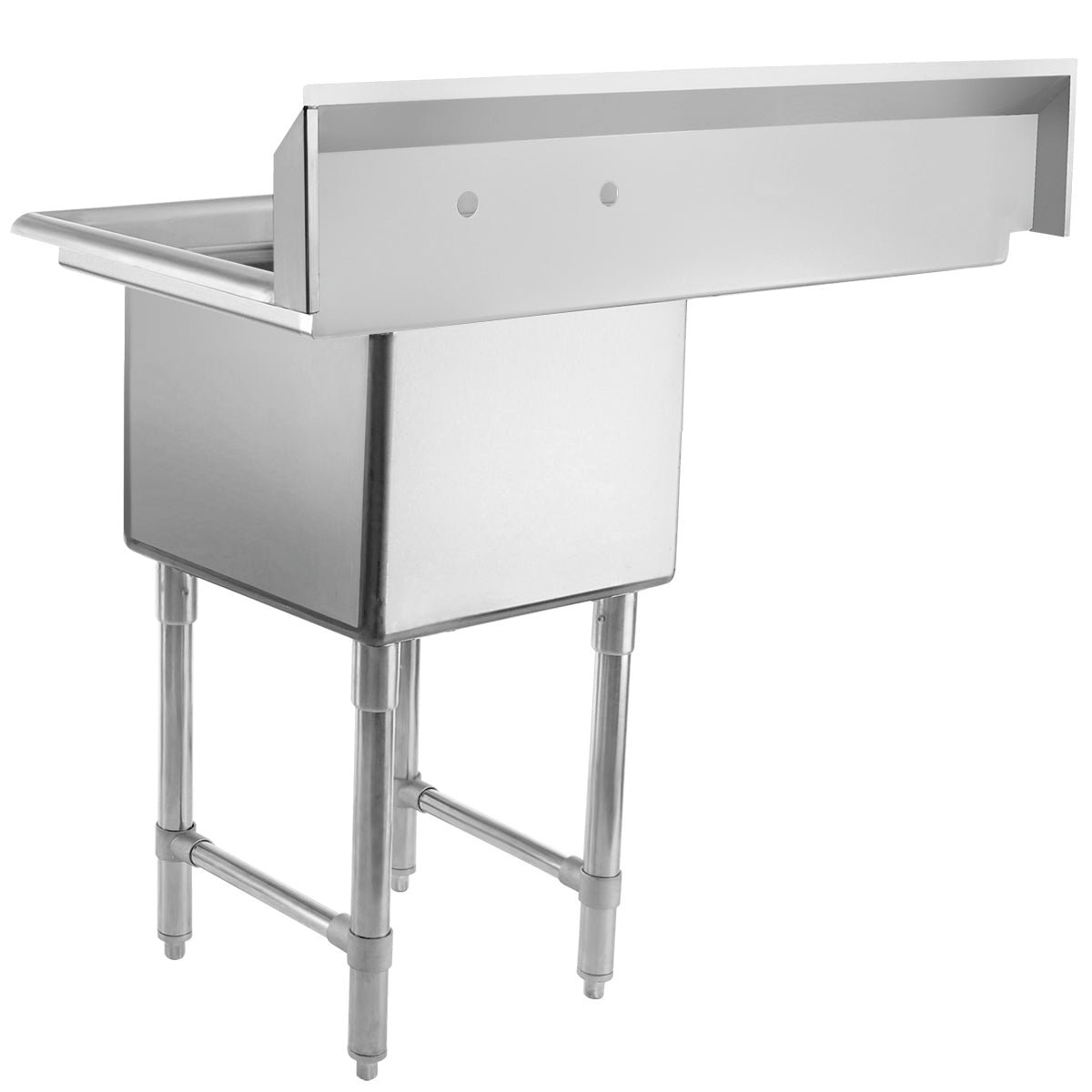
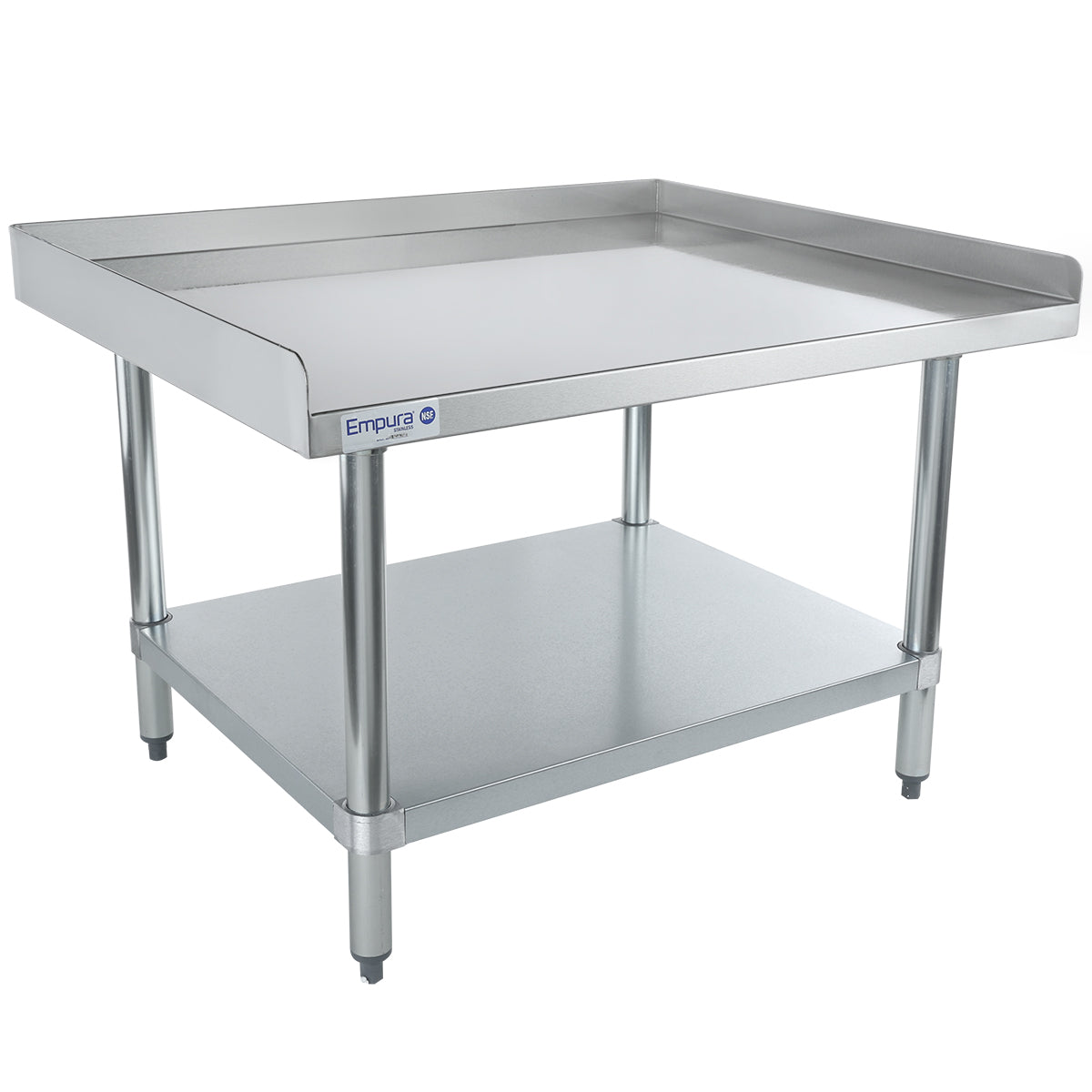
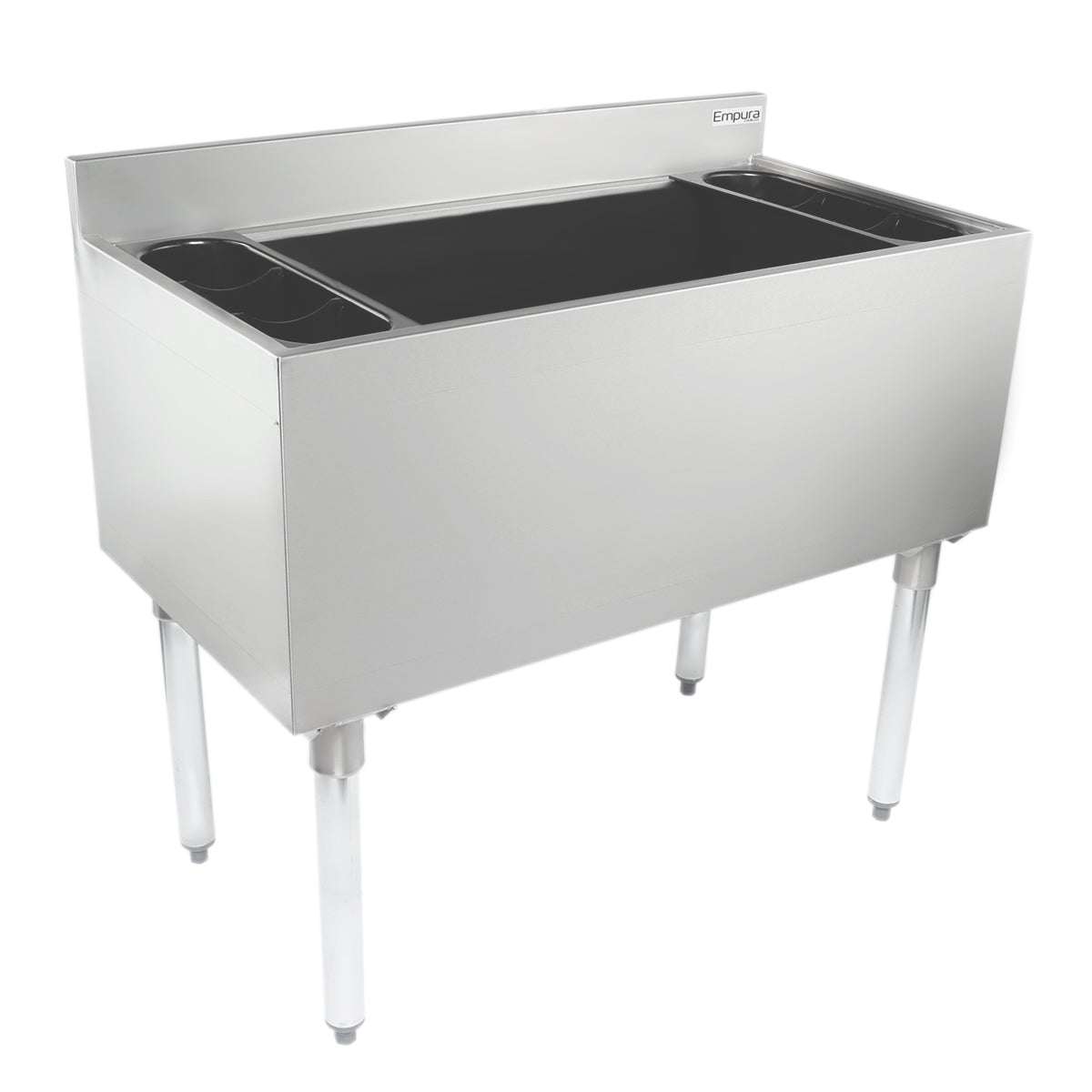
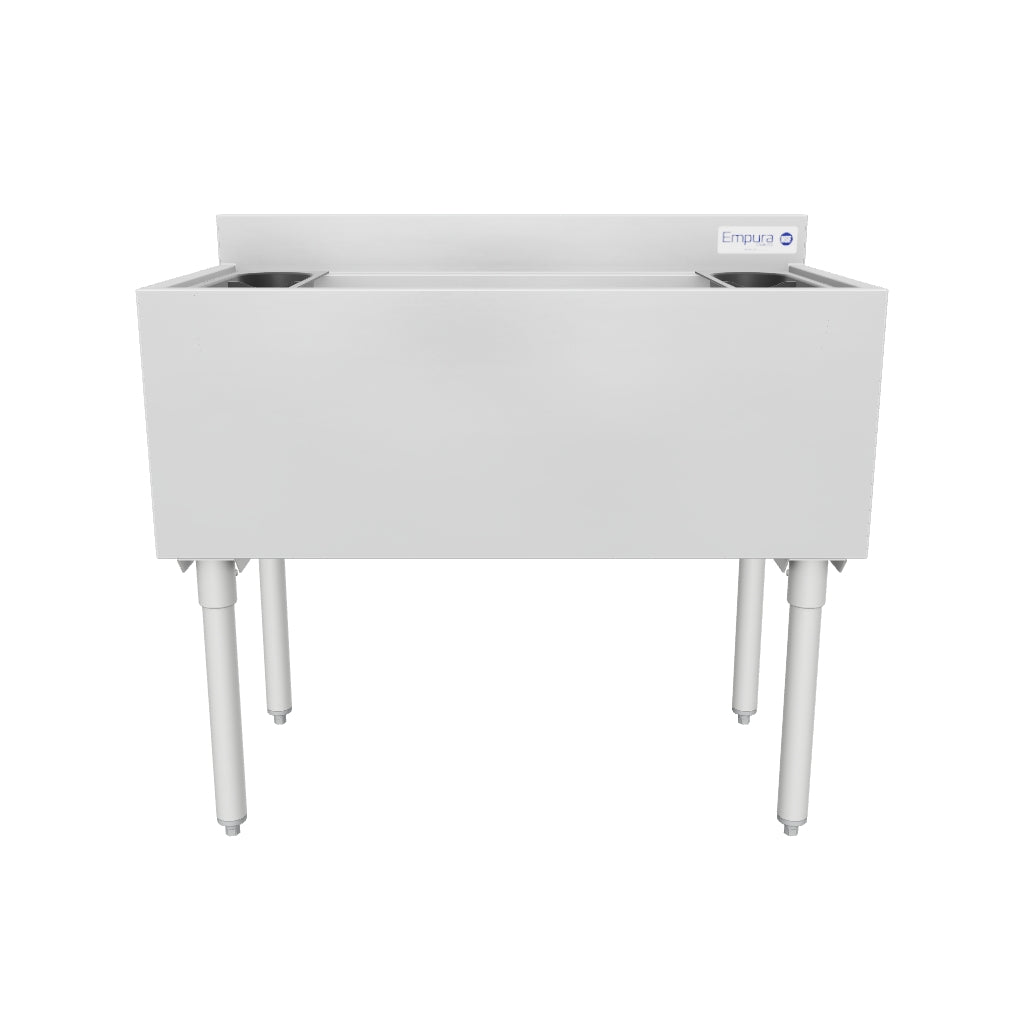
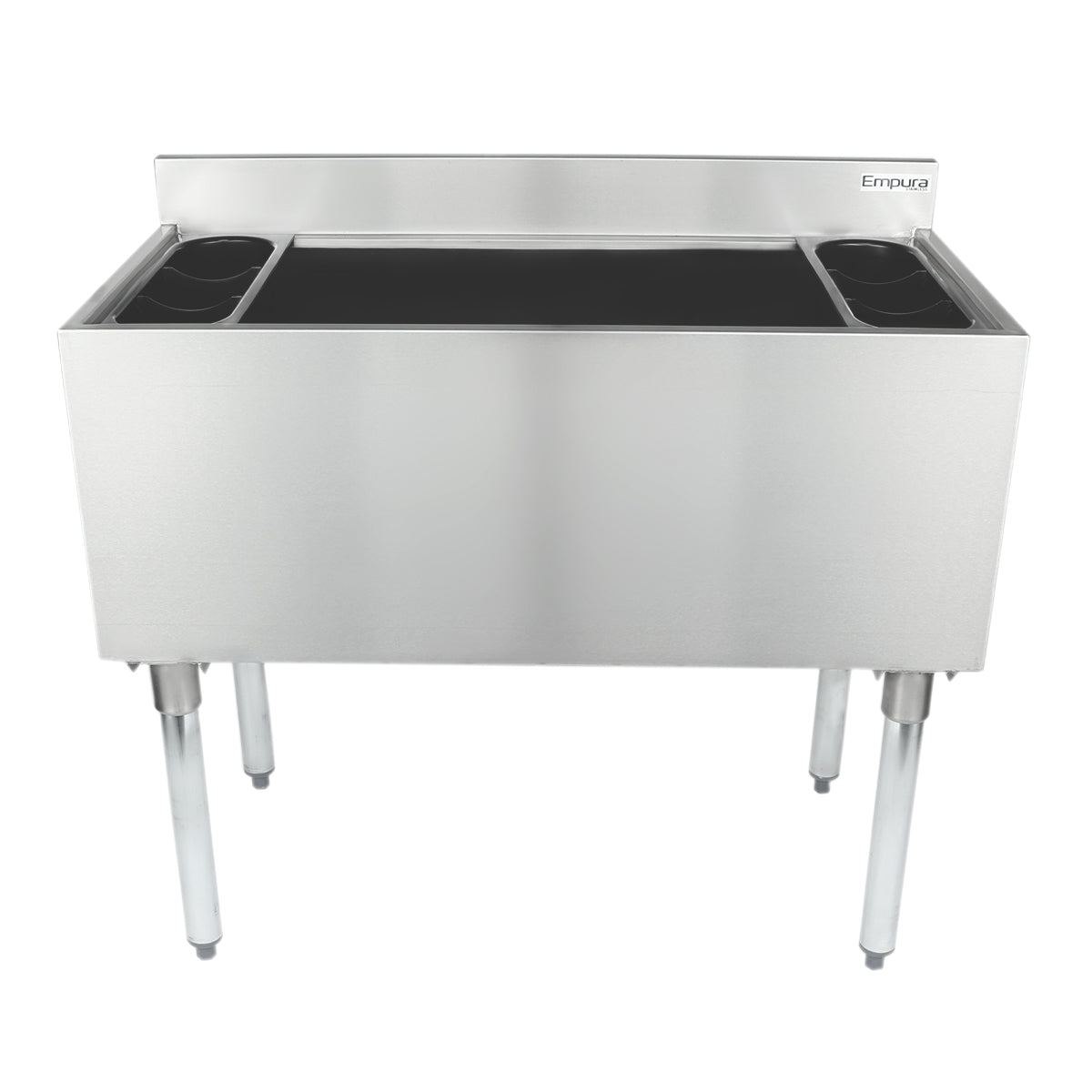
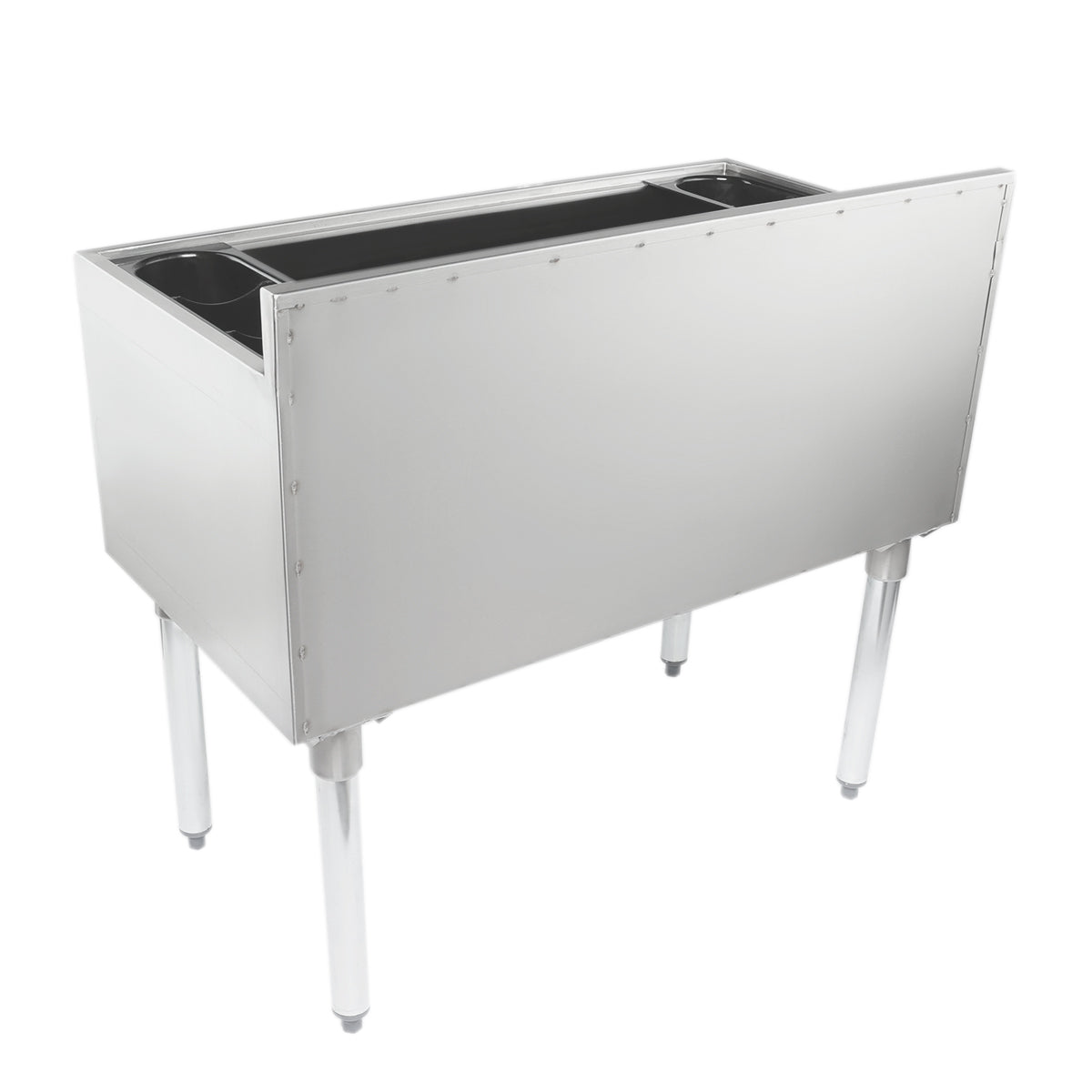
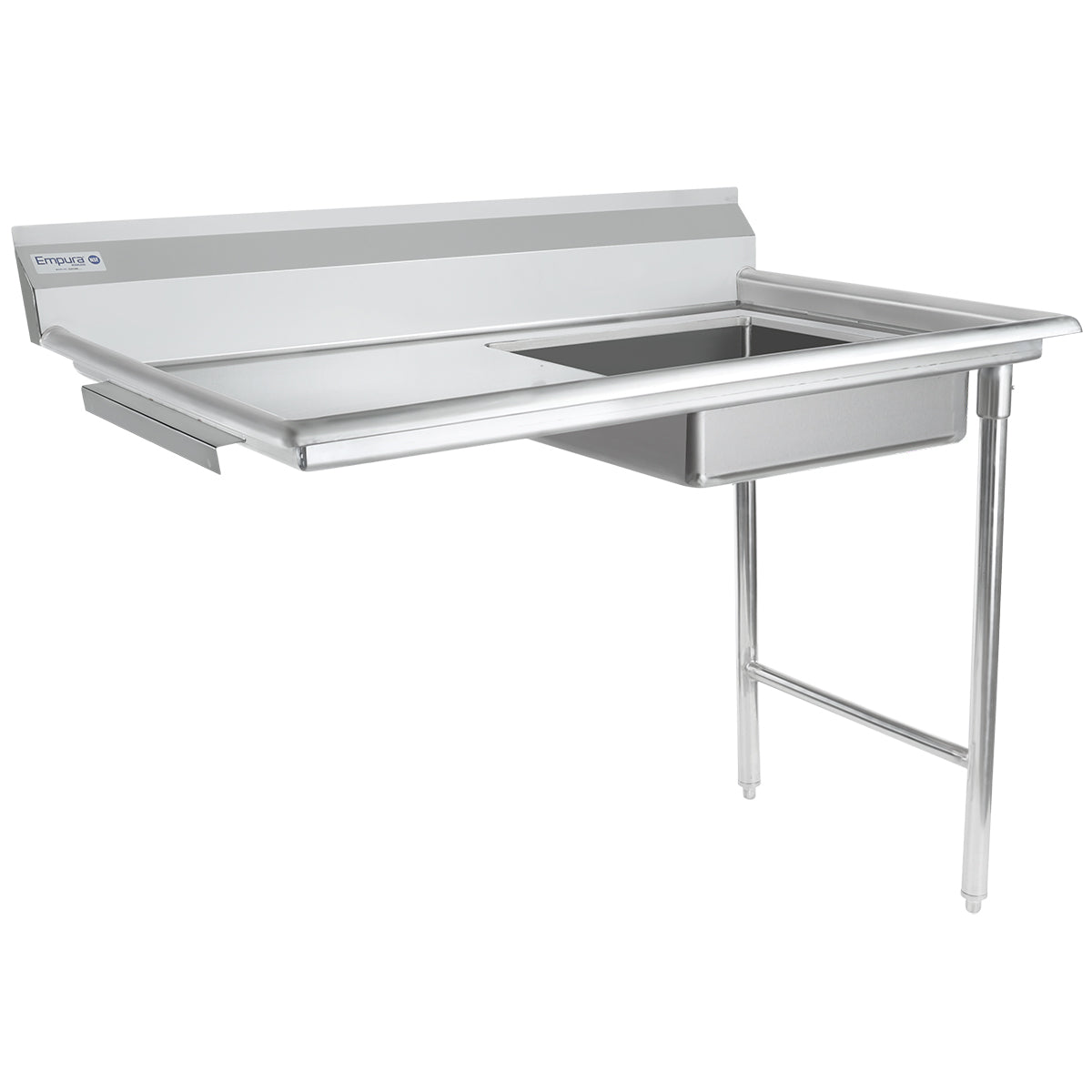
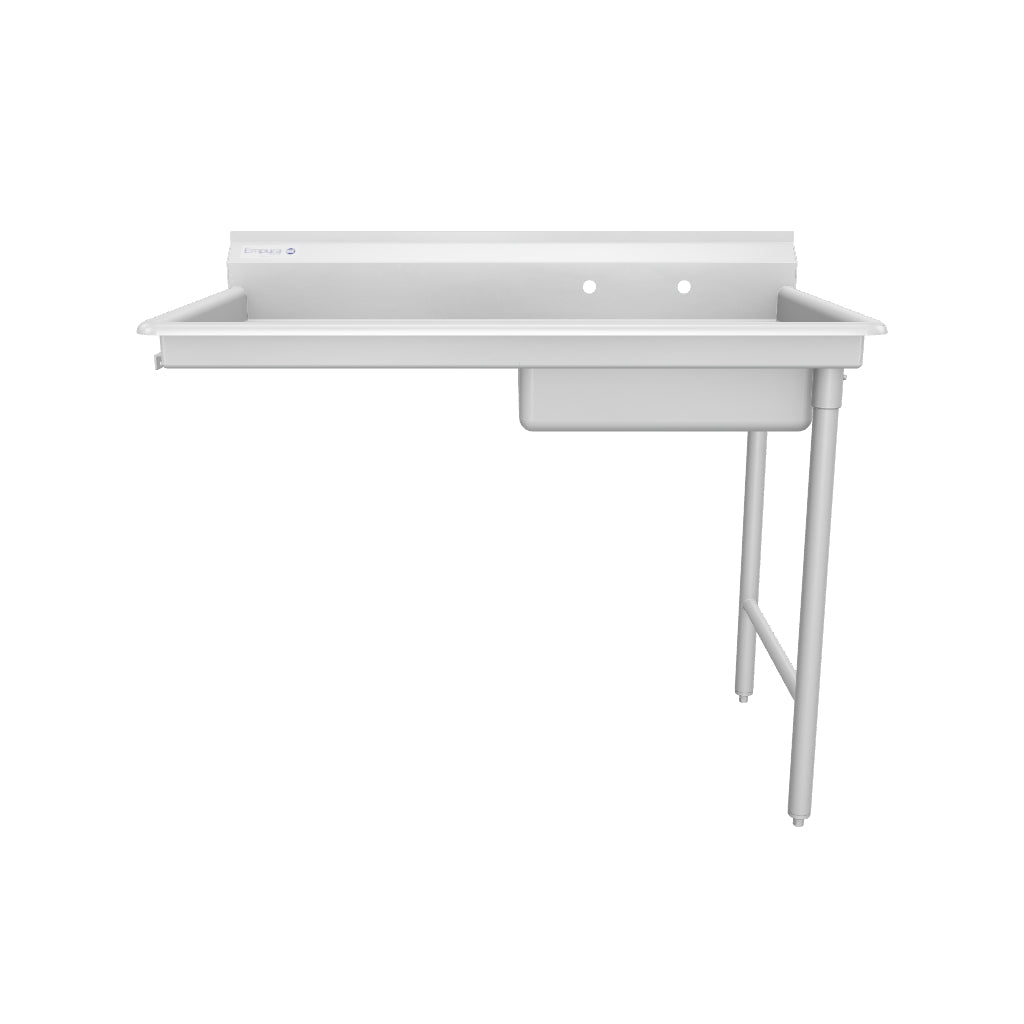
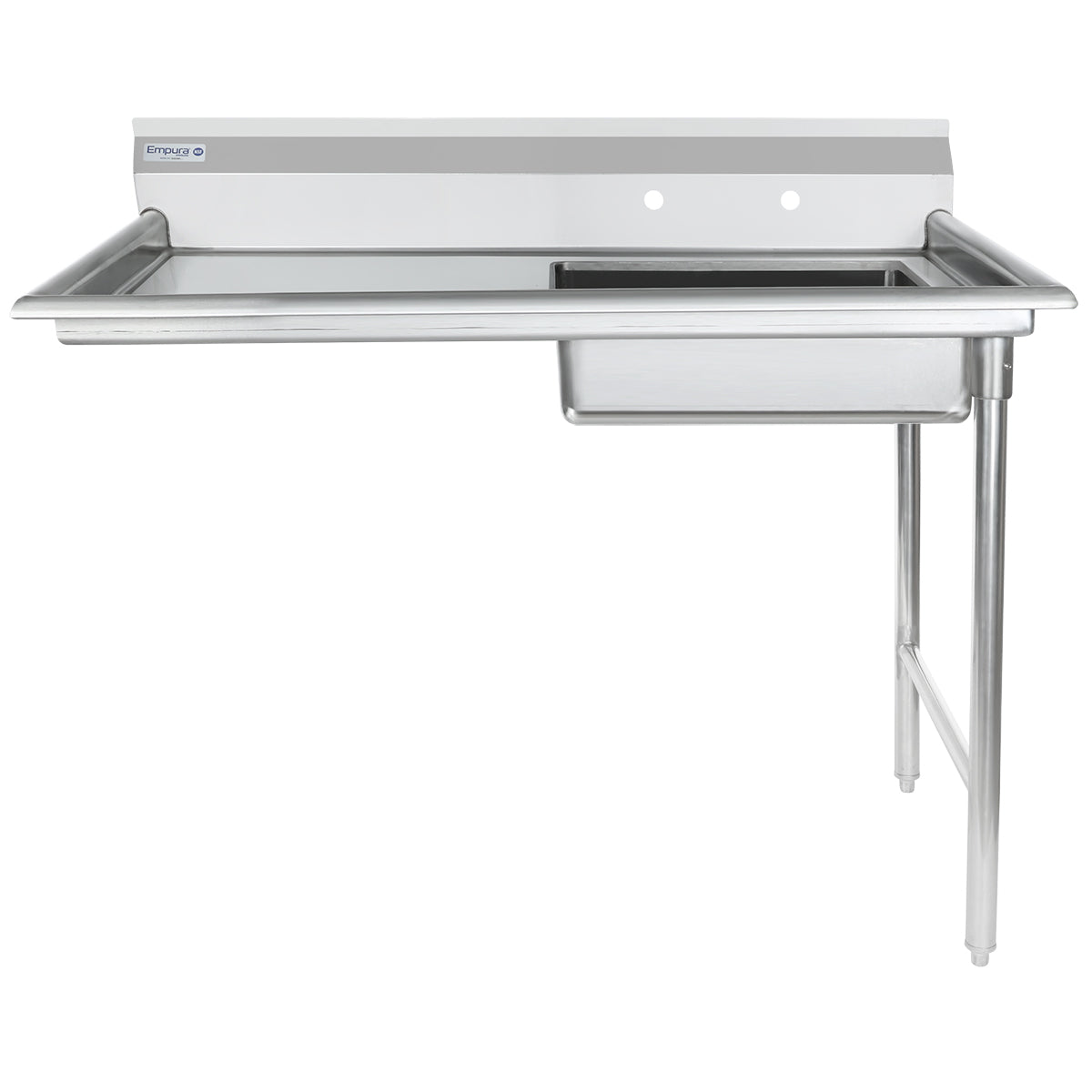
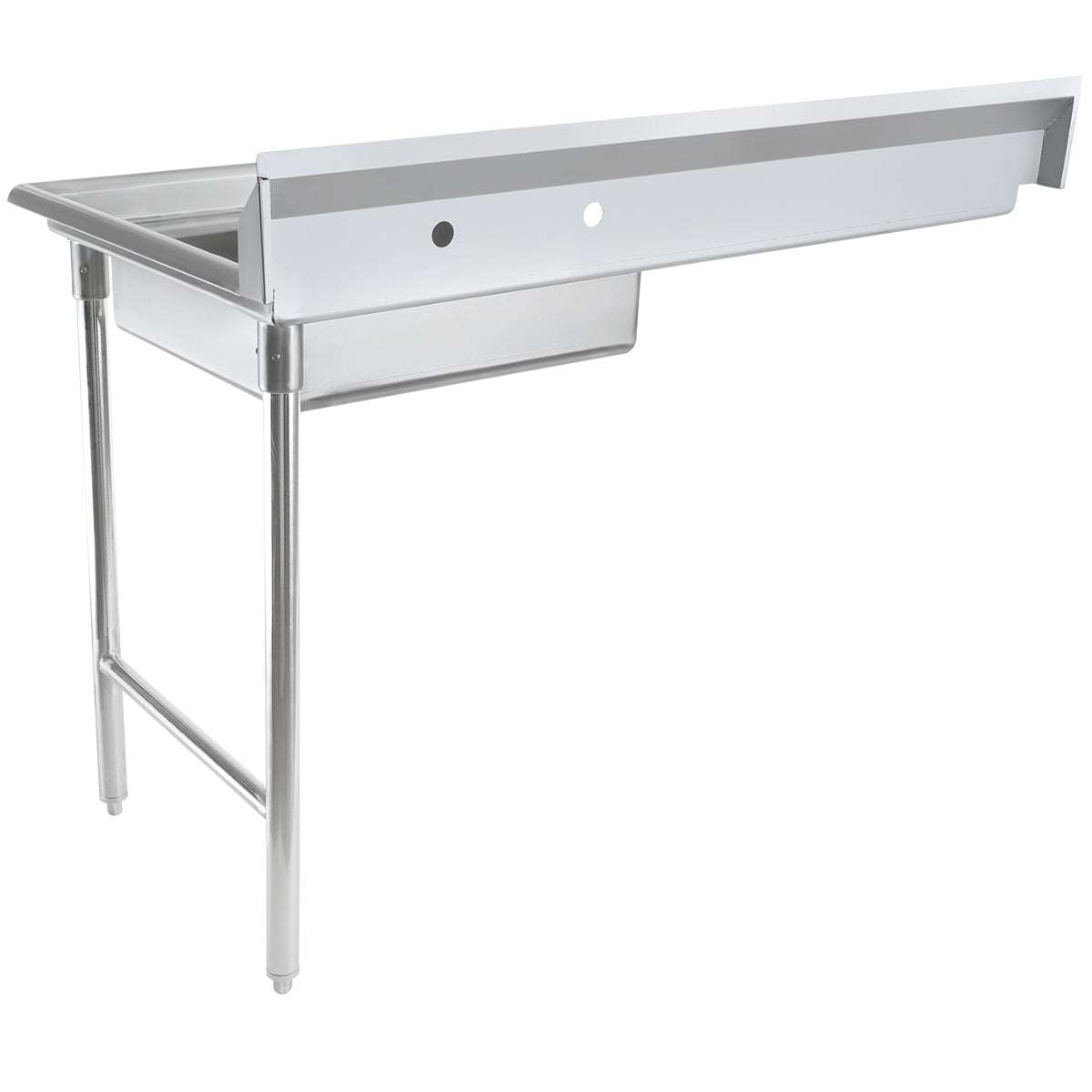
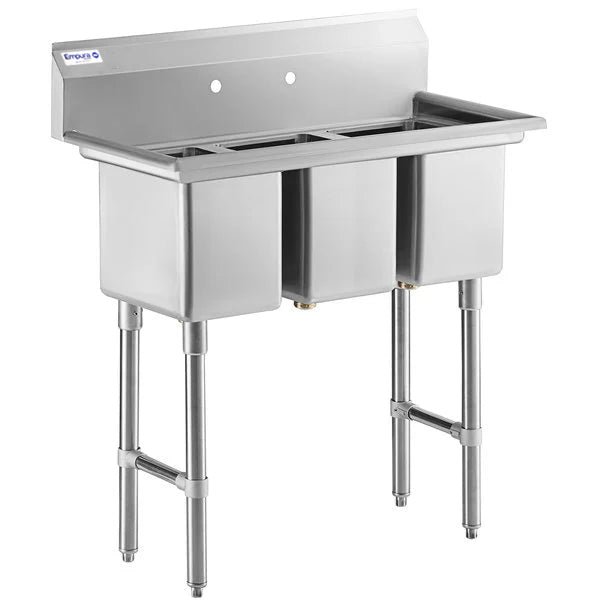
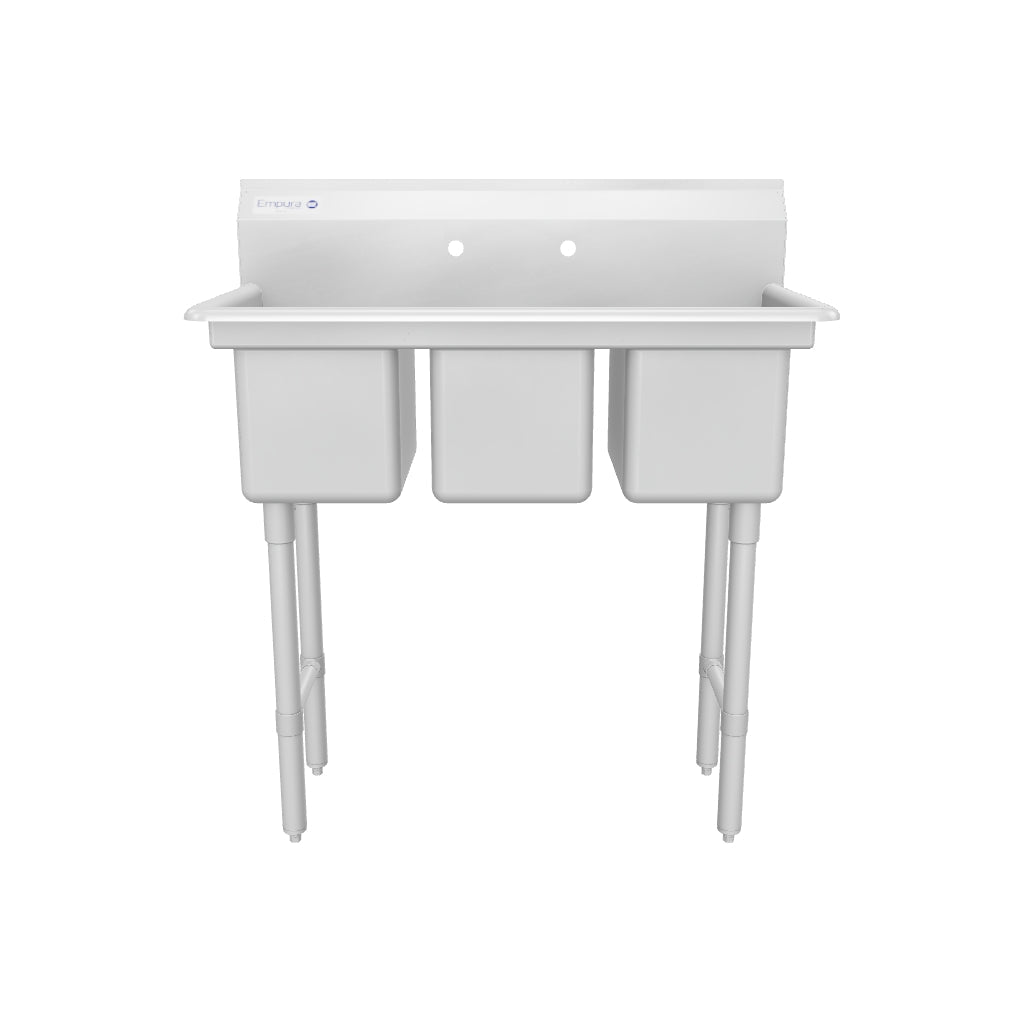
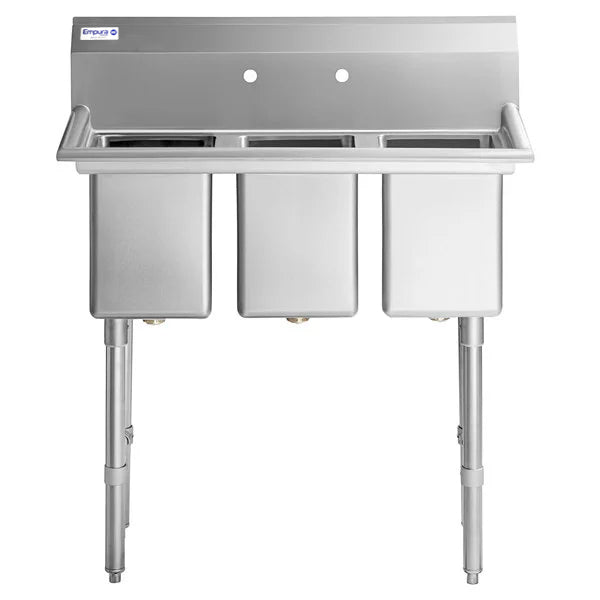
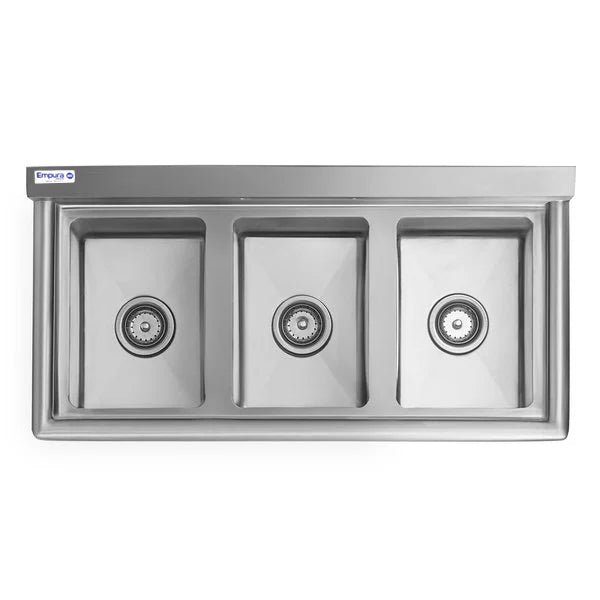
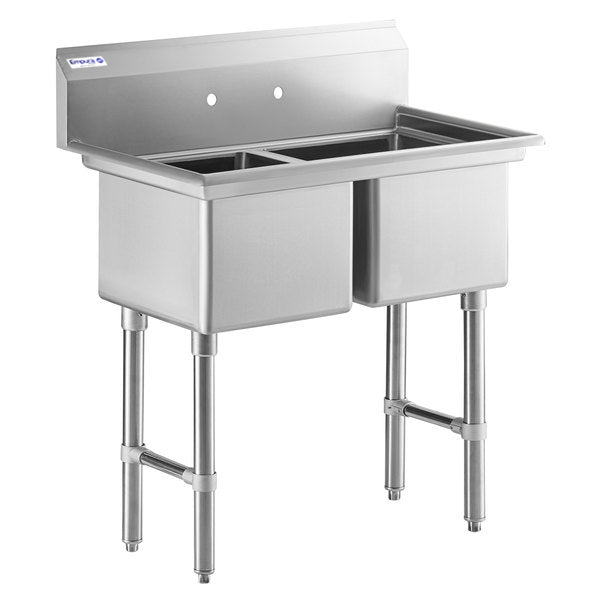
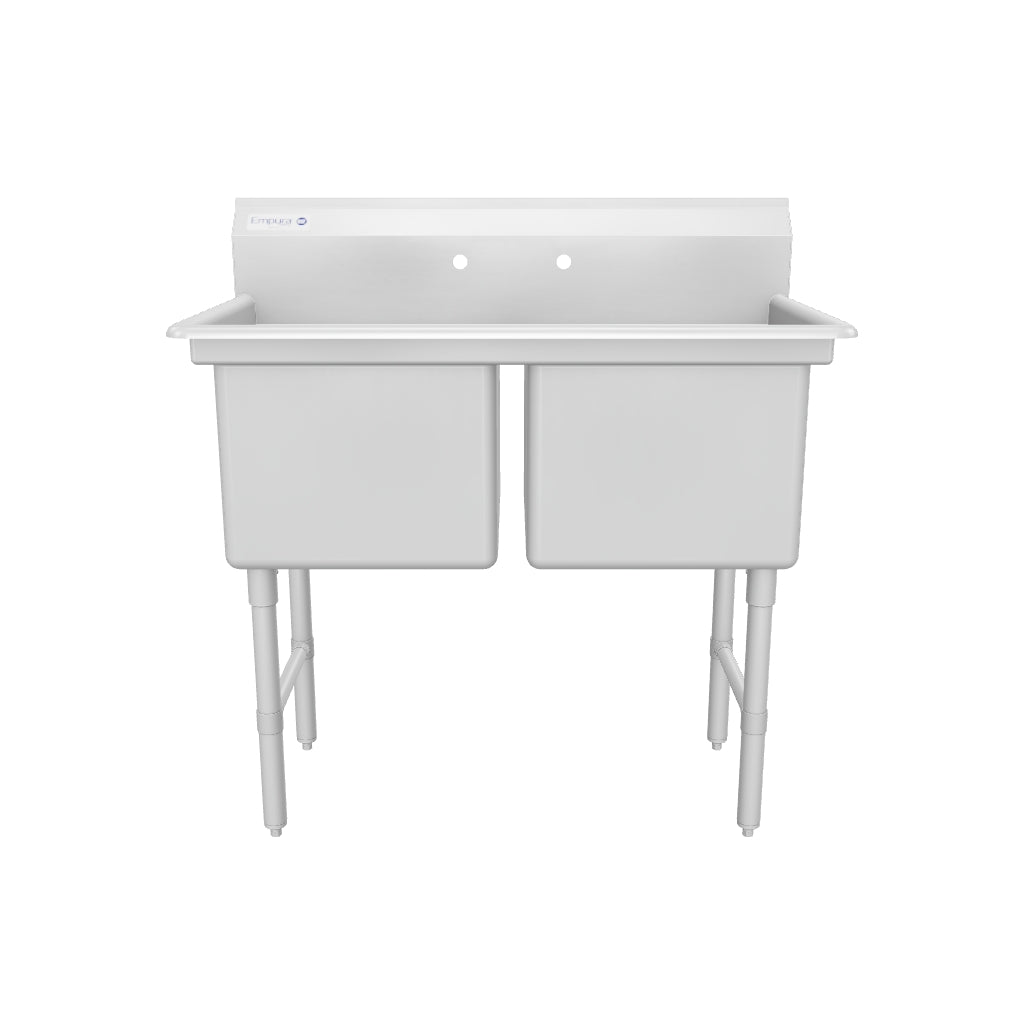
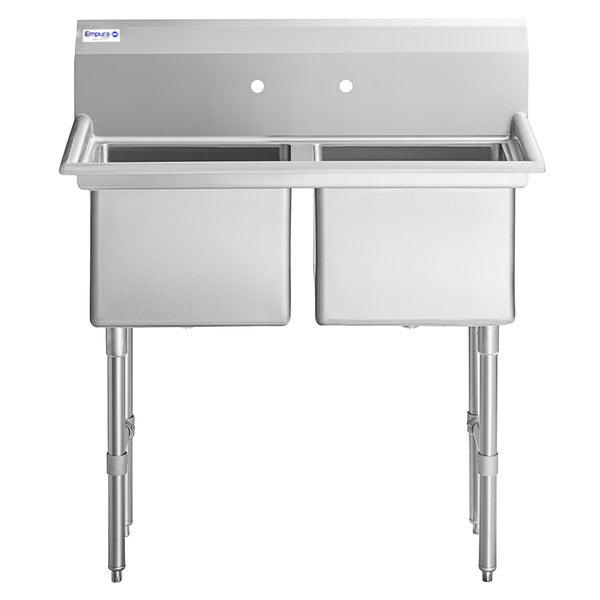
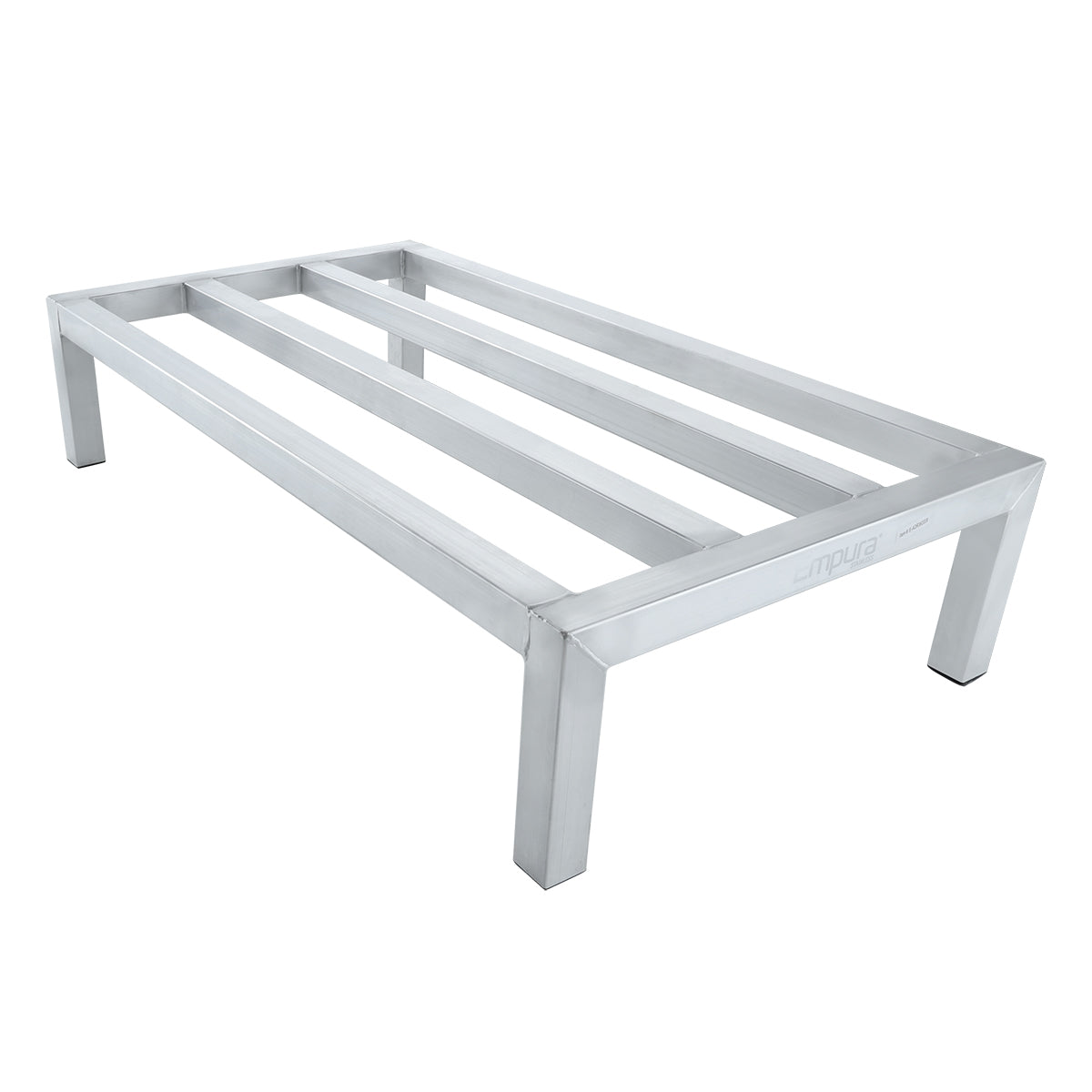
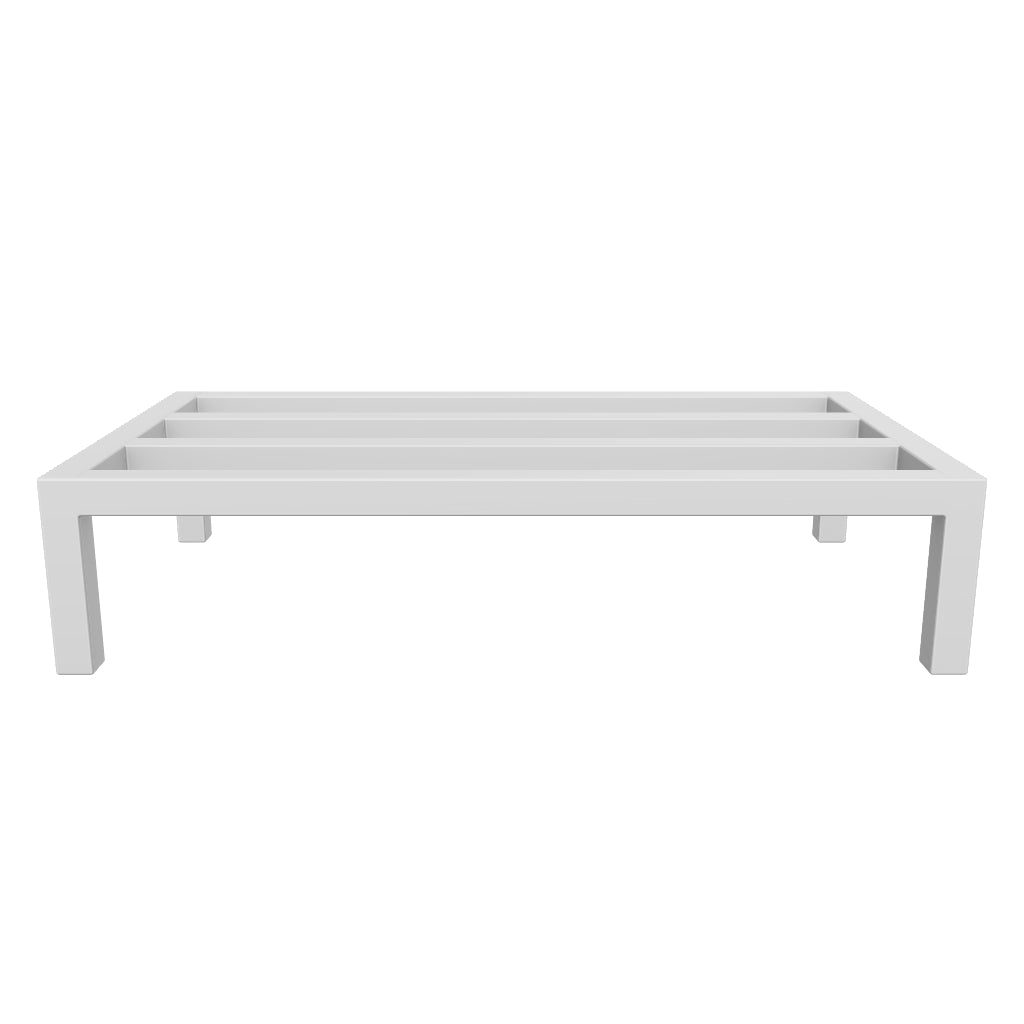
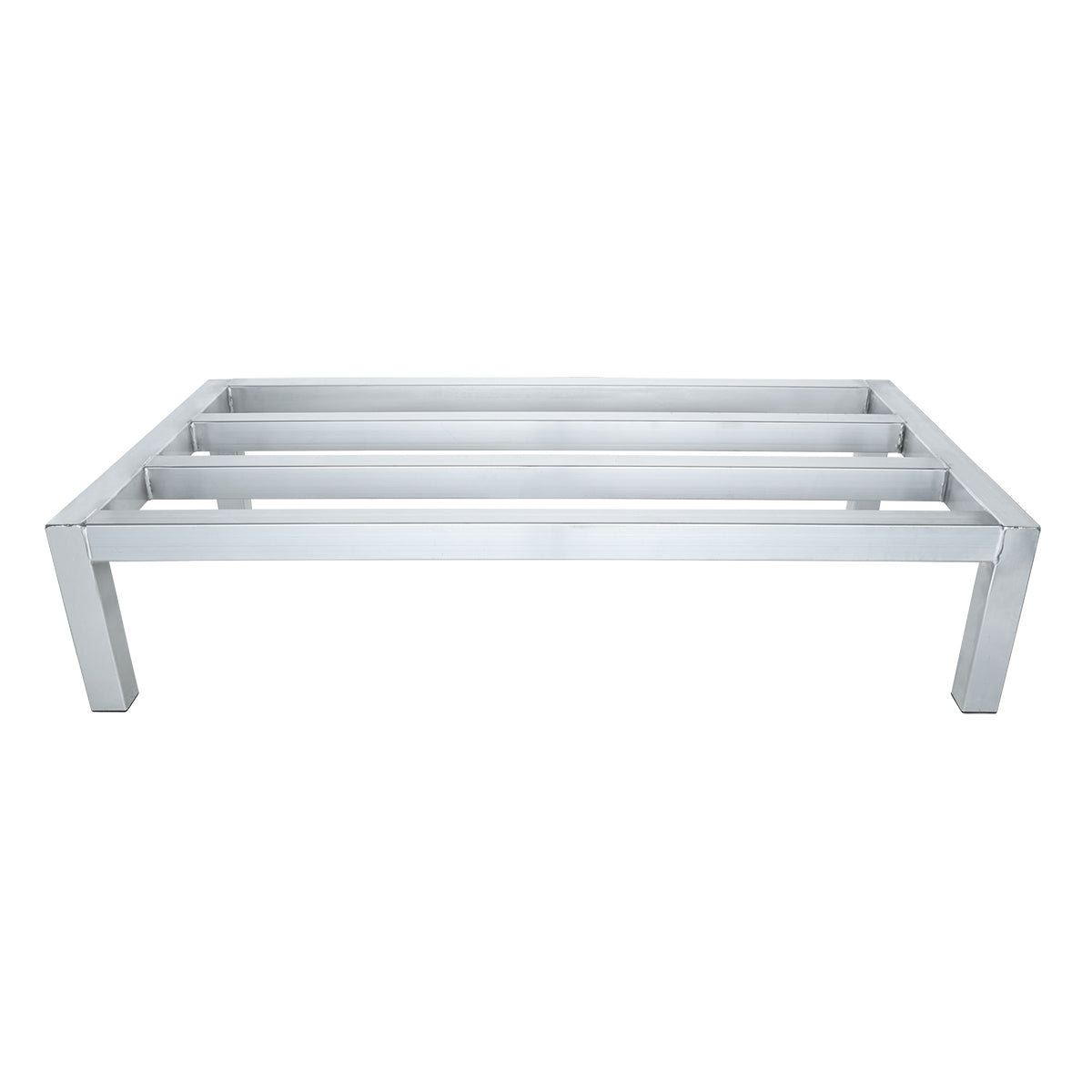
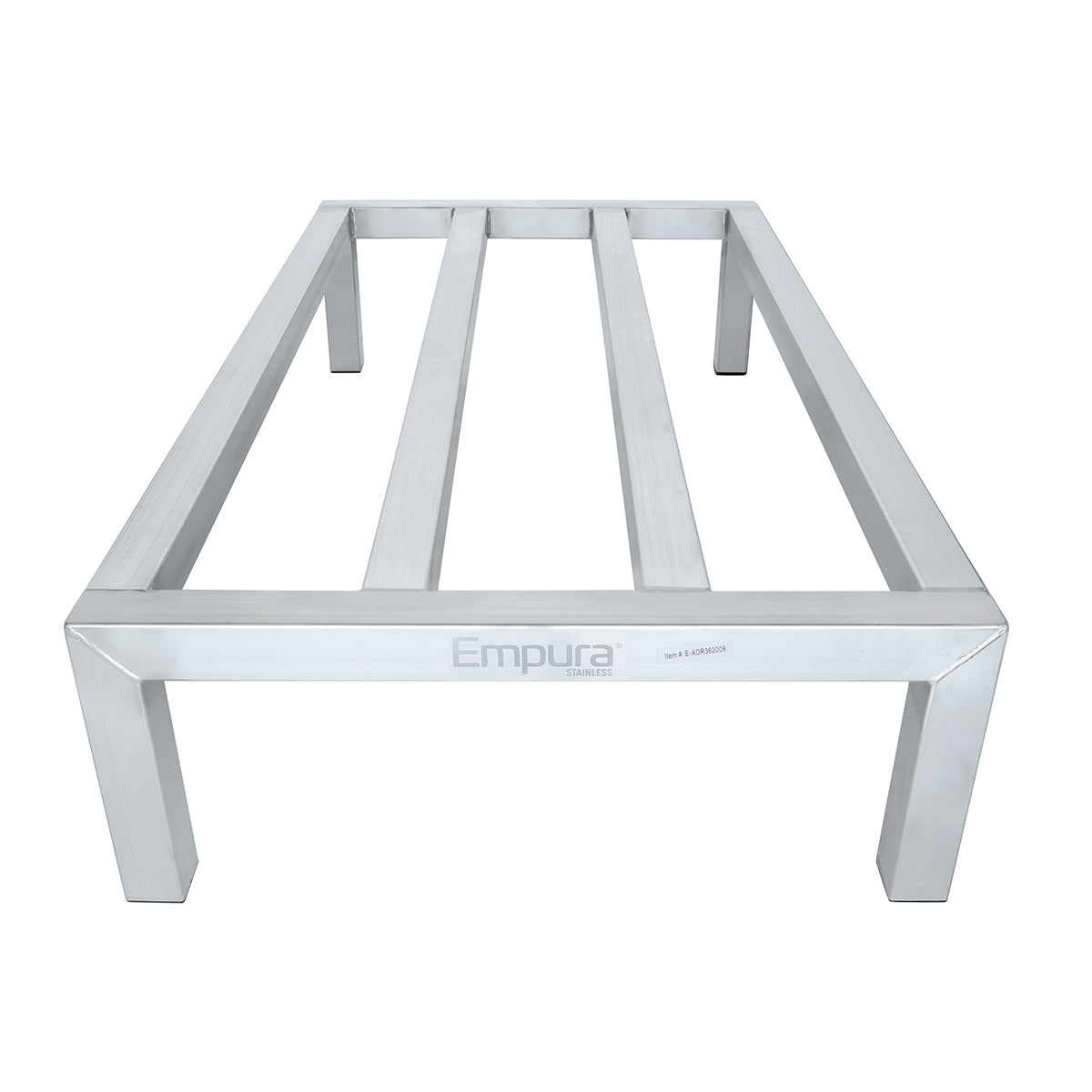
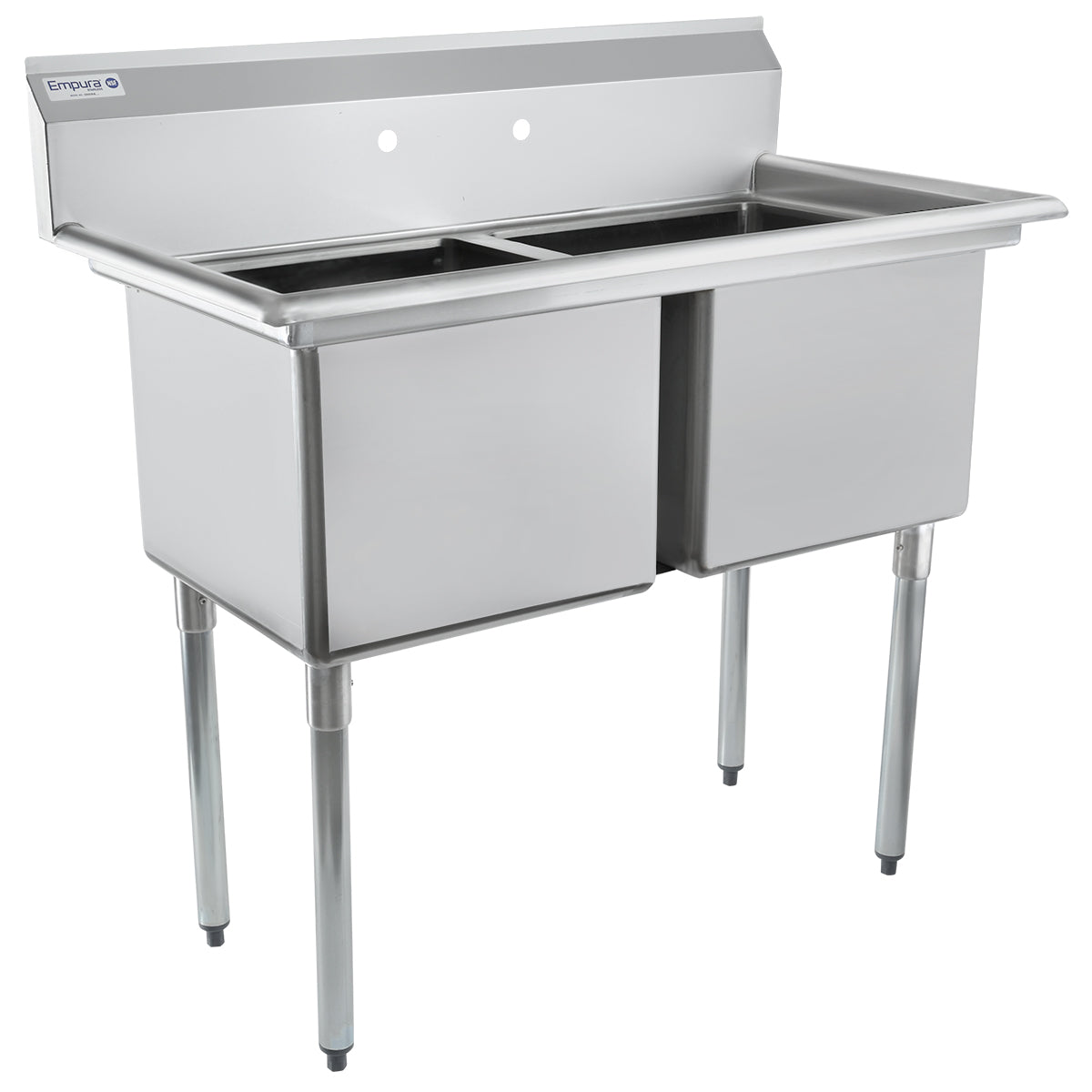
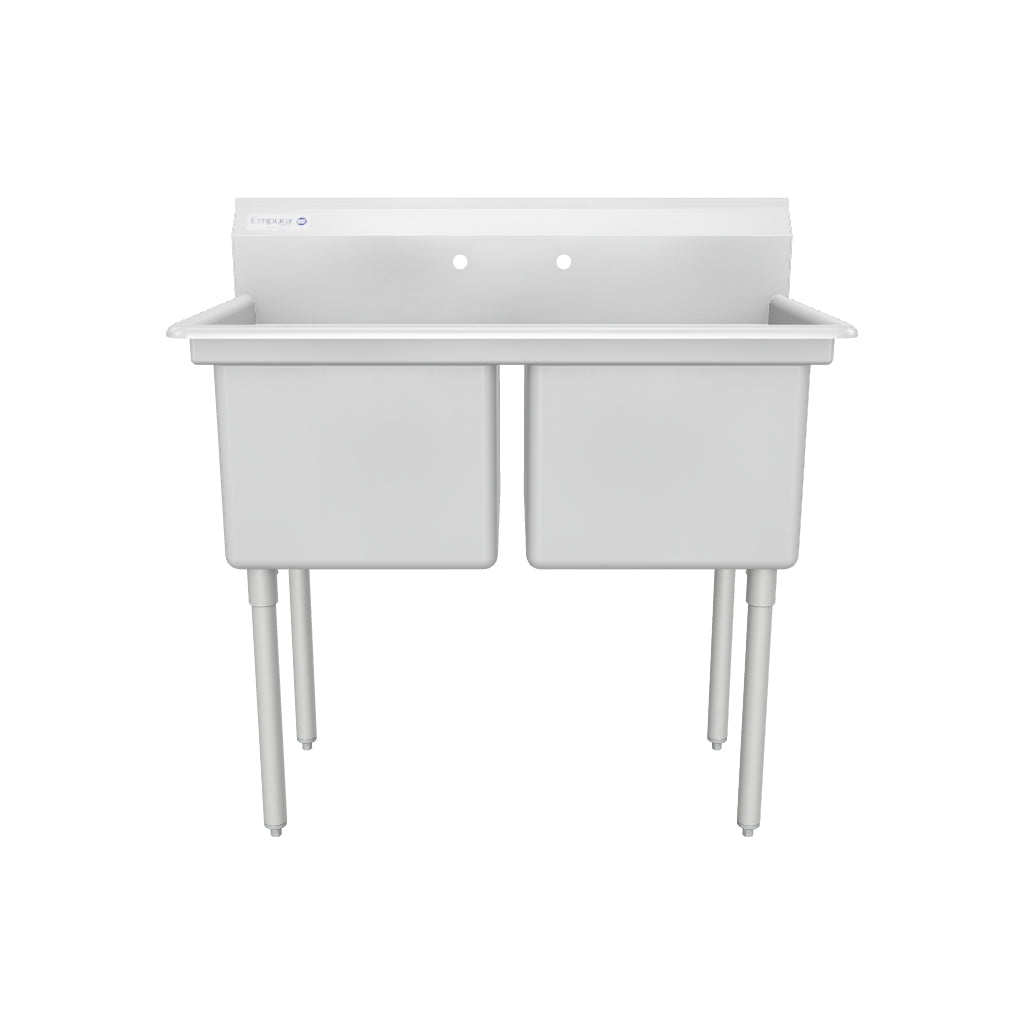
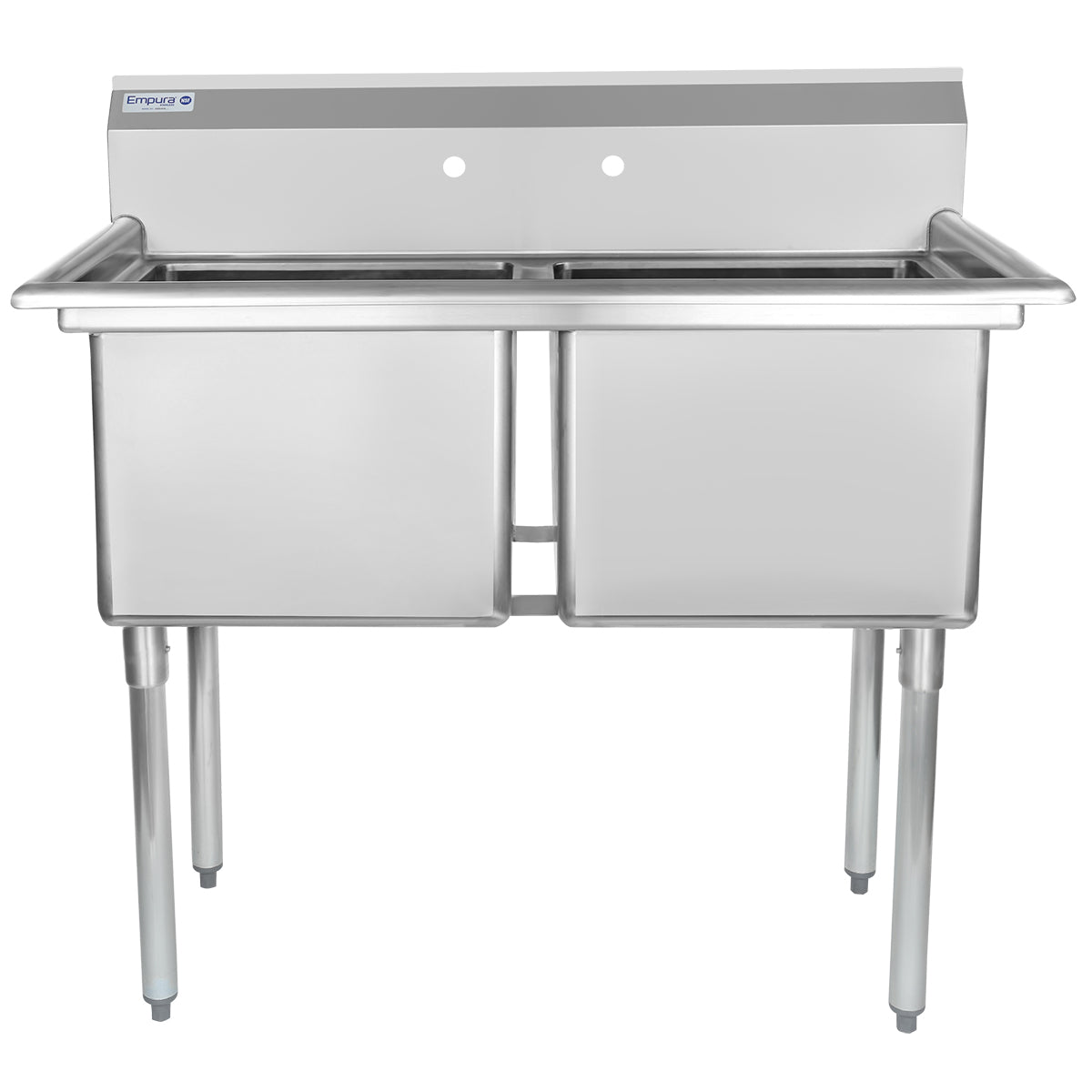
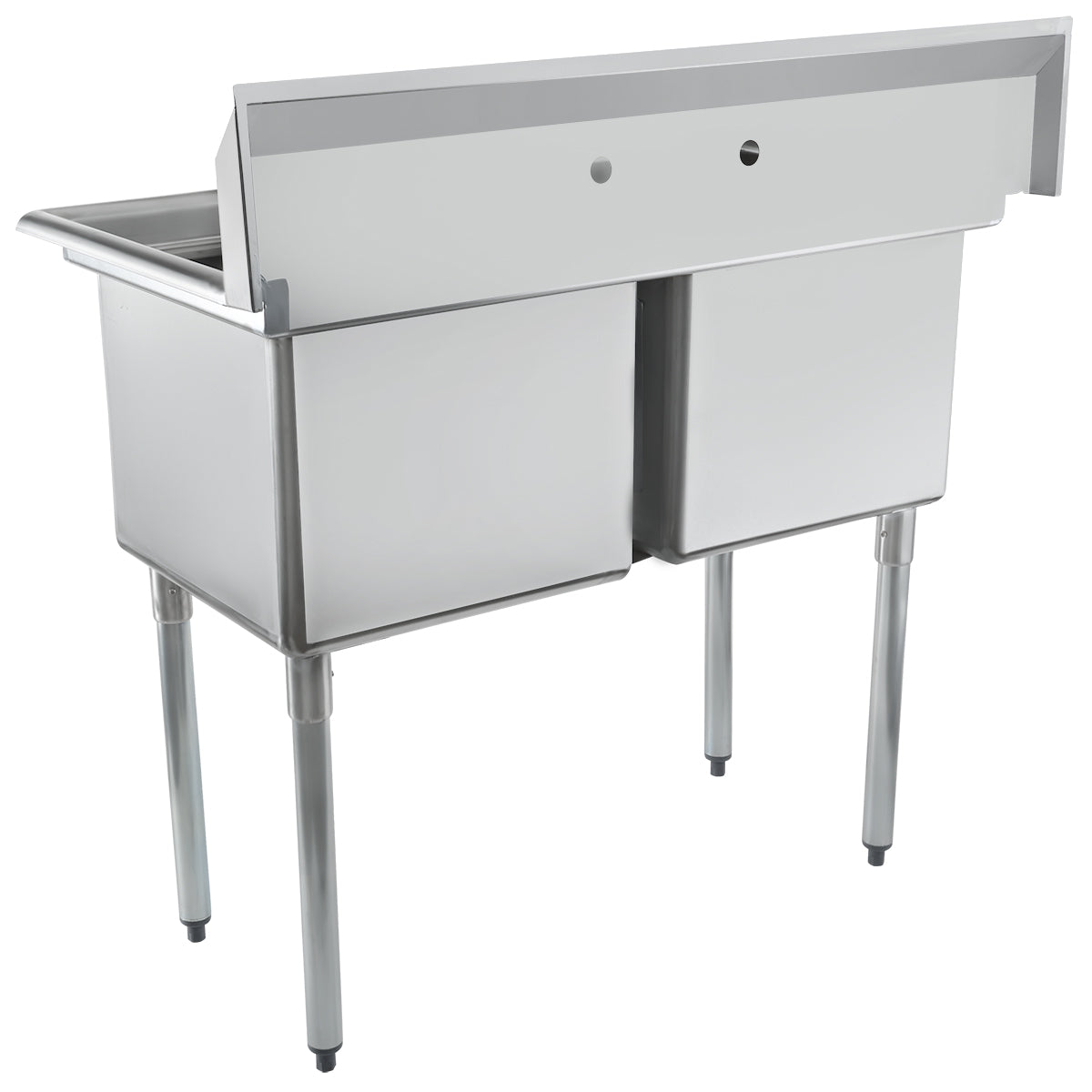
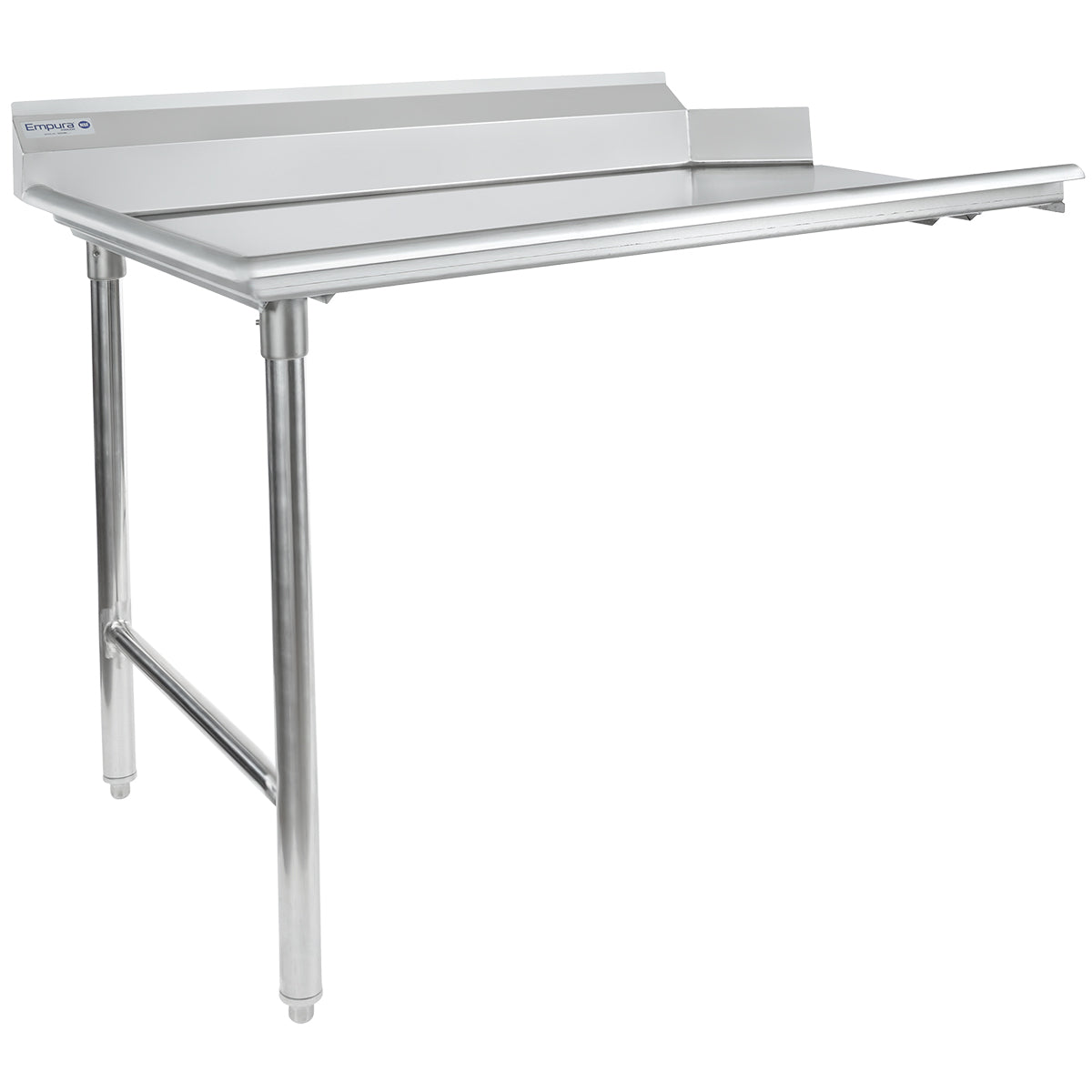
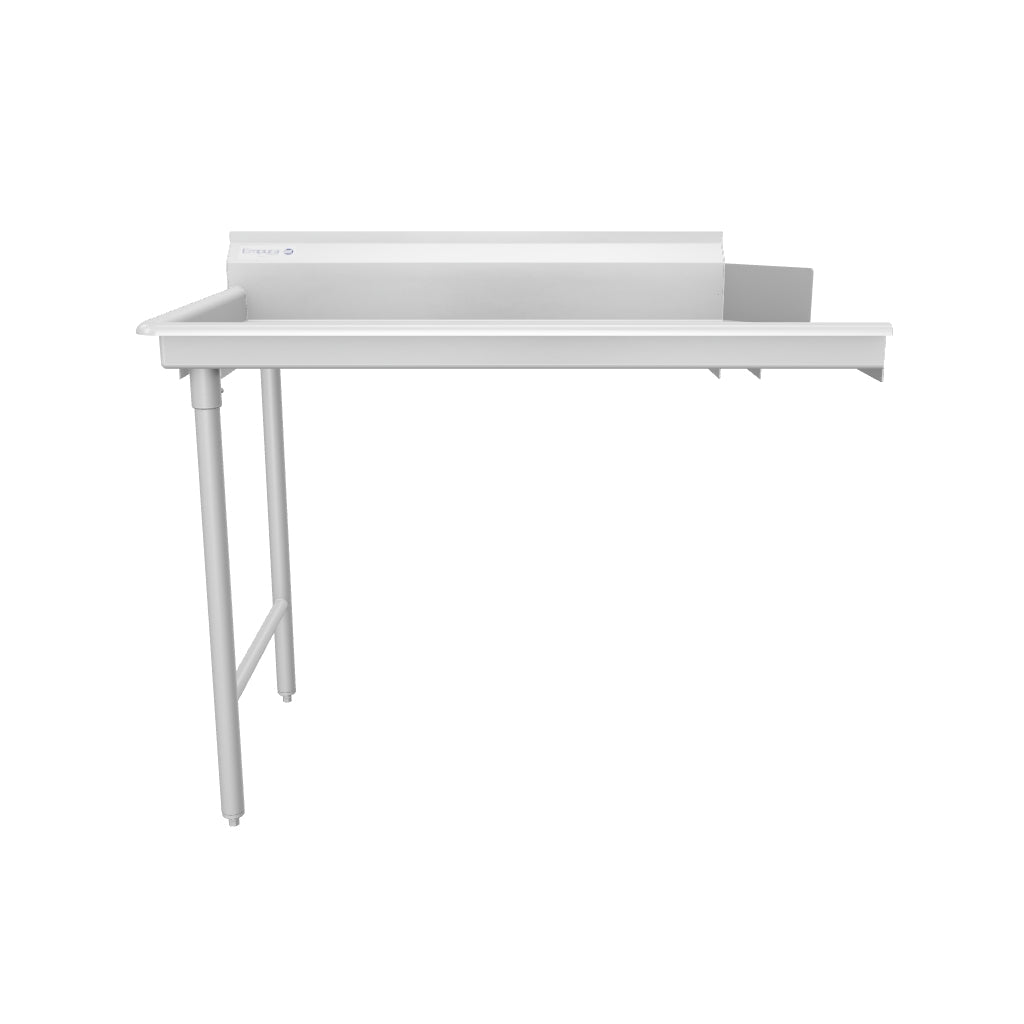
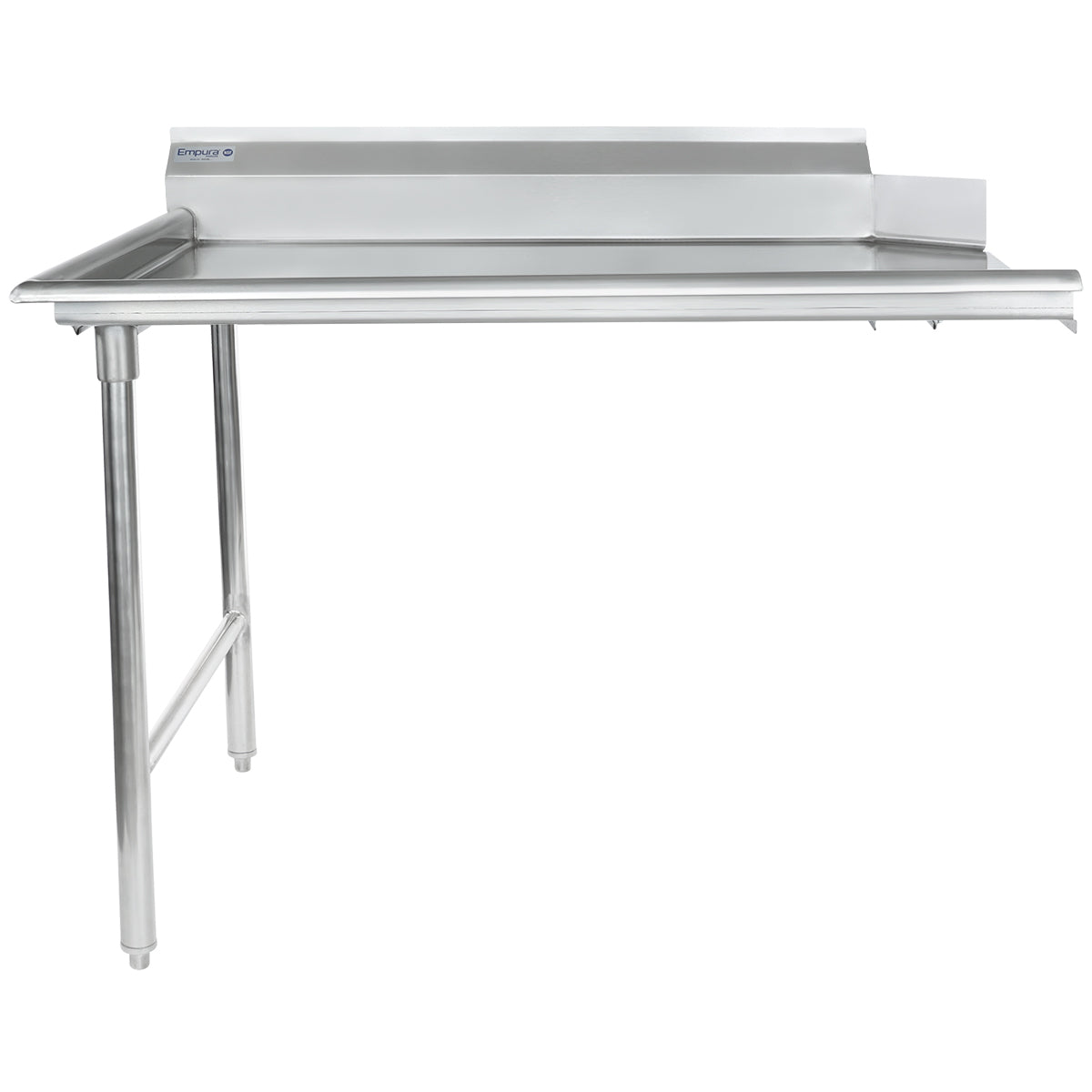
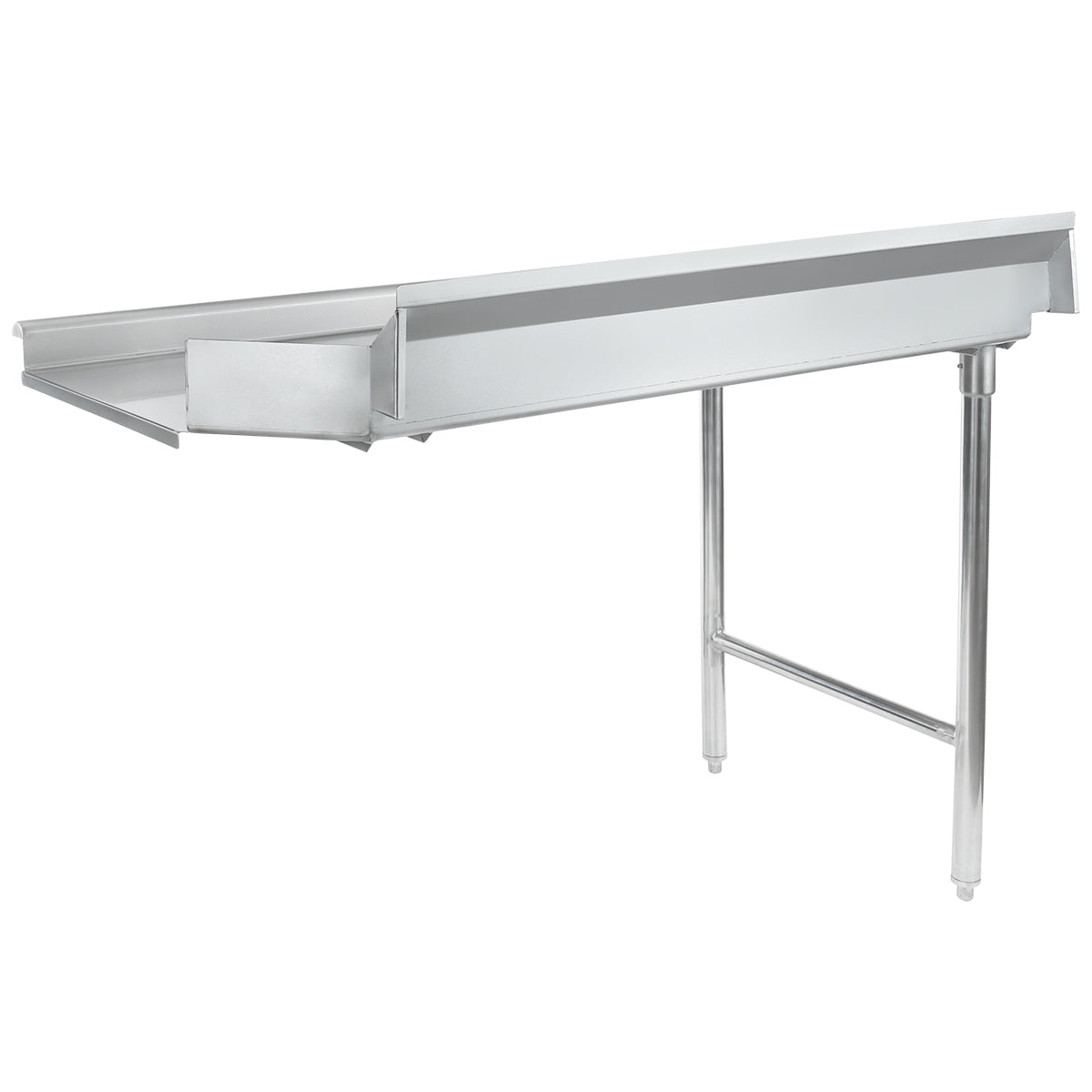
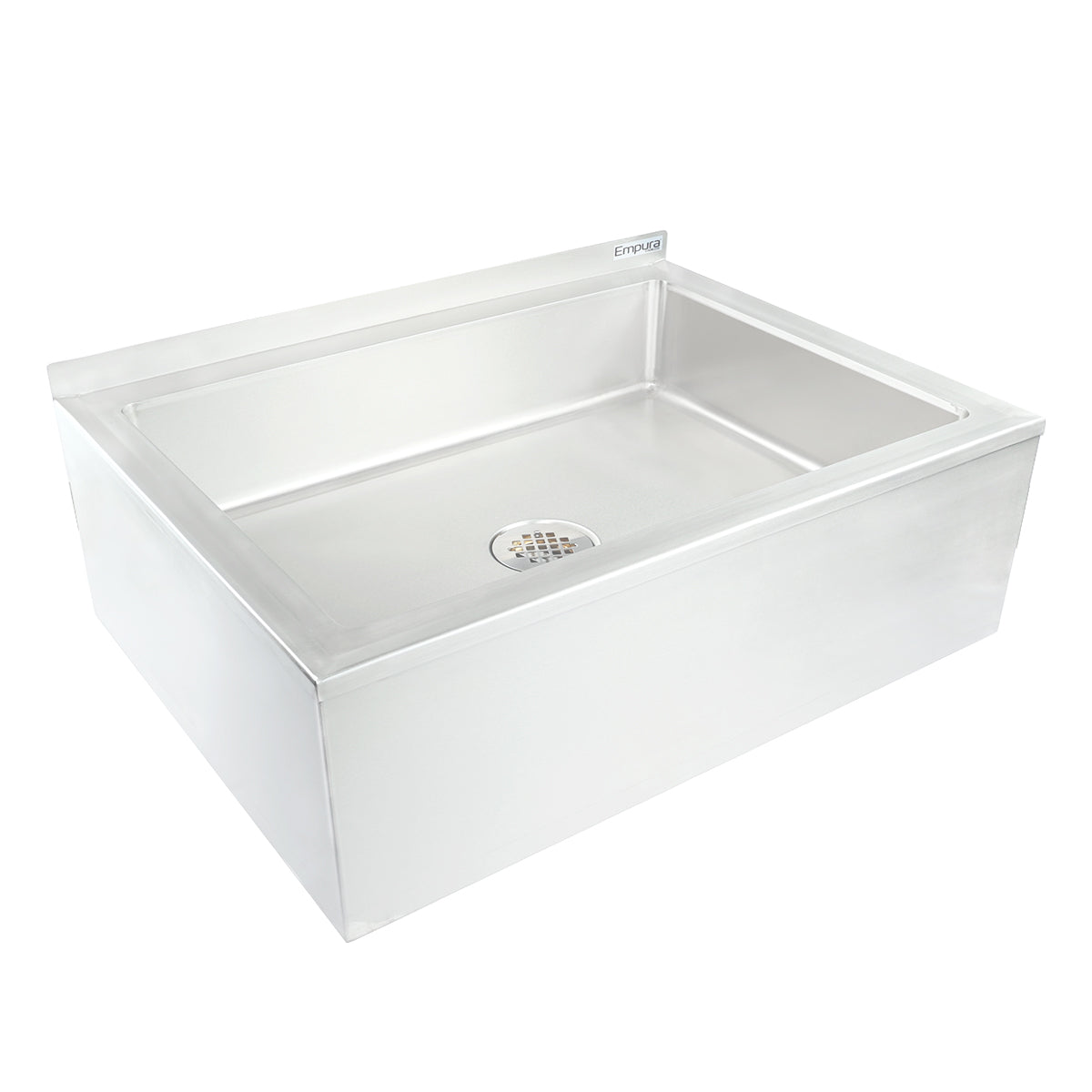
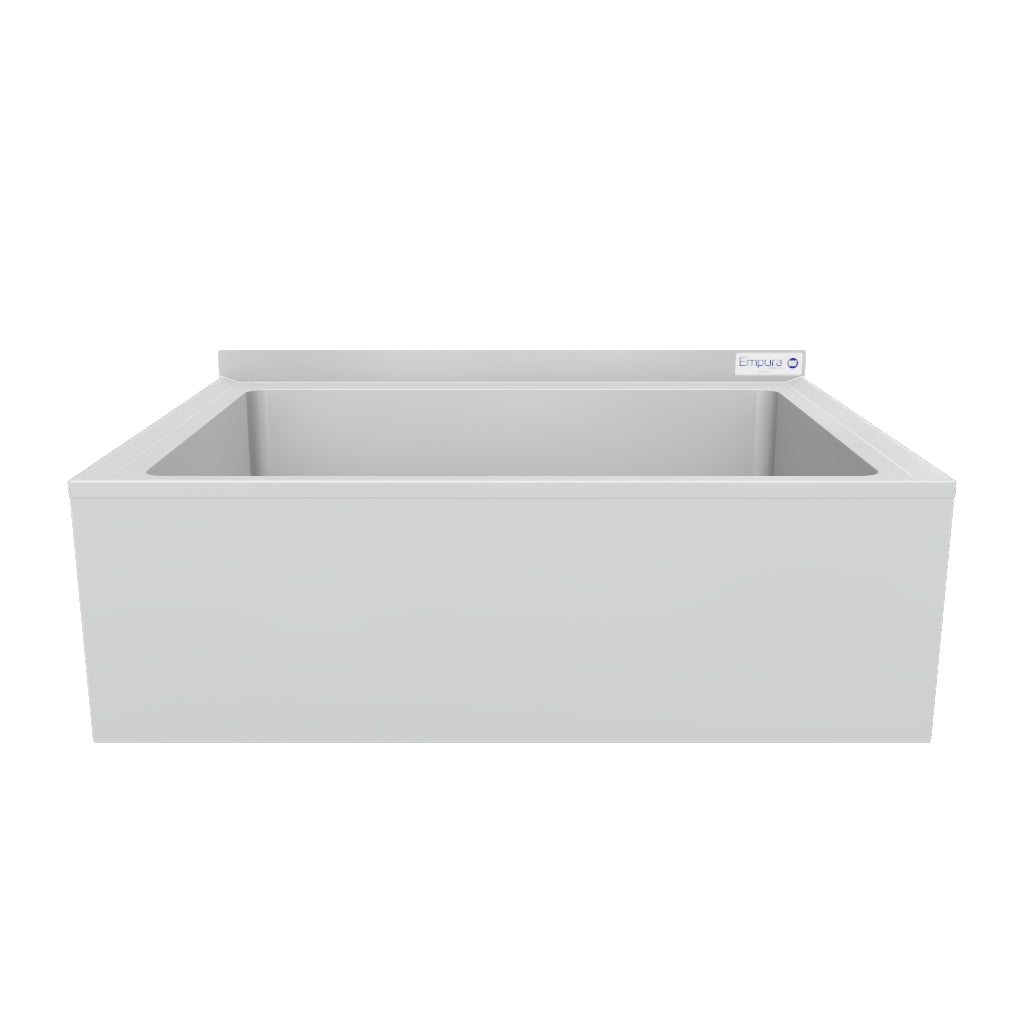
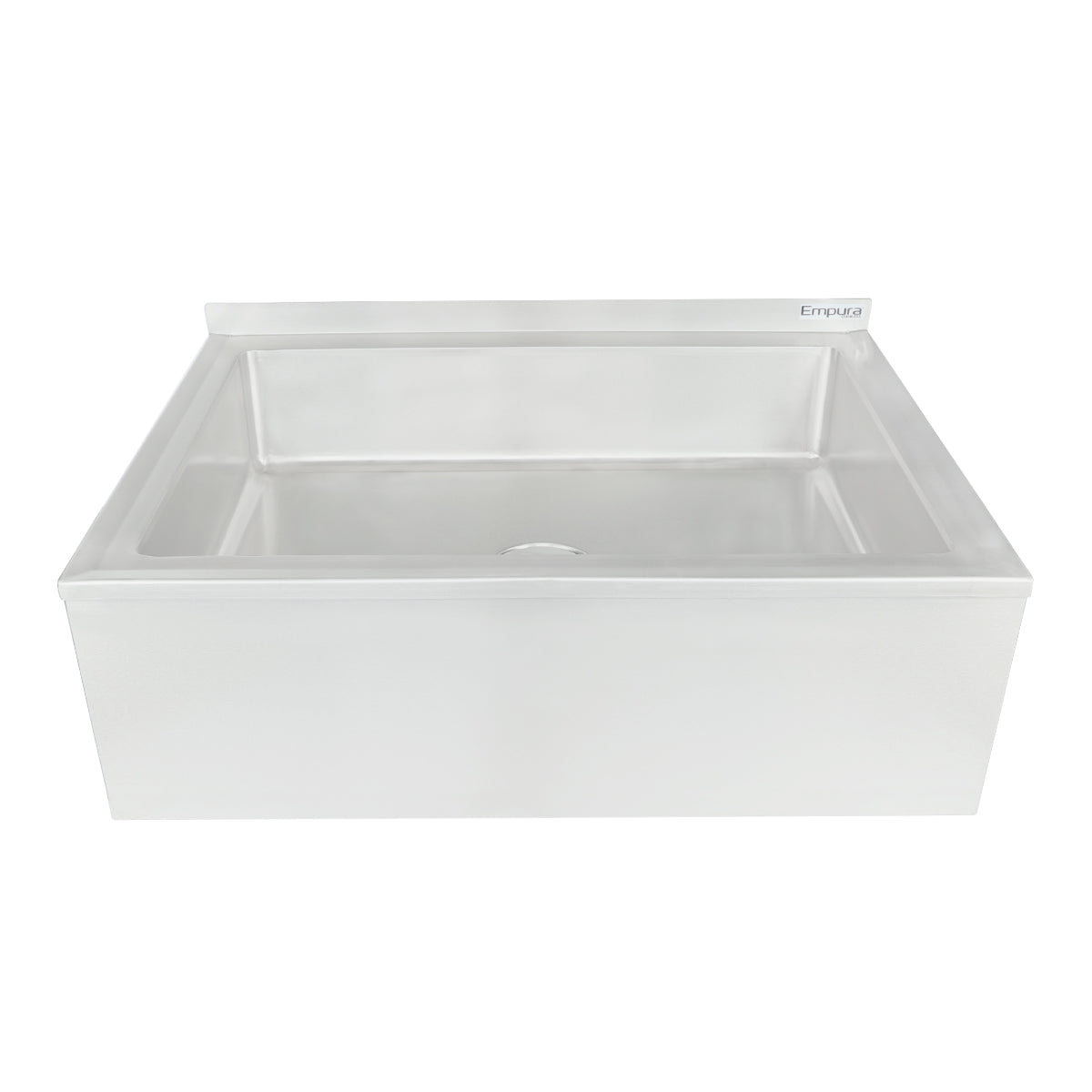
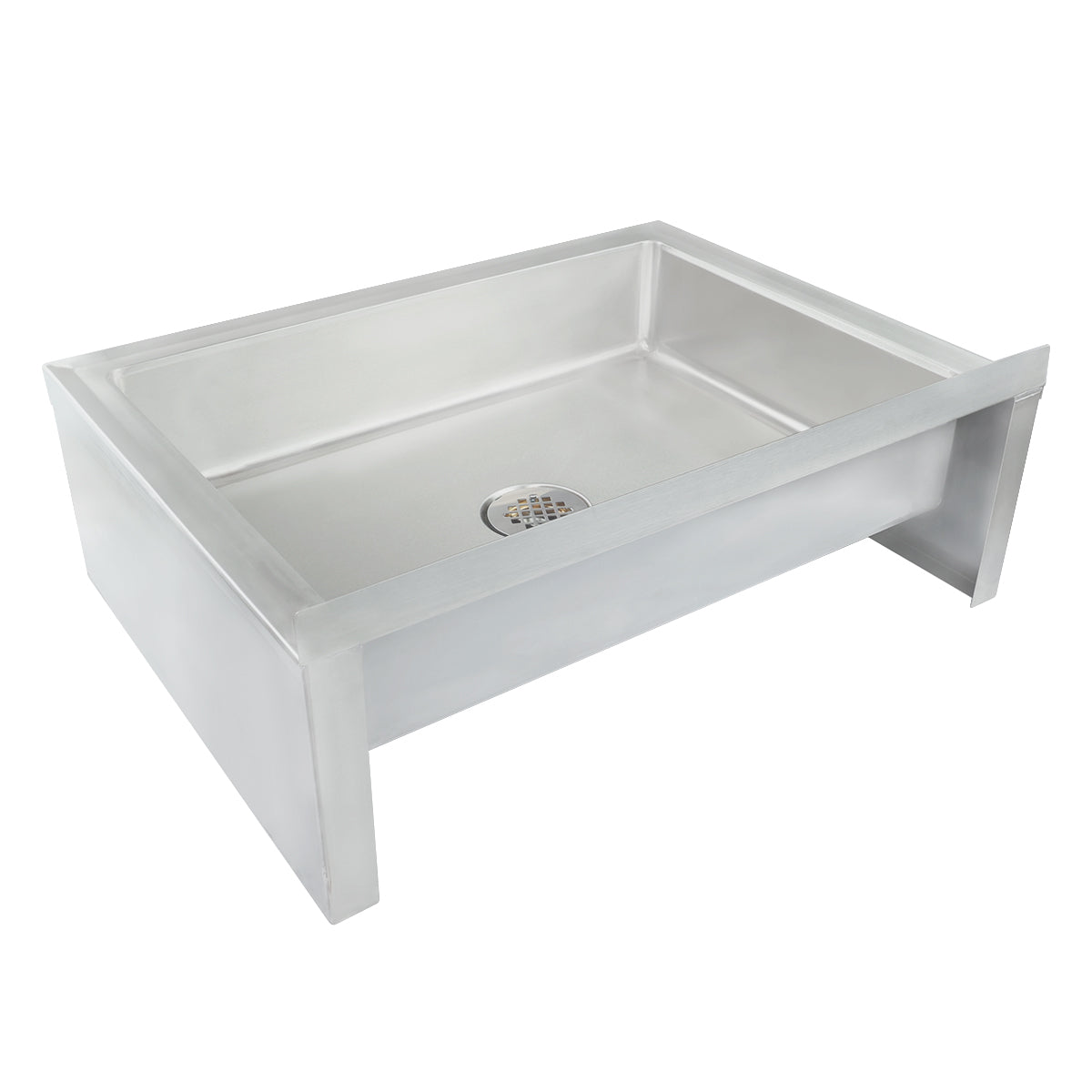
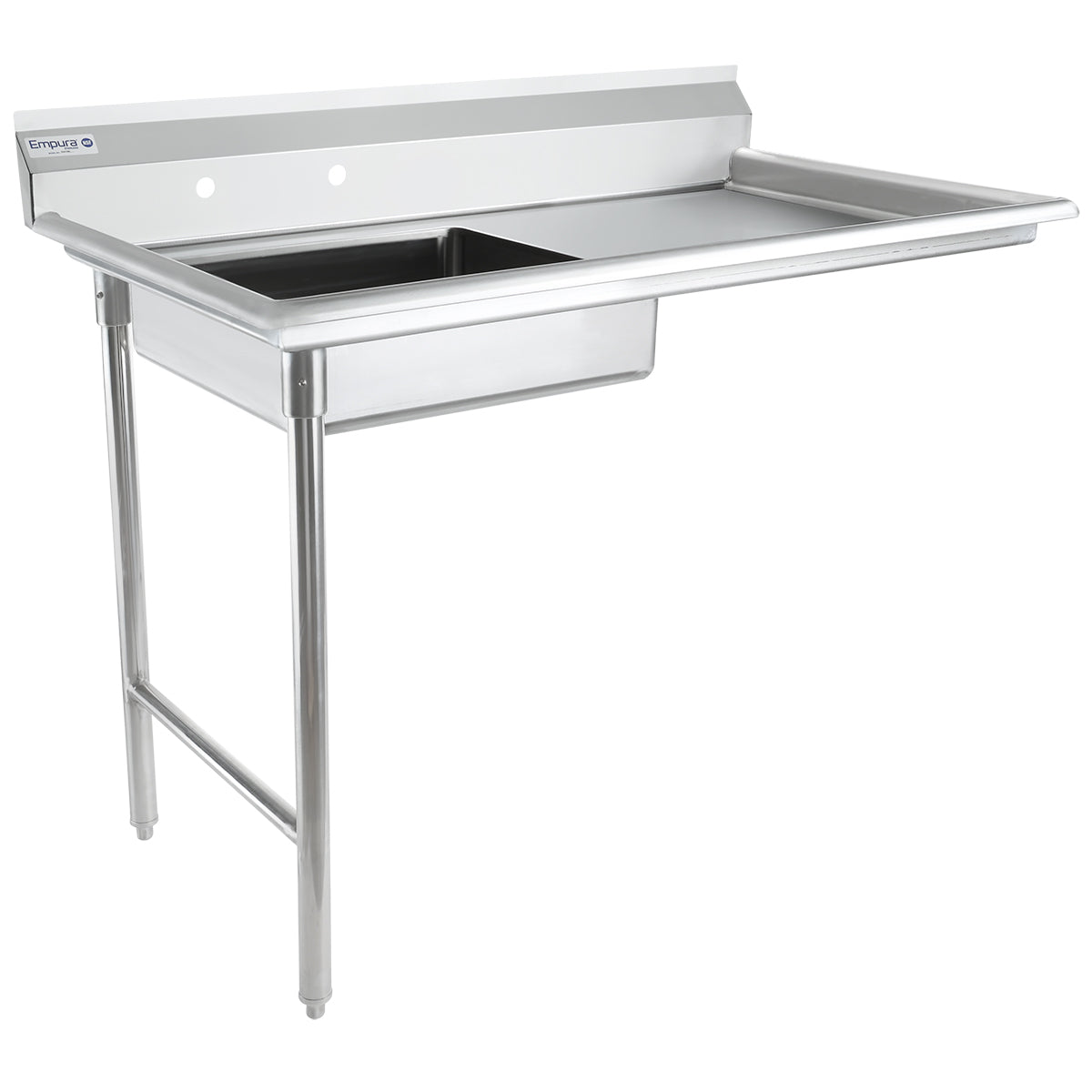
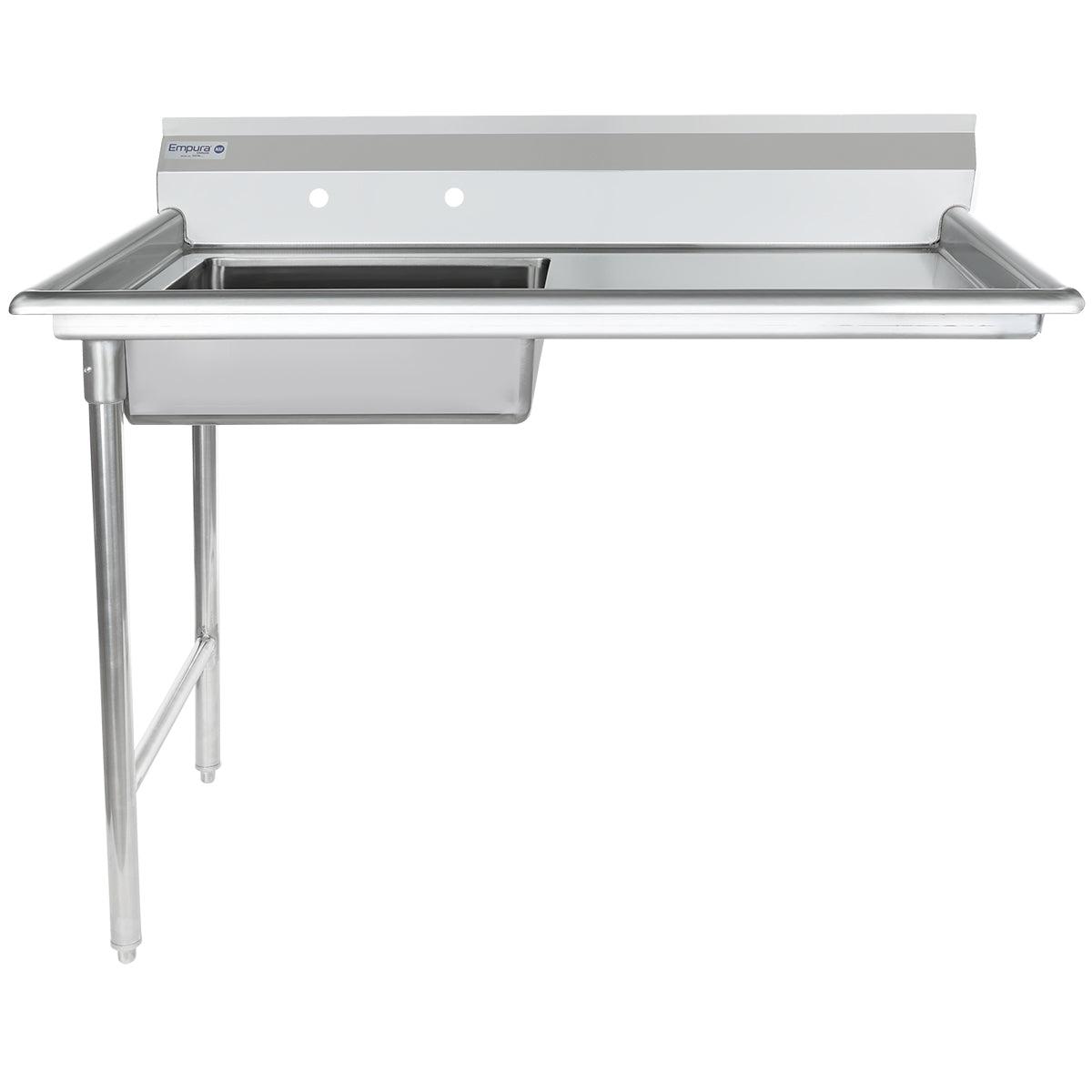
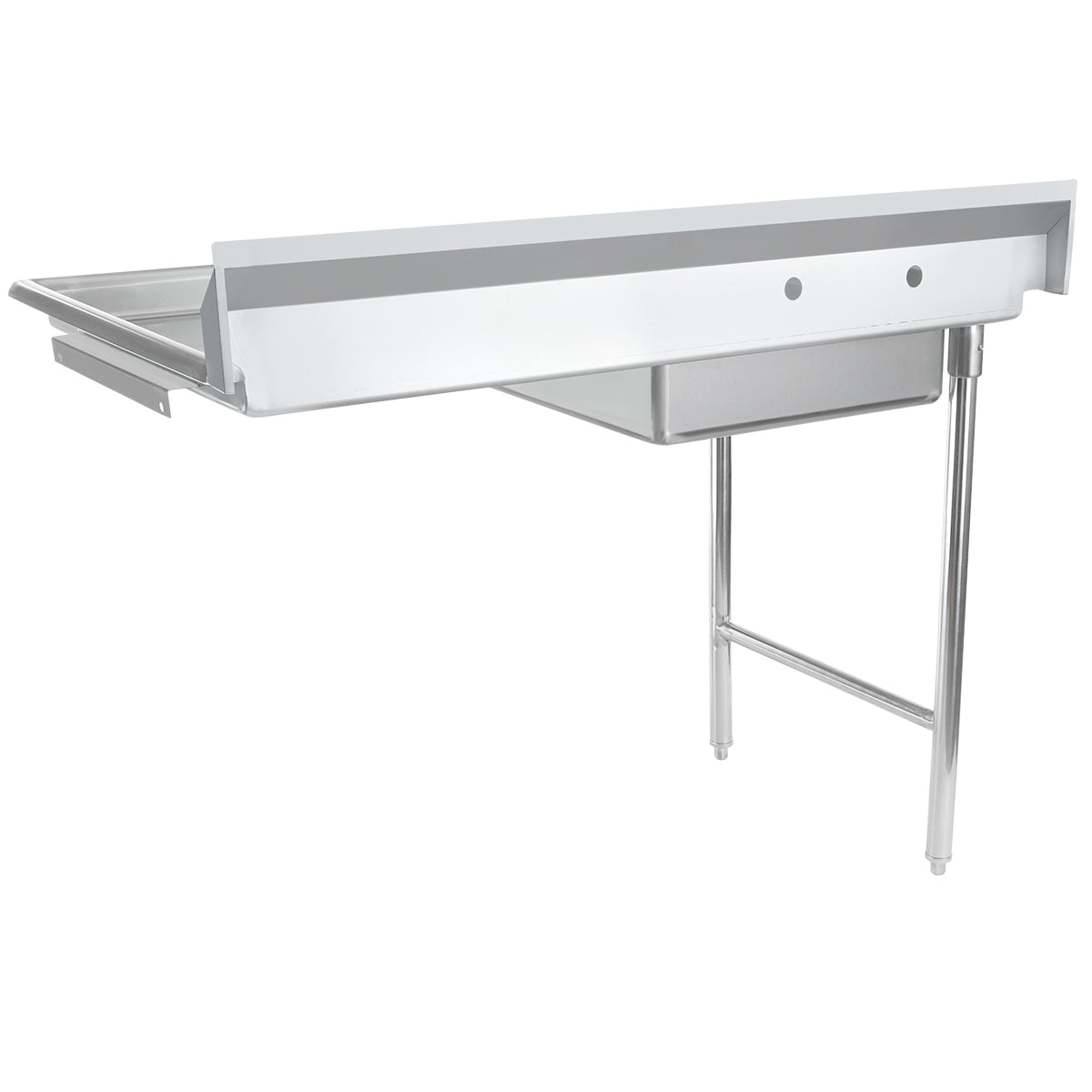
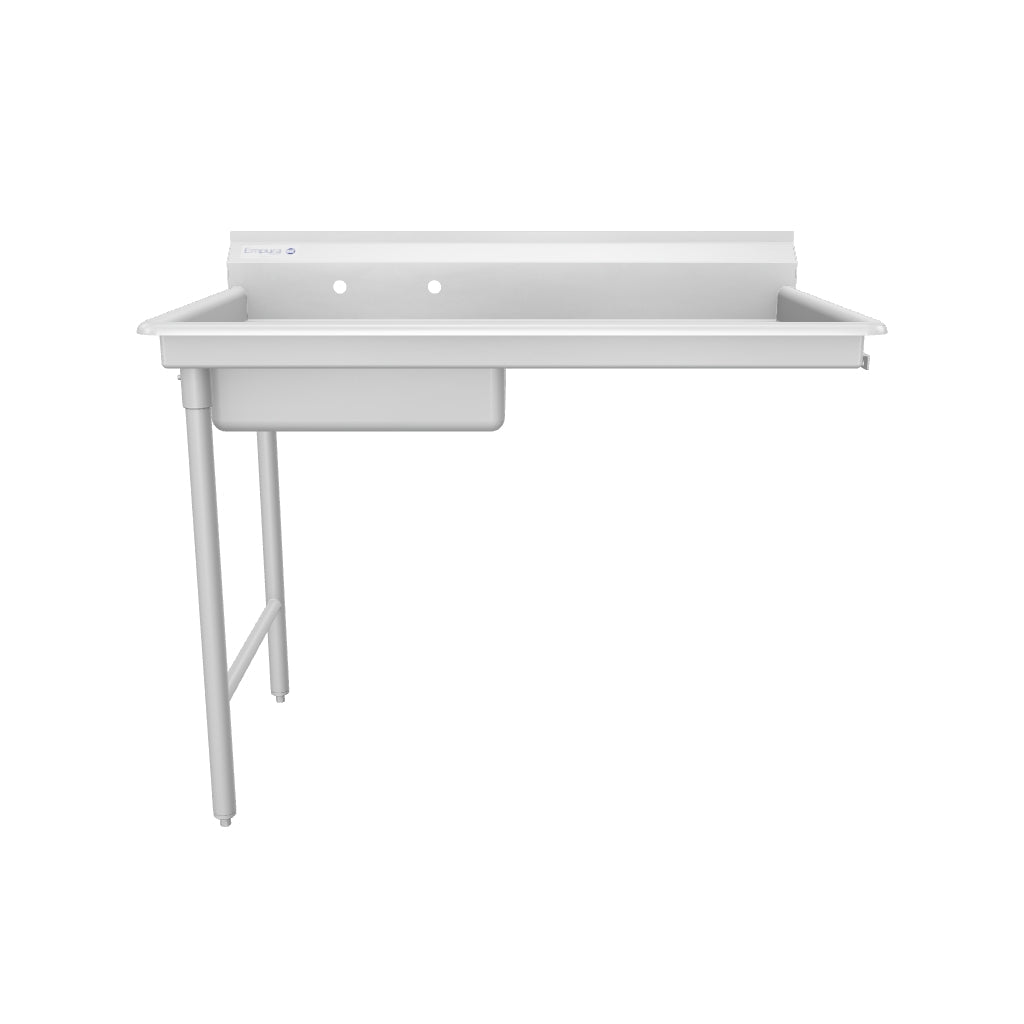
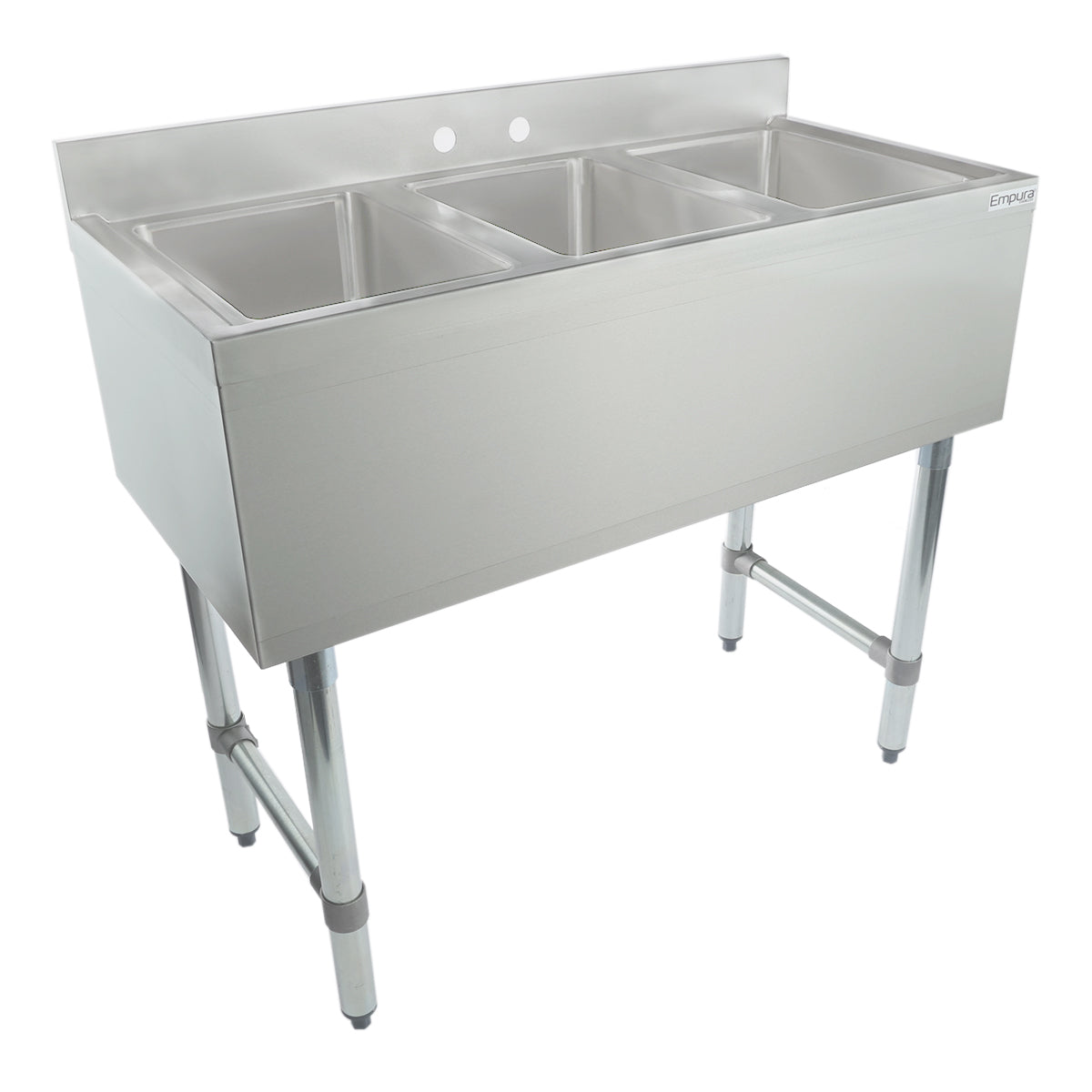
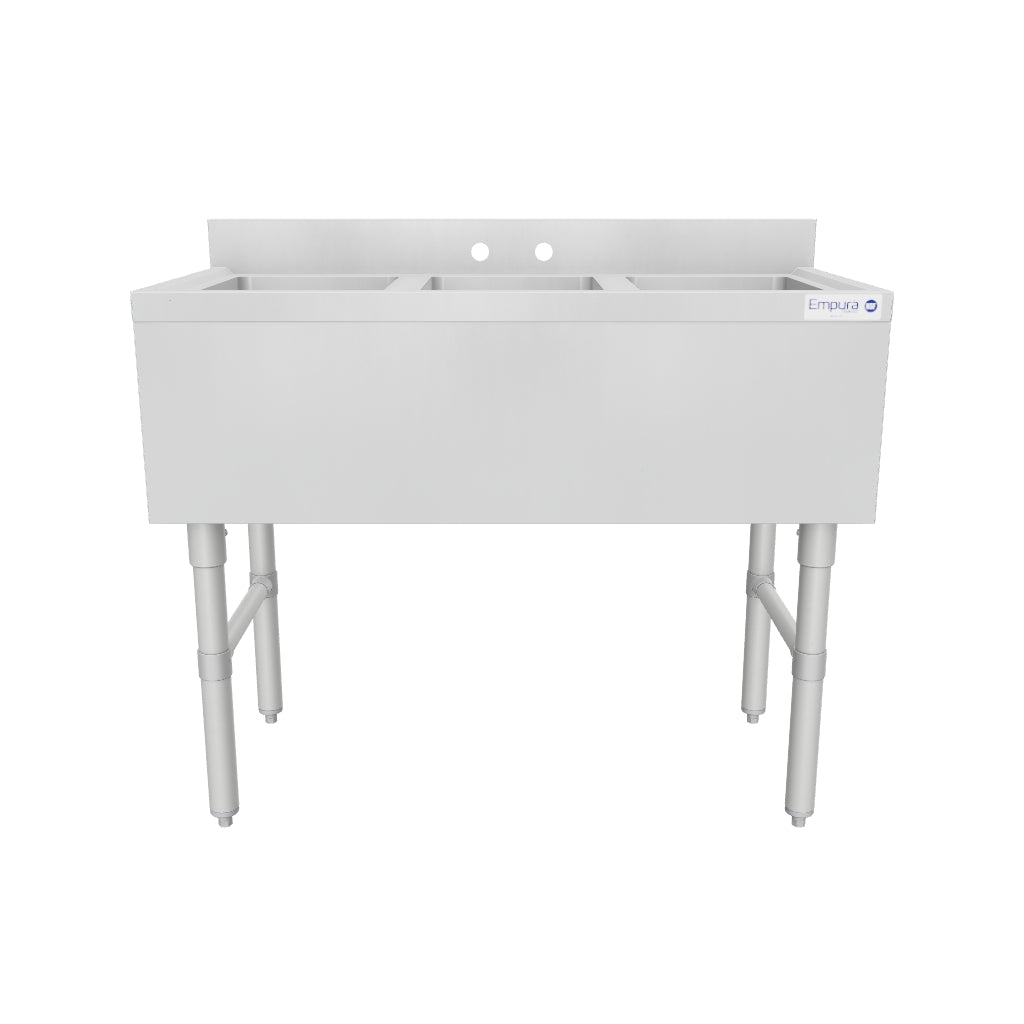
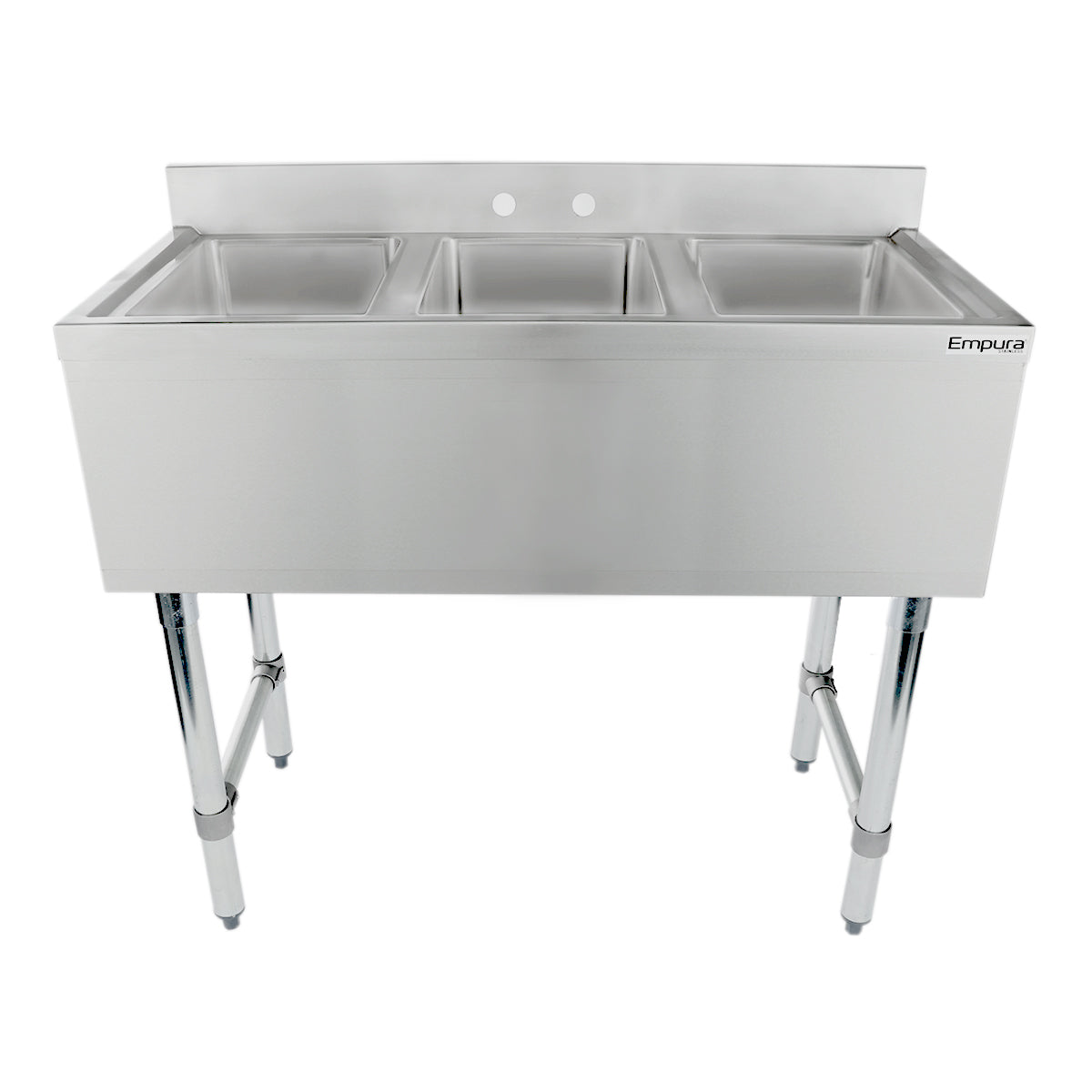
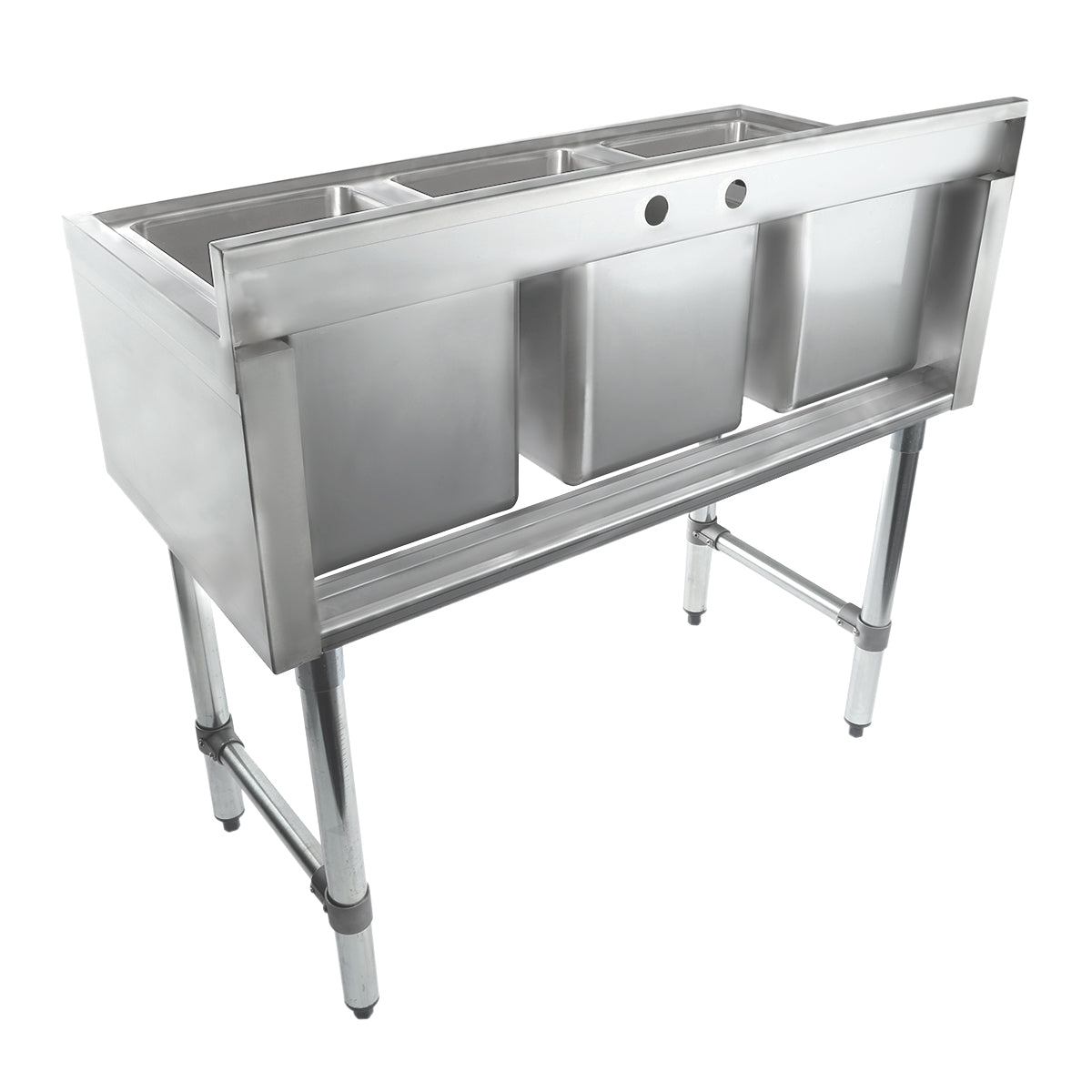
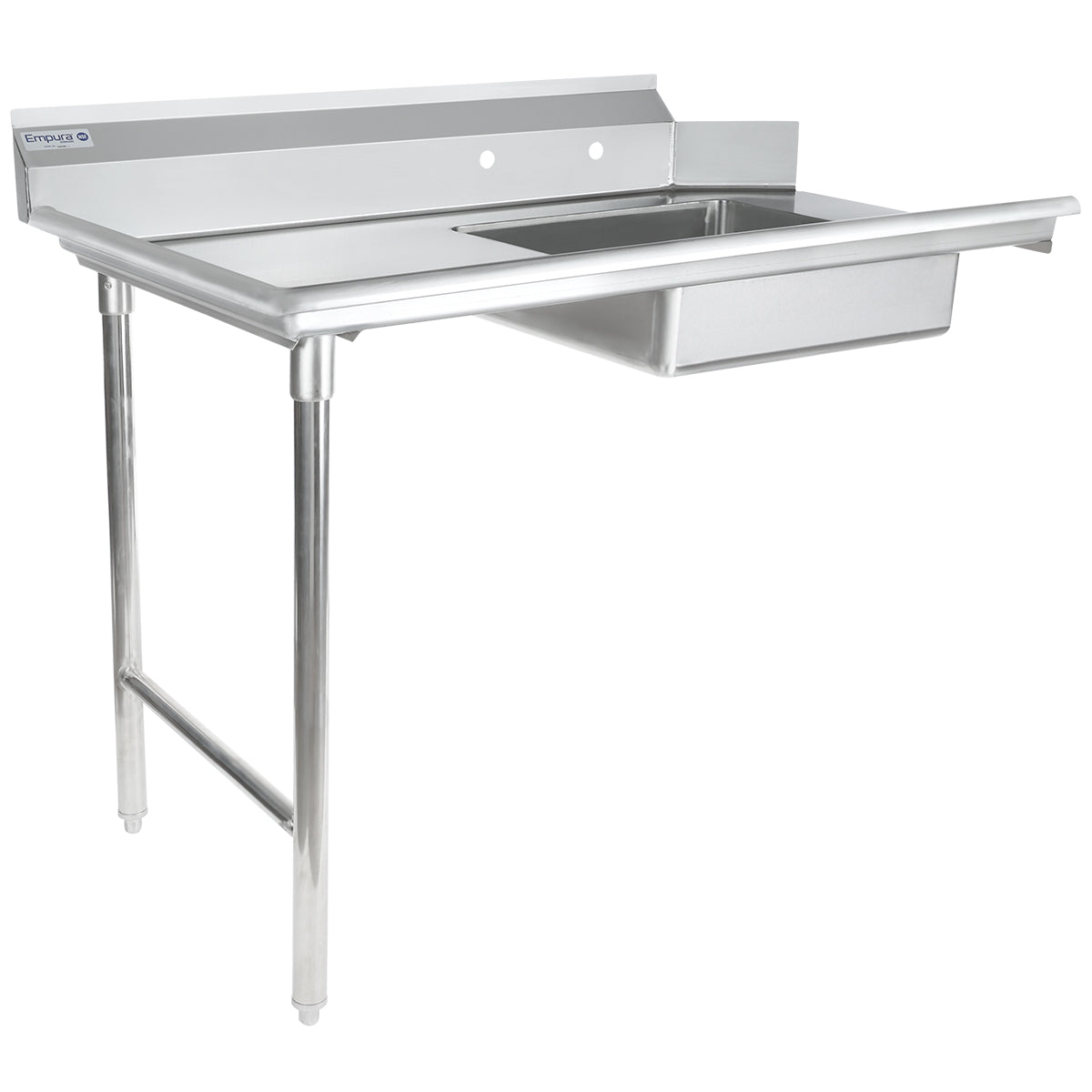
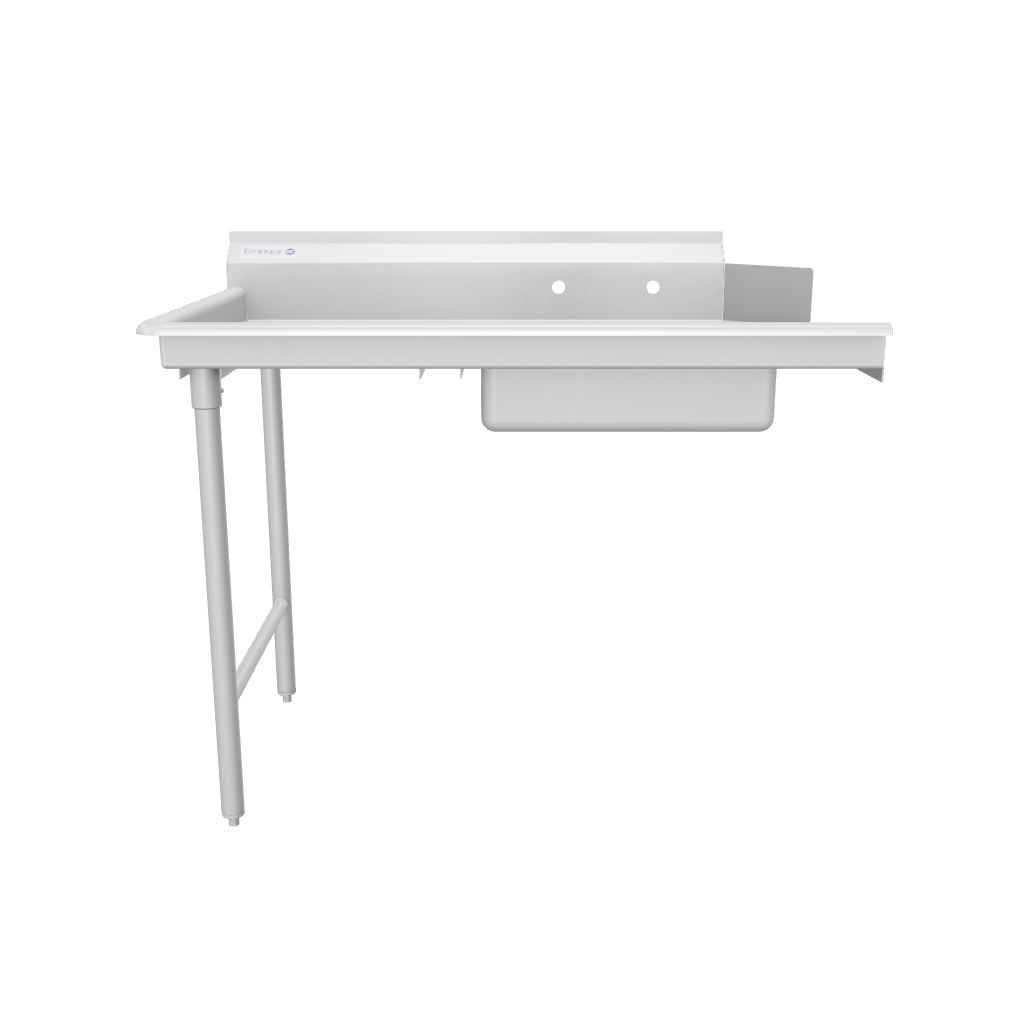
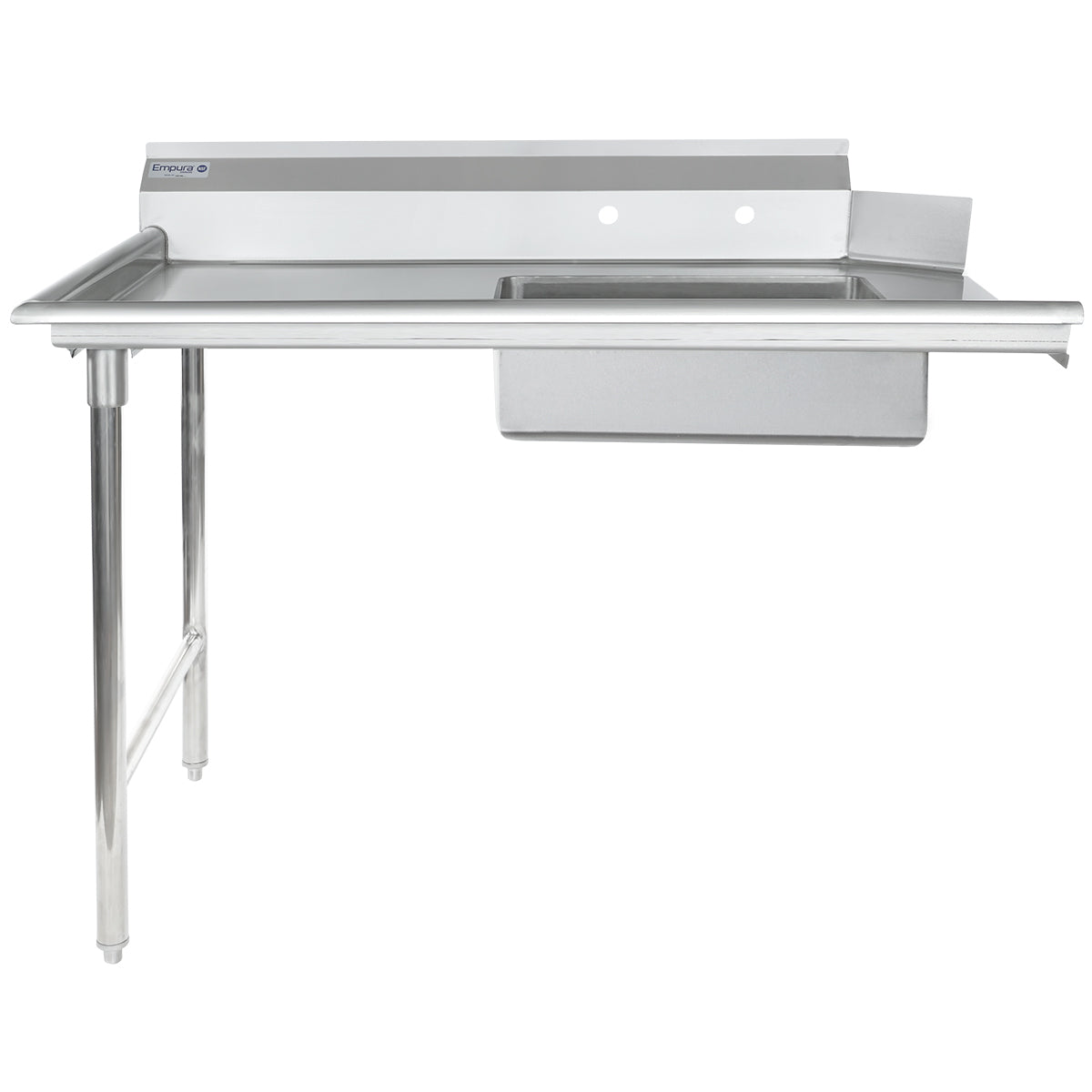
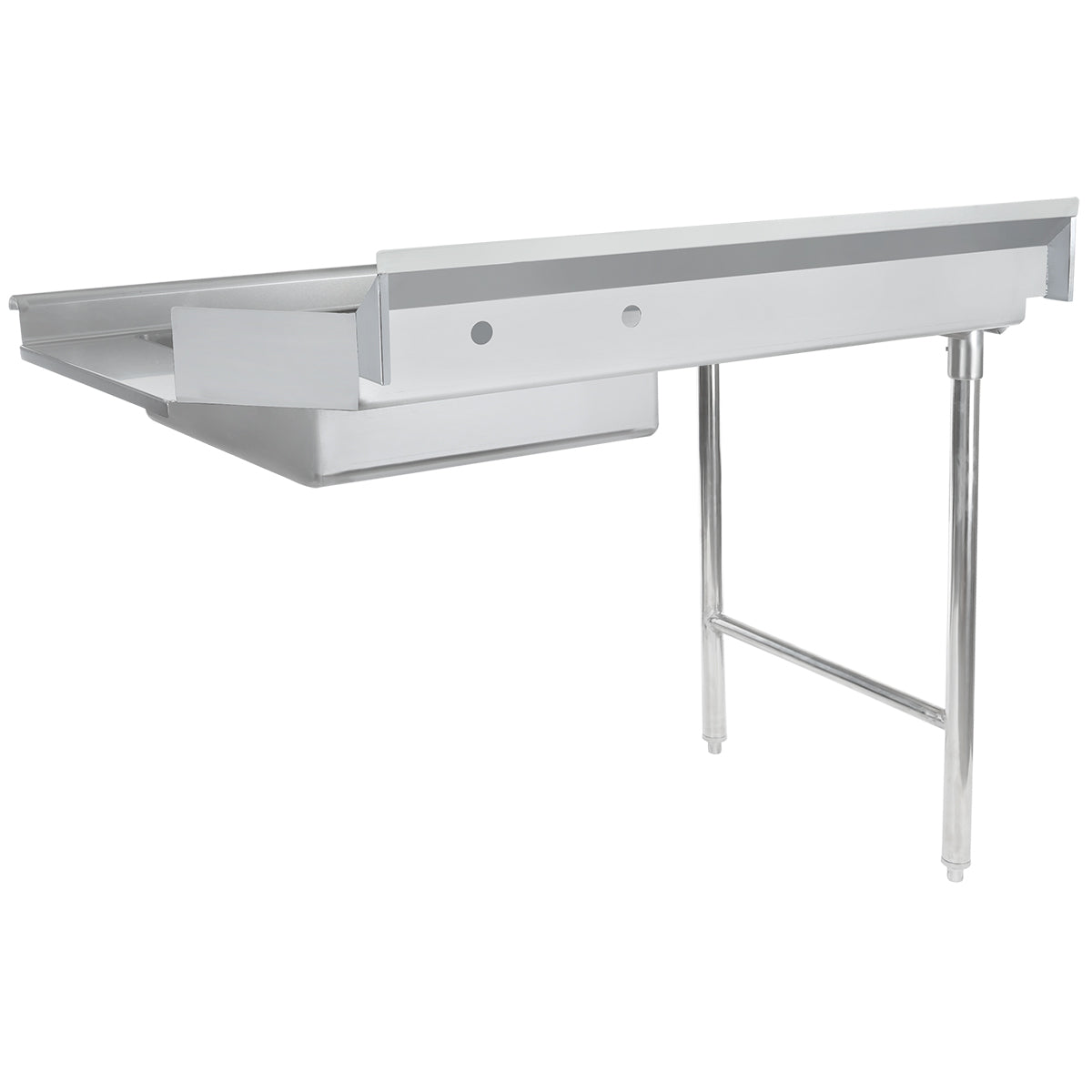
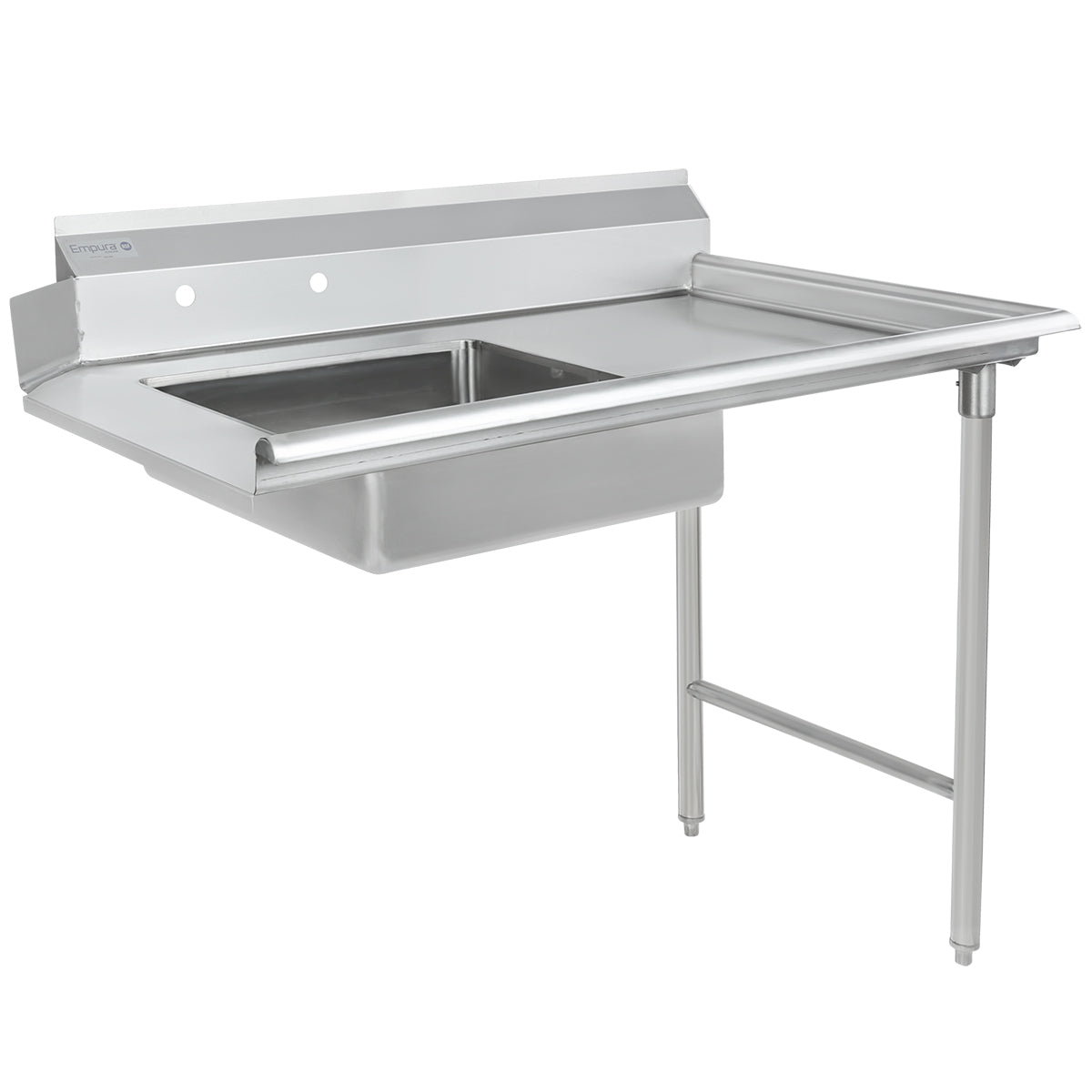
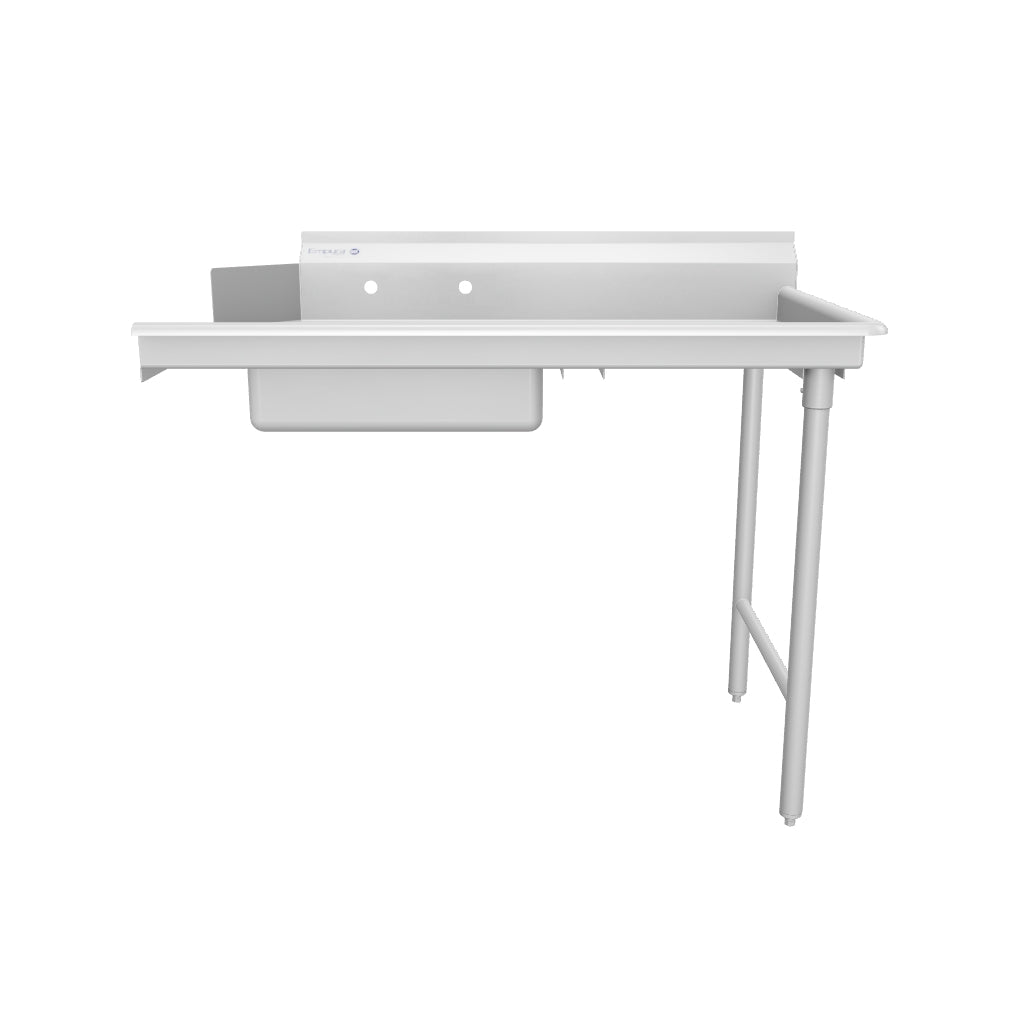
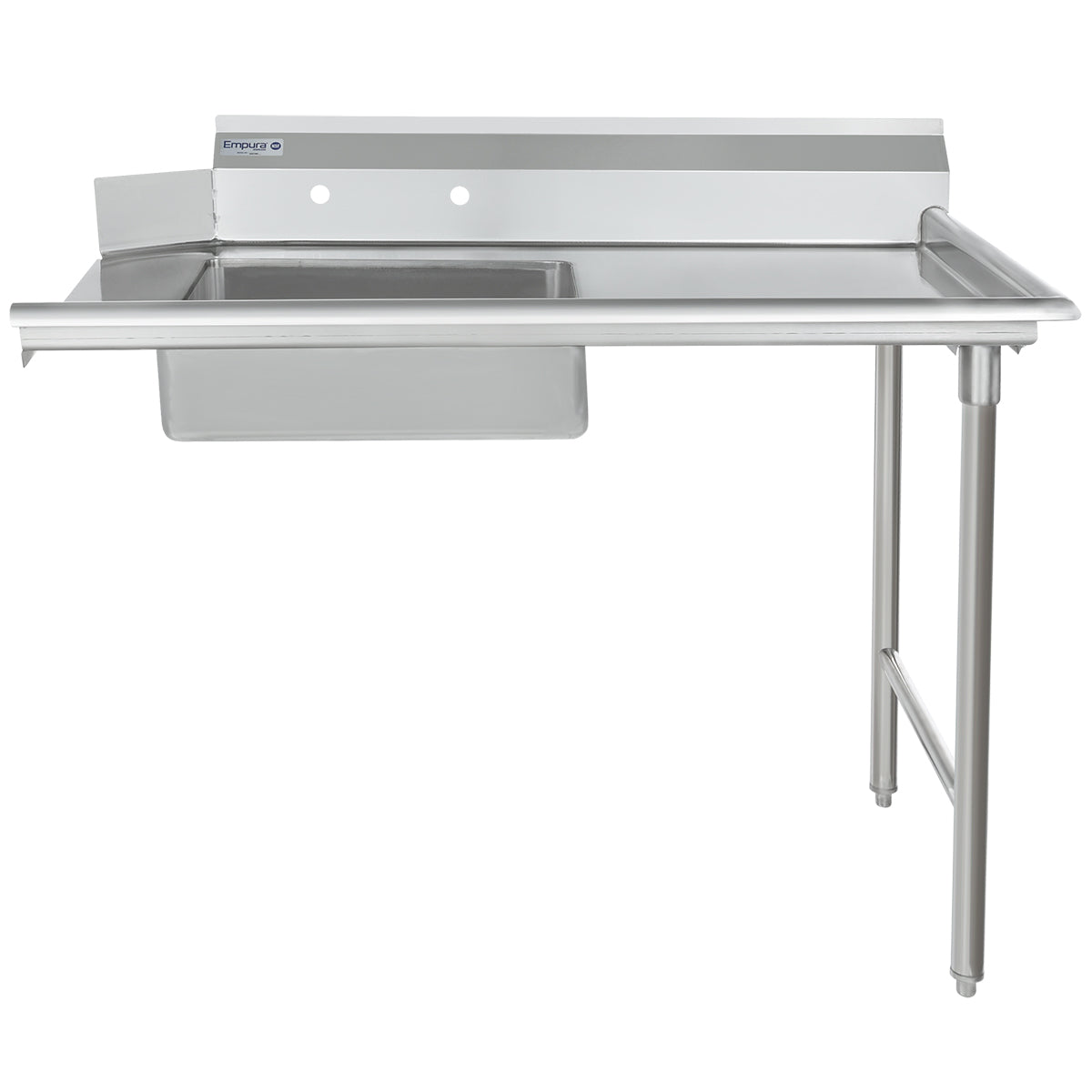
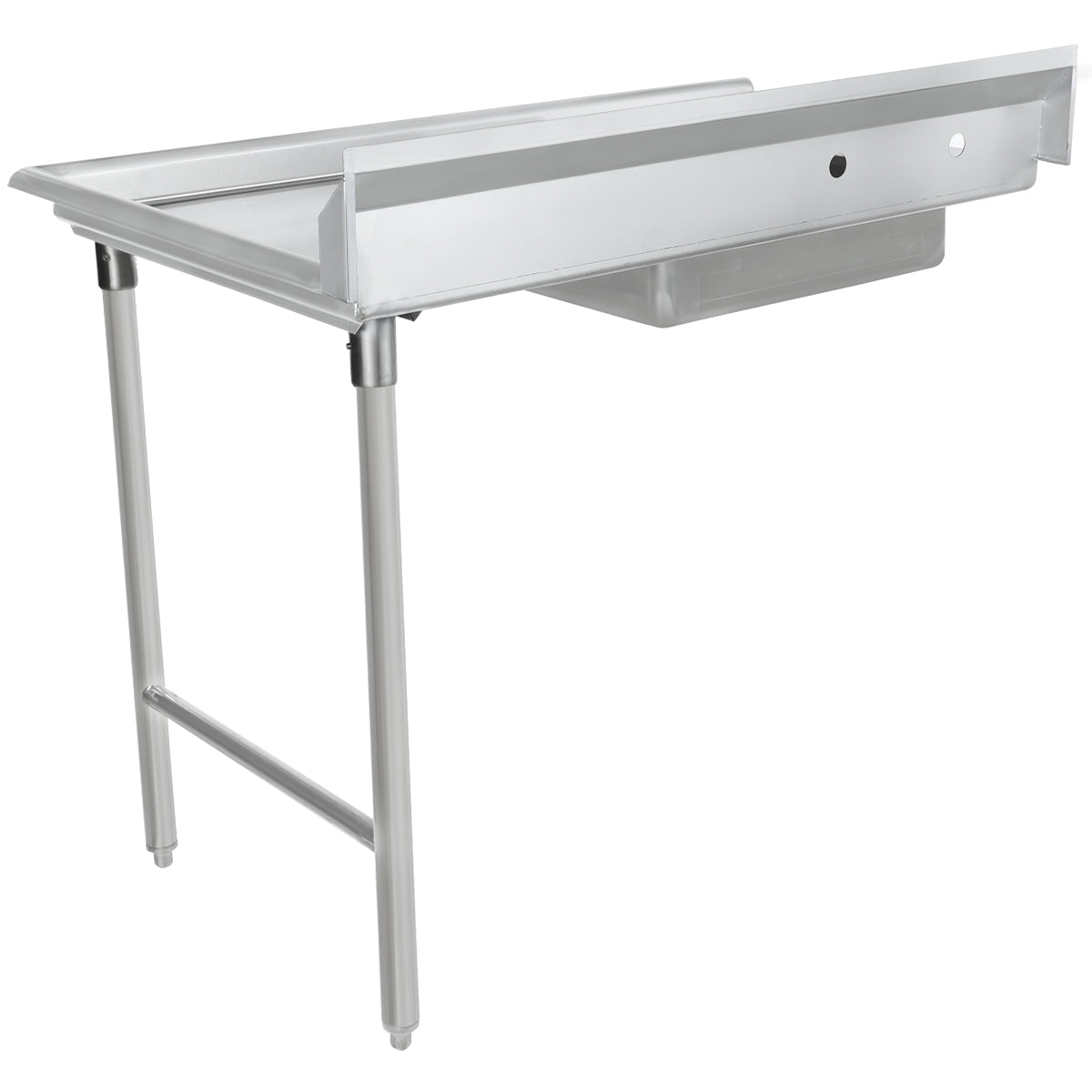
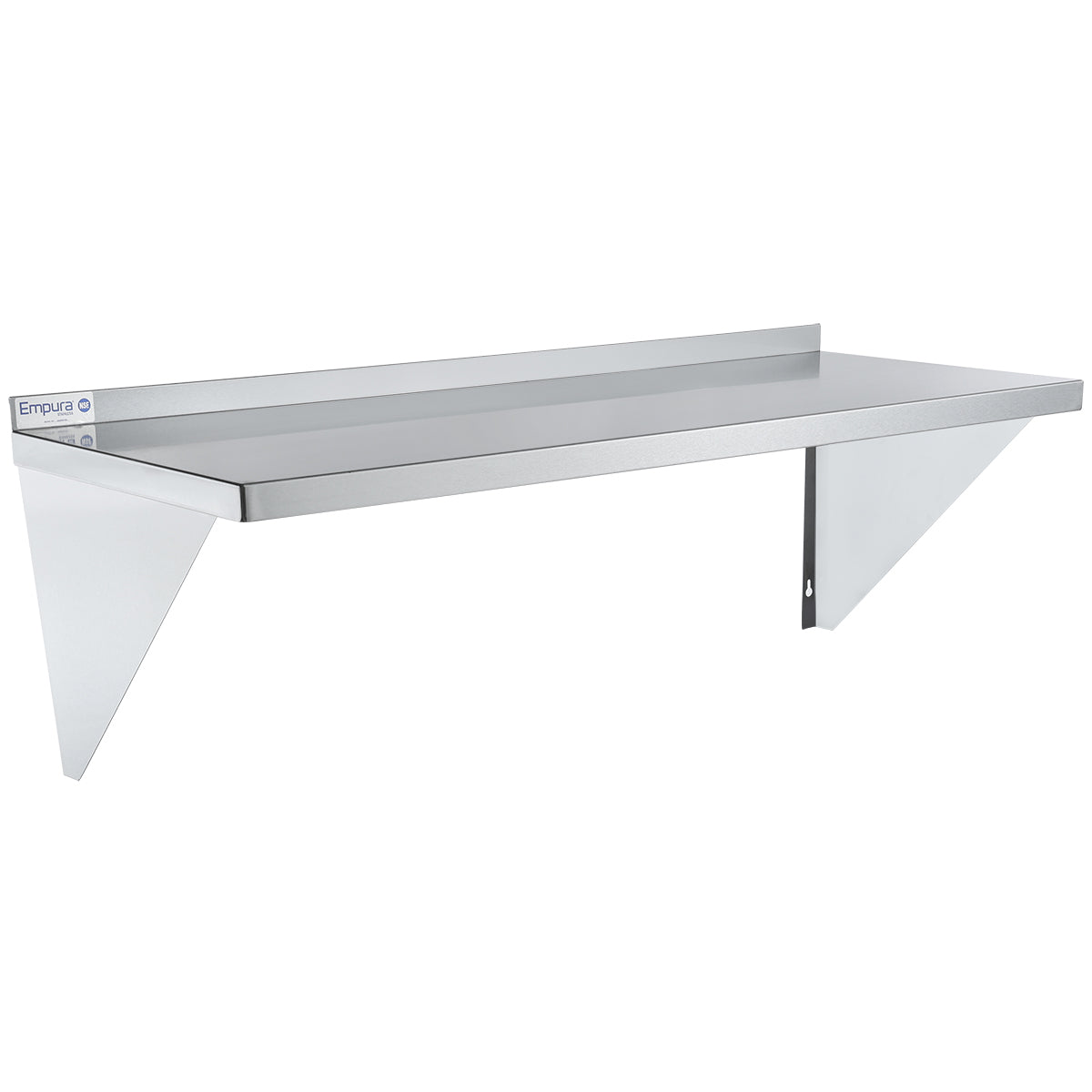
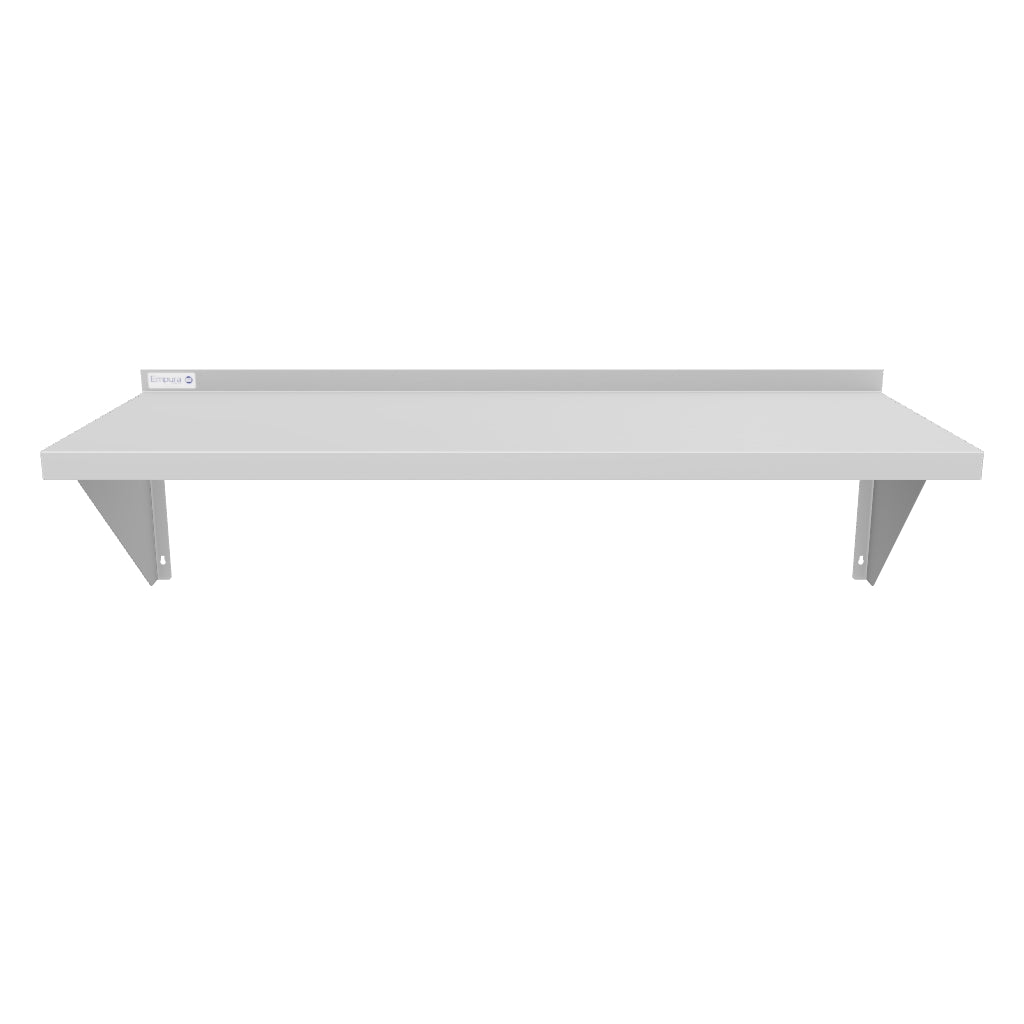
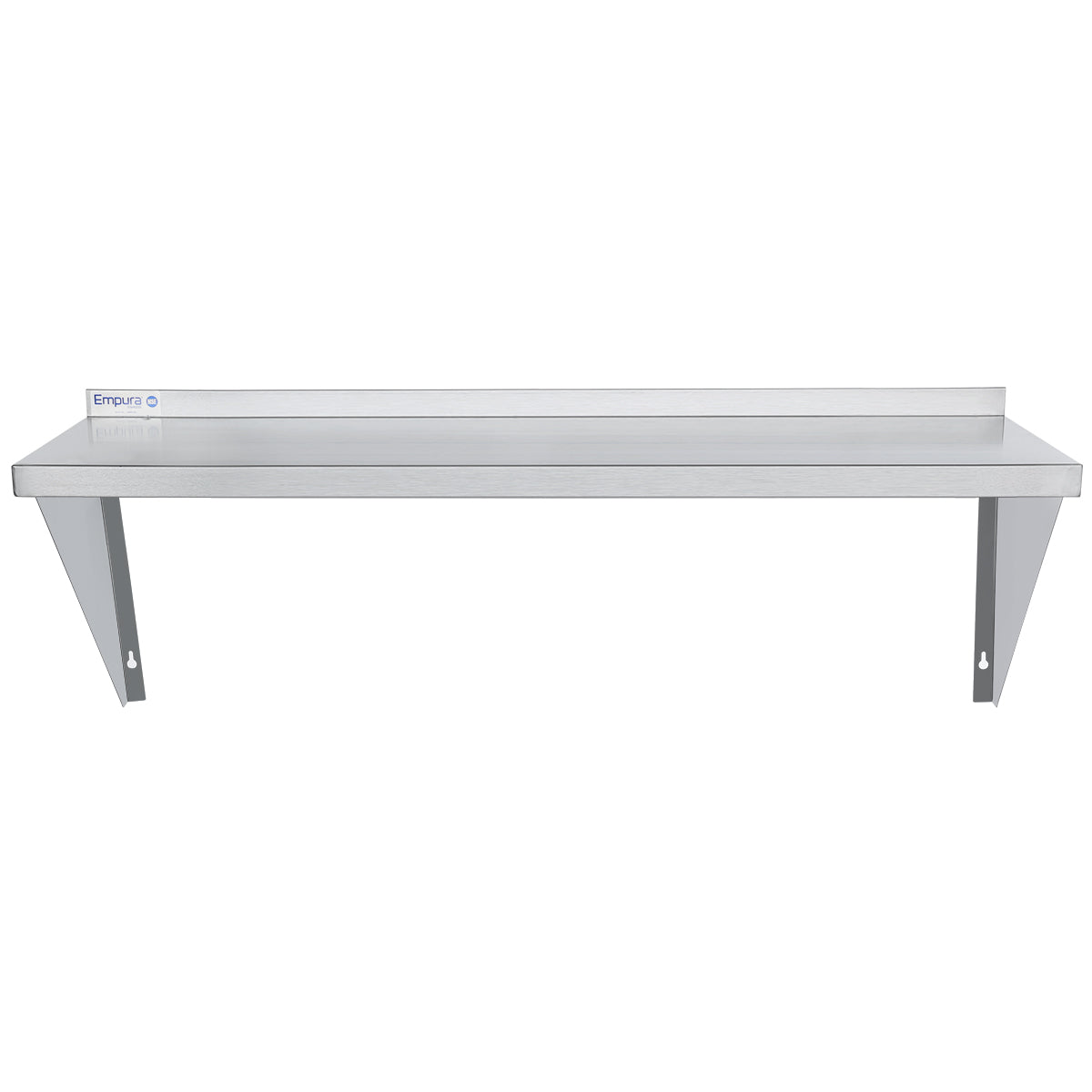
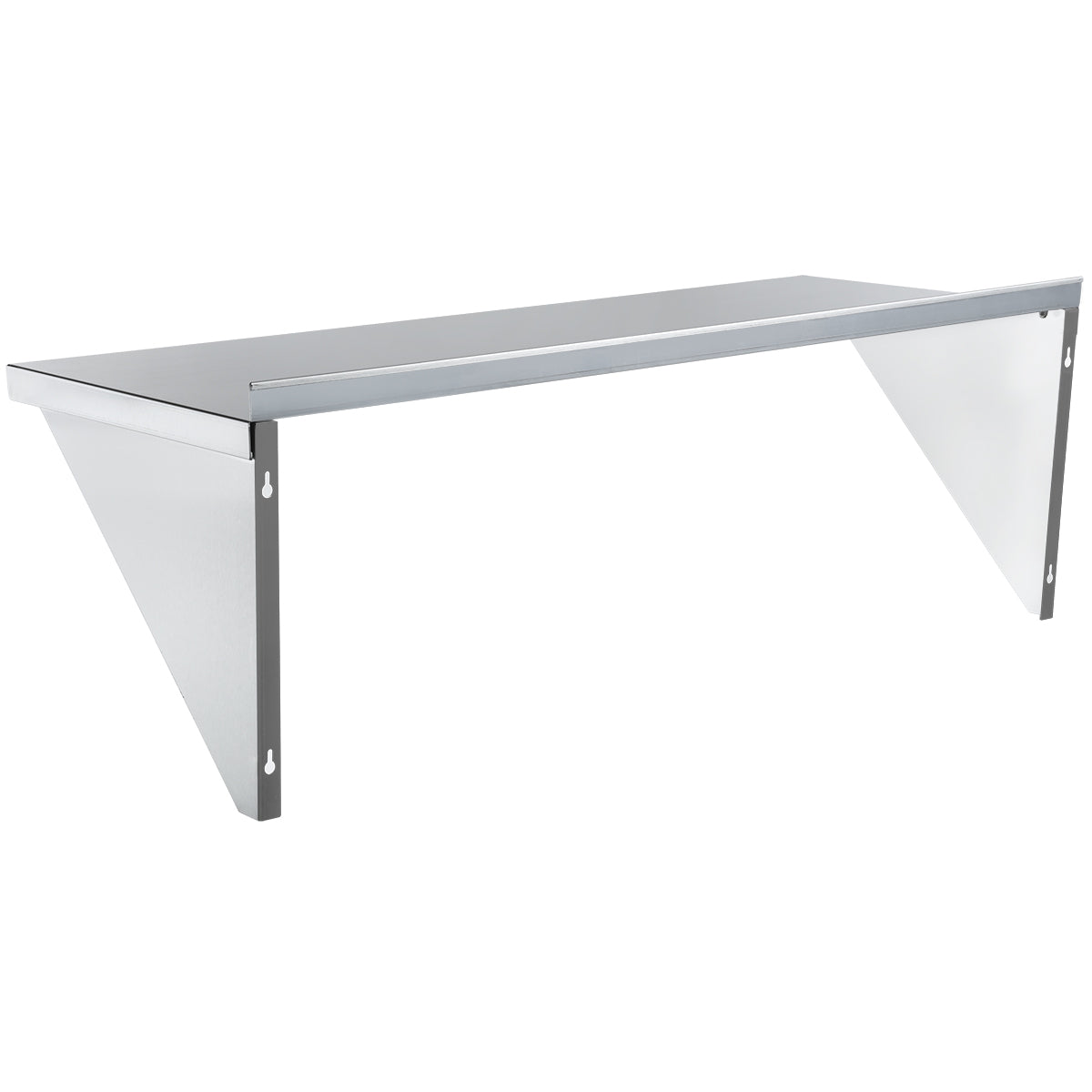
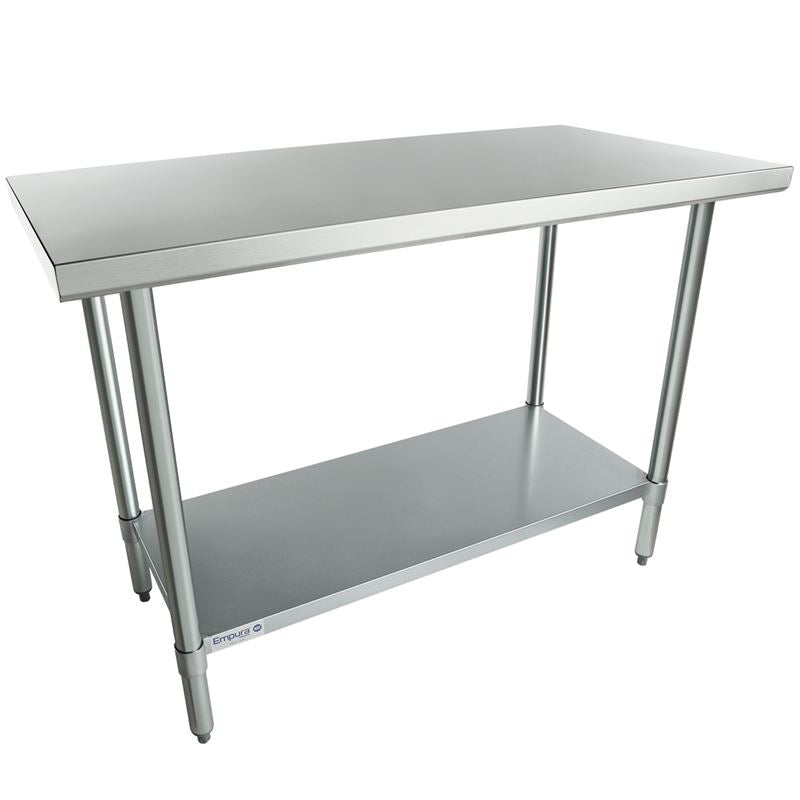
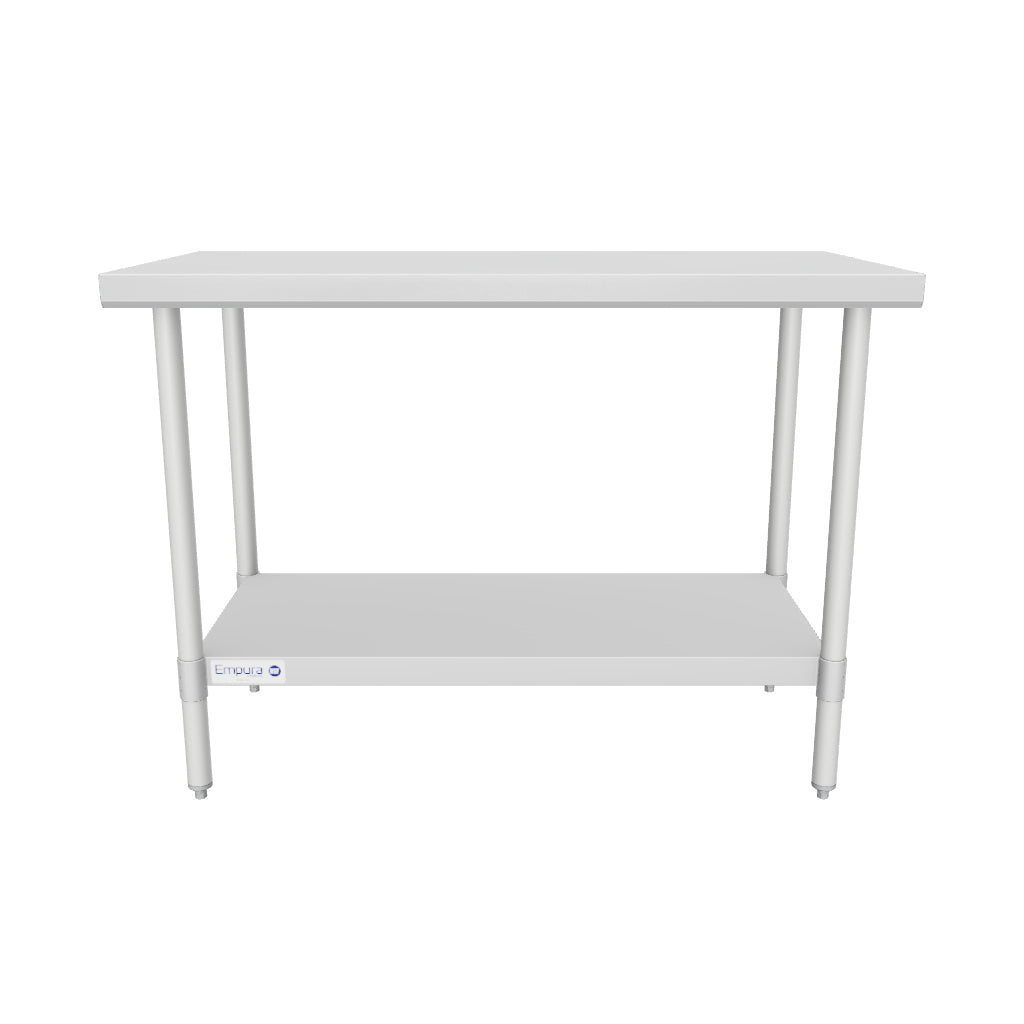
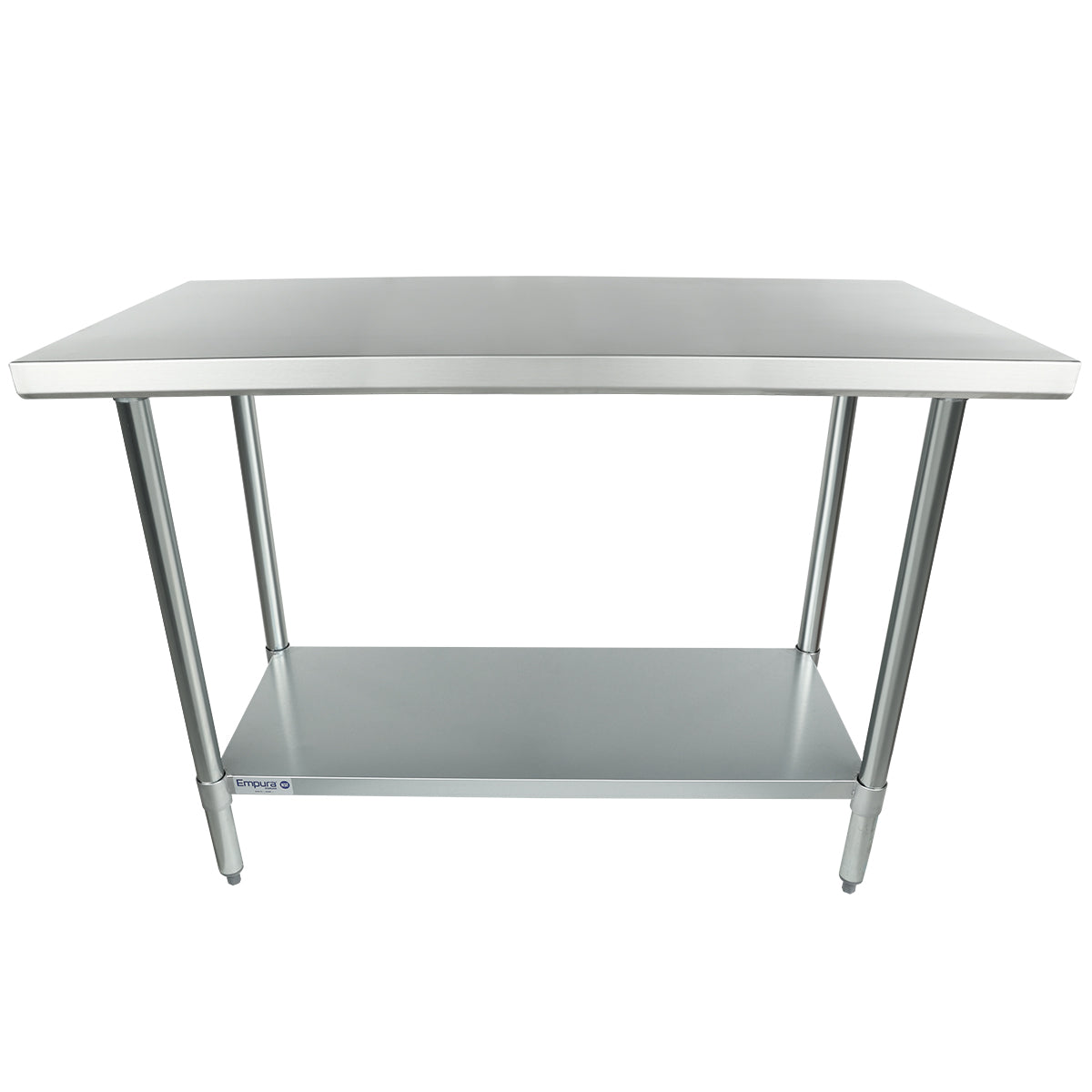
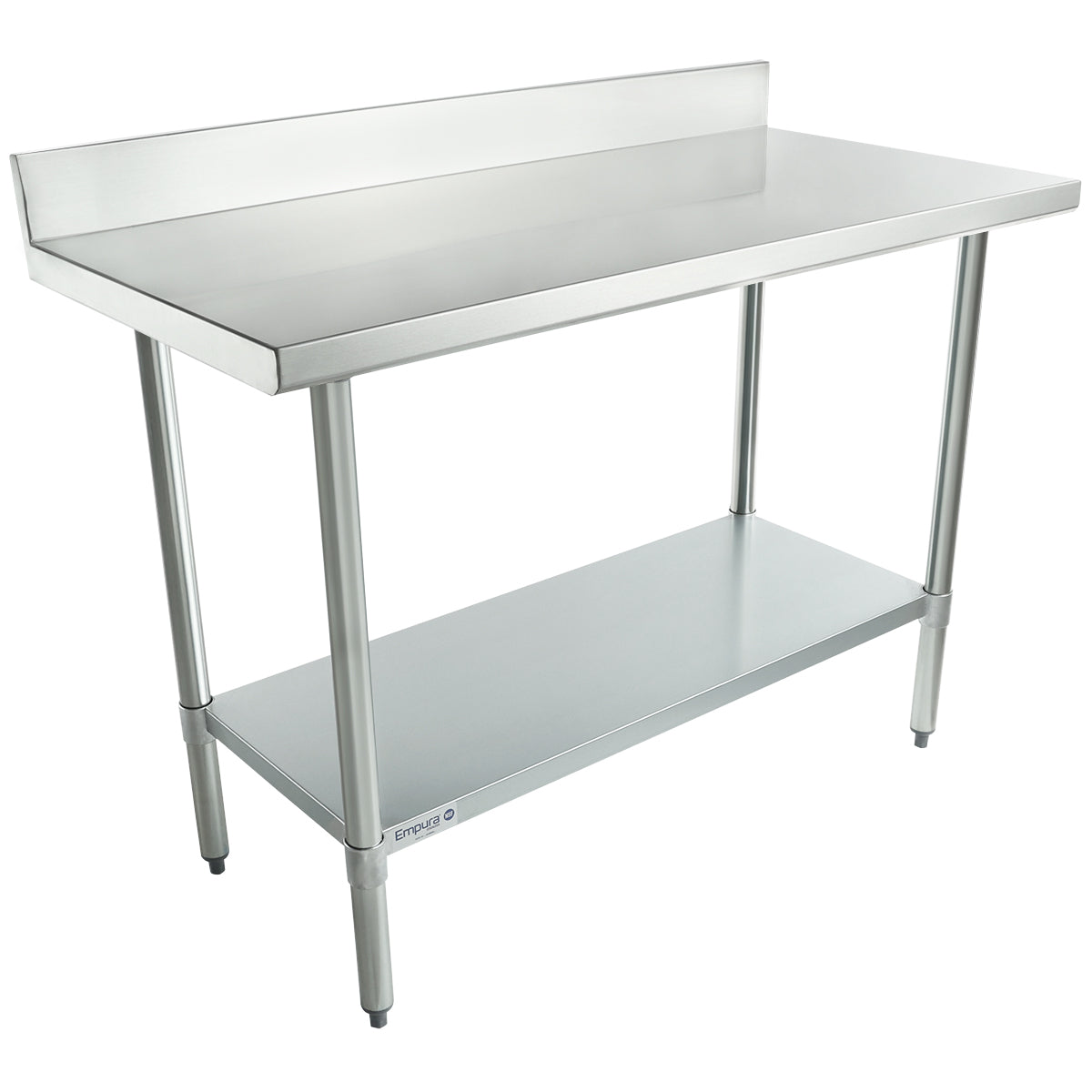
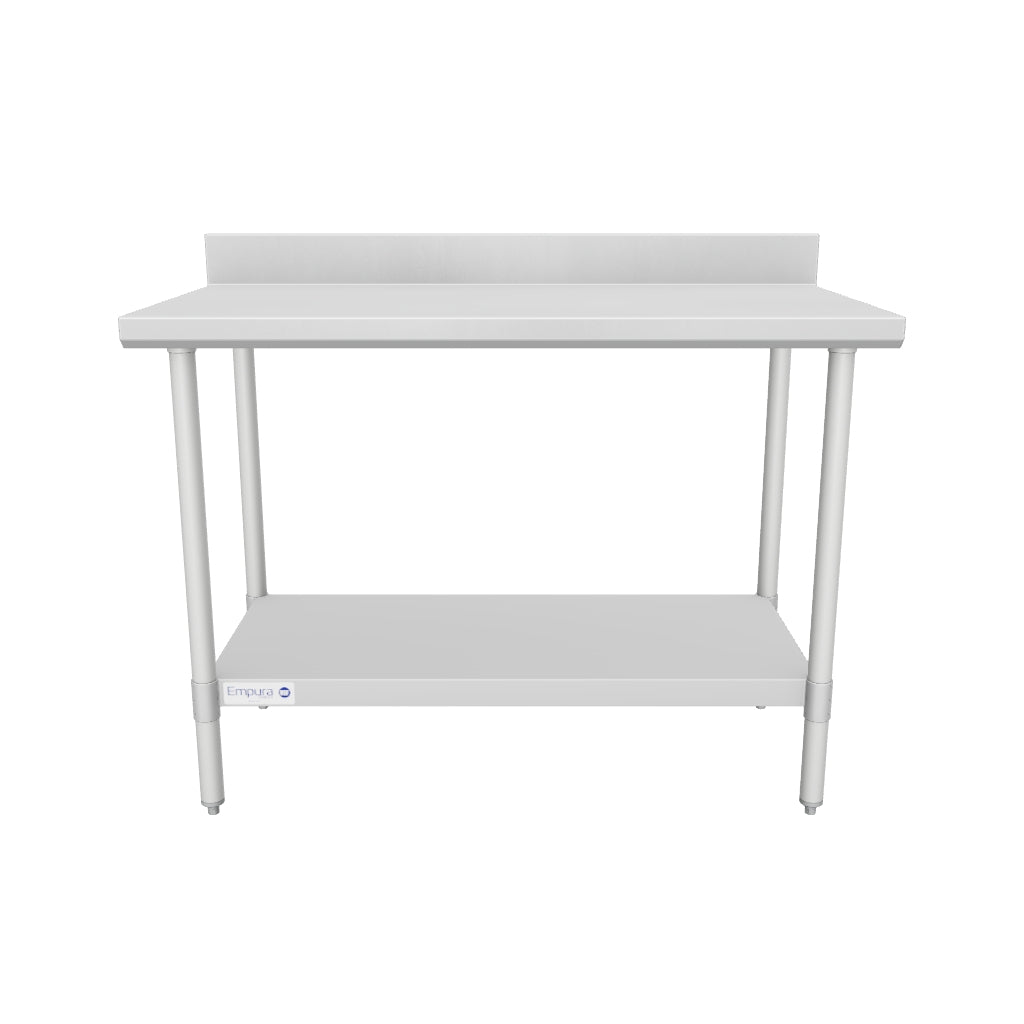
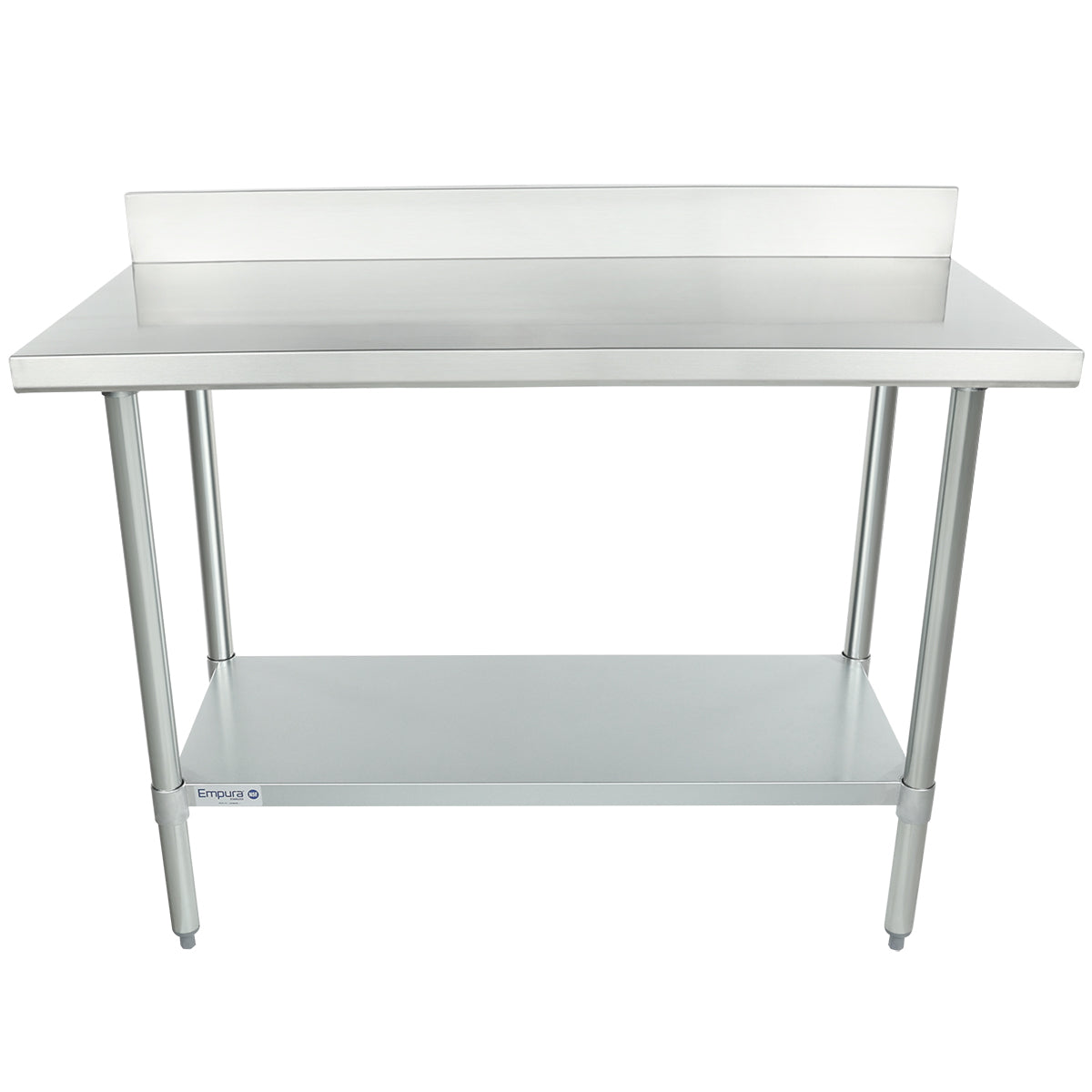
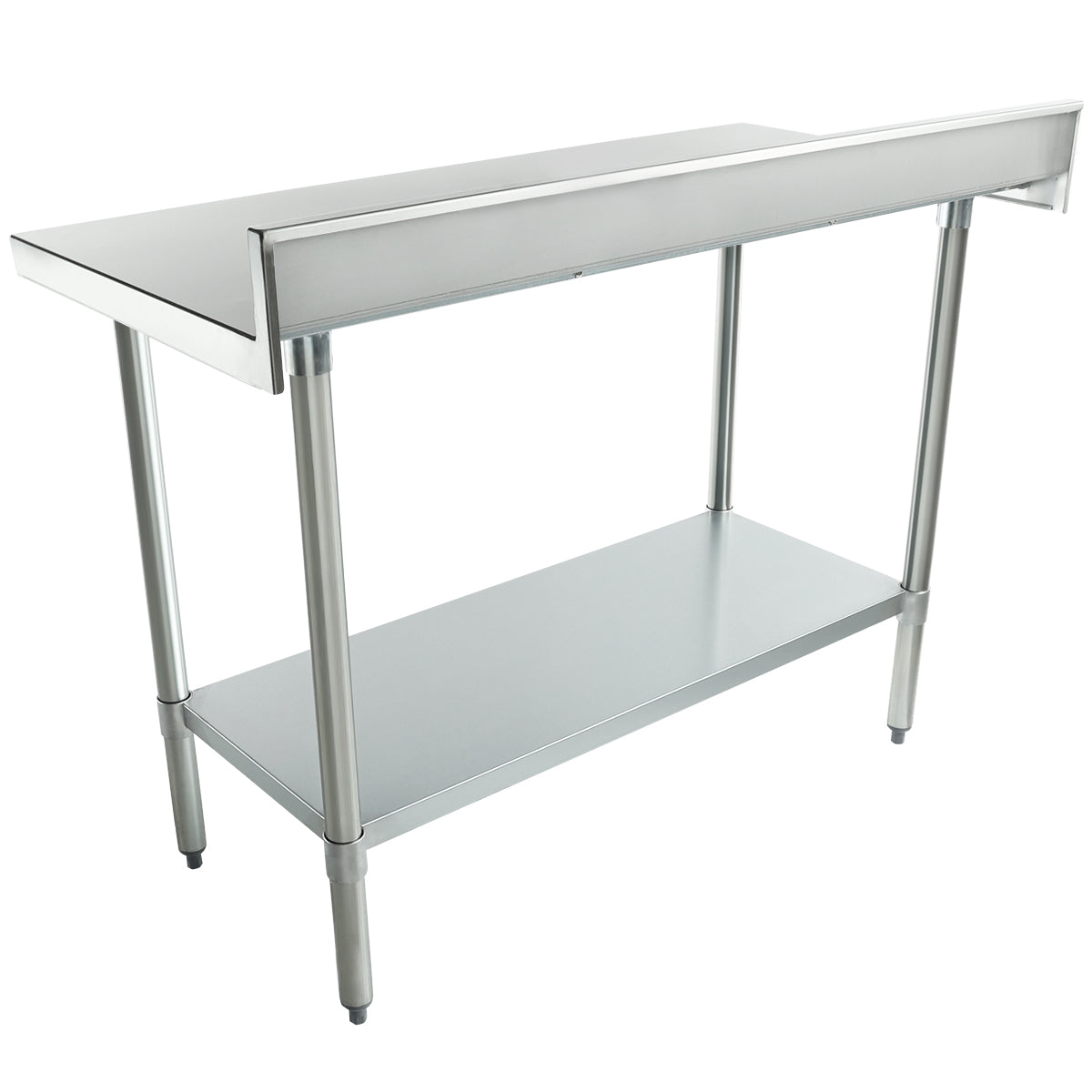
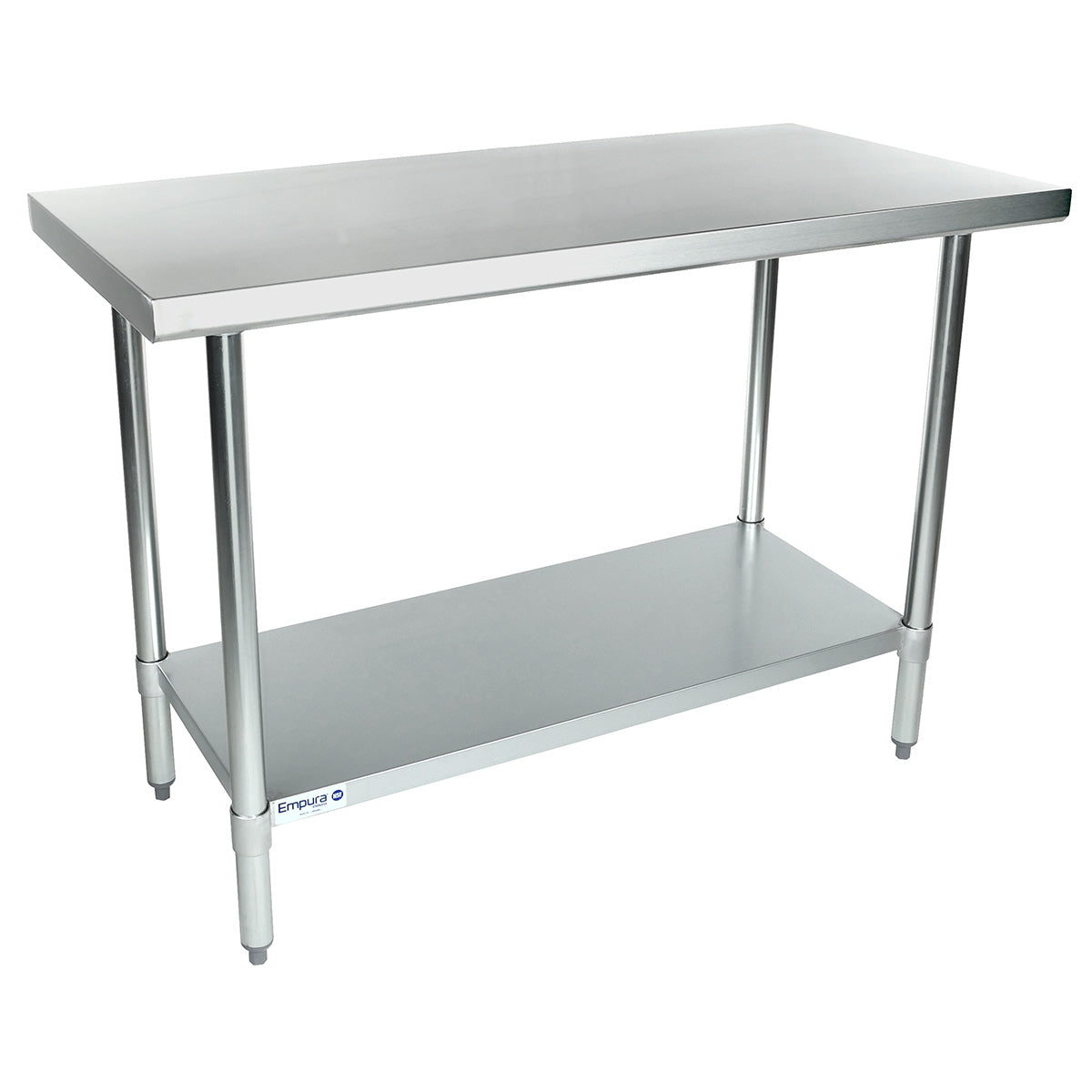
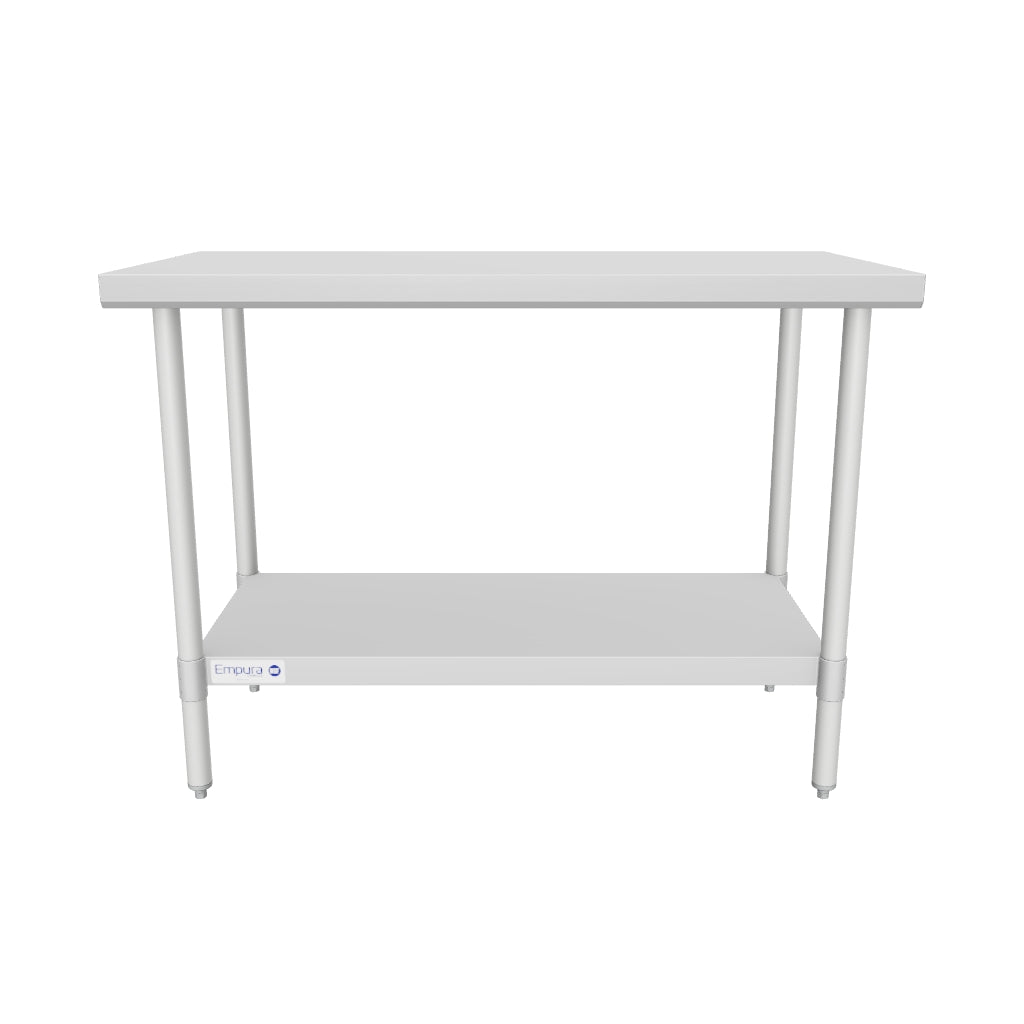
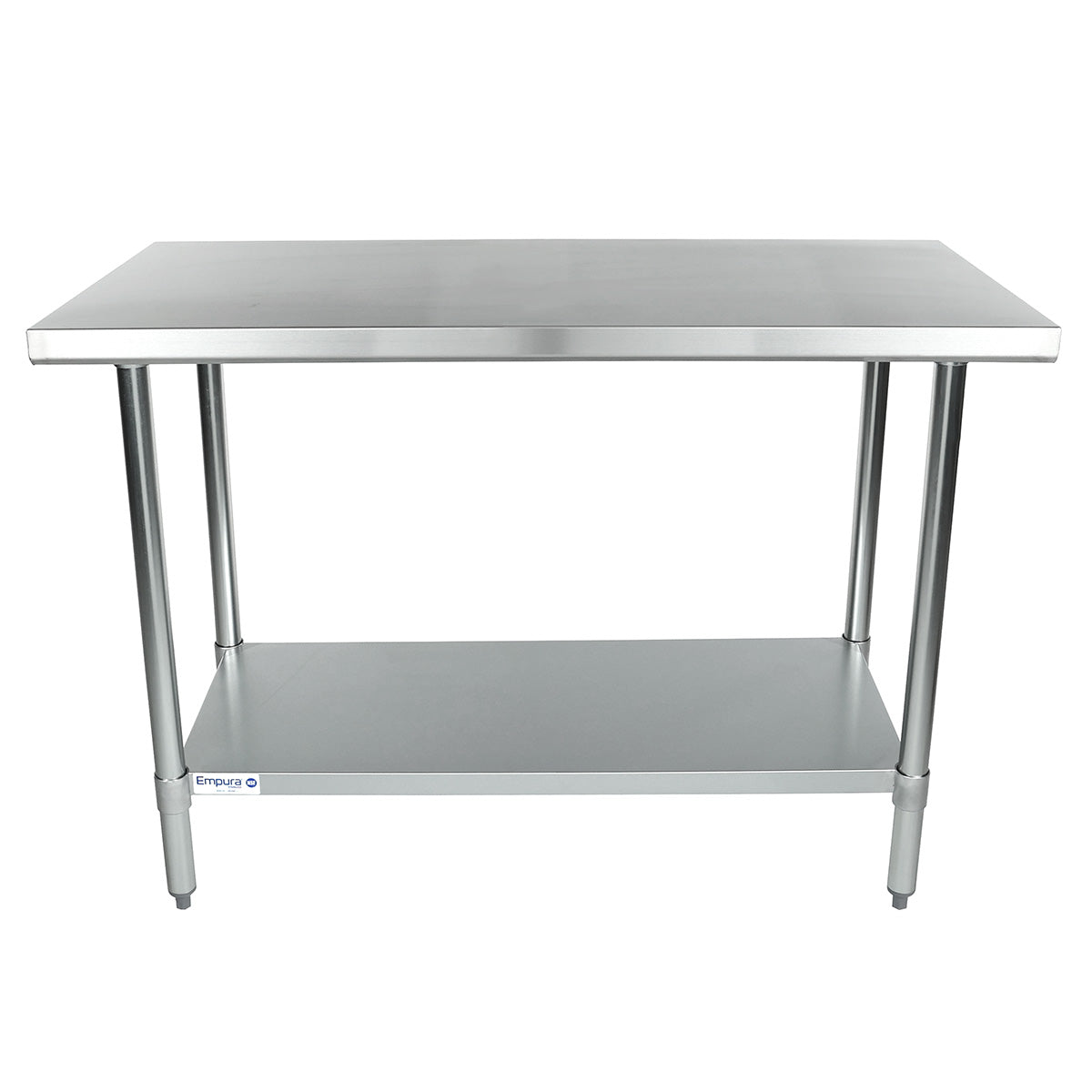
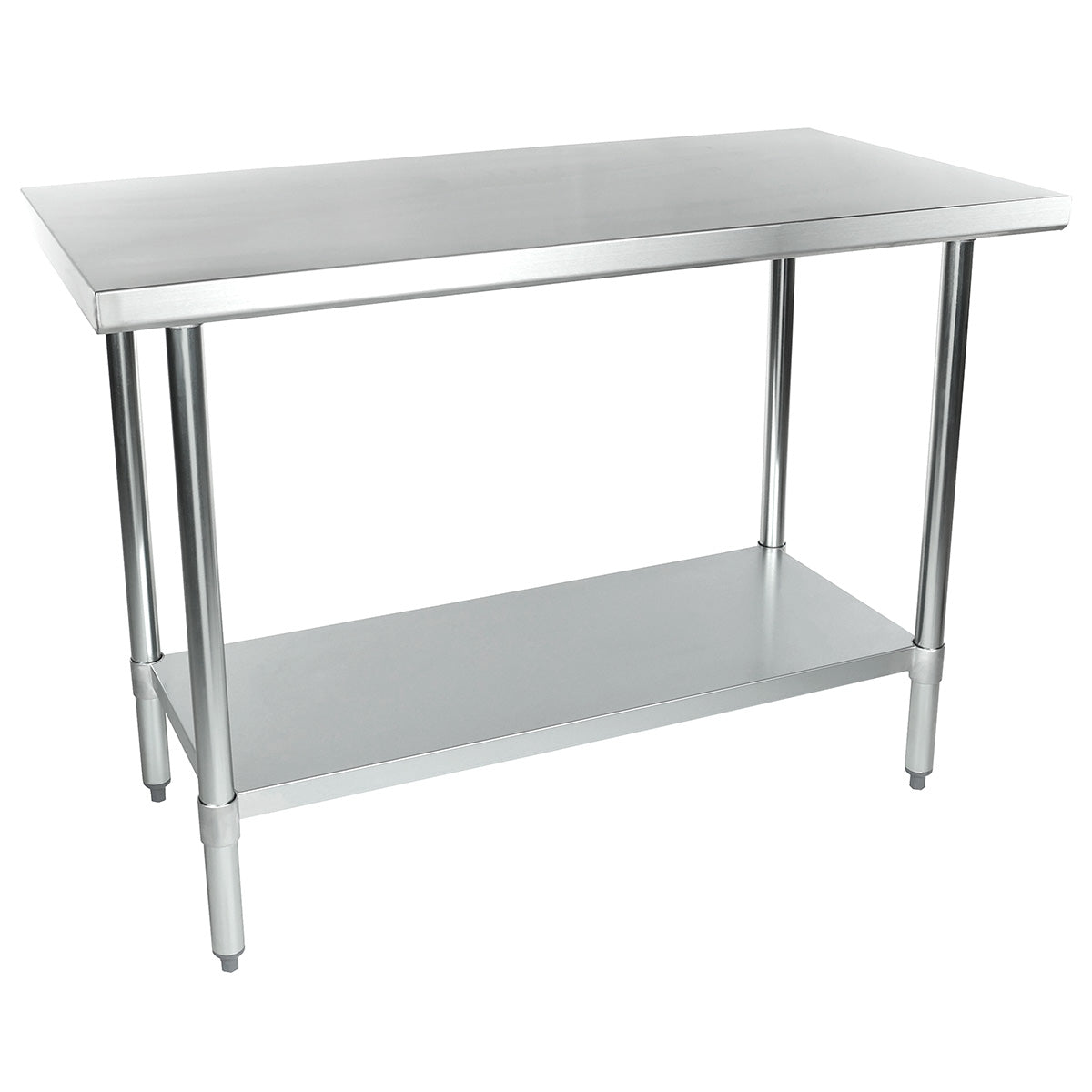
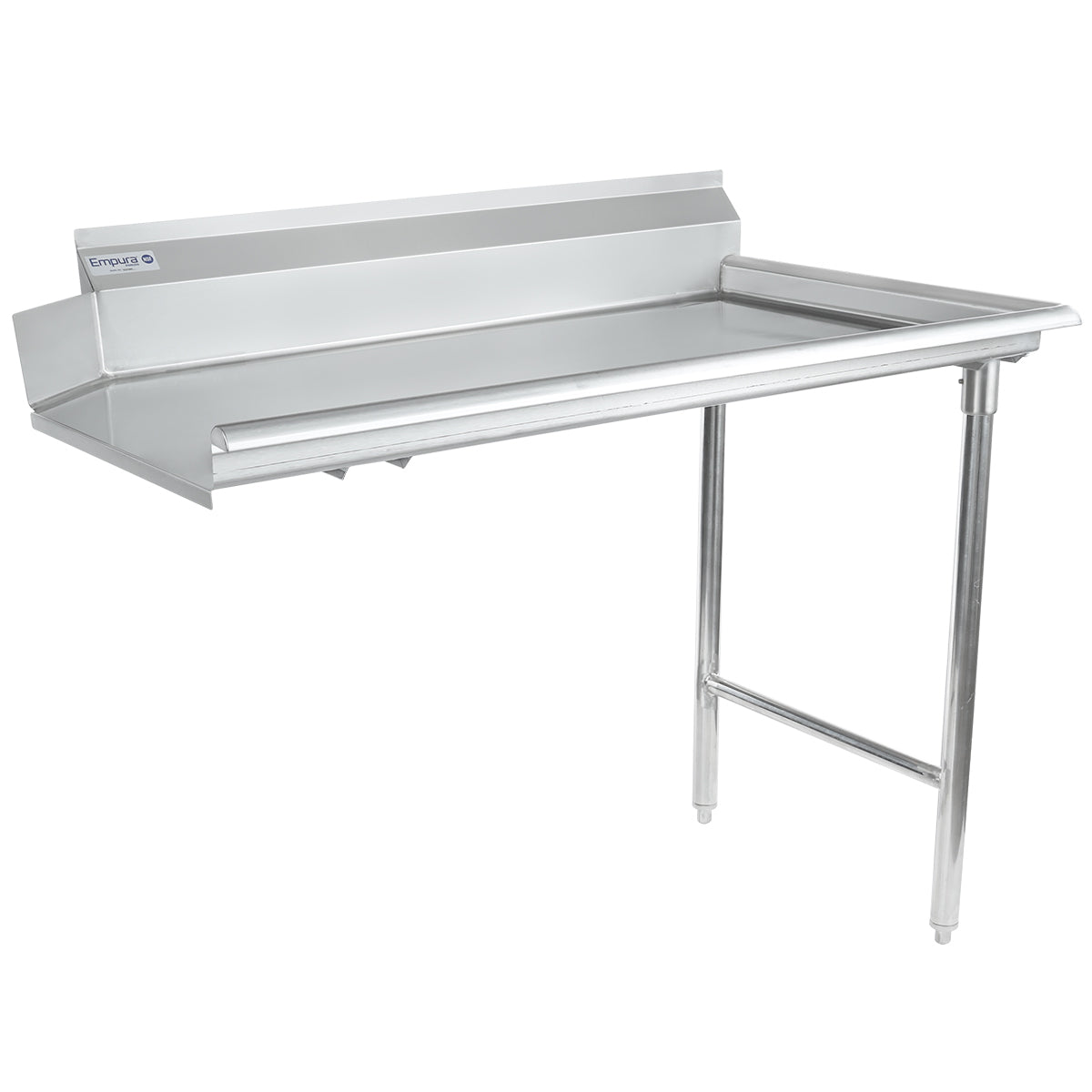
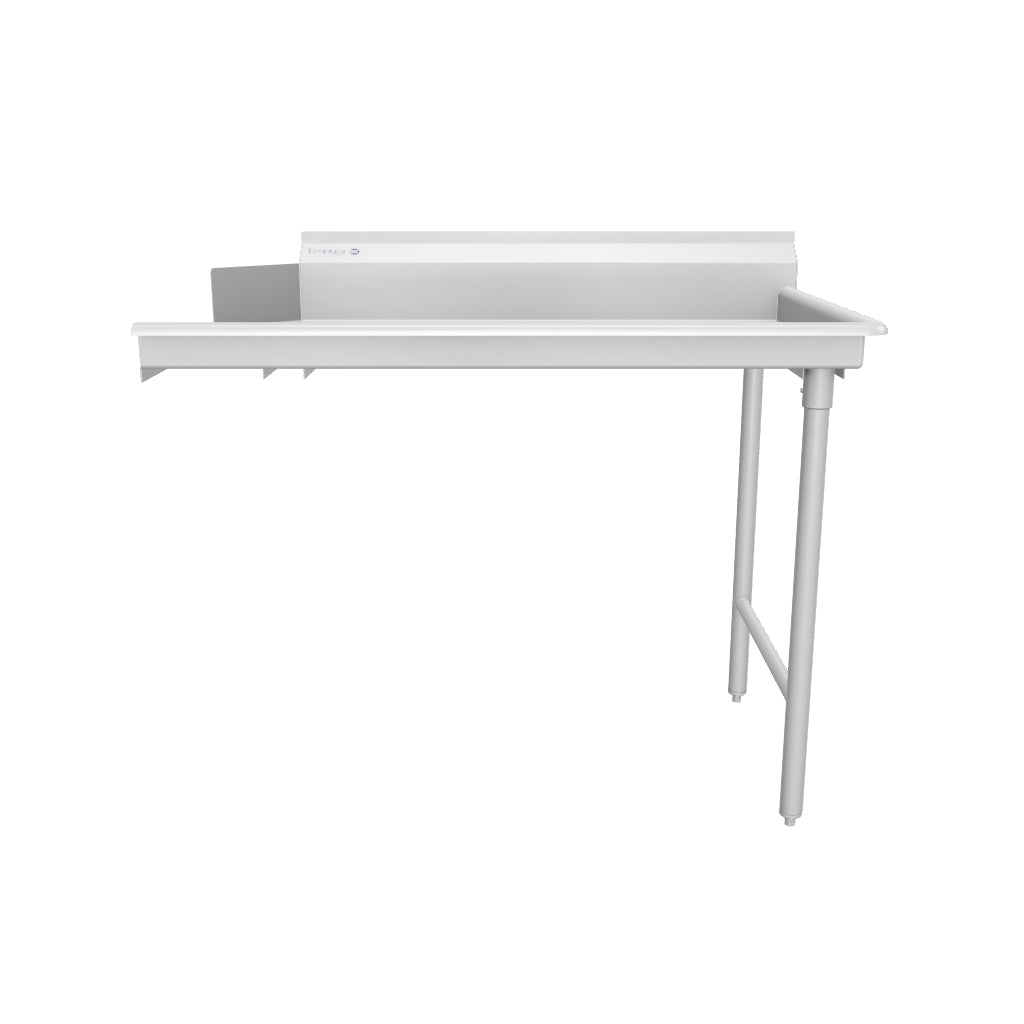
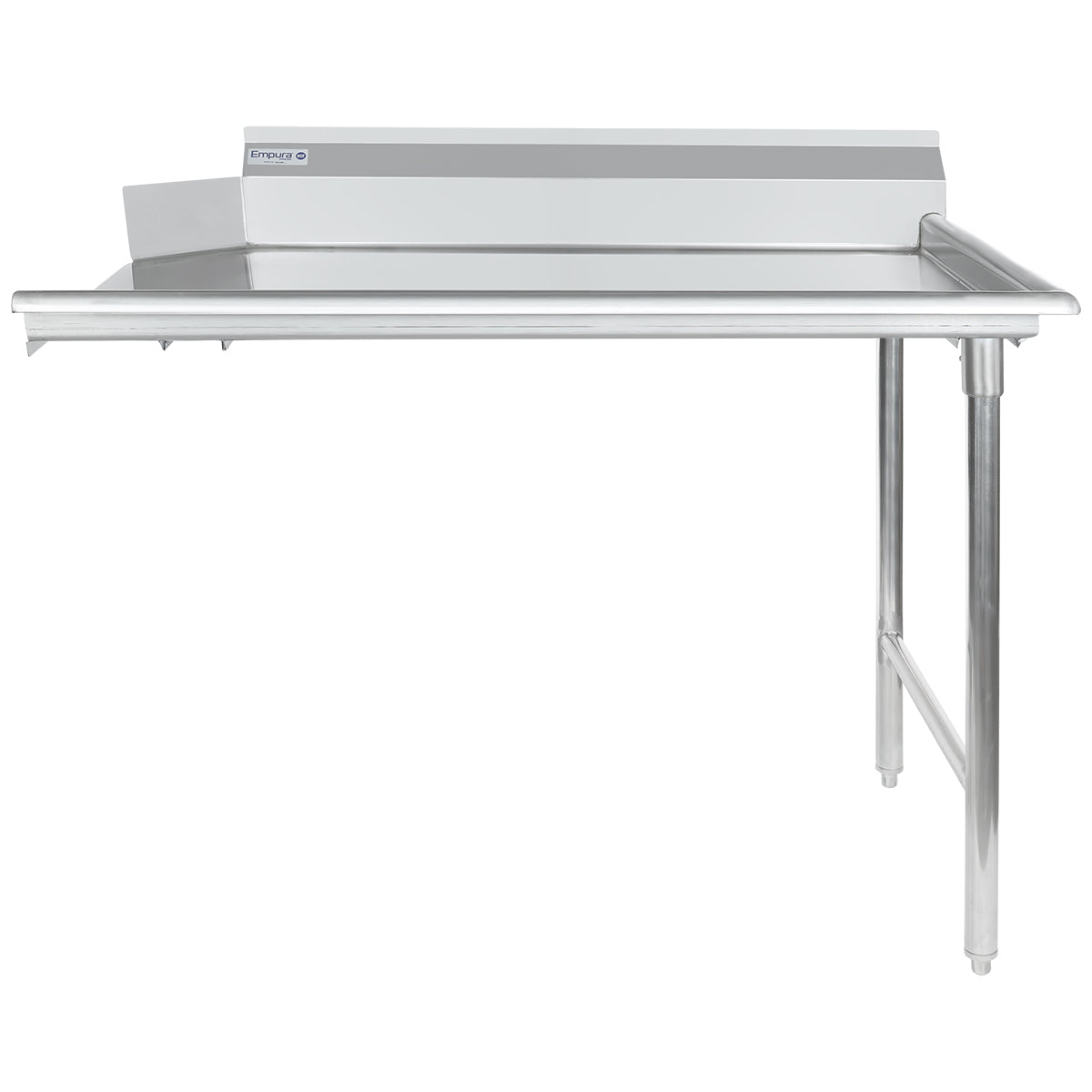
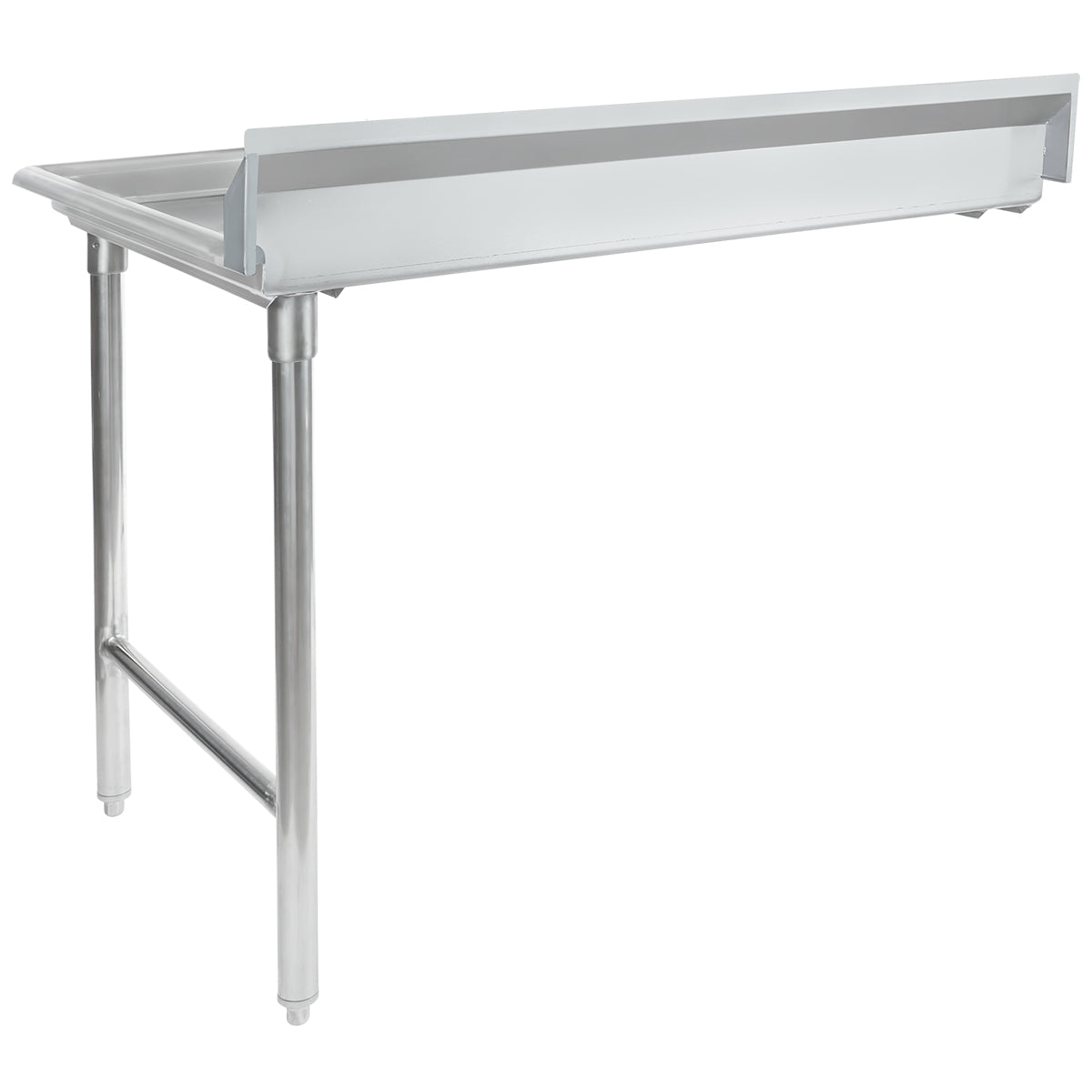
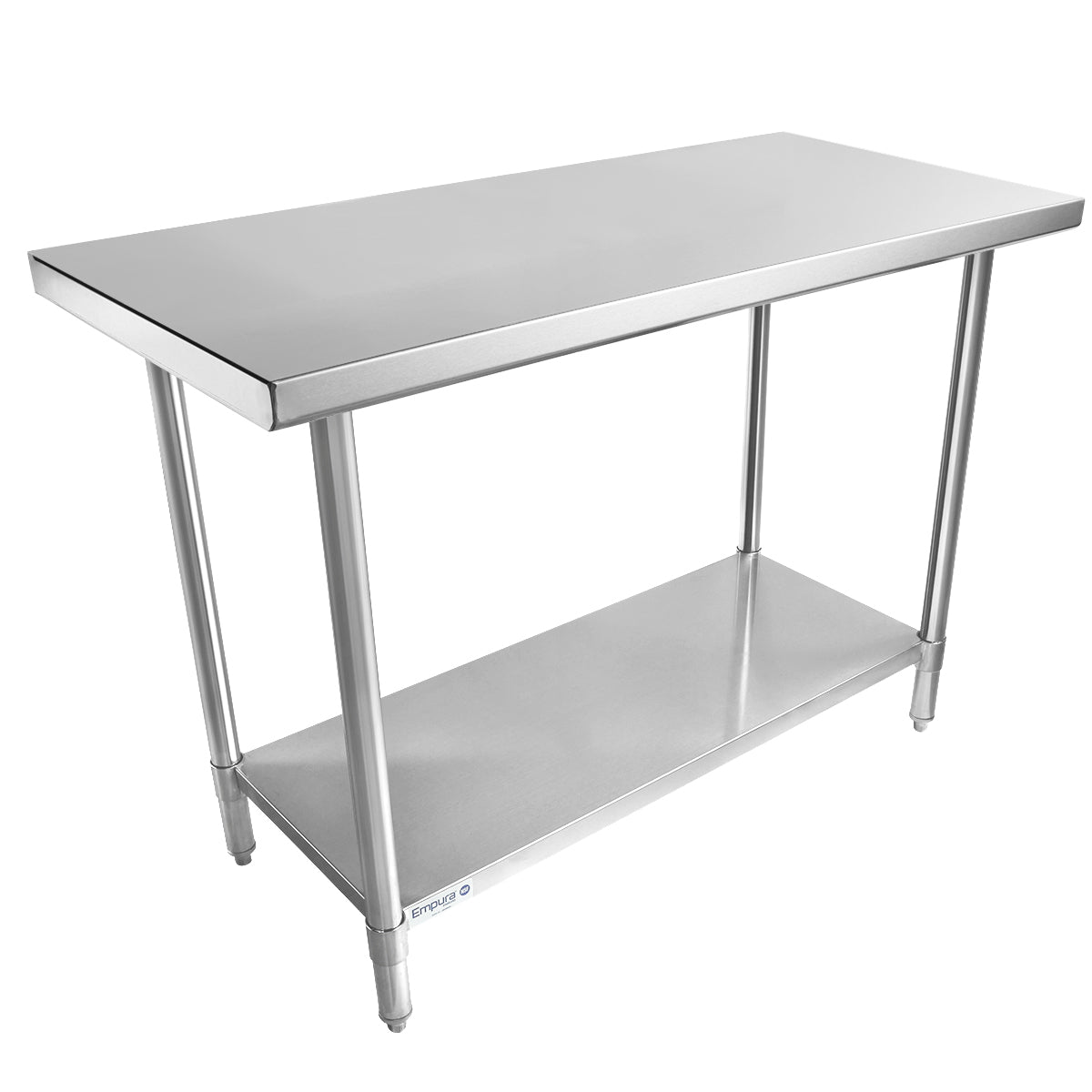
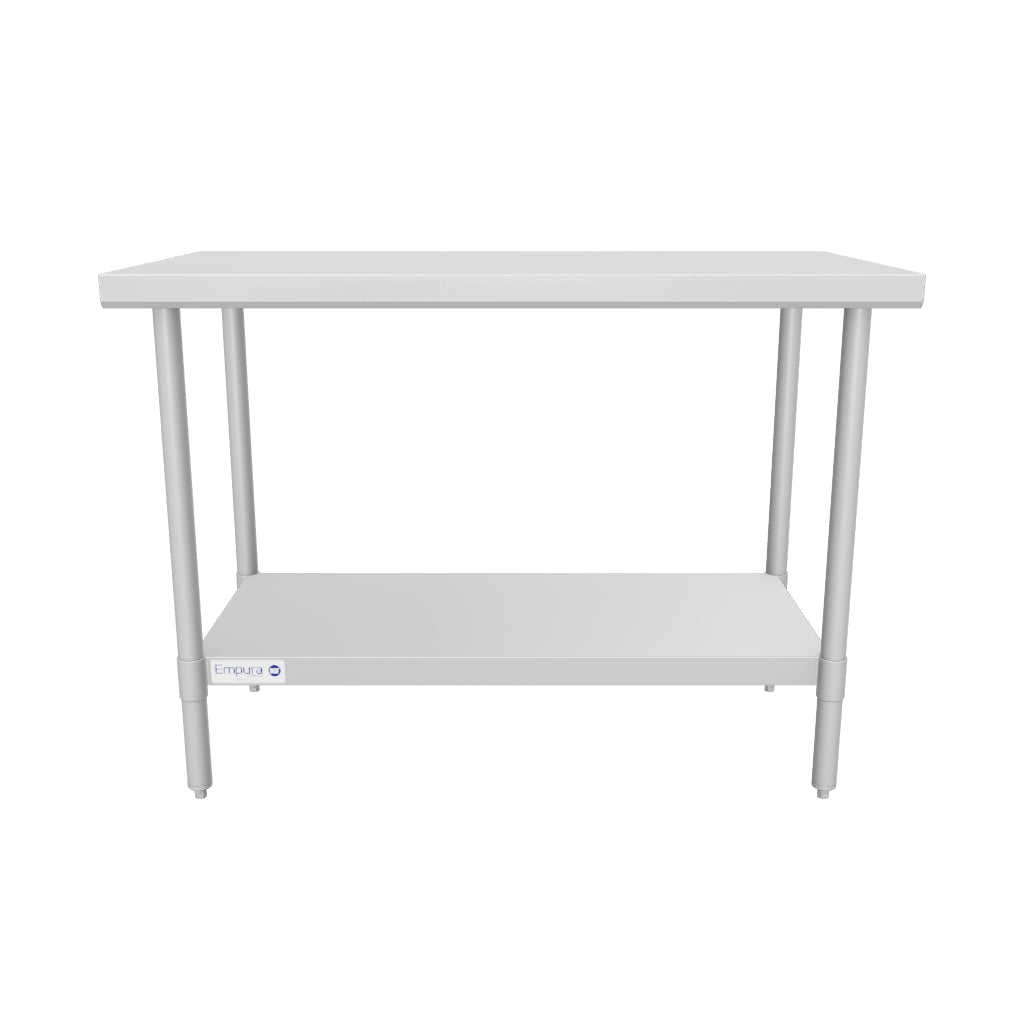
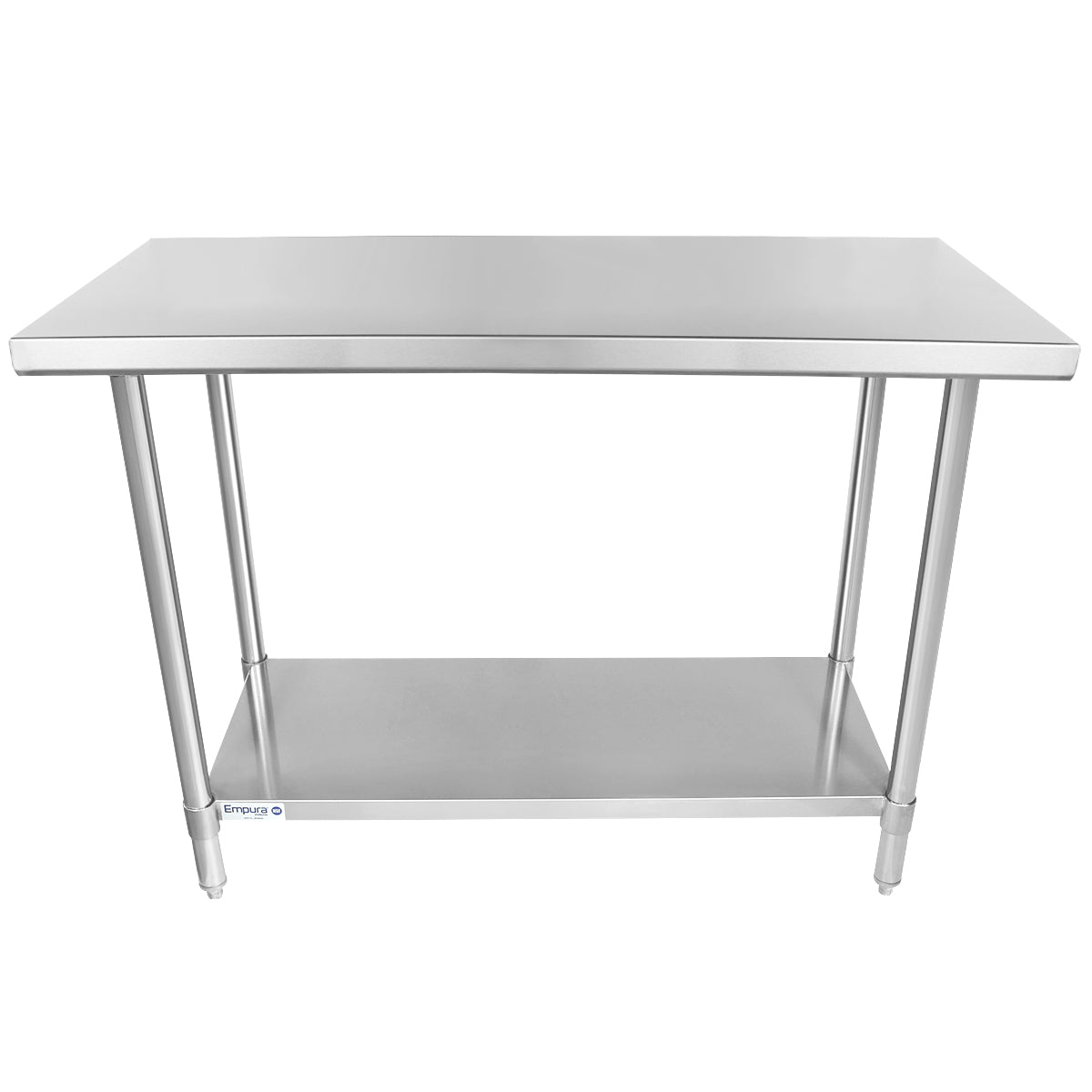
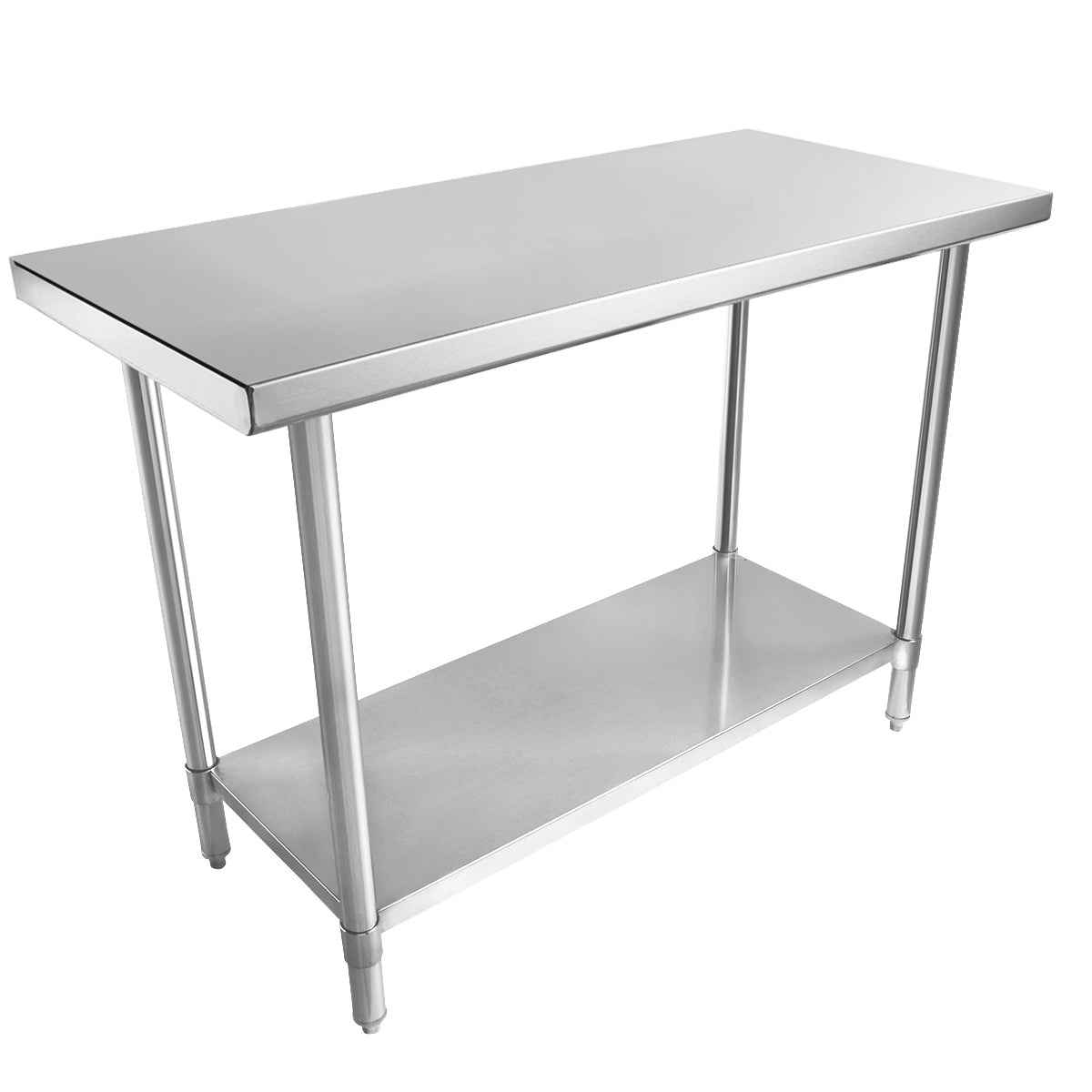
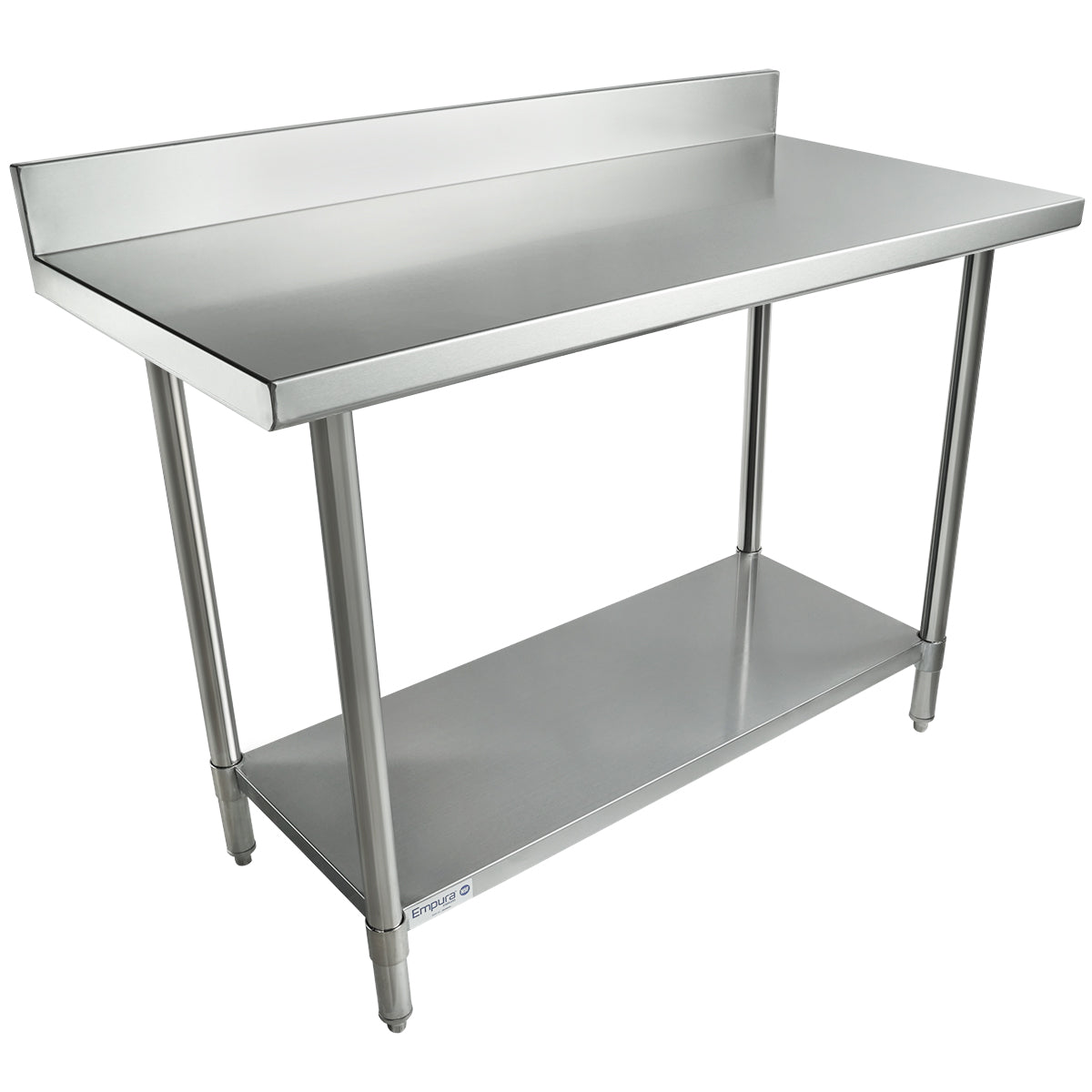
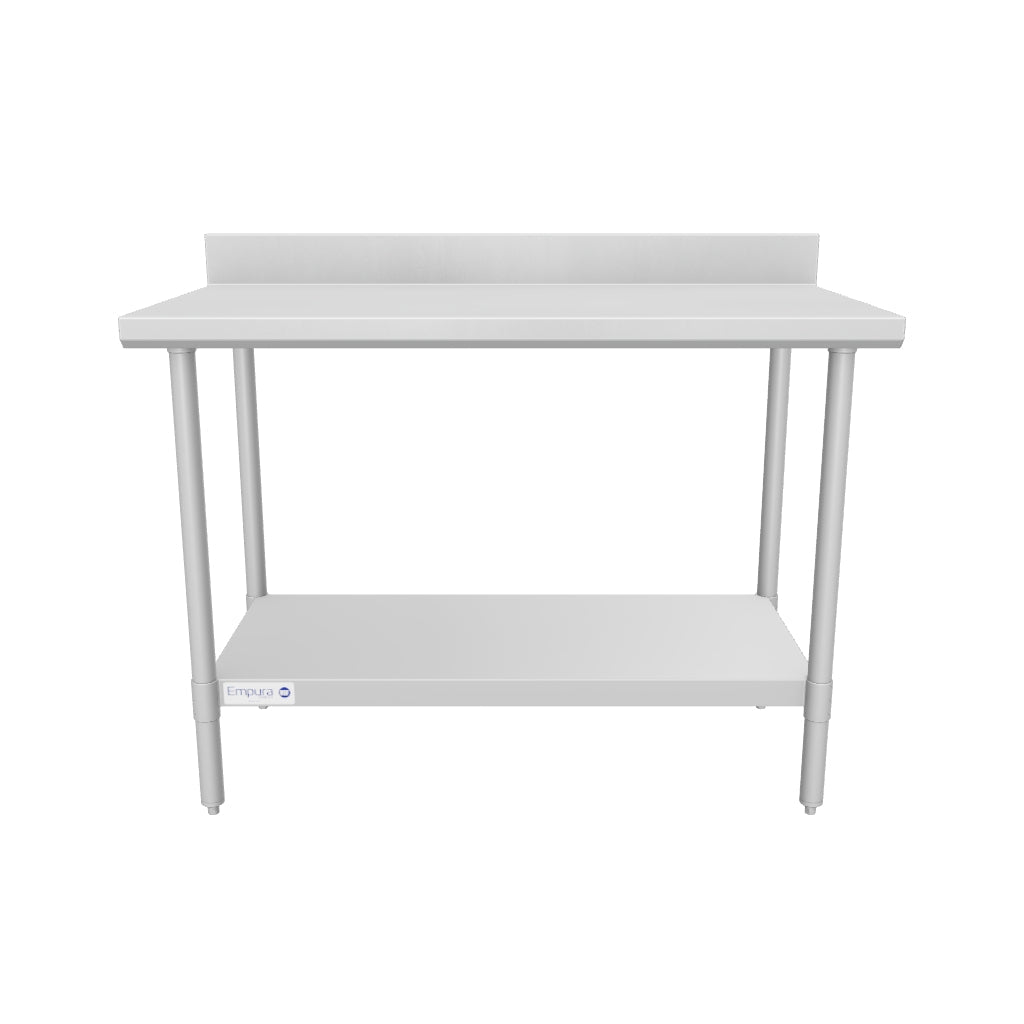
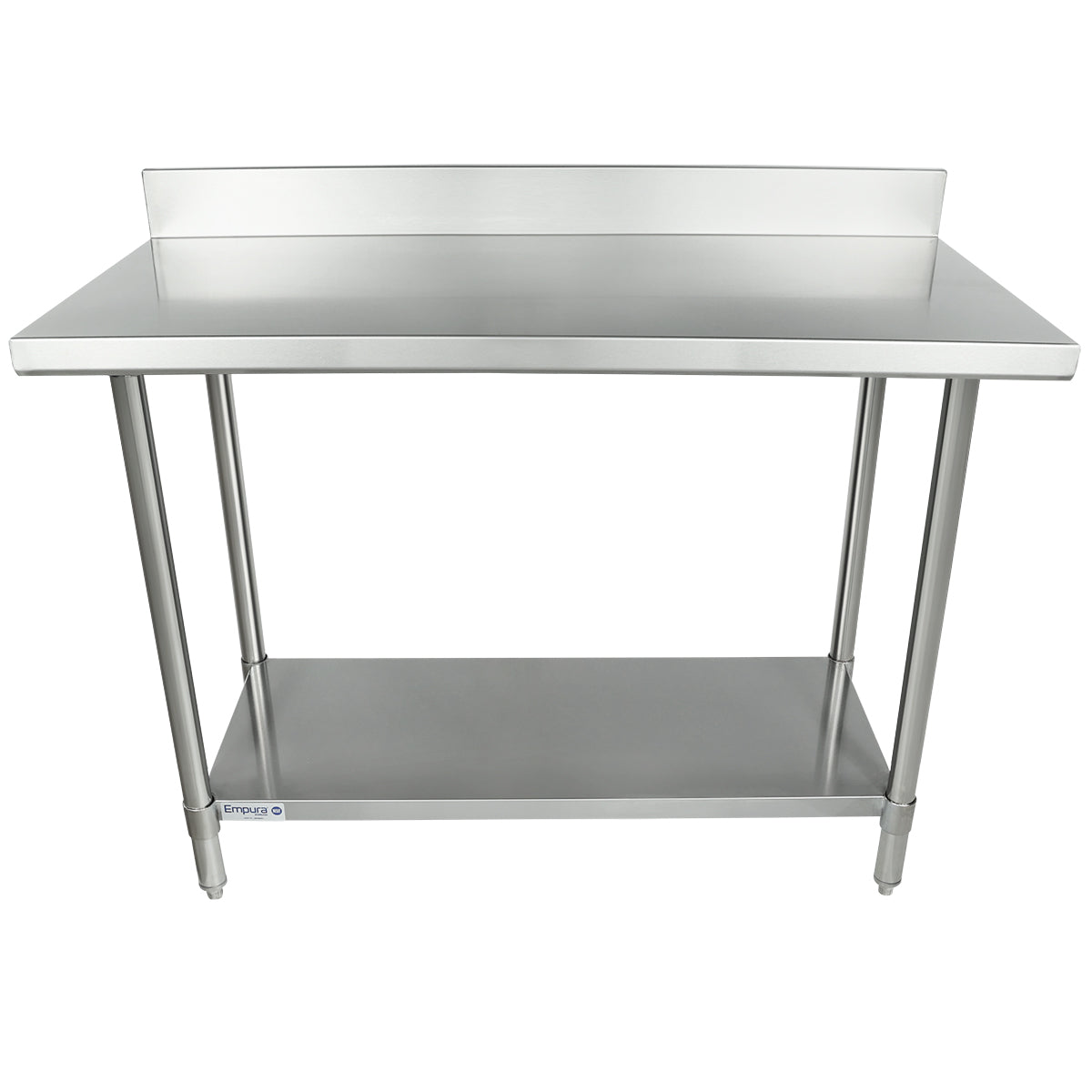
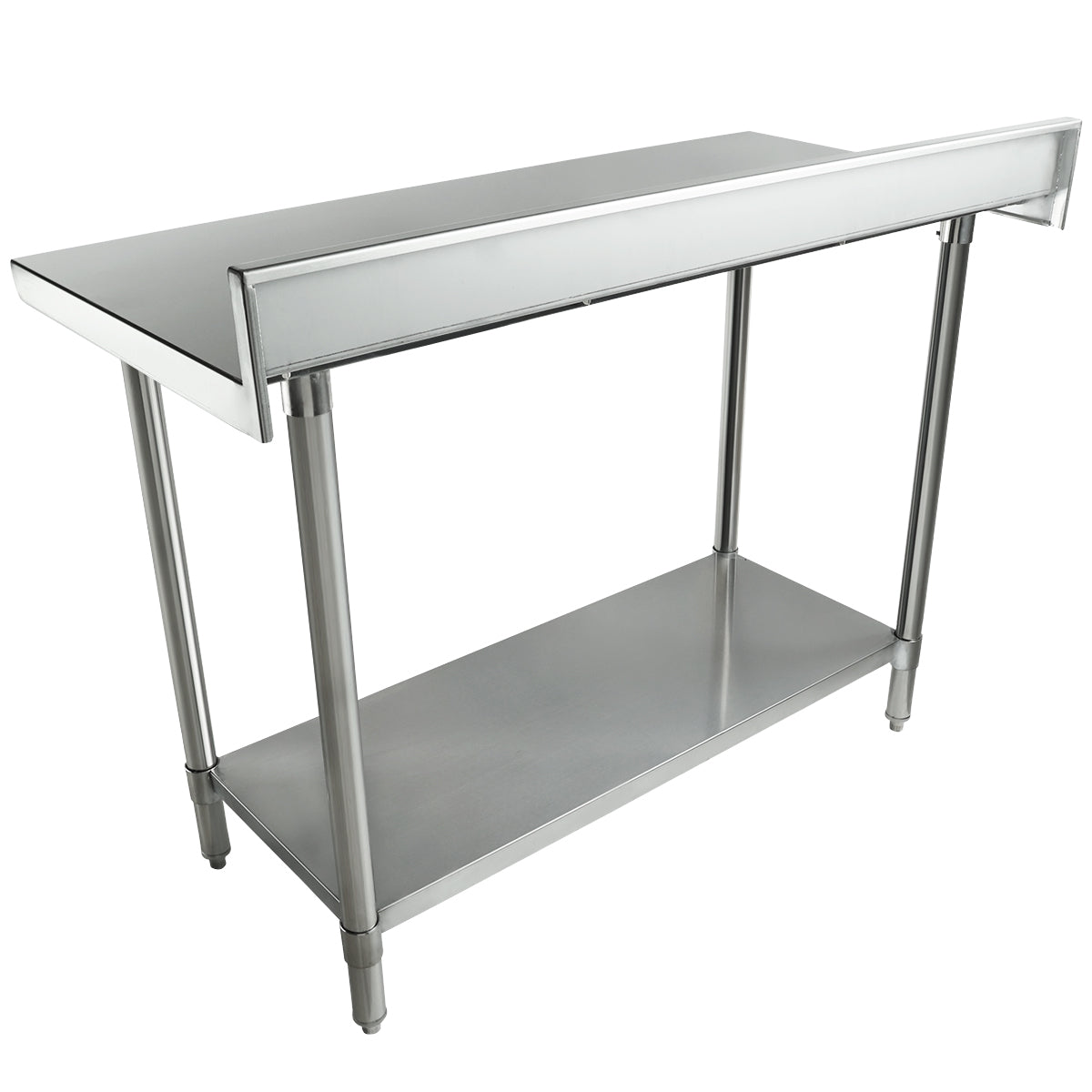
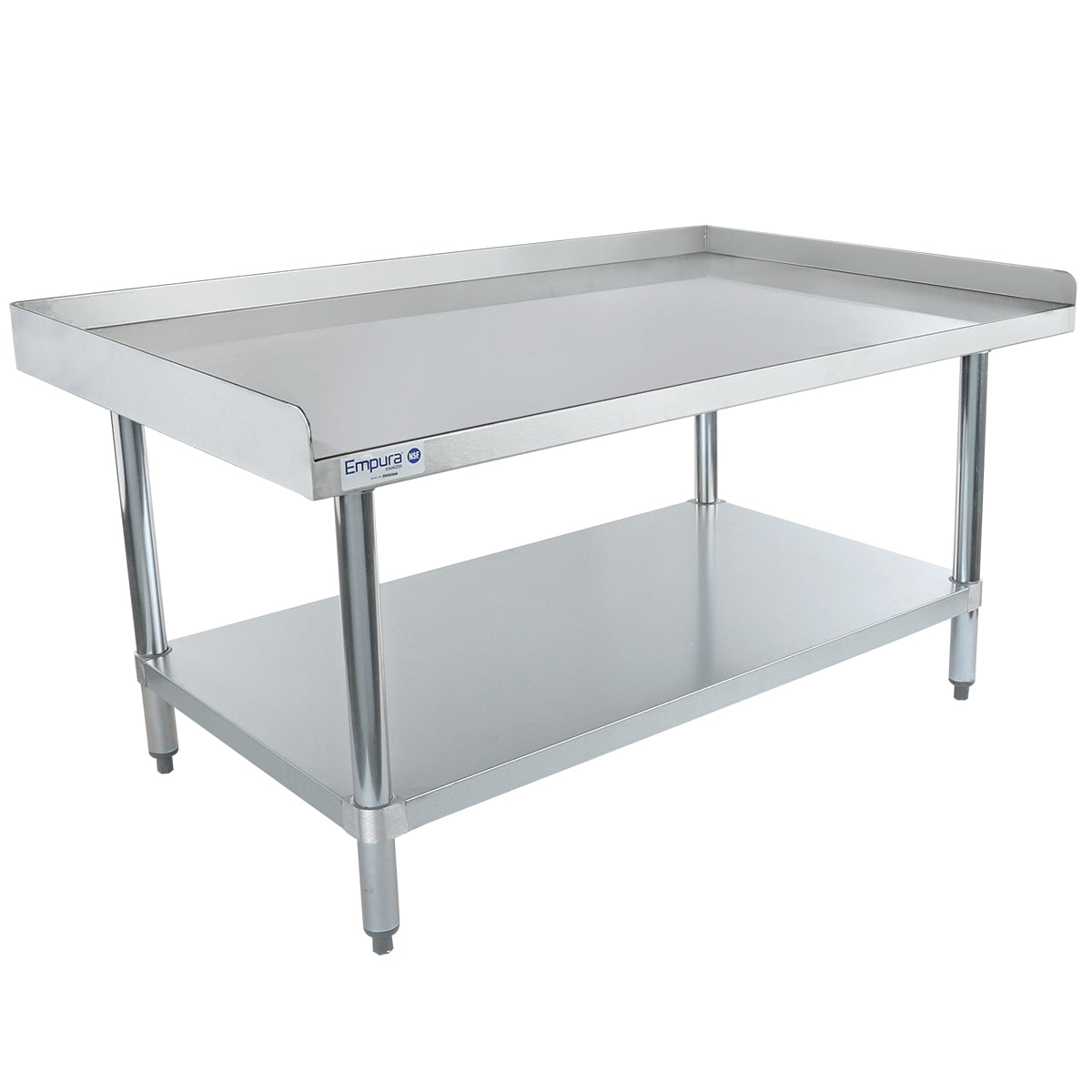
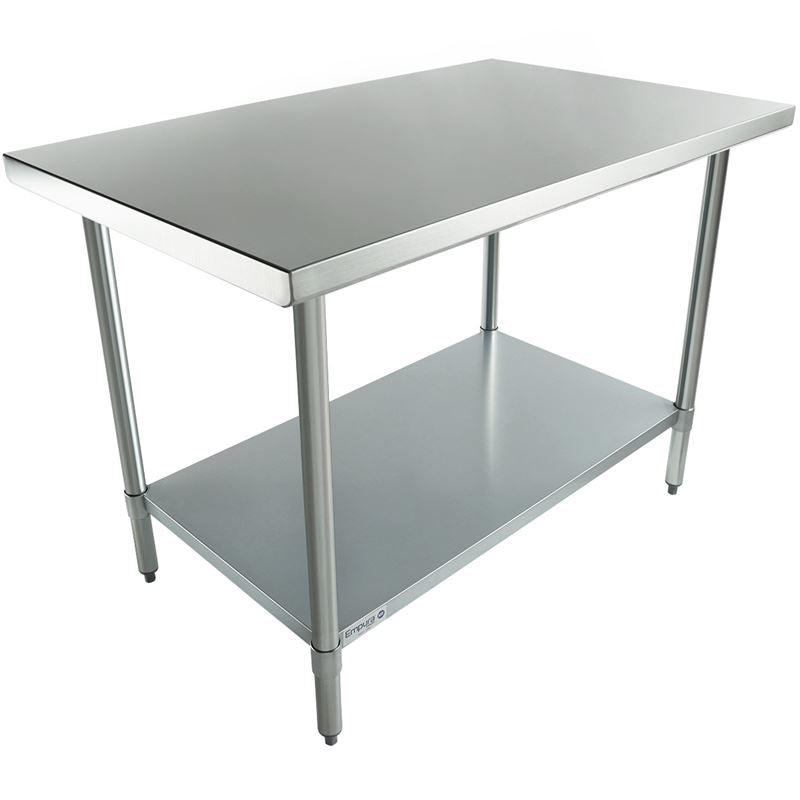
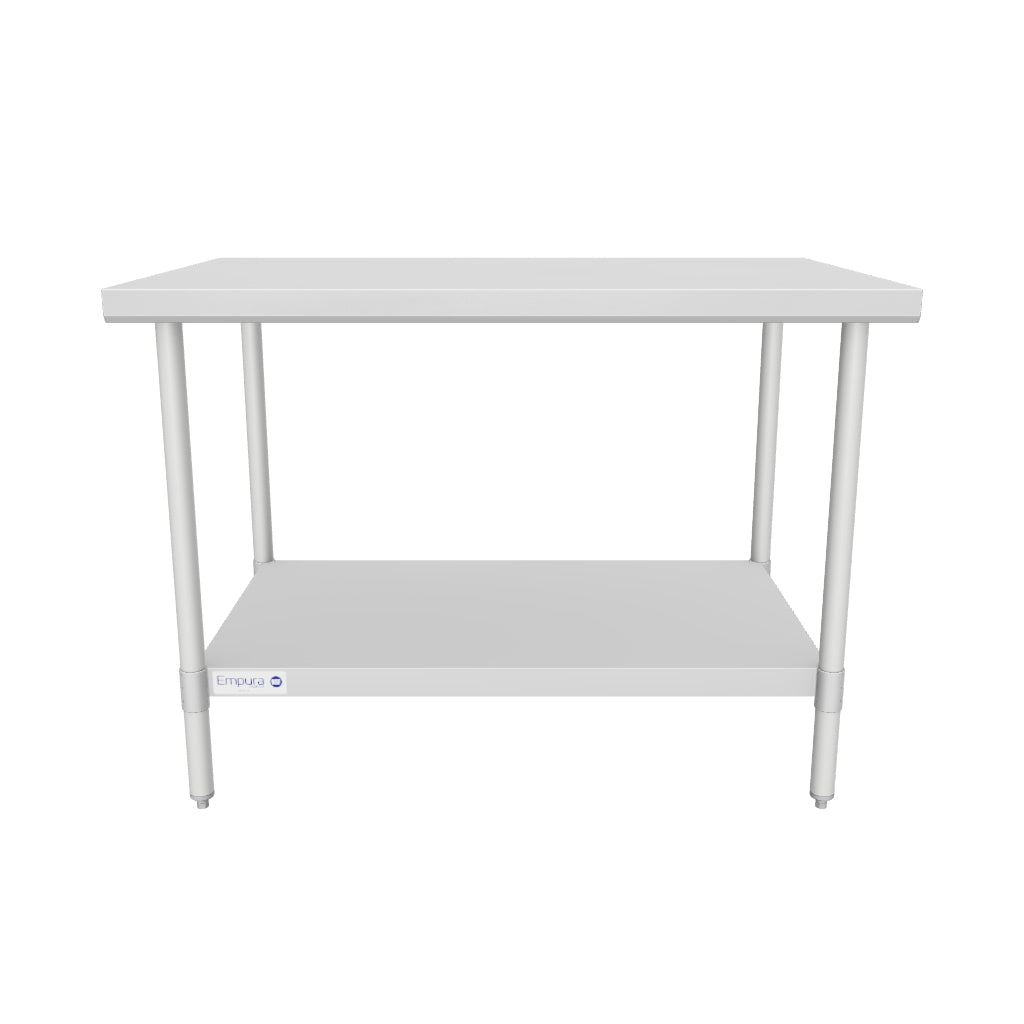
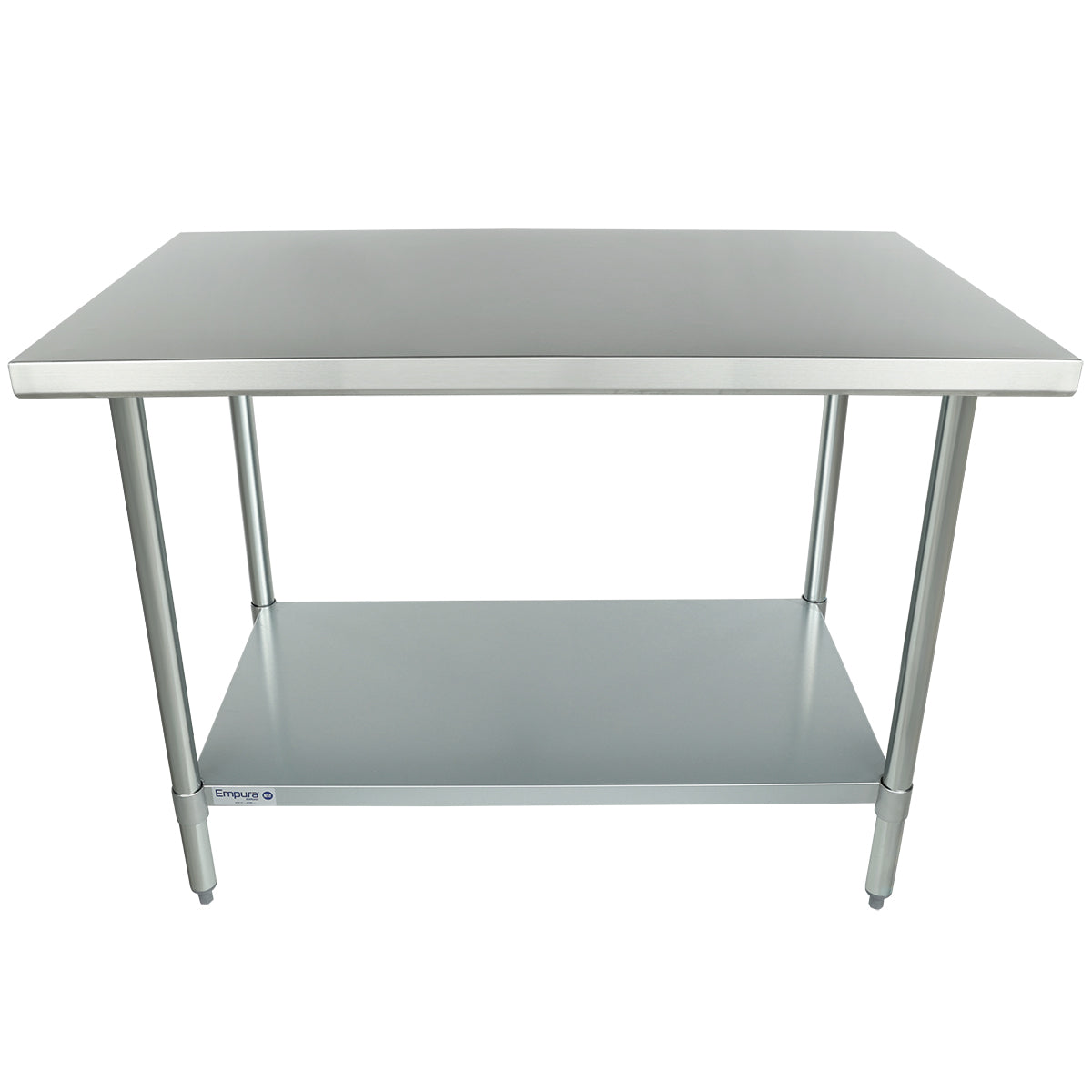
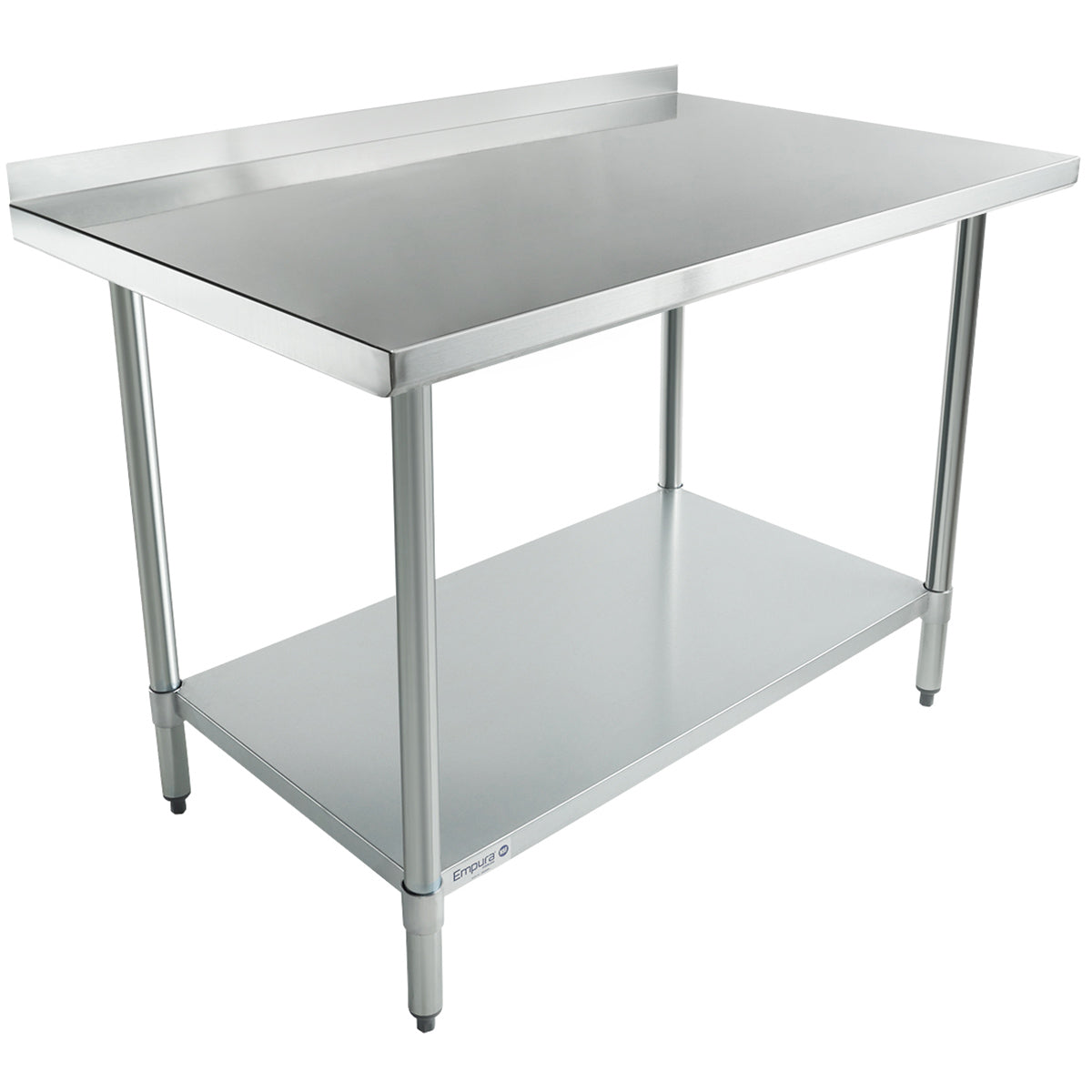
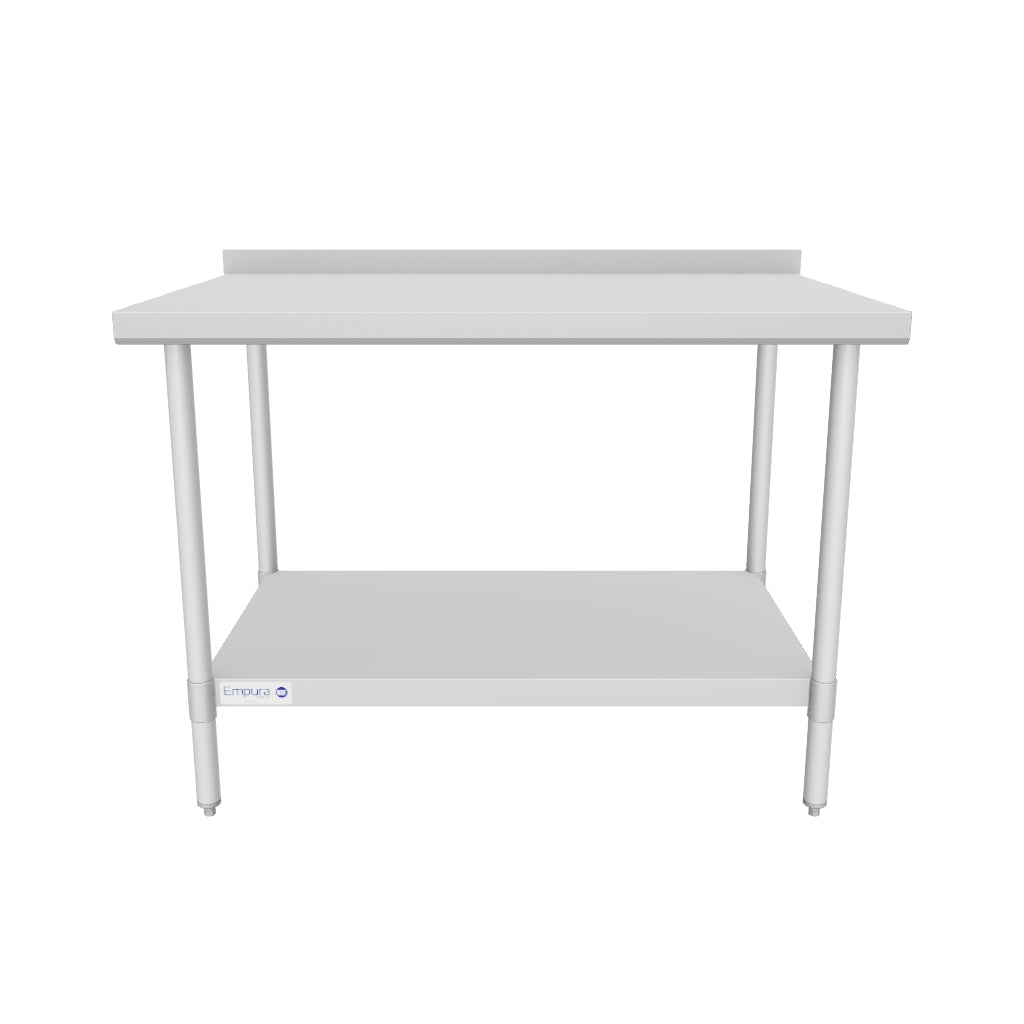
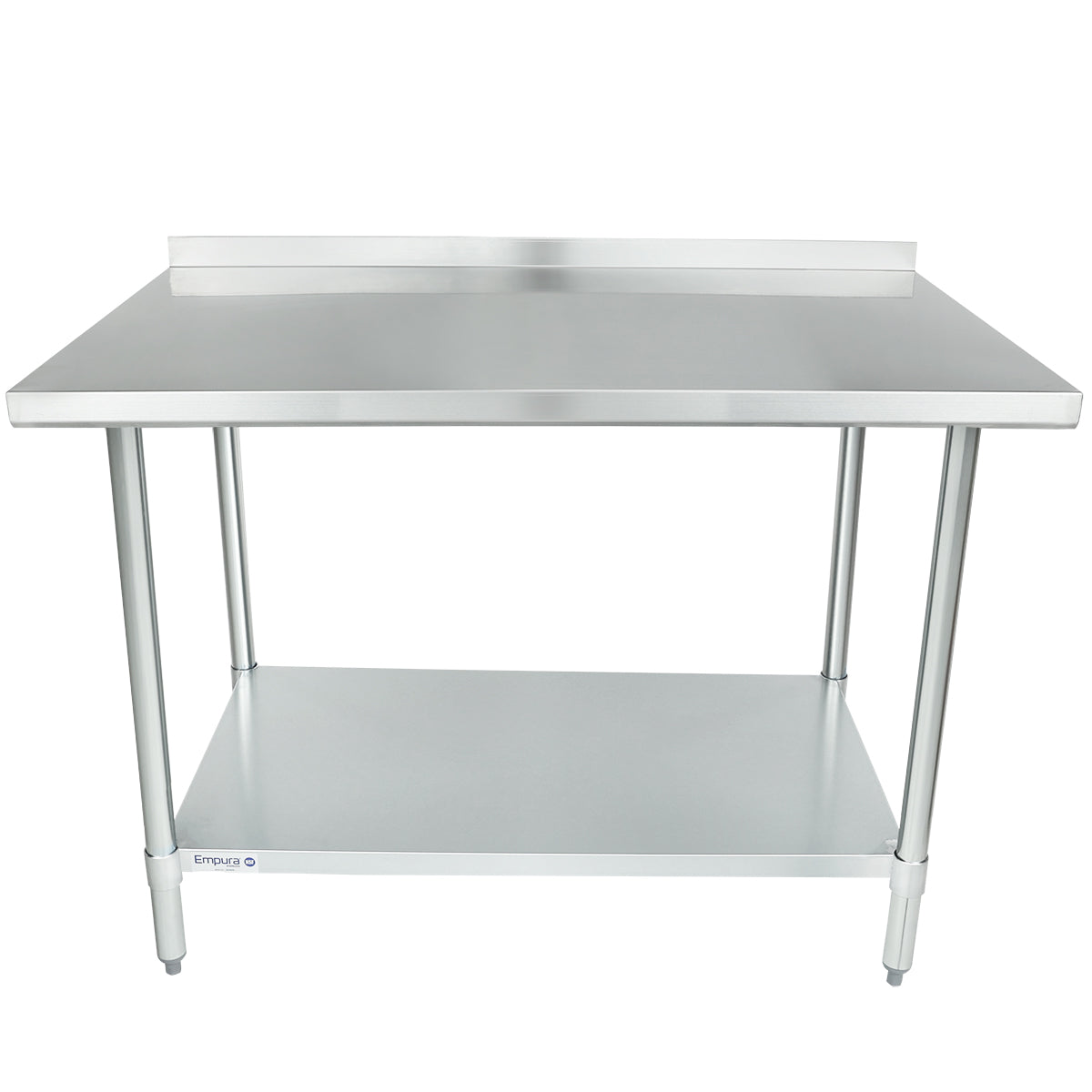
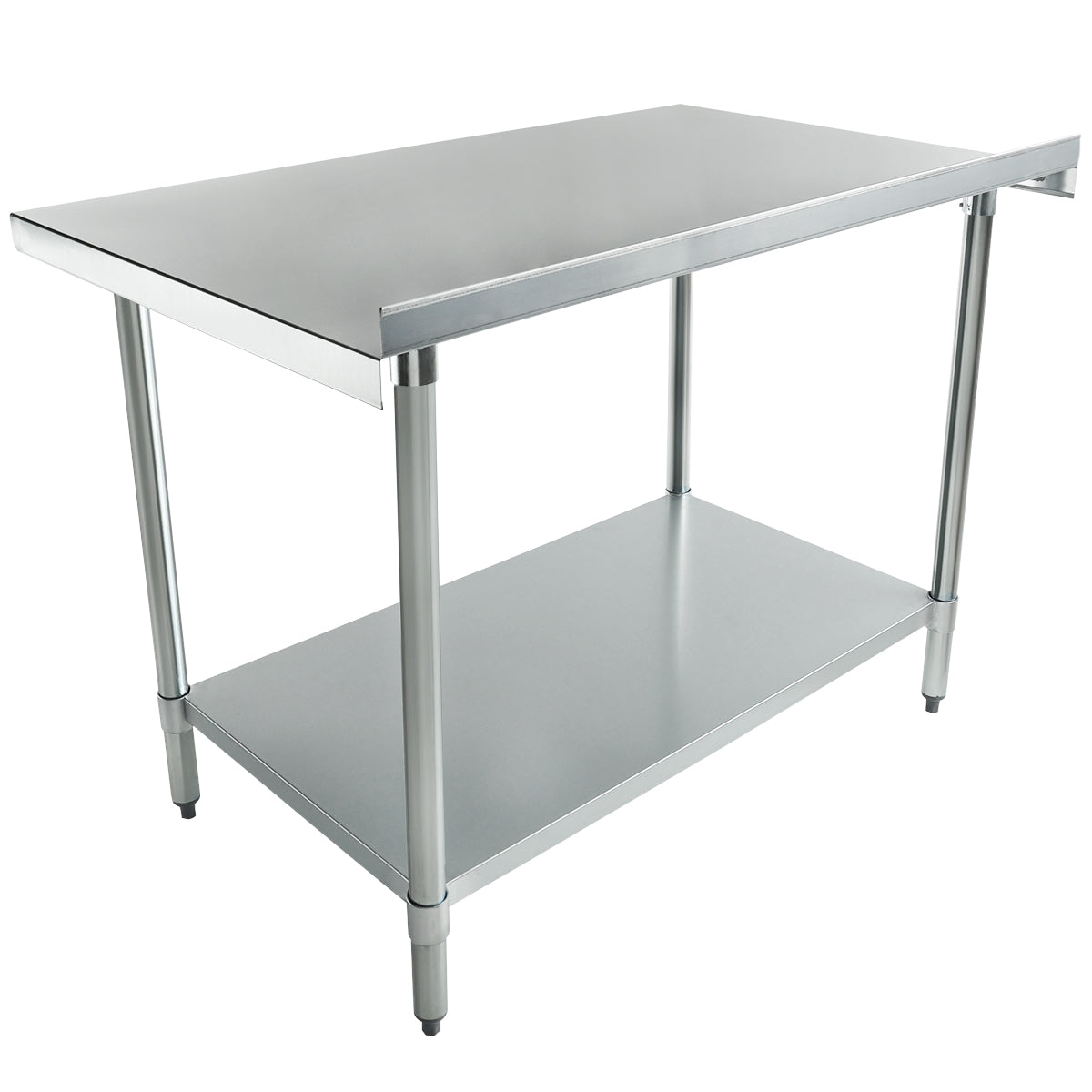
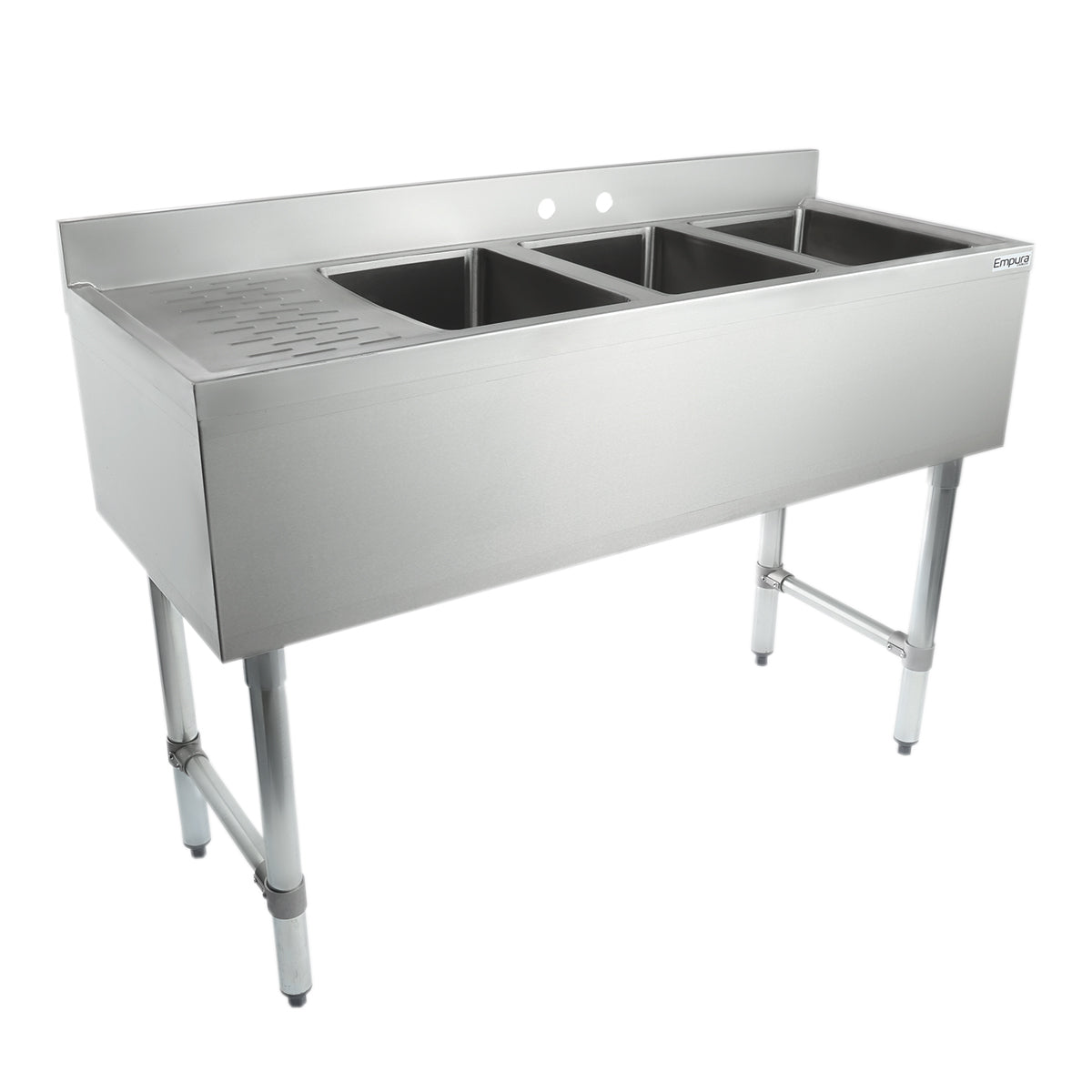
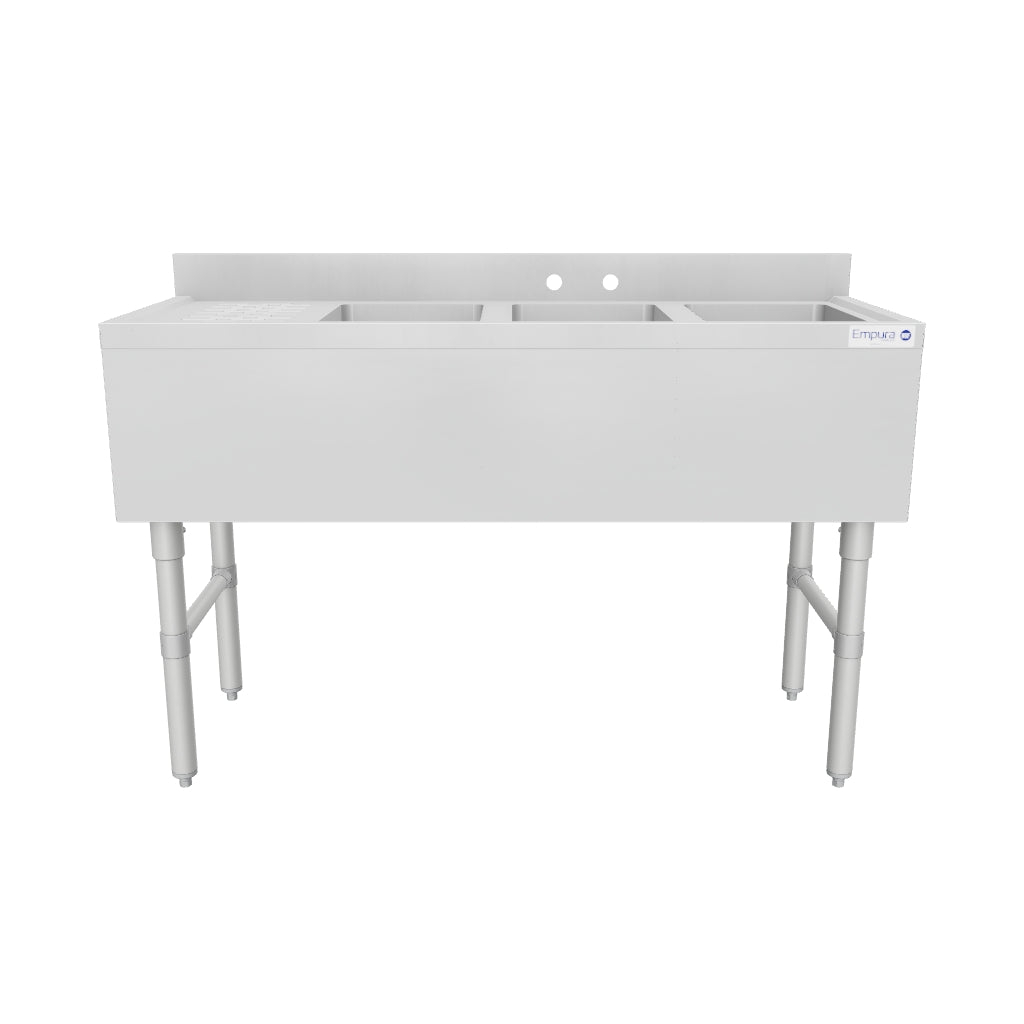
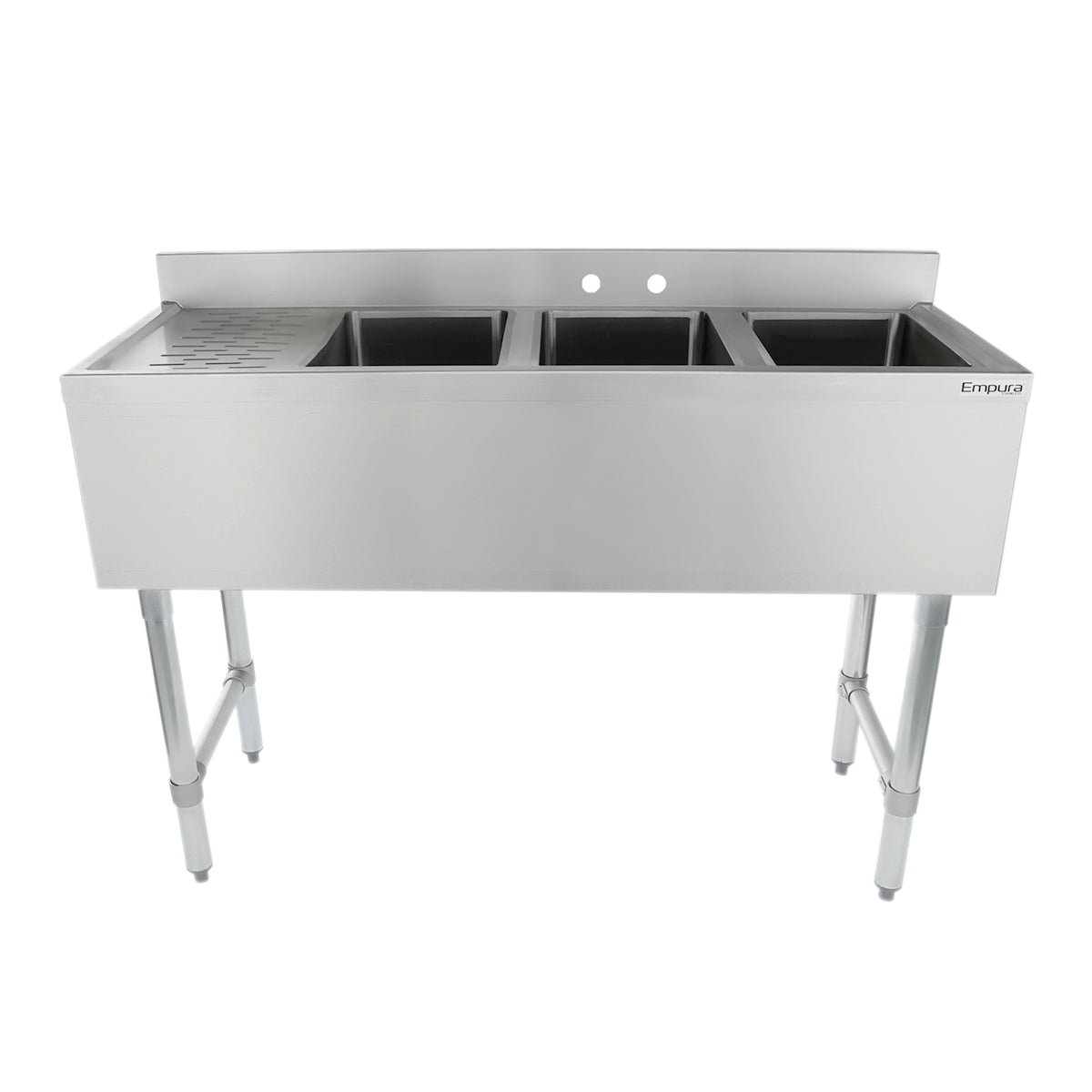
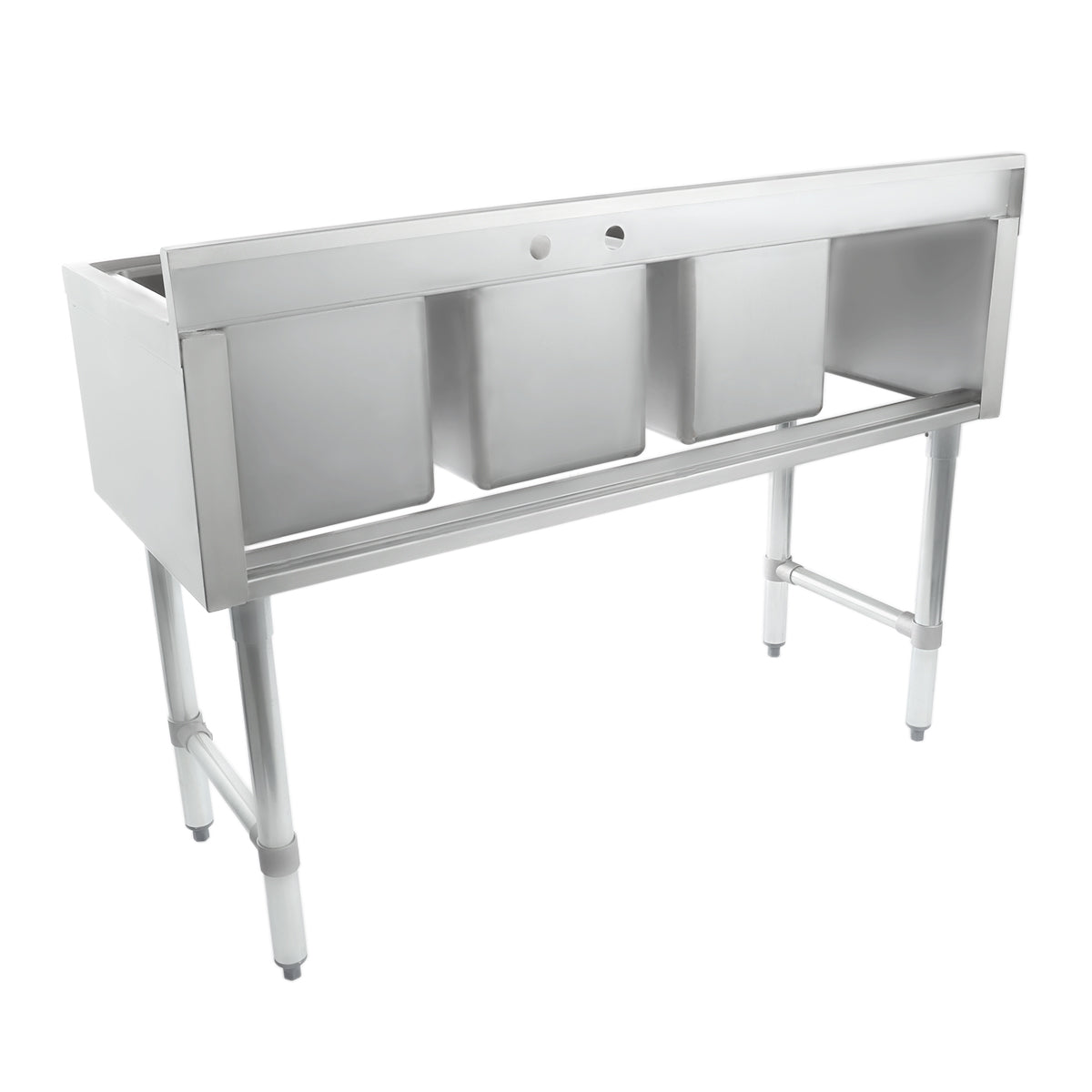
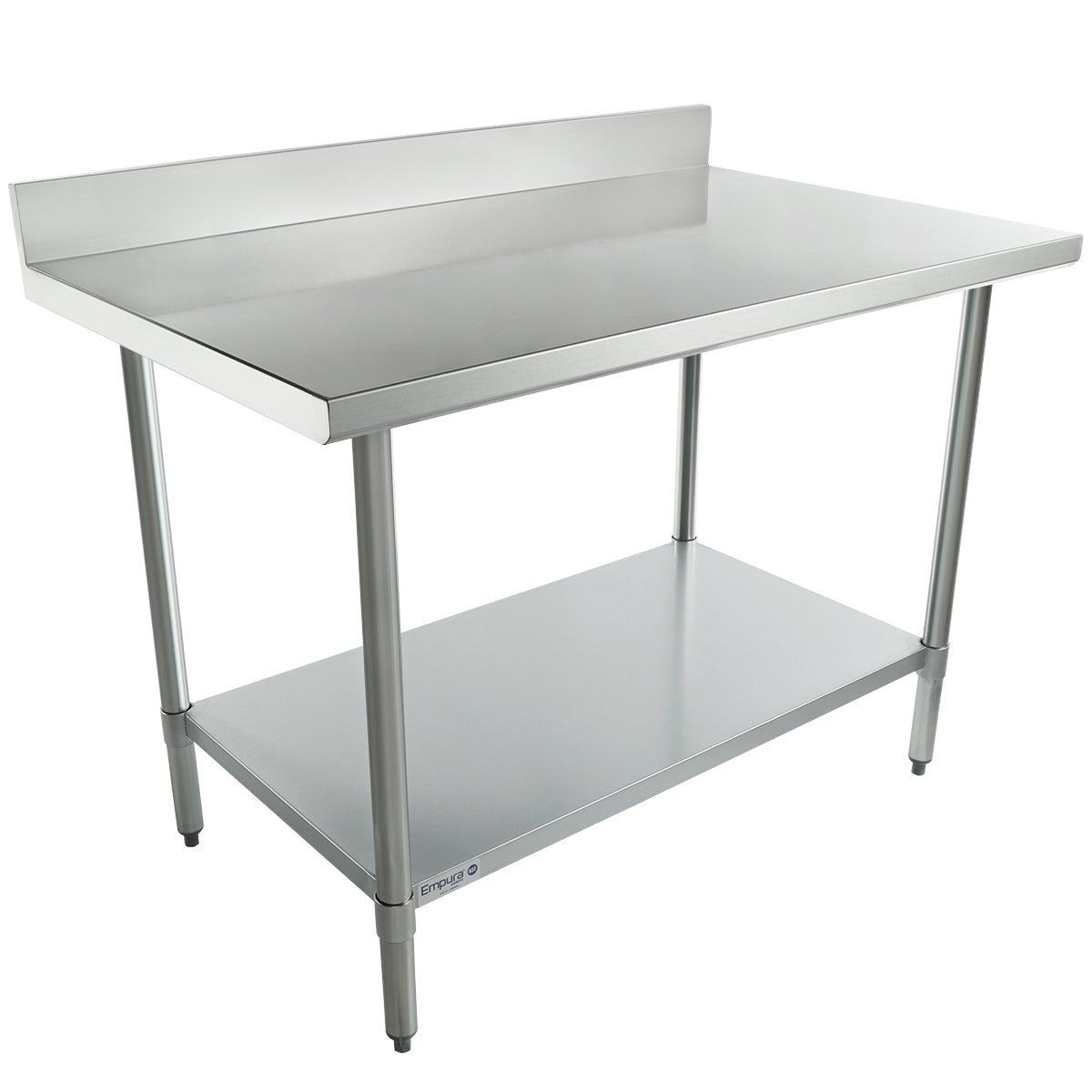
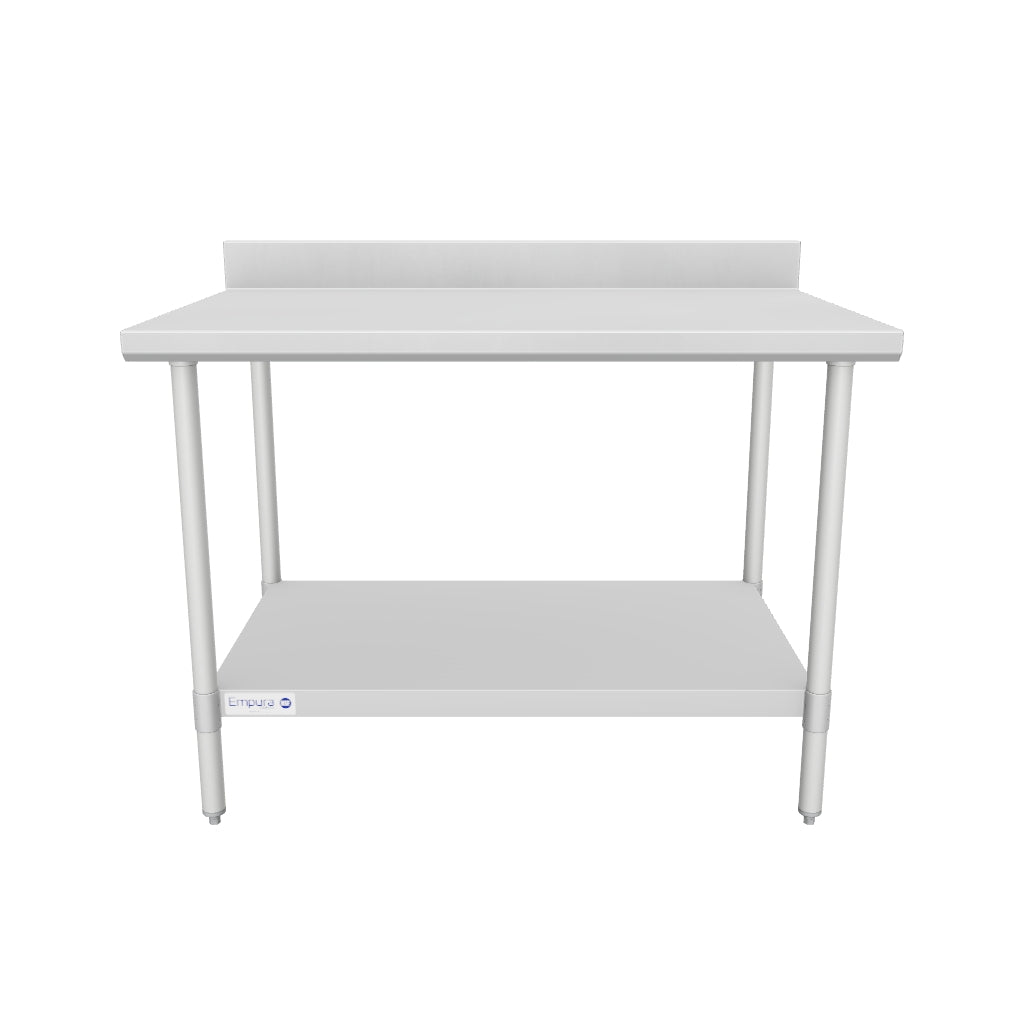
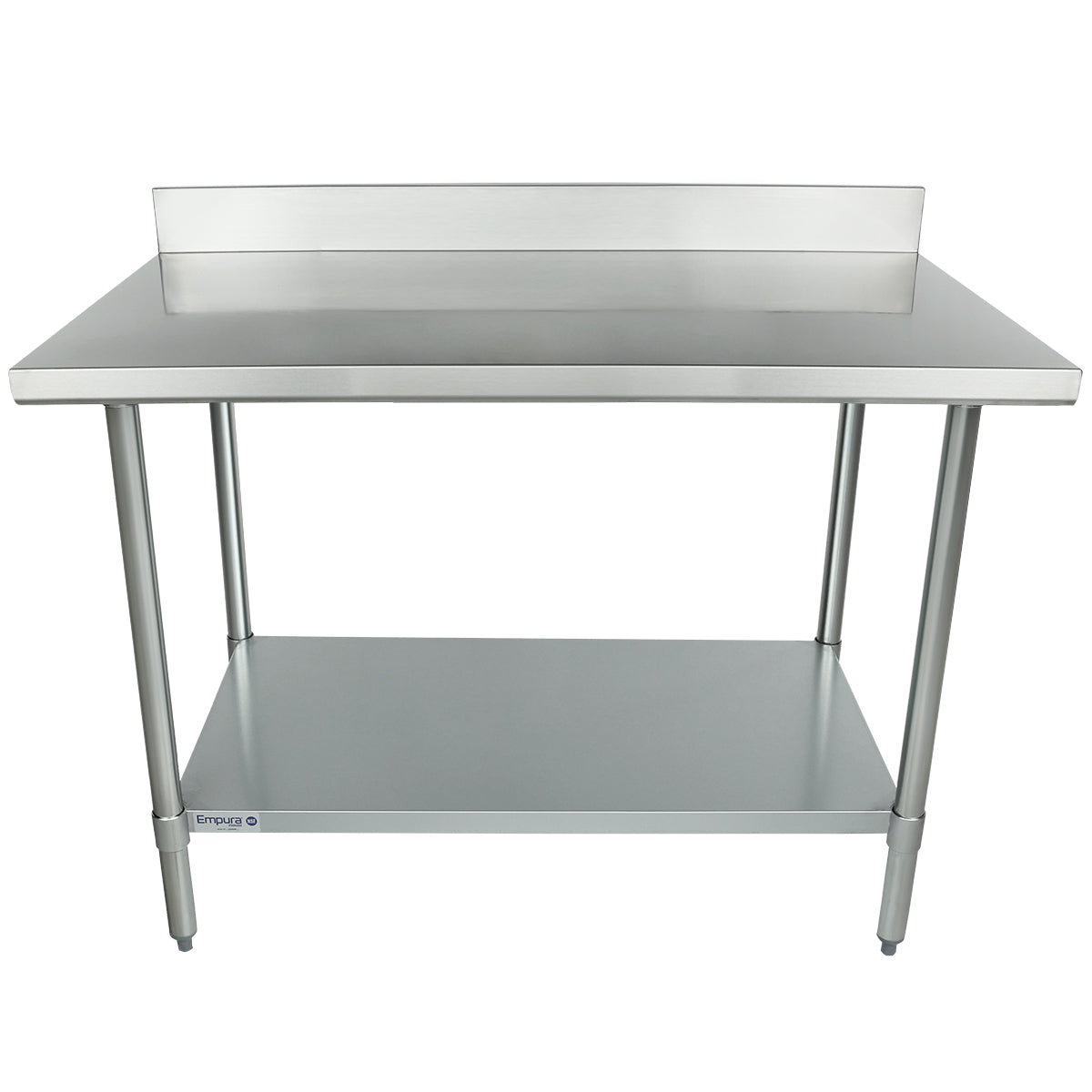
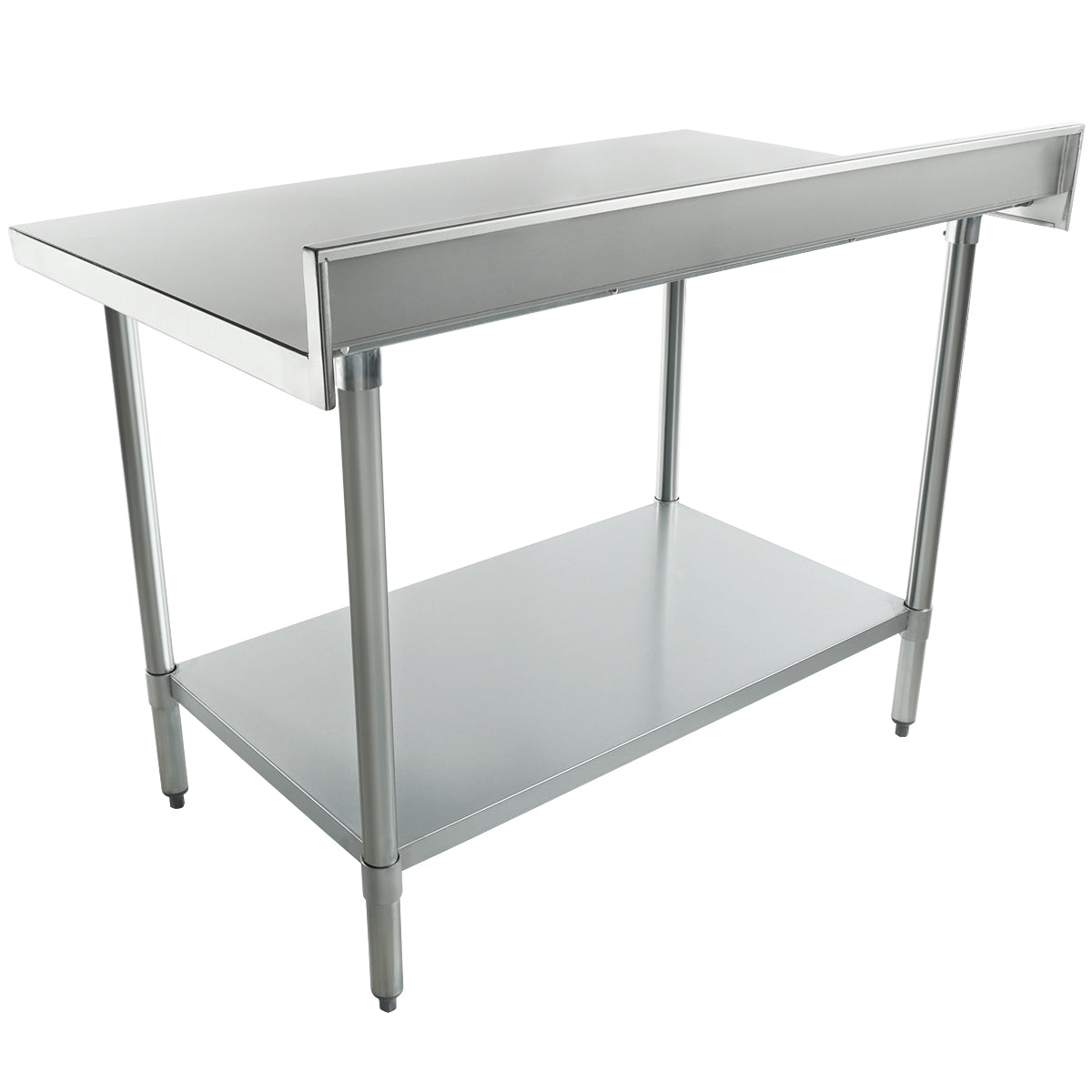
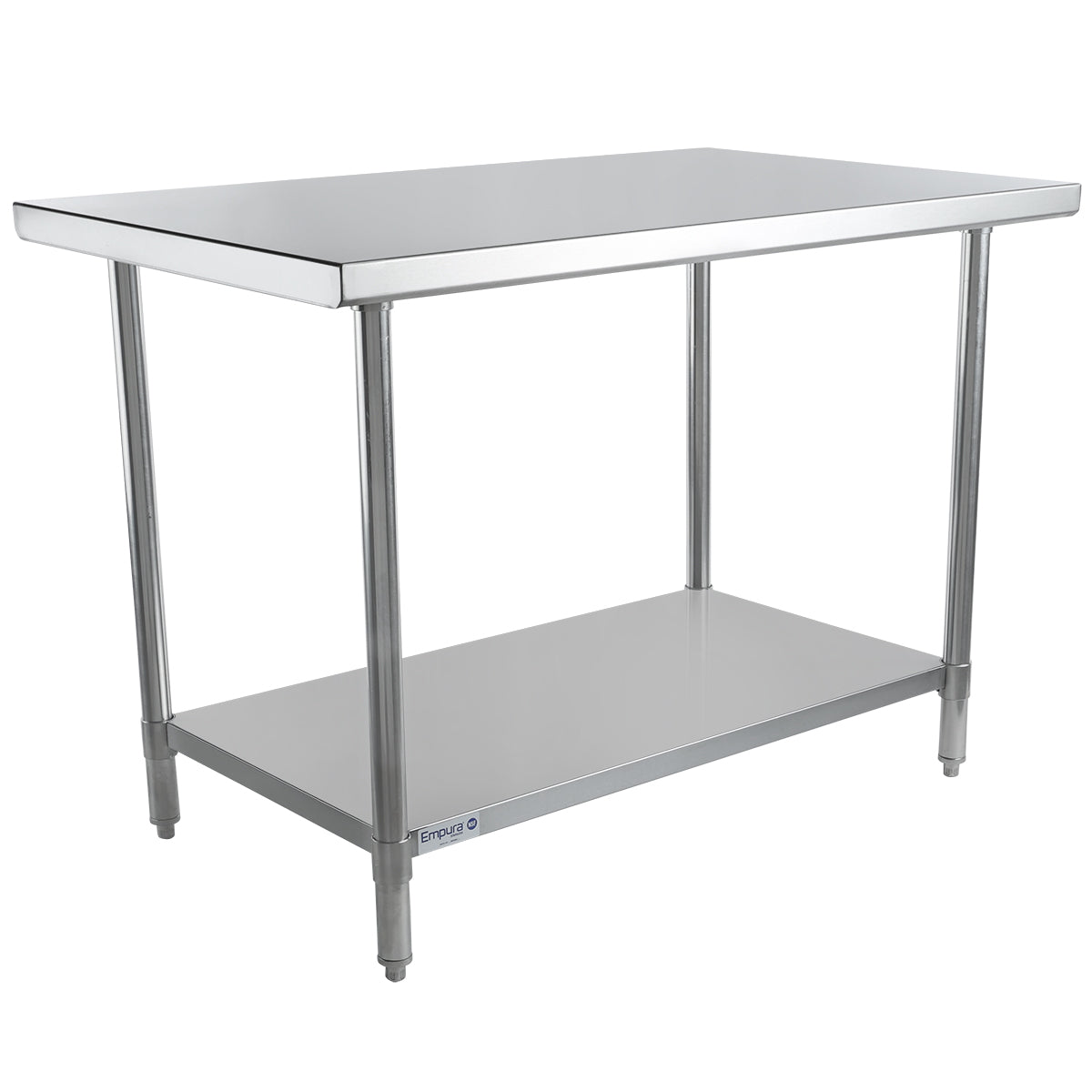
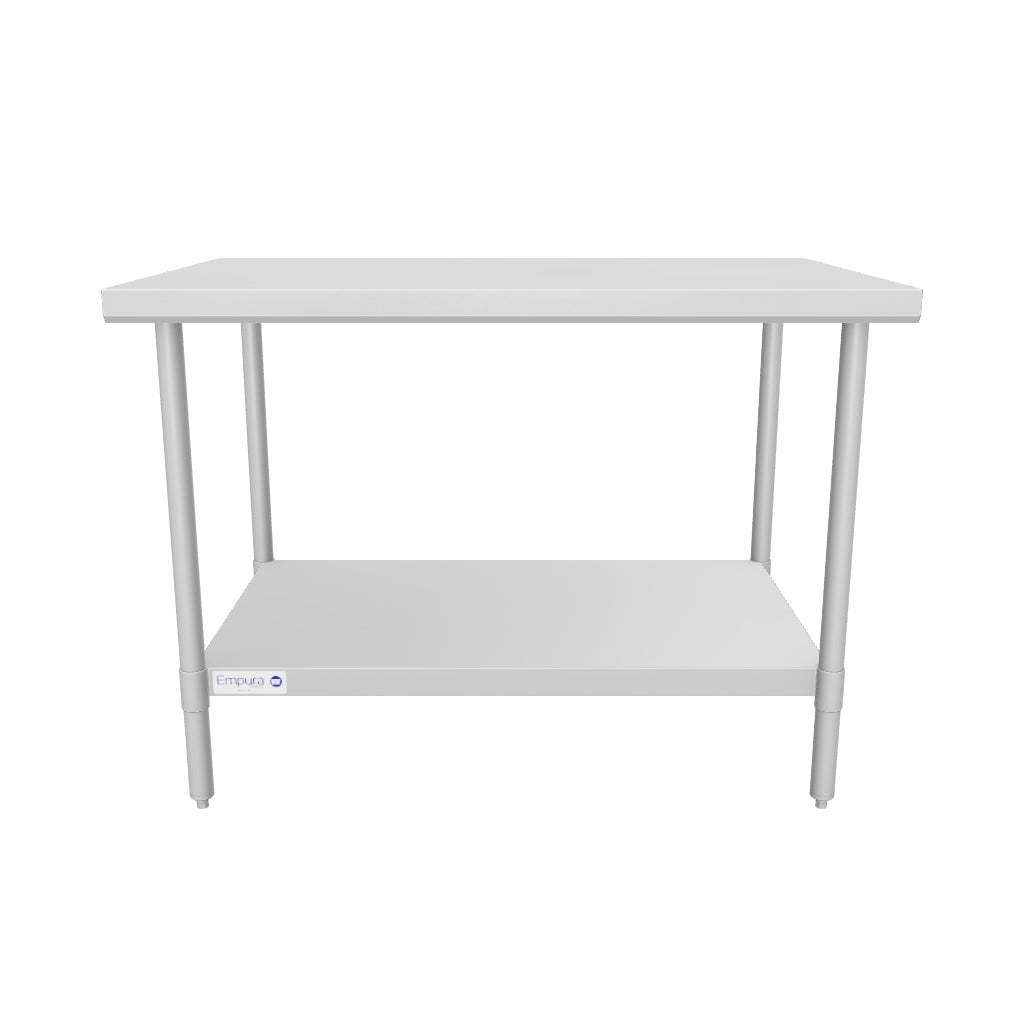
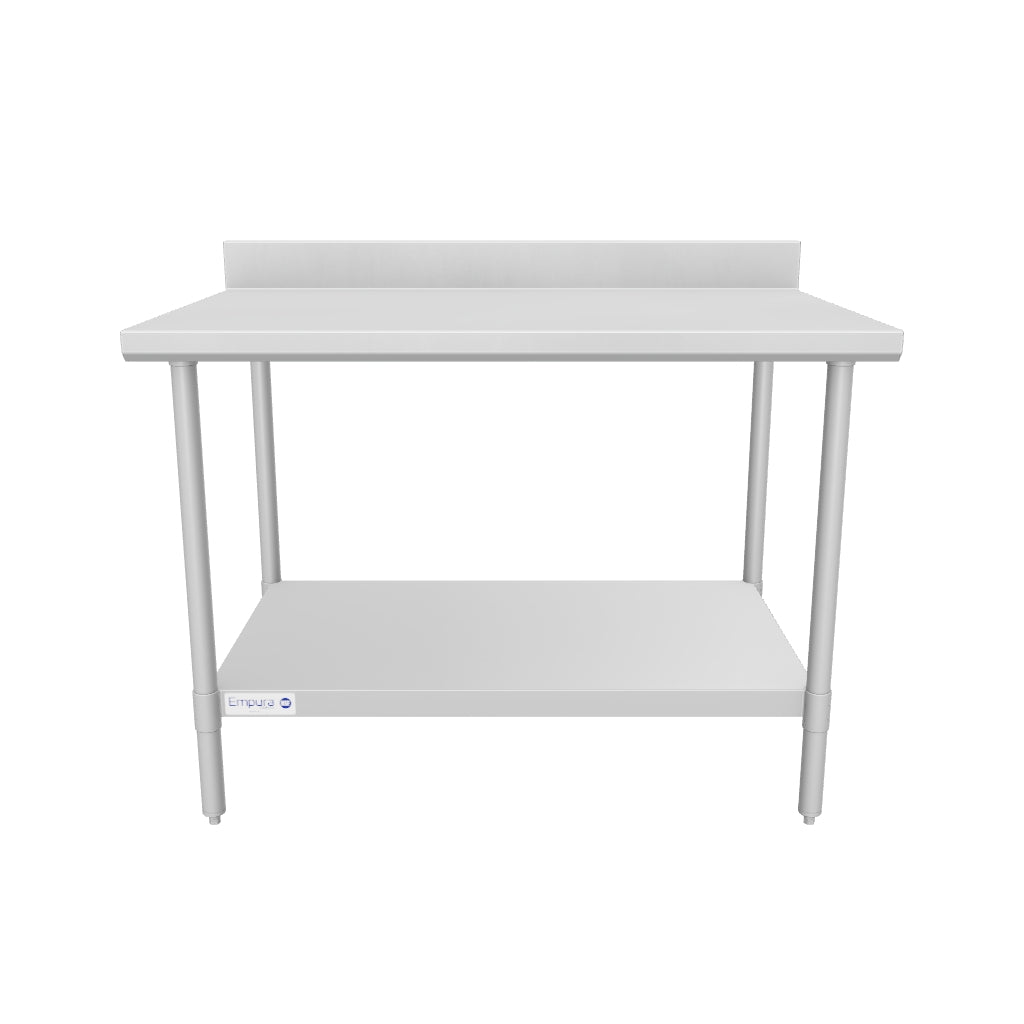
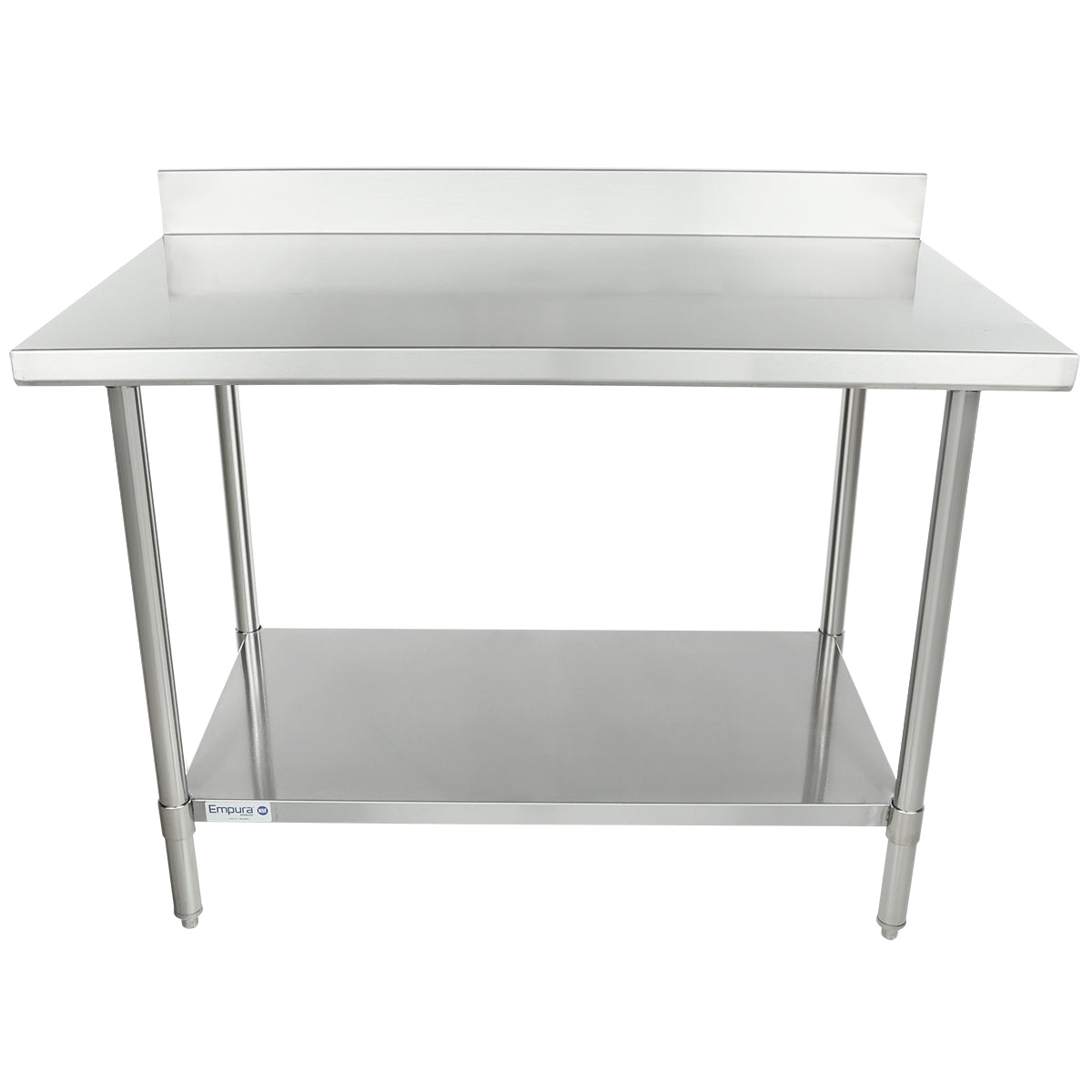
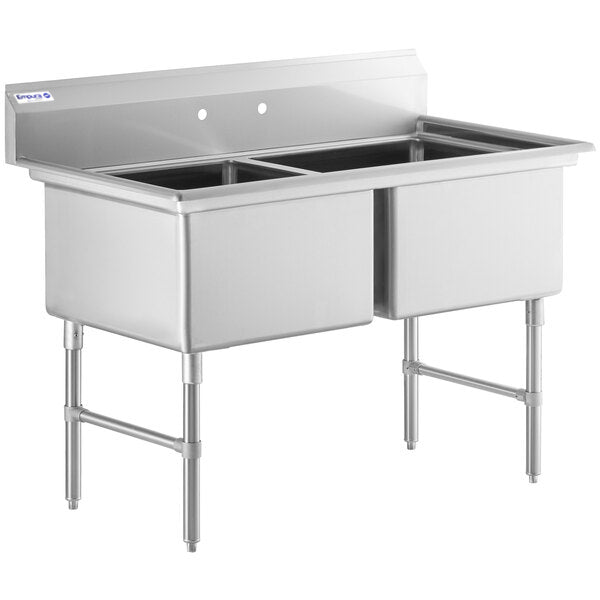
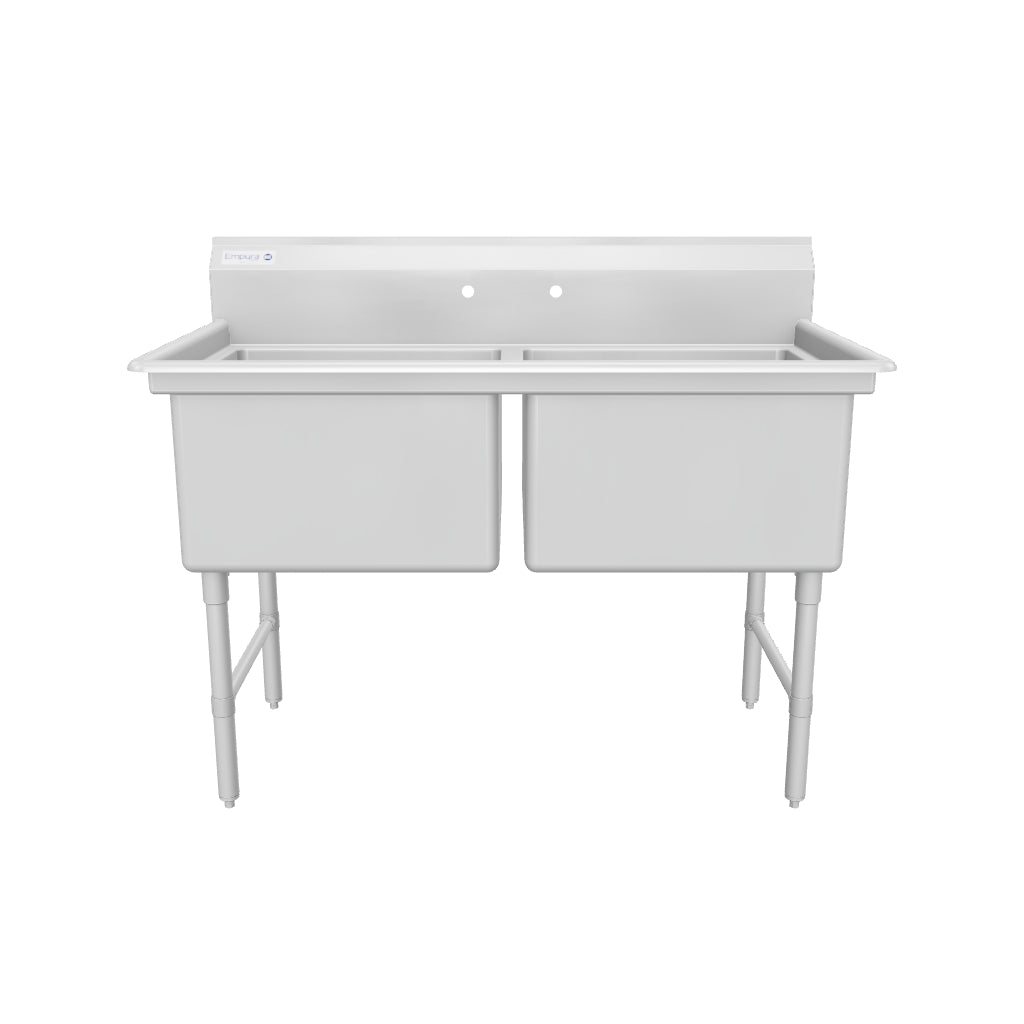
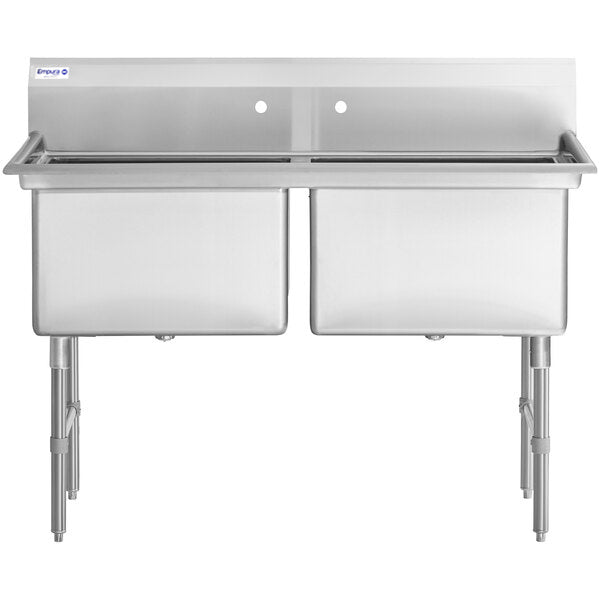
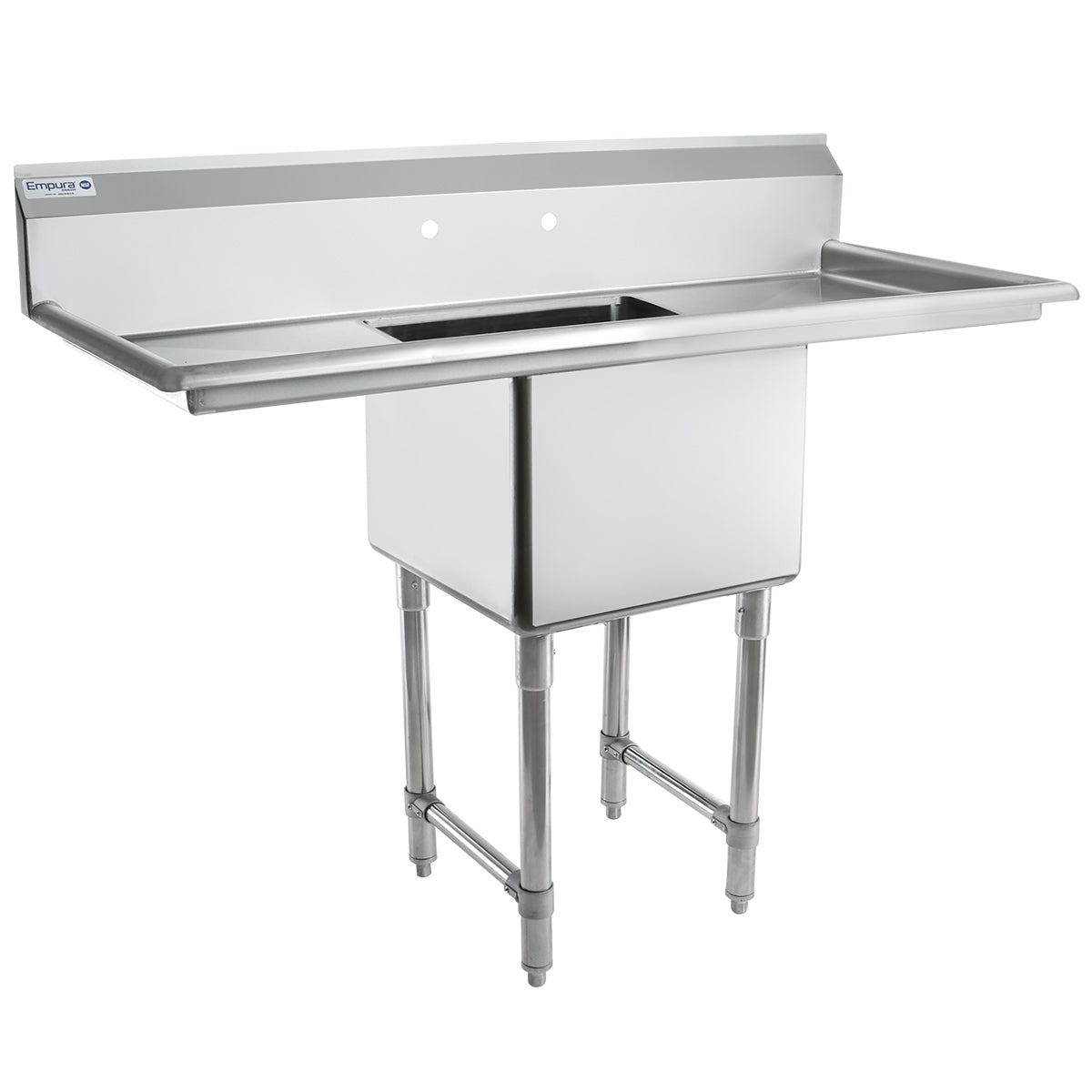
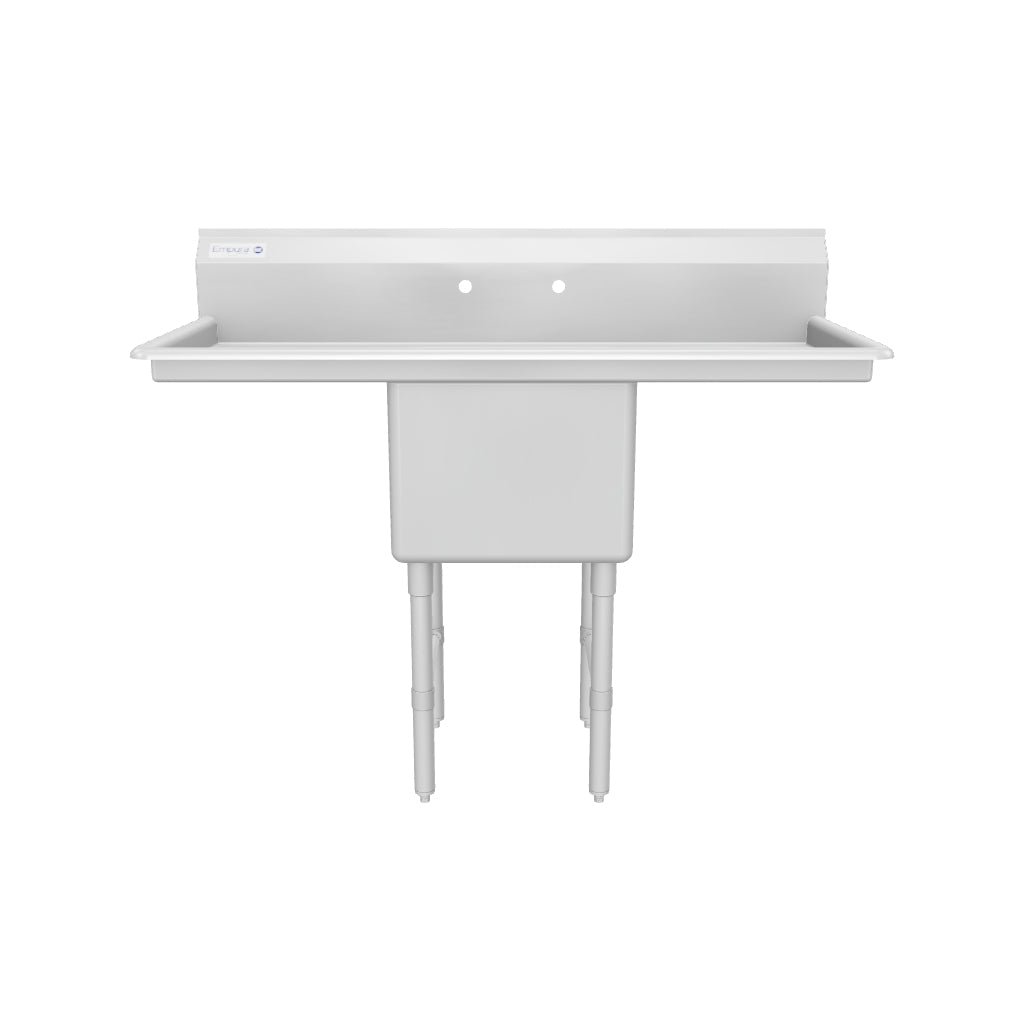
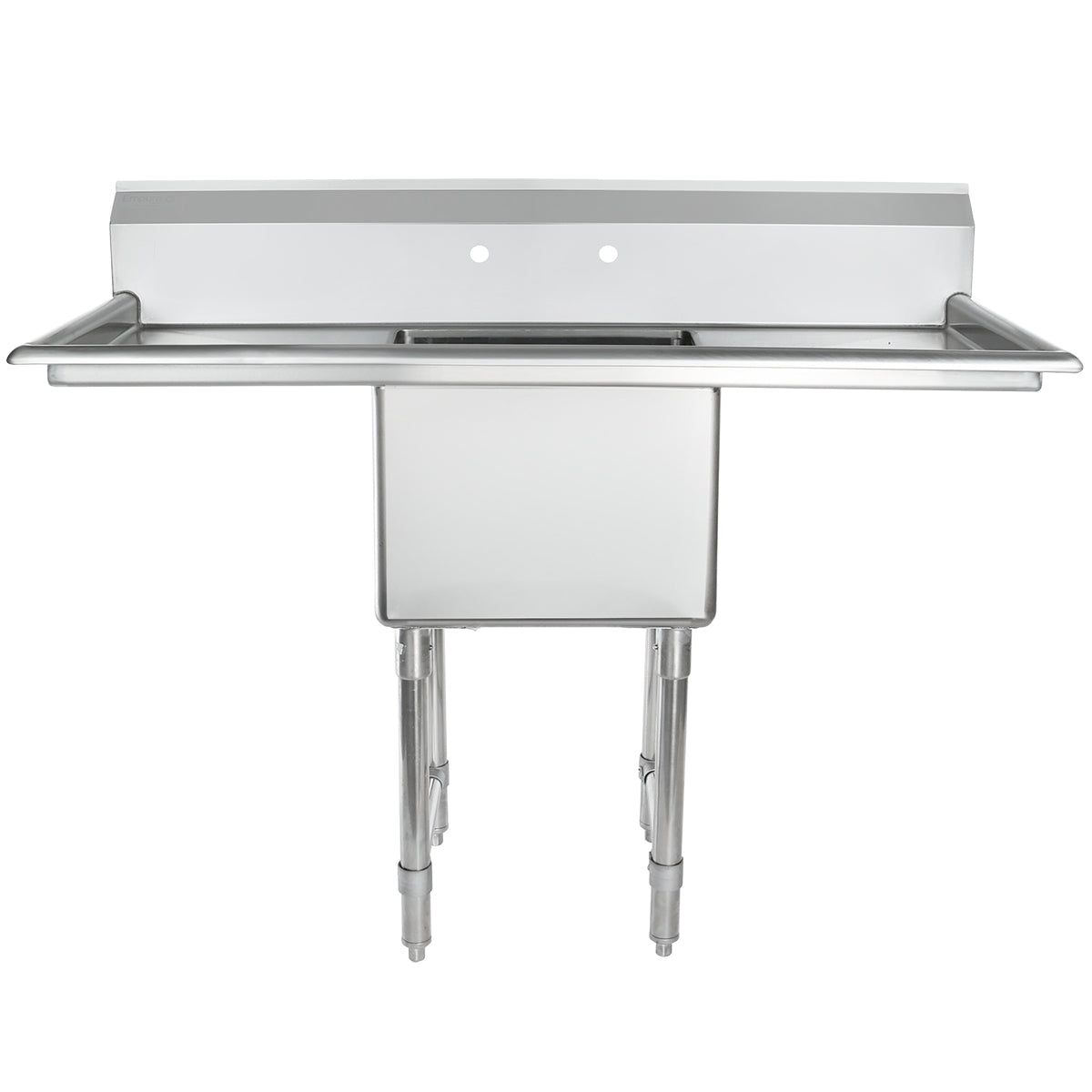
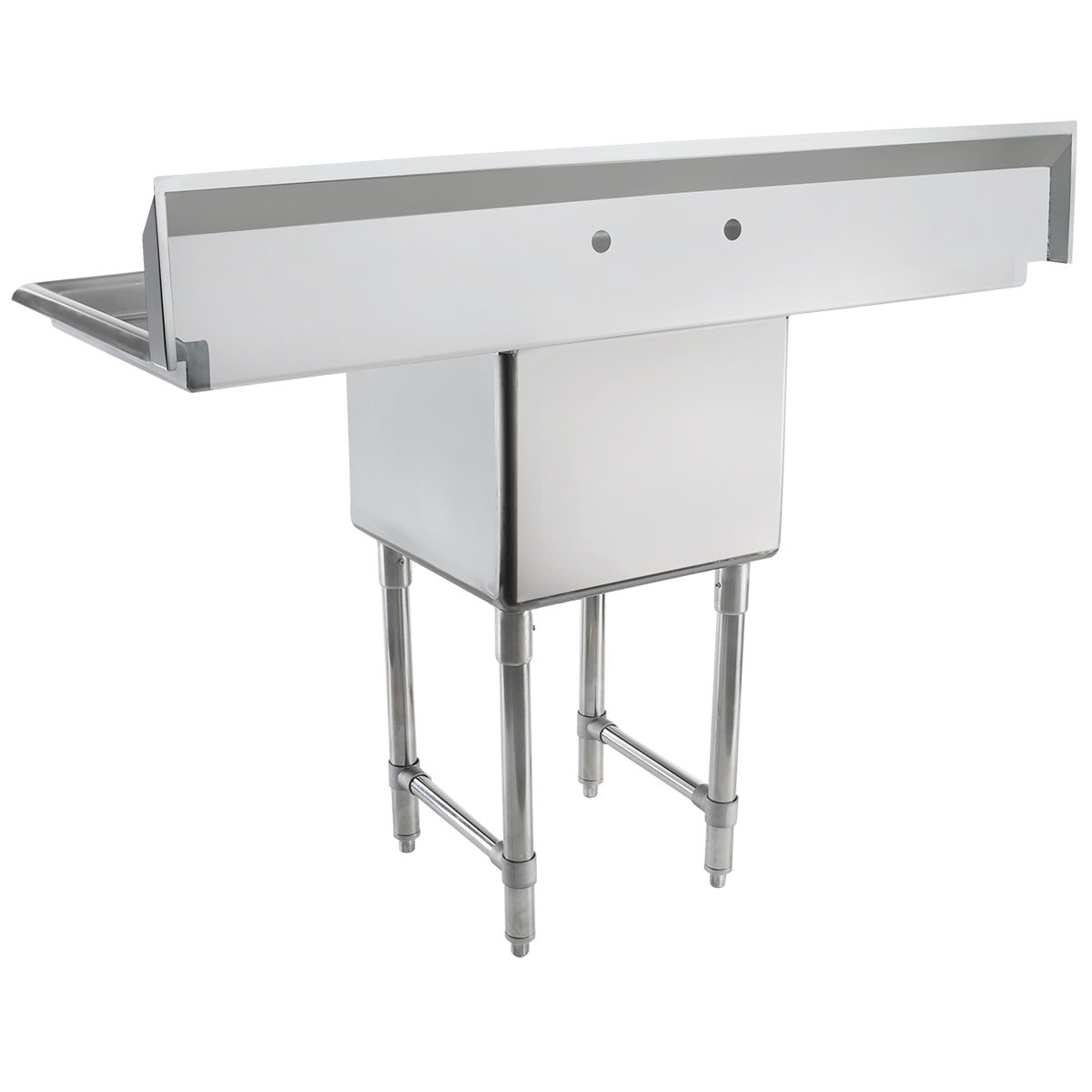
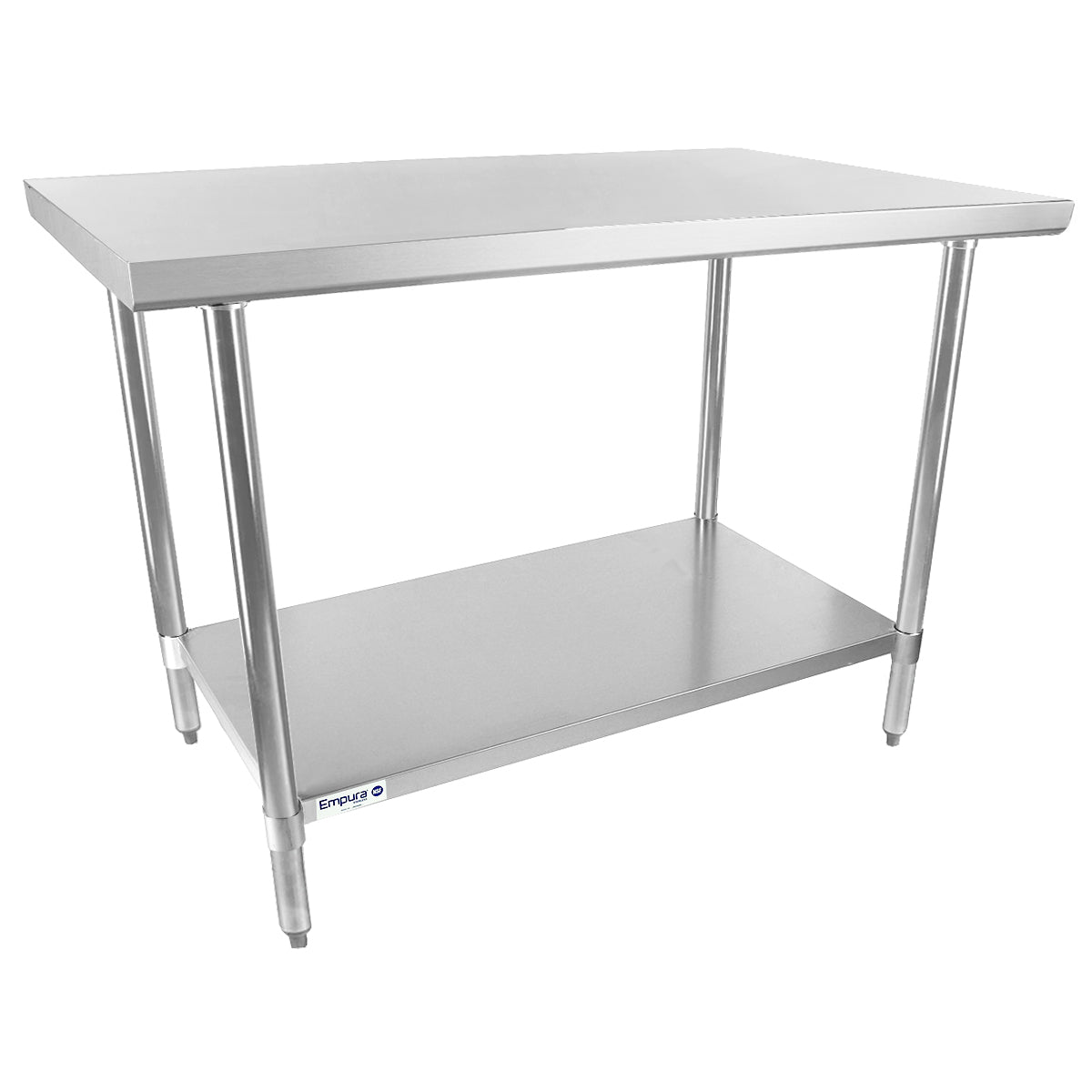
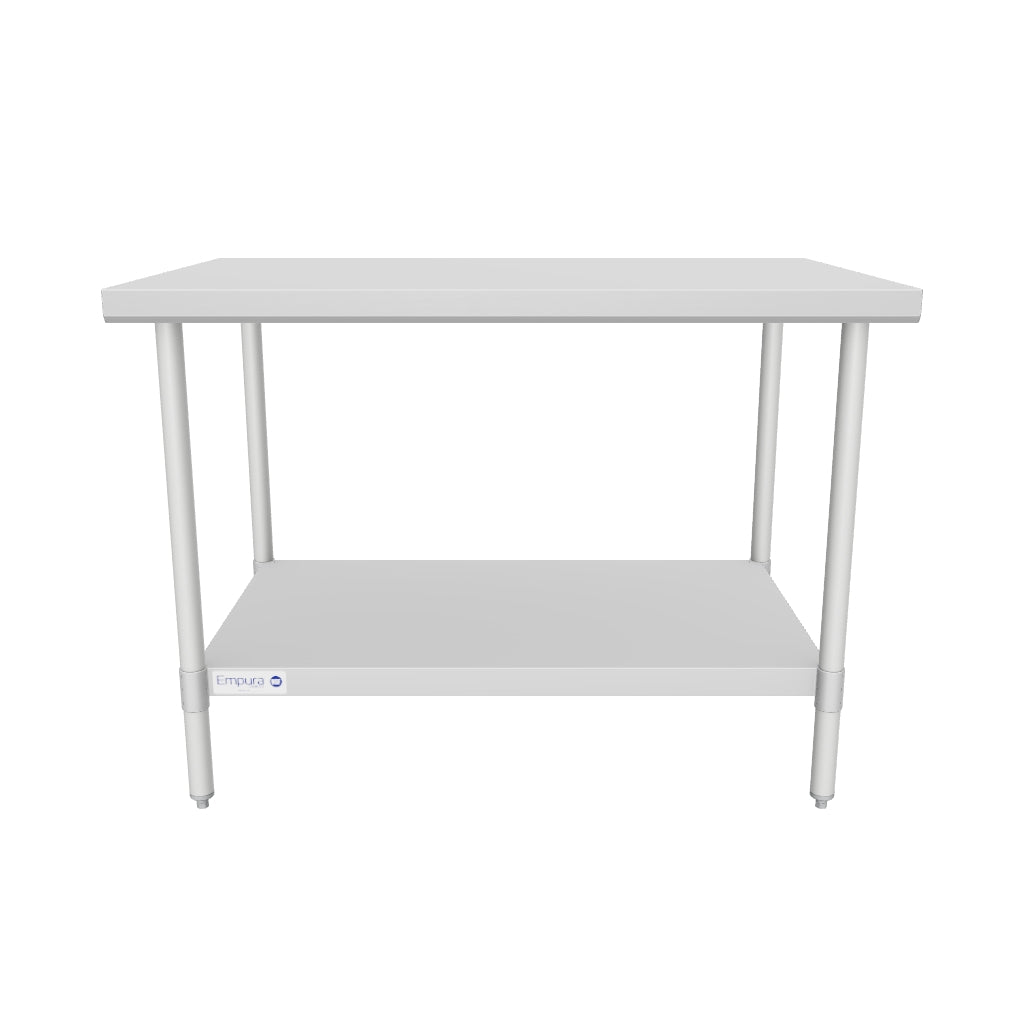
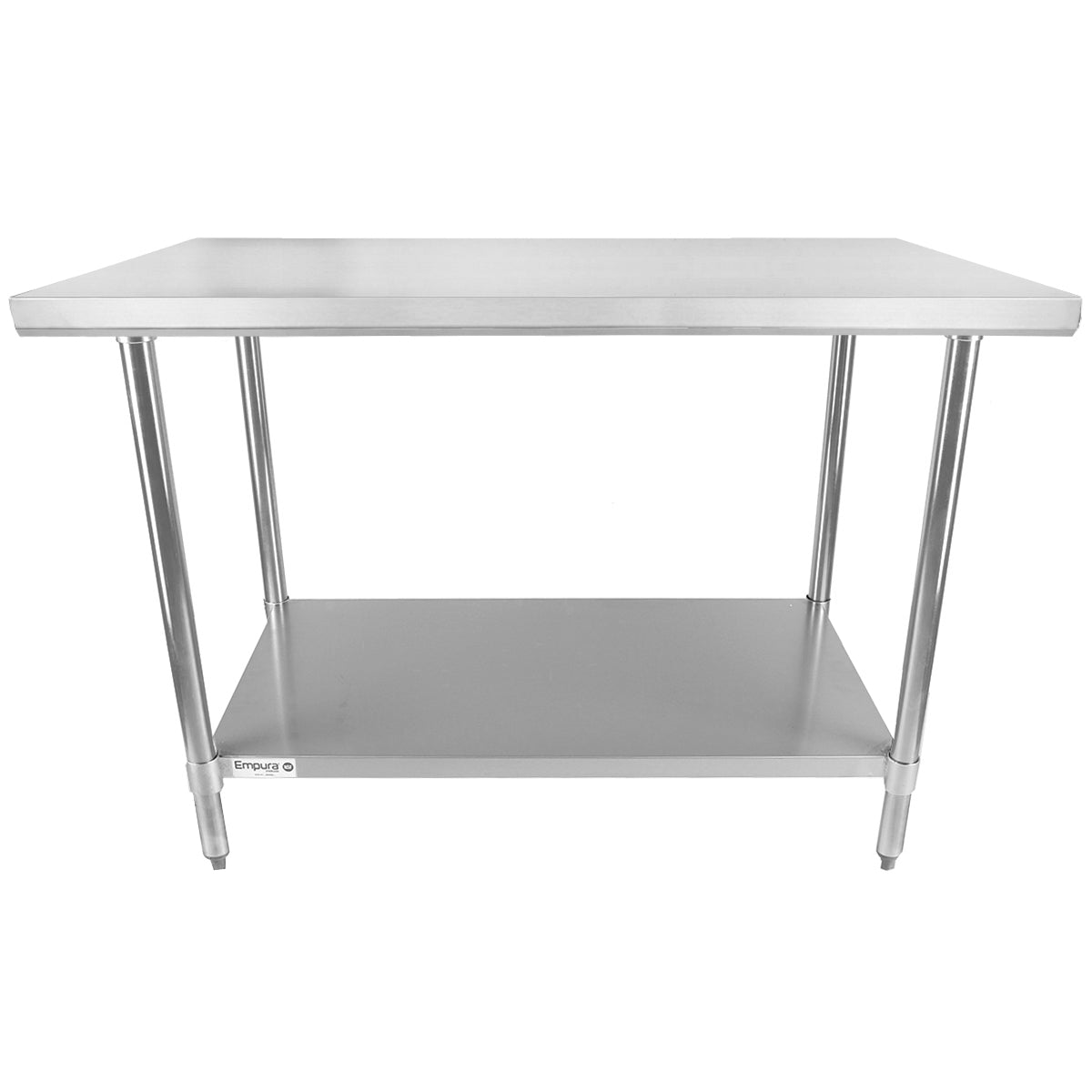
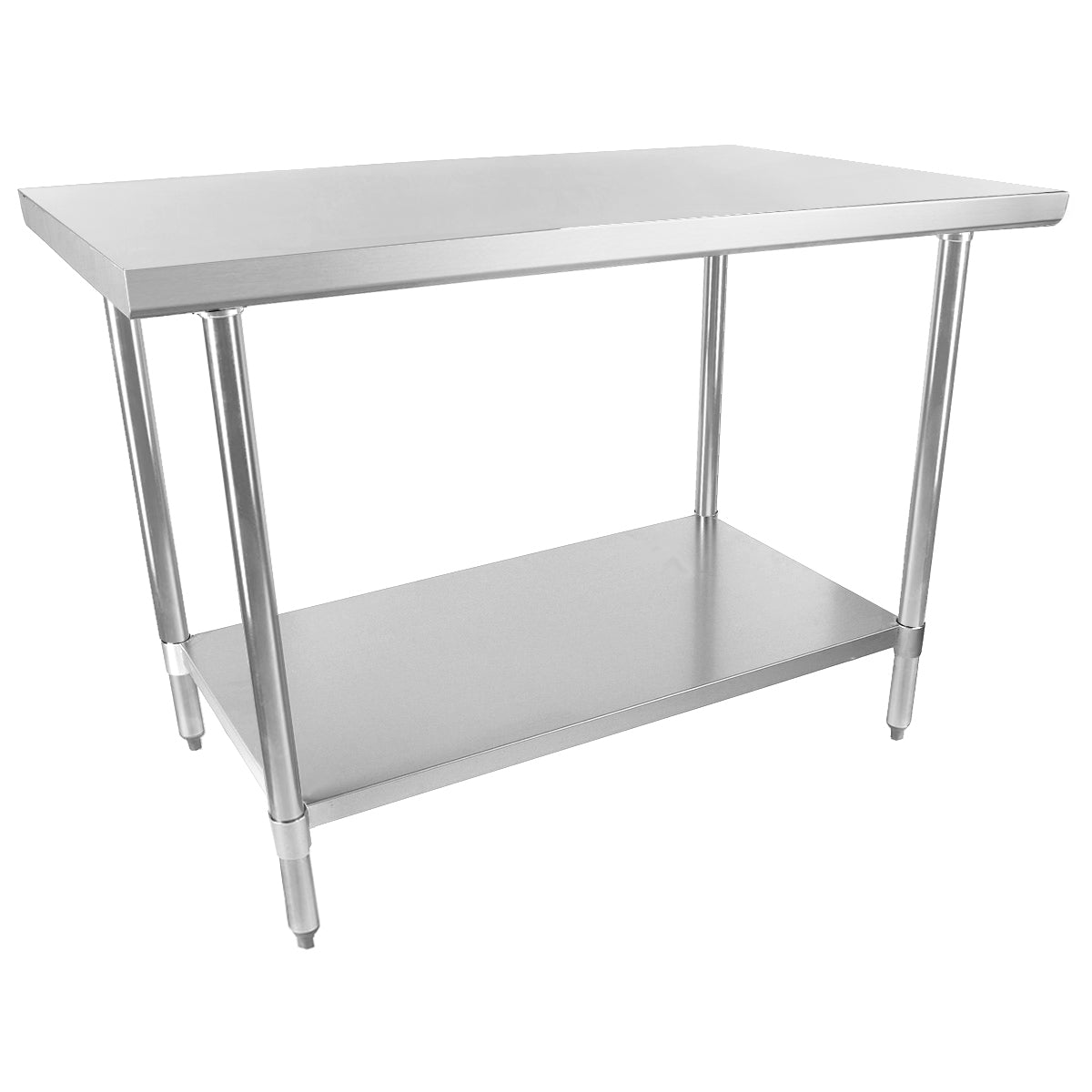
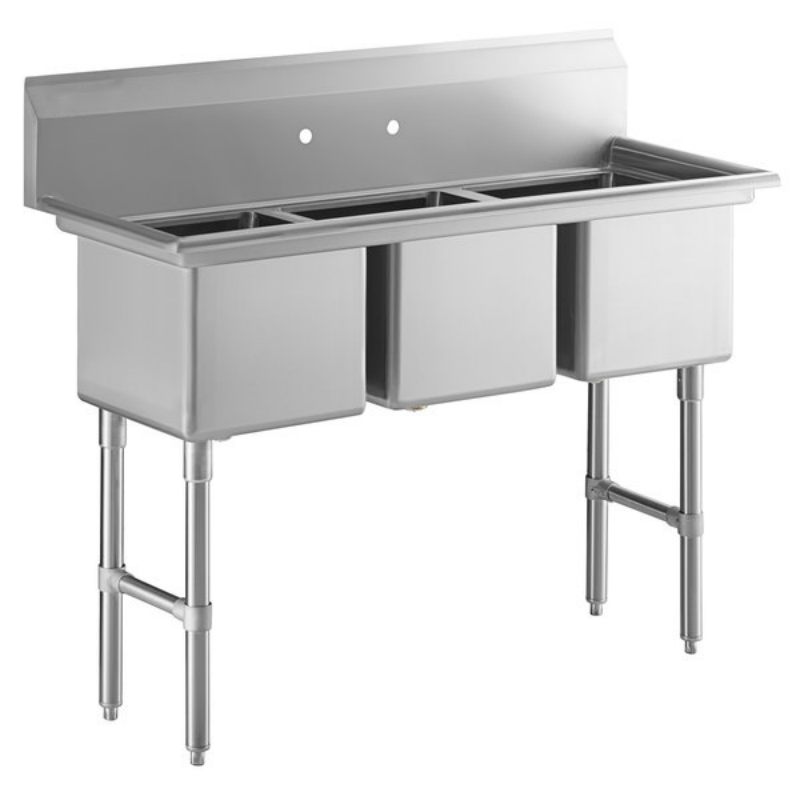
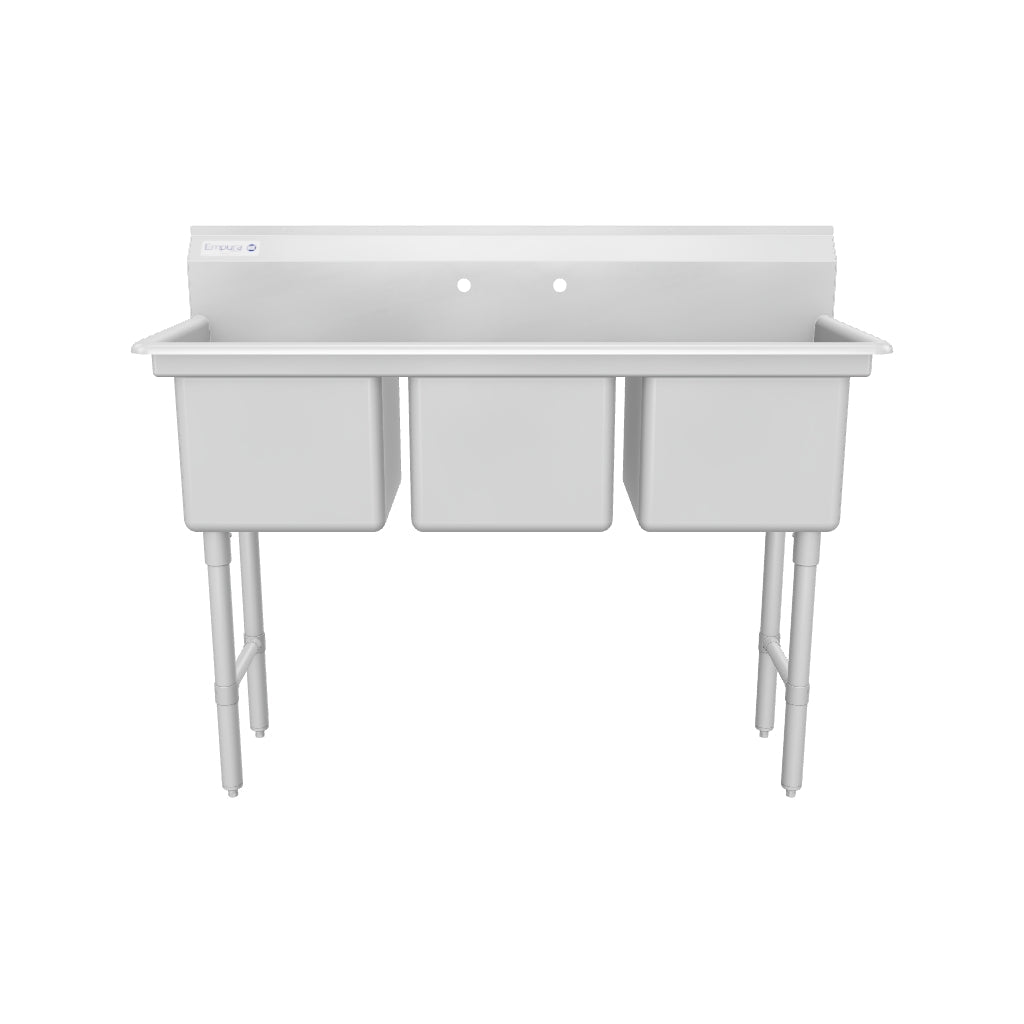
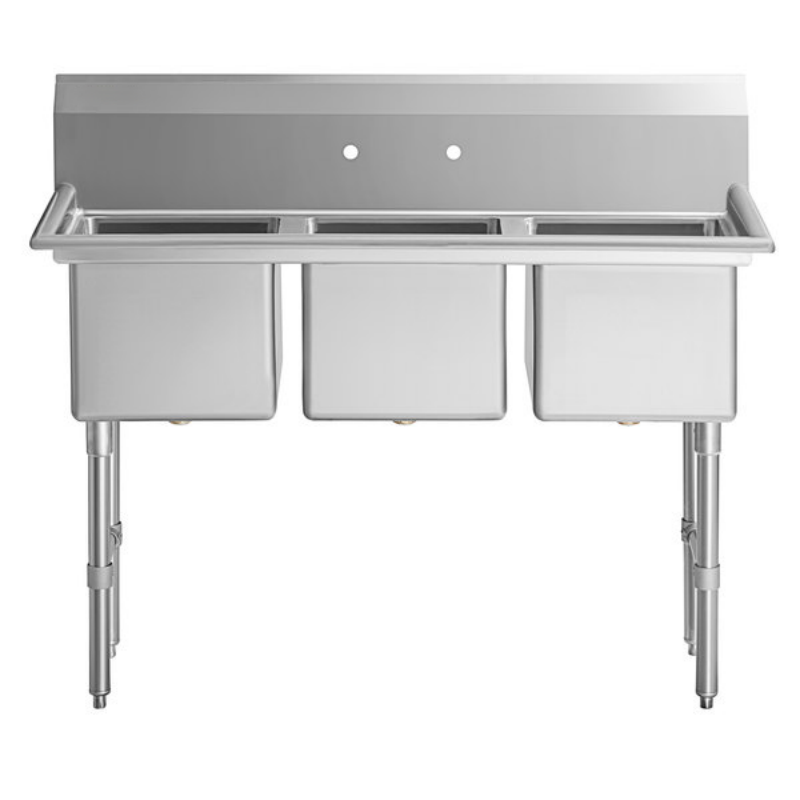
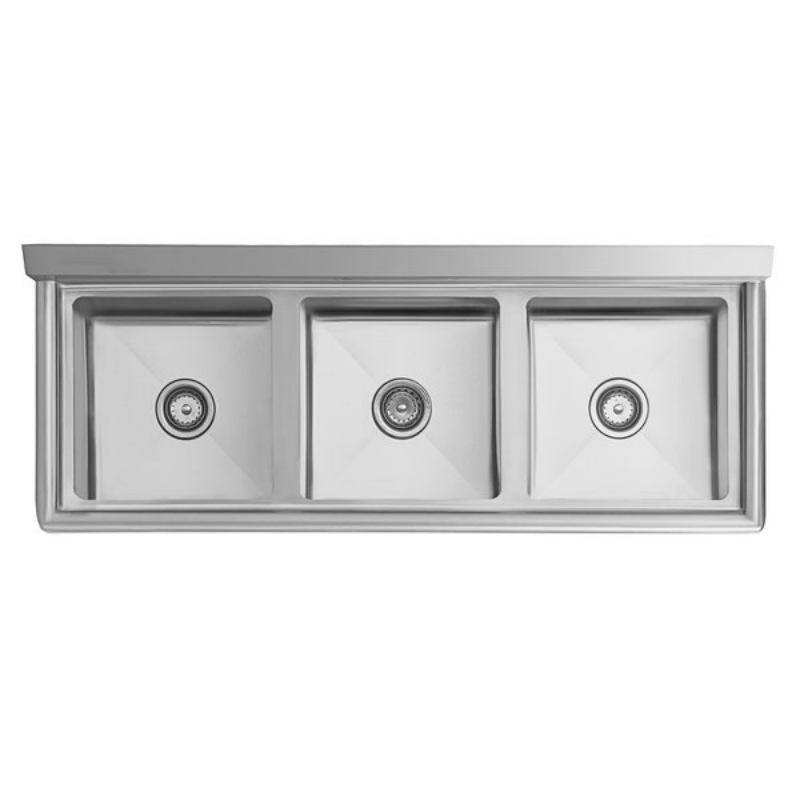
The Empura stainless collection spans worktables, compartment and hand sinks, dishtables, wall and microwave shelves, equipment stands, overshelves, pot racks, underbar fixtures, faucets, mop sinks, and storage racks. Product titles identify 16-, 18-, and 20-gauge construction across categories, with Type 304 or 430 specified where applicable, and current listings commonly identify NSF certification. The focused worktable collection is a useful starting point when the main need is prep space.
Who uses commercial stainless steel equipment?
- Restaurants
- Hotels
- Bars
- Catering Operations
- Schools
- Healthcare Facilities
- Cafeterias
- Convenience Stores
Frequently asked questions about commercial stainless steel equipment
What core equipment is included in commercial stainless steel?
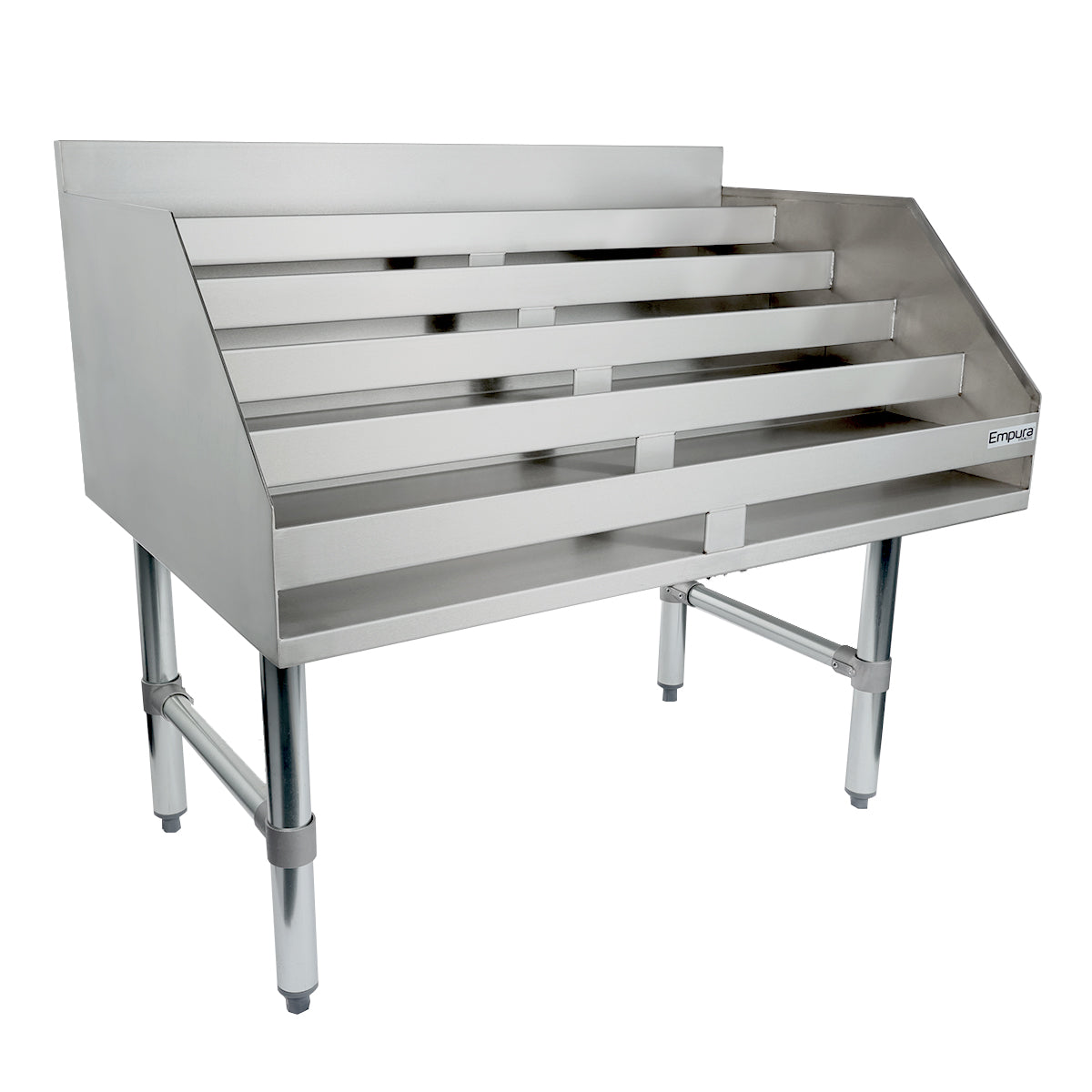
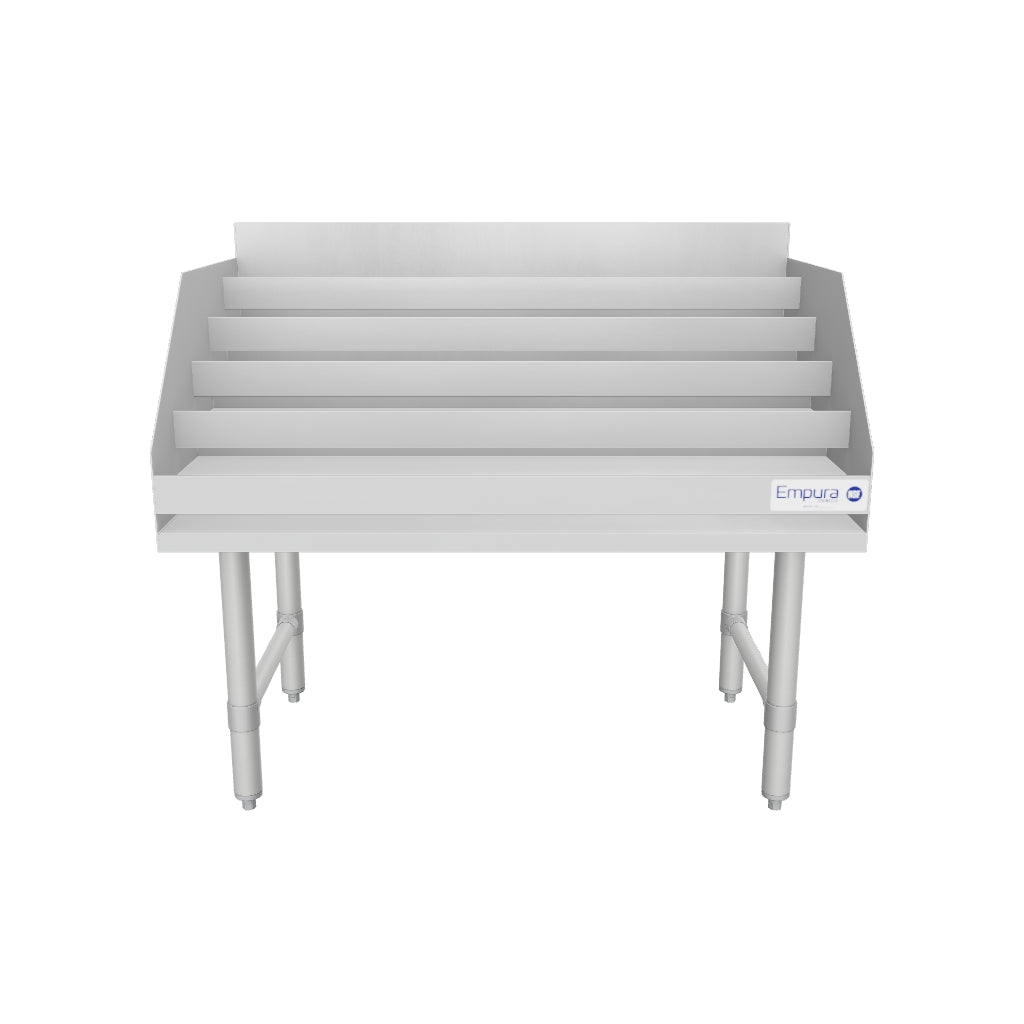
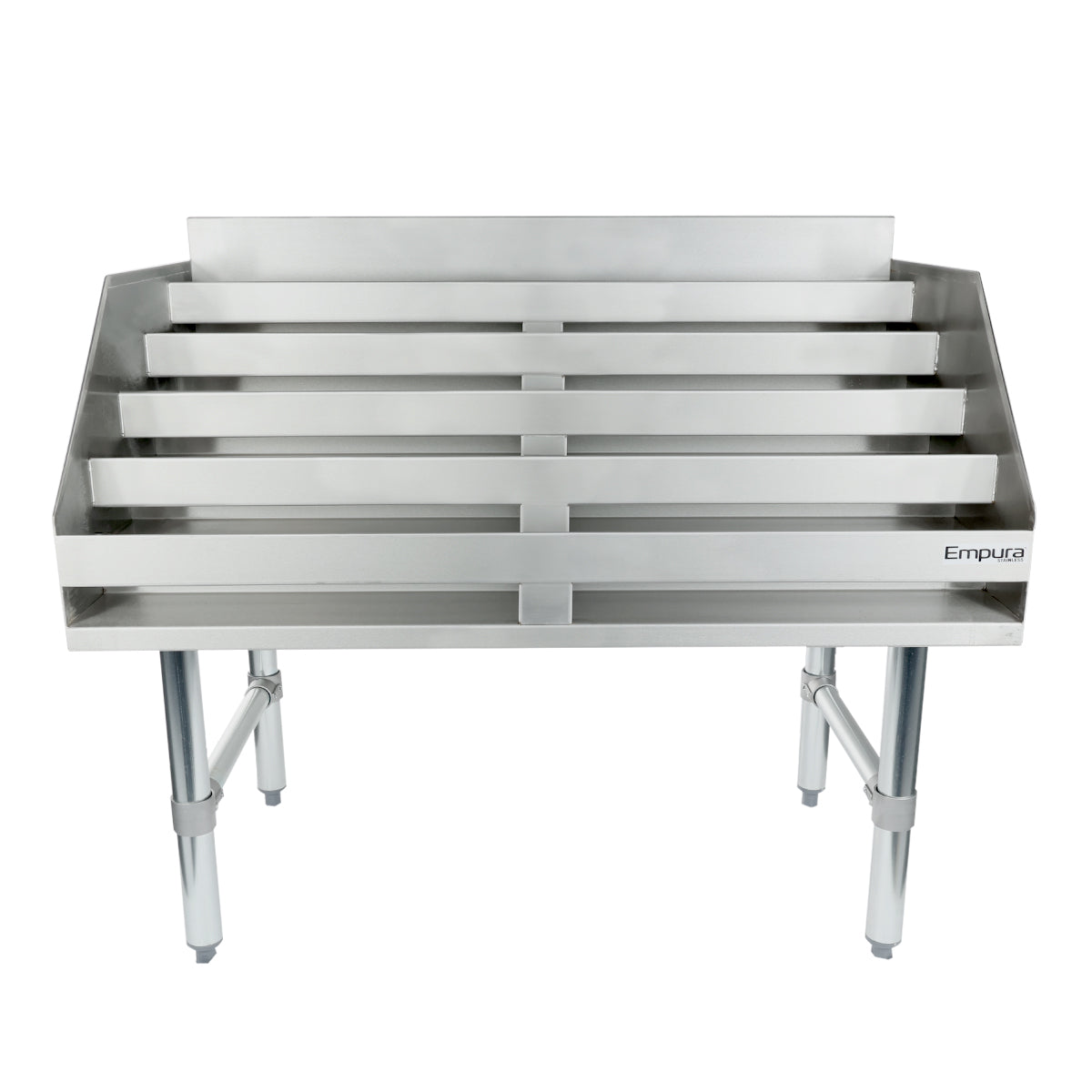
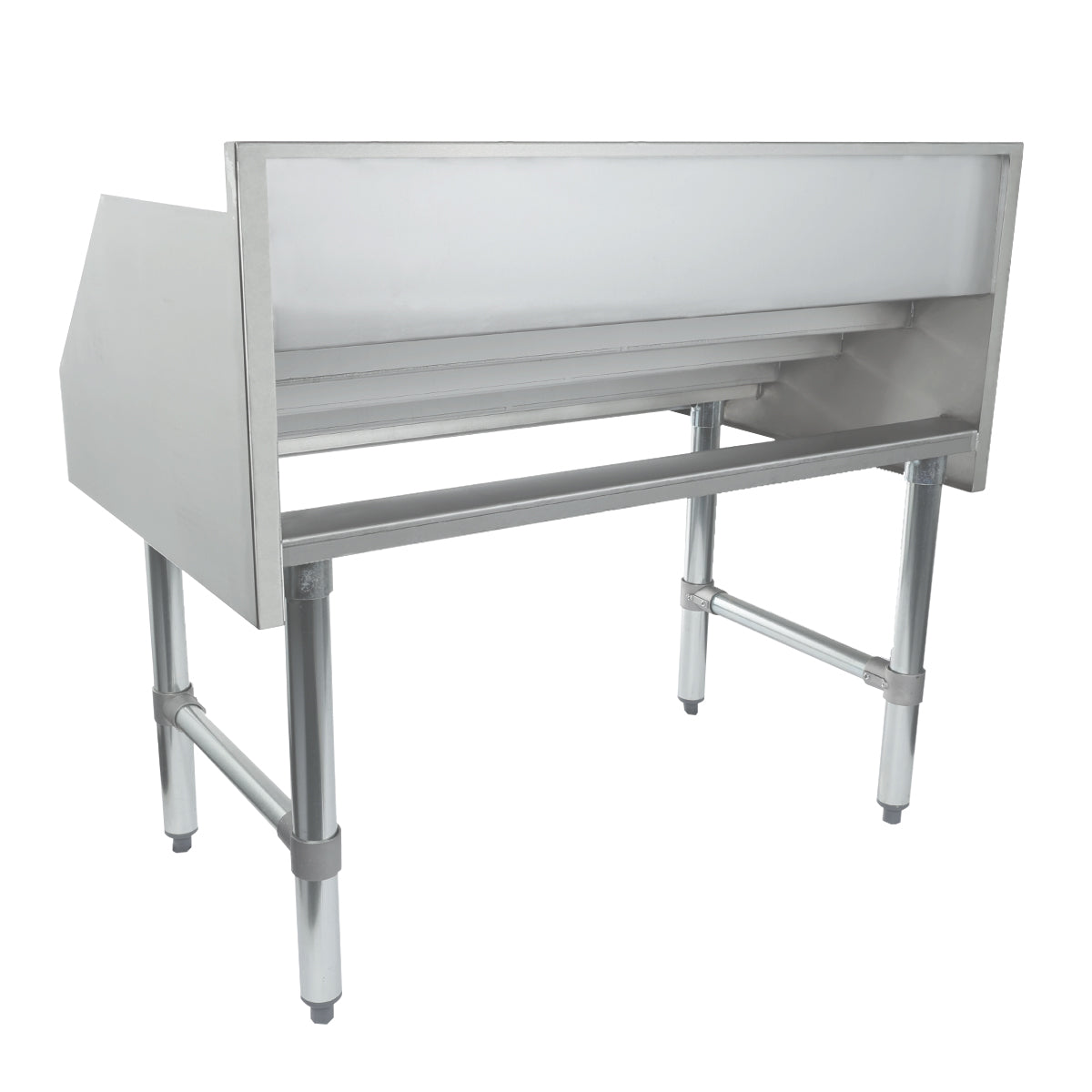
The category can include prep tables, compartment sinks, handwashing stations, equipment stands, wall shelves, dishtables, overshelves, pot racks, faucets, and underbar fixtures. Each item serves a different workflow or sanitation function.
What is the difference between Type 304 and Type 430 stainless steel?
Type 304 contains nickel and chromium and generally offers greater resistance to rust and chemical corrosion in wet areas. Type 430 is a nickel-free ferritic stainless steel often used for economical work surfaces in drier areas. The operating environment should guide the choice.
Is 16-gauge stainless steel thicker than 18-gauge?
Yes. For sheet metal, a lower gauge number indicates thicker material. Gauge alone does not determine total strength, because reinforcement, seams, legs, and bracing also matter.
Why does NSF certification matter for stainless steel fixtures?
NSF certification verifies that equipment meets public health standards for materials, design, construction, and cleanability. NSF publishes an overview of its food equipment standards. Requirements depend on the equipment, its use, and the local authority having jurisdiction.
How should commercial stainless steel be maintained?
Remove debris, wash with a compatible cleaner, rinse, and sanitize food-contact surfaces as required. Follow the chemical label, use compatible concentrations and contact times, and avoid abrasive tools or prolonged chloride exposure that can damage the finish.



 FREE Delivery